Sichuan-Spiced Beef and Tofu Hot Pot with Sesame Broth
A deeply aromatic Sichuan hot pot with thinly sliced beef, silken tofu, and a numbing sesame-chili broth. Ready in 65 minutes.
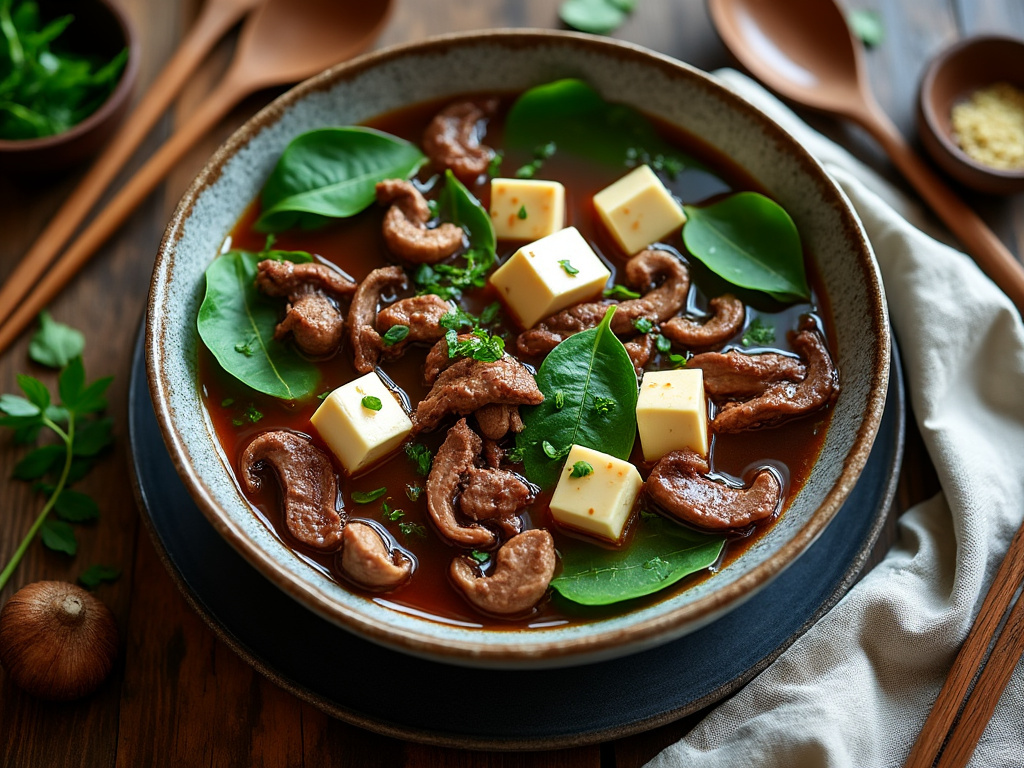
Hot pot is fundamentally about broth — everything else is a passenger. This version builds a deeply fragrant base from doubanjiang (fermented chili bean paste), toasted sesame paste, and Sichuan peppercorns, which give the signature mala tingle that makes your lips feel slightly electric after the first few spoonfuls. The key technique is blooming the doubanjiang in oil until it darkens from brick-red to a deep mahogany, about 4 minutes — that caramelization is where most of the flavor lives.
Thinly sliced beef short rib (ask your butcher, or use shabu-shabu beef from an Asian grocery) cooks in under a minute once dropped into the simmering broth, staying silky rather than tough. Silken tofu provides a cool, creamy counterpoint to the heat. This is a weeknight-friendly cook-at-table meal: set out the broth, arrange the dippers, and let people cook their own. If the broth reduces too much and gets aggressively salty toward the end, add a splash of hot water and a small pinch of sugar to rebalance.
Ingredients
- ▸ 1 lb shabu-shabu beef short rib, thinly sliced (1/8 inch)
- ▸ 14 oz block silken tofu, cut into 1-inch cubes
- ▸ 4 oz baby spinach leaves
- ▸ 4 oz shiitake mushrooms, stems removed, caps sliced 1/4-inch thick
- ▸ 3 tbsp neutral oil (such as avocado or vegetable oil)
- ▸ 3 tbsp doubanjiang (Pixian or Lee Kum Kee chili bean sauce)
- ▸ 1 tbsp Sichuan peppercorns, whole
- ▸ 6 dried red chilies (such as Tianjin or arbol), left whole
- ▸ 6 garlic cloves, minced
- ▸ 1 tbsp fresh ginger, finely grated (about a 1-inch knob)
- ▸ 6 cups low-sodium beef broth
- ▸ 1 cup water
- ▸ 3 tbsp Chinese sesame paste (or well-stirred tahini as substitute)
- ▸ 2 tbsp soy sauce
- ▸ 1 tbsp Shaoxing wine
- ▸ 1 tsp toasted sesame oil
- ▸ 1 tsp sugar
- ▸ 3 scallions, thinly sliced (whites and greens separated)
- ▸ 1 tbsp toasted sesame seeds
- ▸ 2 tsp rice vinegar
🛒 Links may earn us a small commission at no cost to you.
Recommended Gear
🛒 We may earn a small commission at no extra cost to you. We only recommend gear we'd use ourselves.
Instructions
Prep
- 1. Remove the beef from the refrigerator 15 minutes before cooking — cold beef seizes in the hot broth. Arrange the sliced beef, cubed tofu, shiitake mushrooms, and spinach on a large plate or tray. Keep the tofu in a single layer and handle it gently; silken tofu is fragile.
- 2. In a small bowl, whisk the sesame paste with 3 tbsp of warm water until smooth and pourable — it should have the consistency of heavy cream. If using Chinese sesame paste (darker and more intense than tahini), start with 2 tbsp and taste once the broth is built; it can go bitter in large quantities.
- 3. Separate the scallion whites from the greens. Set the greens aside for garnish. Mince the garlic and grate the ginger — have everything measured and ready before you heat the pot, because the first few steps move quickly.
Build the Broth
- 1. Set the Dutch oven over medium heat. Add the neutral oil and let it heat until shimmering but not smoking, about 90 seconds. Add the Sichuan peppercorns and dried chilies and toast, stirring constantly, for 60 seconds — you'll hear a sharp sizzle and the oil will turn lightly rust-colored. The peppercorns are ready when they smell citrusy and slightly floral, not burnt.
- 2. Add the doubanjiang to the pot and stir it into the oil. Cook over medium heat, stirring frequently, for 4 minutes — the paste will darken from brick-red to a deep mahogany and the oil will separate slightly around the edges. This is the most important step; don't rush it. The smell will shift from raw and fermented to deeply savory and caramelized.
- 3. Add the scallion whites, garlic, and ginger. Stir and cook for 90 seconds until the garlic smells nutty and the raw edge is gone — about 90 seconds. Do not let the garlic brown; reduce heat slightly if needed.
- 4. Pour in the Shaoxing wine and stir, scraping any paste stuck to the bottom of the pot. It will sizzle loudly and smell sharp for about 15 seconds, then mellow. Add the beef broth and water, increase heat to medium-high, and bring to a boil — about 8 minutes. You'll see a small amount of foam; skim it off with a ladle and discard.
- 5. Reduce heat to medium-low to maintain a steady simmer. Whisk in the sesame paste mixture, soy sauce, sesame oil, sugar, and rice vinegar. Stir until fully incorporated and the broth looks creamy and rust-colored. Taste: it should be savory, lightly numbing, and have a toasted sesame backbone. Adjust with additional soy sauce (saltier), rice vinegar (brighter), or sugar (to temper heat) as needed. Simmer the finished broth for 10 minutes uncovered to let the flavors meld.
Cook and Serve
- 1. If serving table-side, transfer the Dutch oven to a portable burner set on medium-low to keep the broth at a gentle simmer. If cooking in the kitchen, keep the pot on medium-low. Add the shiitake mushrooms to the broth and cook for 3 minutes until they soften and become glossy.
- 2. Using chopsticks or tongs, drape 2-3 slices of beef into the simmering broth. Cook for 30-45 seconds — the beef will turn from pink to a pale gray-brown and curl slightly at the edges. Do not overcook; it should still look slightly rosy in the center when you pull it out. Cook in small batches; crowding drops the broth temperature and the beef will stew instead of poach.
- 3. Gently lower the tofu cubes into the broth using a spoon. Let them warm through for 2 minutes without stirring — silken tofu will fall apart if agitated. They're ready when they look translucent and feel warm to the touch.
- 4. Add the baby spinach in two large handfuls, pressing gently into the broth. It will wilt in 30-45 seconds and turn a deep, vivid green. Do not let it overcook; it turns army-green and loses texture at the 2-minute mark.
- 5. Ladle broth, beef, tofu, mushrooms, and spinach into deep bowls. Scatter sesame seeds and scallion greens over the top. Serve immediately with steamed jasmine rice on the side for soaking up the broth.
Cook's Notes
- Silken tofu is non-negotiable here — firm tofu won't absorb broth the same way and its texture fights the soup. Look for Mori-Nu silken tofu (shelf-stable, in the Asian foods aisle) if the refrigerated section is out.
- Doubanjiang brands vary significantly in salt level. Lee Kum Kee runs saltier than Pixian; if using Lee Kum Kee, start with 2 tbsp and taste before adding soy sauce.
- The Sichuan peppercorns are doing two jobs: numbing (mala) and citrus aroma. They're not meant to be eaten whole — they'll pass into the broth through simmering and can be strained out before serving if you prefer a cleaner-textured broth.
- Make the broth up to 3 days ahead and refrigerate. The flavor actually deepens overnight. Reheat over medium, whisk to recombine any sesame paste that has settled, and proceed with cooking the dippers fresh.
Pro Tips
- → If your sesame paste seizes into clumps when added to the broth — a common failure when the paste is cold and the broth is hot — whisk a ladle of hot broth directly into the sesame paste bowl first to temper it, then pour that mixture back into the pot. This prevents broken, grainy broth.
- → Partially freeze the beef for 40 minutes before slicing it yourself — the firmness lets you get to 1/8-inch thickness with a sharp knife far more easily than at refrigerator temperature, and thin slices are essential for the 30-second cook time to work.
- → The oil-doubanjiang bloom is where most cooks underseason this dish. Four minutes of active stirring over medium heat is the minimum. If you smell scorching at any point, pull the pot off the heat for 30 seconds and reduce to medium-low — but don't shorten the time. Undercooked doubanjiang makes the broth taste sharp and metallic.
- → If the broth becomes too spicy and concentrated as it simmers down during a long table-side meal, add 1/2 cup hot water and 1/2 tsp sugar — not more soy sauce. The salt level is usually fine; it's the capsaicin-to-liquid ratio that intensifies.
- → Toast your sesame seeds in a dry skillet for 2-3 minutes over medium heat before using them as garnish — pre-packaged 'toasted' sesame seeds are rarely as fragrant as ones you toast yourself. They're done when they turn golden and smell nutty.
- → Chinese sesame paste and tahini are technically interchangeable here in volume, but Chinese sesame paste is made from roasted seeds and is significantly more intense and bitter. If substituting tahini, add an extra 1 tbsp and a few drops of toasted sesame oil to compensate for the lost roasted depth.
What to Serve With This
A cold Tsingtao or a light Japanese lager like Sapporo is the most natural drink alongside this — the mild carbonation scrubs the sesame oil and chili fat off your palate between bites without fighting the spice. If you want wine, go with an off-dry Alsatian Riesling or a Gewürztraminer; the residual sugar and floral aromatics stand up to doubanjiang's funk without amplifying the heat the way a tannic red would.
For non-alcoholic options, a cold chrysanthemum tea is traditional and genuinely works — its faint bitterness cuts through the richness better than water. A sparkling water with a squeeze of lime does the job in a pinch.
On the table, serve plain steamed jasmine rice as a starchy anchor — it absorbs the broth and helps moderate the heat. A small dish of quick-pickled daikon (1 cup julienned daikon, 2 tbsp rice vinegar, 1 tsp sugar, 1/2 tsp salt, 10 minutes rest) adds brightness and crunch that the soft-textured pot components lack.
Finish the meal with something cold and plain: vanilla ice cream, mango sorbet, or chilled lychees from a can. The dairy or fruit sweetness is the most effective palate reset after mala spice.
Variations & Substitutions
To make this fully vegetarian, replace the beef broth with a good mushroom stock (simmer 1 oz dried shiitakes and 1 oz dried kombu in 6 cups water for 30 minutes), swap the beef slices for king oyster mushrooms sliced 1/4-inch thick, and add 1 cup frozen edamame as an additional dipper. The doubanjiang and sesame paste are already plant-based, so the broth character changes very little.
For a dairy-free and gluten-free version, the base recipe is already both — just confirm your doubanjiang brand (Lee Kum Kee's chili bean sauce is gluten-free; some brands are not). Swap soy sauce for tamari at a 1:1 ratio.
If Sichuan peppercorns are unavailable, use 1 tsp of black pepper plus 1/4 tsp of finely grated lemon zest to approximate the citrus-numbing note — it's not identical, but it's better than omitting the element entirely. Skip the peppercorns entirely and the dish loses its defining character.
To scale for 6-8 people, double the broth and sesame paste components. Keep the beef at 1.5x (not double), since cooking times at the table slow down with crowding and people tend to eat less protein than you expect when there are many dippers. Add 1 cup sliced napa cabbage and 4 oz dried glass noodles (soaked 10 minutes) to the dipper lineup for bulk.
Frequently Asked Questions
Where do I find shabu-shabu beef or thinly sliced beef short rib? ▼
Asian grocery stores (H Mart, 99 Ranch, Mitsuwa) carry pre-sliced shabu-shabu beef in the freezer or refrigerated section. If you're at a standard supermarket, ask the butcher counter to slice boneless short rib or ribeye on the meat slicer at 1/8 inch thick. Alternatively, freeze a boneless short rib for 45 minutes until firm, then slice it yourself with a sharp chef's knife — partially frozen meat is much easier to cut thinly.
Can I make the broth ahead of time? ▼
Yes, and it actually improves overnight. Make the broth through the final seasoning step, cool it completely, and refrigerate up to 3 days. The fat will solidify on top — skim most of it off before reheating, but leave a thin layer for body. Reheat over medium heat until simmering, then adjust seasoning with soy sauce or a small pinch of salt before serving.
What is doubanjiang and can I substitute it? ▼
Doubanjiang is a Sichuan fermented paste made from chilies and broad beans — it's funky, salty, and deeply savory. Lee Kum Kee's Chili Bean Sauce is the most widely available substitute and works well here. Do not replace it with sriracha or sambal; those are vinegar-forward and will destabilize the broth's flavor profile. If you truly can't find any fermented chili paste, use 2 tbsp gochujang plus 1 tsp red miso as a rough approximation.
How do I store and reheat leftovers? ▼
Store the broth and any cooked components separately in airtight containers in the refrigerator for up to 2 days. The silken tofu doesn't reheat well — it weeps liquid and breaks down — so cook only as much tofu as you'll eat in one sitting. Reheat the broth gently over medium-low heat; do not boil aggressively or the sesame paste will separate and turn grainy.
Can I freeze the broth? ▼
Freeze the base broth before you add the sesame paste — sesame paste and sesame oil don't freeze cleanly and can turn gritty on reheating. The chili-doubanjiang broth base freezes well for up to 2 months in a quart container. When ready to serve, thaw overnight in the fridge, reheat to a simmer, then whisk in the sesame paste and remaining sesame oil fresh.
My broth tastes flat. What went wrong? ▼
Most likely the doubanjiang wasn't cooked long enough in the oil — it needs a full 4 minutes of sizzling to develop depth, not just to warm through. A flat broth can be rescued: whisk in an additional 1 tbsp doubanjiang, simmer 5 minutes, then add 1 tsp soy sauce and 1/2 tsp rice vinegar. If it's still thin-tasting, a small pinch of MSG (about 1/4 tsp) is a direct and effective fix.
What other dippers work in this broth? ▼
Fish balls and shrimp balls (sold frozen at Asian grocers) are great and take 3-4 minutes to cook through. Napa cabbage leaves, sliced shiitake mushrooms, enoki mushrooms, baby bok choy halves, and soaked glass noodles are all traditional. Avoid starchy root vegetables like carrots or potatoes — they take too long and muddy the broth.
Is this dish very spicy? ▼
At the quantities listed, it's moderately spicy — noticeable heat with a building mala tingle, but not searingly hot. Reduce the doubanjiang to 2 tbsp and the dried chilies to 4 for a milder version. For more heat, add 1-2 tsp of chili crisp (Lao Gan Ma brand) directly to individual serving bowls at the table so people can dial it to their preference.
Do I need a portable burner to serve this? ▼
A portable induction or butane burner (both run under $40 at Asian grocery stores) lets guests cook at the table and keeps the broth simmering throughout the meal, which is the traditional experience. If you don't have one, simply cook everything in the kitchen in batches and serve it like a soup — it's less interactive but tastes identical. Cook the beef last, just before serving, since it only takes 30-60 seconds.
Enjoyed this recipe?
Daily Home Cookery is self-funded. If something you cooked here made dinner a little better, a coffee keeps the kitchen running.
☕ Buy me a coffeeYou Might Also Like
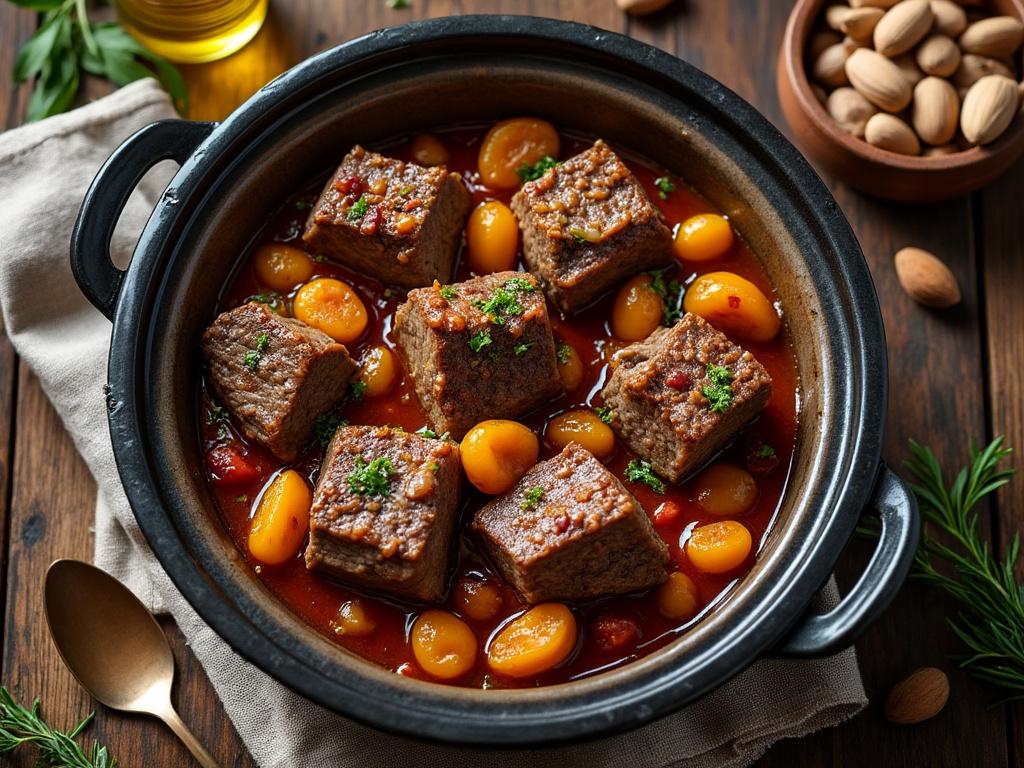
Moroccan Spiced Lamb Tagine with Apricots and Almonds
Braised lamb shoulder with saffron, dried apricots, cumin, and cinnamon — a make-ahead tagine with deep flavor and a sauce worth soaking up.
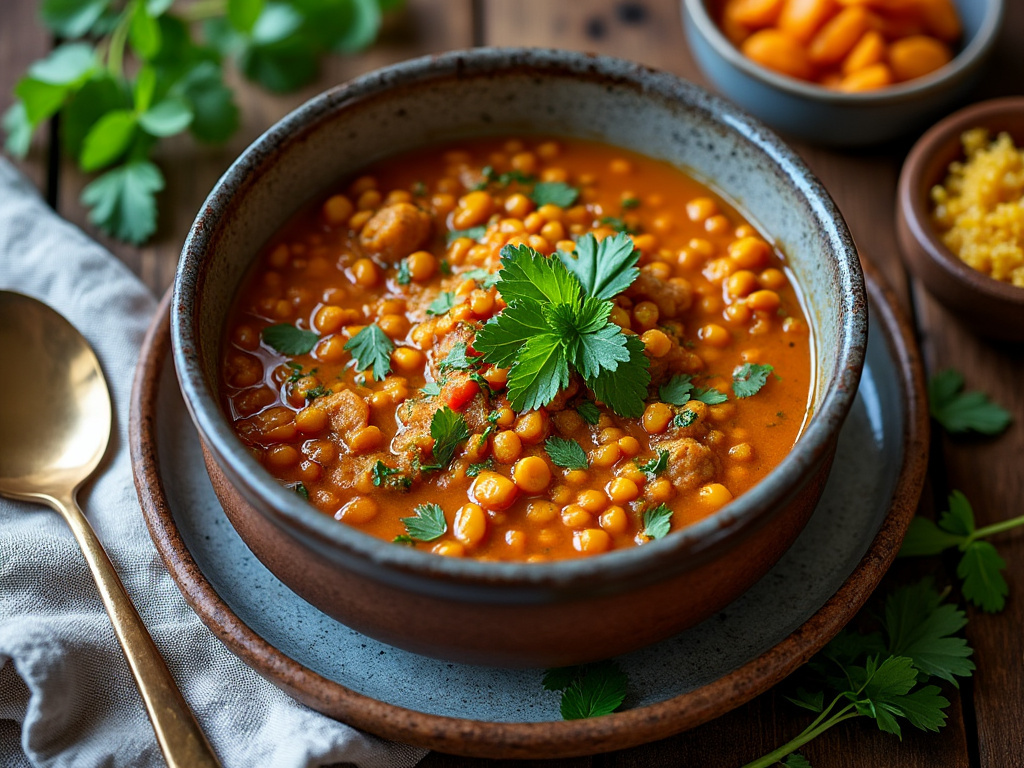
Spiced Red Lentil and Coconut Dahl with Crispy Curry Leaf Tadka
Silky red lentil dahl simmered with coconut milk and finished with a sizzling curry leaf tadka. Ready in 55 minutes, weeknight-friendly.
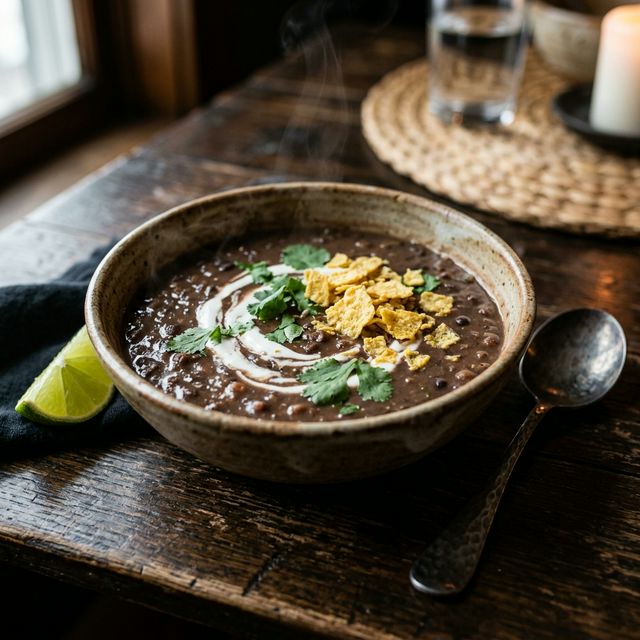
One-Pot Smoky Black Bean Soup
A thick, smoky black bean soup made in one Dutch oven in 30 minutes. Partial blending gives it a creamy-chunky texture. Great for weeknights and meal prep.