10-Minute Egg Fried Rice
Fast, crispy egg fried rice made in one wok in 10 minutes. Day-old rice, scrambled eggs, sesame oil — the technique that actually works on a home stove.
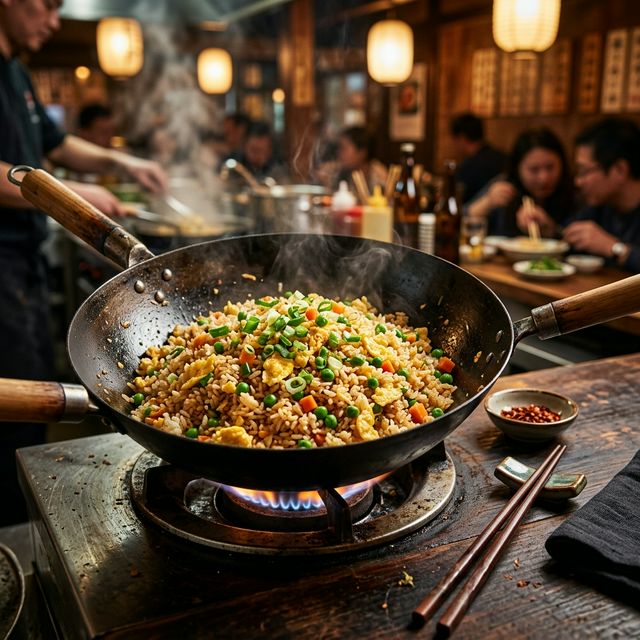
Cold, day-old rice is non-negotiable here — freshly cooked rice holds too much moisture and turns the whole pan soggy. The trick that actually makes this work is a screaming-hot wok and the patience to leave the rice alone for 30 seconds at a stretch so it develops a lightly toasted crust on the bottom before you toss it. You get that slightly chewy, faintly crispy texture with savory egg ribbons running through every bite, and the sesame oil goes in at the end so it doesn't cook off.
This is a weeknight workhorse — start to finish in 10 minutes, and it eats as a complete one-pan meal or a side next to something grilled. It's also the best use for leftover rice sitting in the back of your fridge. If your rice is clumping stubbornly, wet your hands and break it apart before it hits the wok — don't try to smash it with a spatula mid-cook or you'll get gummy pockets.
Ingredients
- ▸ 3 cups day-old cooked rice
- ▸ 3 eggs, beaten
- ▸ 3 tbsp soy sauce
- ▸ 1 tbsp sesame oil
- ▸ 2 tbsp vegetable oil
- ▸ 3 green onions, sliced
- ▸ 1 cup frozen peas and carrots
- ▸ 2 cloves garlic, minced
- ▸ 1/2 tsp white pepper
🛒 Links may earn us a small commission at no cost to you.
Recommended Gear
🛒 We may earn a small commission at no extra cost to you. We only recommend gear we'd use ourselves.
Instructions
Fry the Rice
- 1. Heat vegetable oil in a wok over high heat until smoking.
- 2. Add frozen peas and carrots. Stir-fry 1 minute.
- 3. Push vegetables to the side. Pour beaten eggs into the empty space. Scramble until just set, then break into pieces.
- 4. Add cold rice, breaking up clumps. Stir-fry 2-3 minutes until rice is hot and slightly crispy.
- 5. Add garlic, soy sauce, sesame oil, and white pepper. Toss until evenly coated.
- 6. Top with sliced green onions.
Cook's Notes
- Break up rice clumps before they hit the wok — either with your hands or by sealing it in a zip-lock bag and pressing it flat. Fighting clumps mid-cook steams the pan down and drops the temperature.
- Sesame oil burns and turns bitter at high heat. Always add it in the final toss, off or near the end of the flame, not at the beginning with the vegetable oil.
- Don't skip the green onions as a garnish — added raw at the end, they give a fresh contrast to the savory, rich base that matters more than it looks.
- Have every ingredient prepped and within arm's reach before you turn on the burner. This cooks in 5 minutes and doesn't pause for anything.
Pro Tips
- → The wok must be smoking before the vegetable oil goes in — not warm, not hot, visibly smoking. If you're not there yet, wait another 30 seconds. A lukewarm wok is why fried rice steams instead of fries.
- → When the rice hits the wok, resist the urge to stir constantly. Press it into the surface, leave it 20–30 seconds, then toss. That brief contact is what builds the faint crispy crust that separates good fried rice from cafeteria fried rice.
- → If the rice is sticking badly and scorching rather than crisping, your heat is too high for your pan's thickness or there's not enough oil. Drizzle another teaspoon of vegetable oil around the edge of the wok and toss immediately.
- → Scramble the eggs to about 80% done before the rice goes in — they'll finish in the residual heat. If they're fully cooked before the rice arrives, they'll be dry rubber by the time the dish is done.
- → Frozen peas and carrots go in first specifically because they need a full minute to thaw and release moisture before other ingredients hit the pan. Adding them later traps steam and softens everything around them.
- → If the finished dish tastes flat, the fix is almost always more soy sauce in small increments (1 teaspoon at a time), not more sesame oil. Sesame oil is a finishing flavor; soy sauce is the backbone.
What to Serve With This
Egg fried rice is rich from the egg and sesame oil, so it pairs best with something light and acidic alongside. A simple cucumber salad — just sliced cucumbers, rice vinegar, a pinch of sugar, and chili flakes — cuts right through the fat and takes about 3 minutes to throw together.
For protein, potstickers or pan-fried dumplings (Trader Joe's gyoza work fine) are the obvious move. You've already got a hot wok on the stove — fry them right after. Alternatively, a fast-seared piece of salmon glazed with a little hoisin makes this dinner-worthy without much extra effort.
On the drinks side, a cold Tsingtao or Sapporo lager is the classic call — the light bitterness keeps the richness in check. If you're skipping alcohol, jasmine tea served hot or iced does the same job. For something with a little more punch, a sparkling water with a splash of yuzu juice works surprisingly well.
Skip anything heavy and cream-based on the side. This dish already has body from the eggs and oil, and a rich soup or braised dish alongside tips it into heavy territory fast.
Variations & Substitutions
To make this gluten-free, swap the soy sauce 1:1 for tamari — Kikkoman makes a reliable gluten-free tamari that behaves identically in a hot wok. Double-check your sesame oil label too, since a few brands process in shared facilities.
For a vegan version, replace the 3 eggs with 6 oz of firm tofu crumbled into roughly egg-sized pieces and pressed dry with a paper towel first. It won't scramble the same way, but it picks up color and texture in the hot oil. Add an extra tablespoon of soy sauce to compensate for flavor depth.
To make it more substantial, fold in 1 cup of diced leftover chicken, shrimp, or char siu pork at step 4 when the rice goes in — the protein just needs to heat through. For a spicy variant, add 1 tablespoon of doubanjiang (chili bean paste) with the garlic in step 5. It shifts the whole flavor profile toward something smokier and deeper.
Scaling up: doubling to 8 servings works, but only if you cook in two batches. Crowding a wok is the single fastest way to steam everything instead of frying it. You can't rush surface area.
Frequently Asked Questions
Why does my fried rice come out mushy? ▼
Two likely causes: the rice was too fresh (still moist from cooking), or the wok wasn't hot enough before you added anything. Use rice that's been refrigerated uncovered for at least a few hours, ideally overnight. The wok should be visibly smoking before the oil goes in.
Can I use freshly cooked rice in a pinch? ▼
You can, but spread it on a sheet pan and refrigerate it uncovered for at least 30–45 minutes first to drive off surface moisture. It still won't behave as well as truly day-old rice, but it'll get you closer. Expect a slightly stickier result.
How do I store leftovers? ▼
Refrigerate in an airtight container for up to 3 days. The rice firms up further overnight, which actually makes it reheat well. Don't leave it at room temperature for more than 2 hours — cooked rice is a real food safety risk.
What's the best way to reheat it? ▼
Back in a hot skillet with a tiny splash of water and a lid for 2–3 minutes is best — it steams back to life without drying out. Microwave works too; cover with a damp paper towel and heat in 60-second intervals, stirring between each.
Can I freeze egg fried rice? ▼
Yes. Spread it flat in a zip-lock freezer bag and freeze for up to 2 months. Reheat directly from frozen in a covered skillet over medium heat with a tablespoon of water. The texture softens slightly but holds up reasonably well.
Can I make this ahead for meal prep? ▼
It reheats well, so yes — make a full batch on Sunday and portion it into containers for the week. The flavor actually deepens a little overnight. Just reheat to a full simmer before eating to make sure it's heated through.
I don't have a wok. Can I use a regular skillet? ▼
A 12-inch stainless steel or cast iron skillet works fine. Avoid nonstick — it can't handle the heat required, and you won't get any browning on the rice. The key is the same: get the pan genuinely hot before anything goes in.
Can I swap the frozen peas and carrots for something else? ▼
Yes — diced bell pepper, corn, edamame, or finely chopped cabbage all work. Just make sure whatever you use cooks fast; this isn't a recipe with time to soften dense vegetables. Pre-cooked leftovers are ideal.
Is white pepper really necessary, or can I use black? ▼
White pepper has a sharper, slightly floral heat that's traditional in Chinese-style fried rice and noticeably different from black pepper's earthier bite. It's worth buying a small jar. That said, black pepper won't ruin the dish — just use half the amount since it's more assertive.
How do I keep the eggs from overcooking? ▼
Pull them off the heat when they look slightly underdone — they'll finish cooking from the residual heat of the wok and the hot rice added right after. Overcooked eggs in fried rice turn rubbery and dry fast.
Enjoyed this recipe?
Daily Home Cookery is self-funded. If something you cooked here made dinner a little better, a coffee keeps the kitchen running.
☕ Buy me a coffeeYou Might Also Like
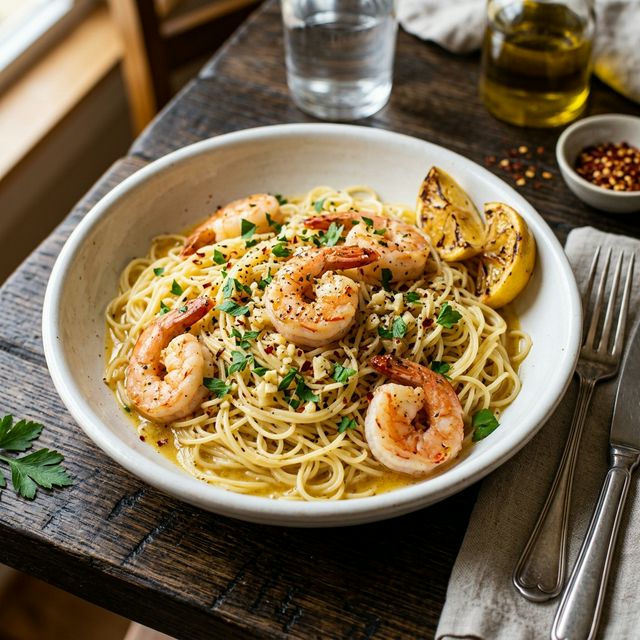
Garlic Butter Shrimp Scampi
Ready in 18 minutes, this shrimp scampi uses white wine, lemon, and a double butter technique for a glossy sauce that clings to angel hair pasta.
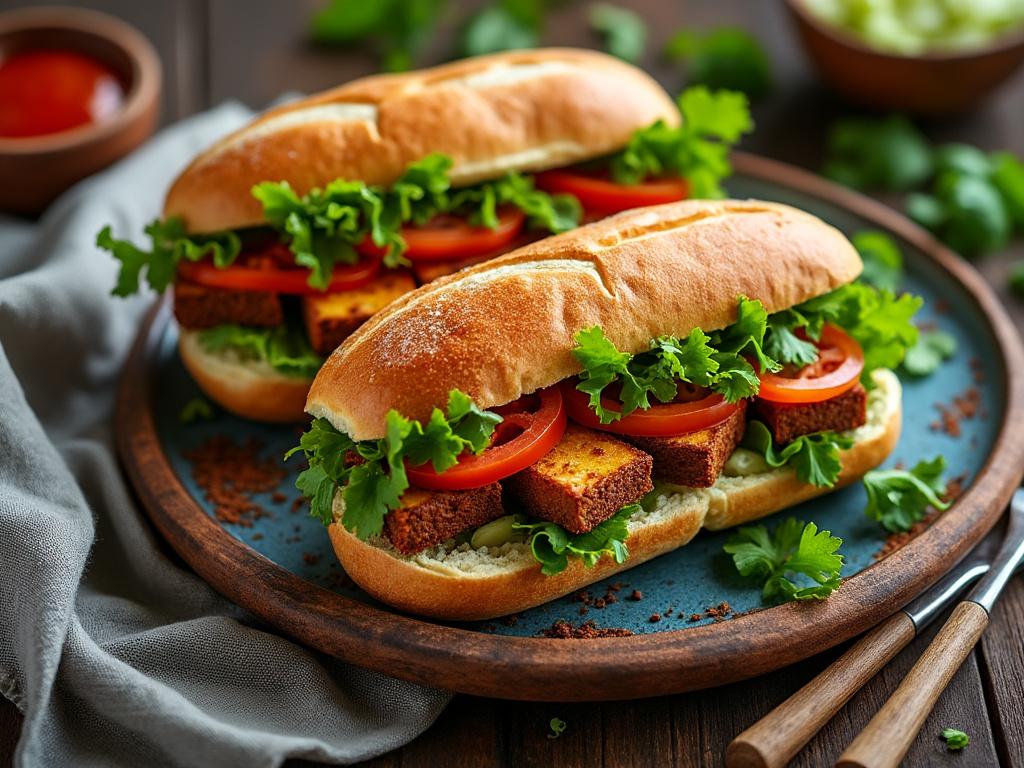
Crispy Tofu Banh Mi Sandwiches
Cornstarch-crusted pan-seared tofu, quick-pickled daikon and carrots, sriracha mayo, cilantro, and jalapeño on a crusty roll. Ready in 35 minutes.
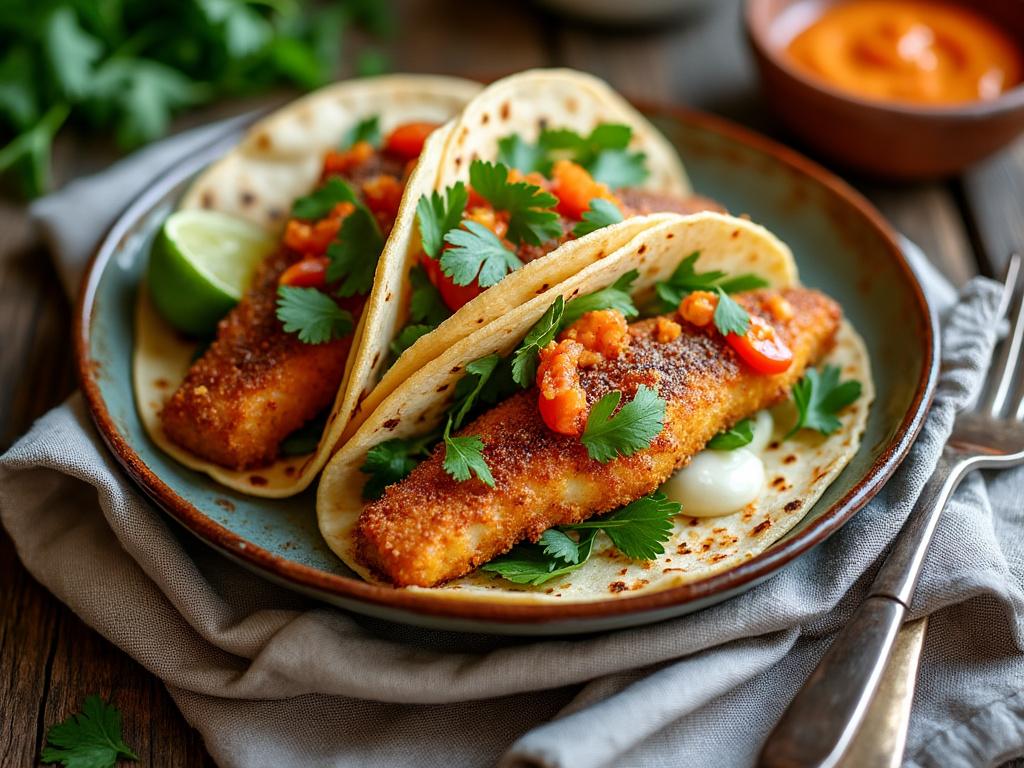
Crispy Fish Tacos with Chipotle Crema
Crispy double-dredged cod or mahi-mahi tacos with a smoky chipotle crema. Ready in 27 minutes — weeknight-fast with real crunch.