Skillet Pork Chops with Apple-Cider Pan Sauce
Bone-in pork chops seared golden, finished in a tangy apple-cider Dijon pan sauce. Ready in 30 minutes with one skillet.
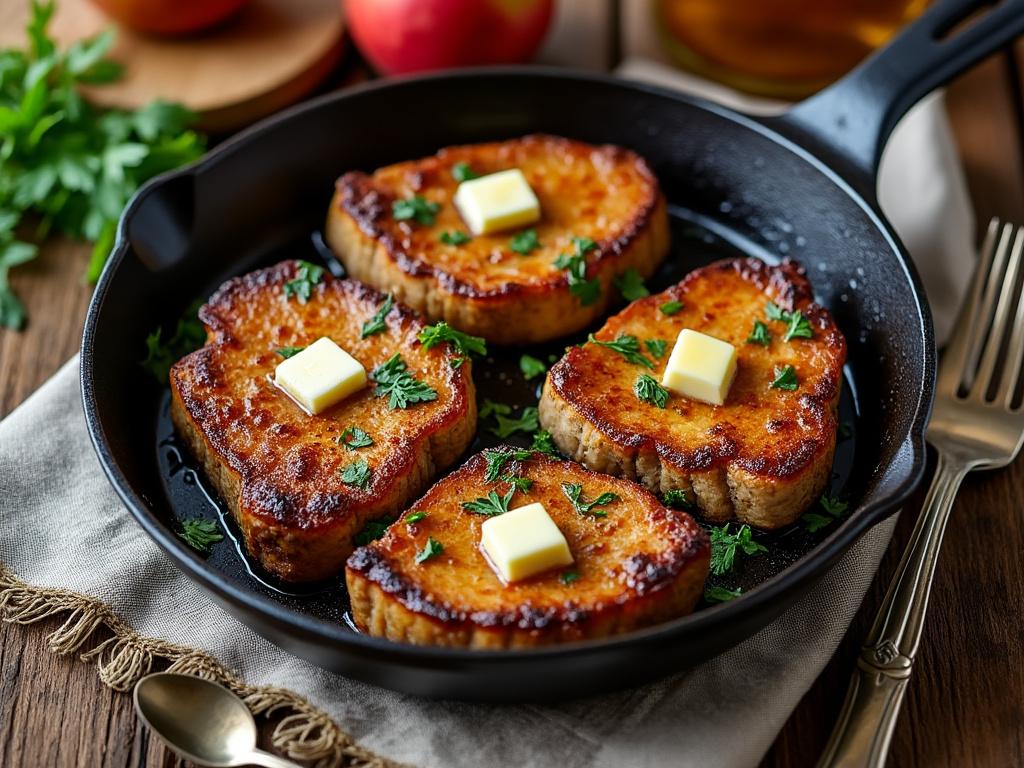
A bone-in pork chop seared hard in a cast-iron or stainless skillet and finished with a pan sauce built from apple cider and Dijon is a reliable 30-minute dinner that doesn't taste like one. The technique doing the heavy lifting here is the fond — those dark, stuck bits left in the pan after searing. When you deglaze with cider and broth, those bits dissolve into the sauce and give it depth you can't get from adding ingredients cold. The result is a savory-tart sauce with mild heat from red pepper flakes, balanced by cold butter stirred in off heat to make it glossy and just thick enough to coat the chops. This is a weeknight dinner, full stop — not precious enough for a dinner party centerpiece but too good for a Tuesday to feel like a compromise. If your sauce reduces too fast and turns syrupy before you've finished whisking in the butter, pull the pan off the heat and add a splash of broth to loosen it before proceeding.
Ingredients
- ▸ 4 bone-in pork chops, 1 inch thick
- ▸ 1 tsp kosher salt
- ▸ 1/2 tsp black pepper
- ▸ 2 tbsp olive oil
- ▸ 3 tbsp unsalted butter, divided
- ▸ 2 medium shallots, minced
- ▸ 1 cup apple cider
- ▸ 1/2 cup chicken broth
- ▸ 2 tbsp fresh thyme leaves
- ▸ 1 tbsp Dijon mustard
- ▸ 1/2 tsp red pepper flakes
🛒 Links may earn us a small commission at no cost to you.
Recommended Gear
🛒 We may earn a small commission at no extra cost to you. We only recommend gear we'd use ourselves.
Instructions
Sear the Pork
- 1. Pat the pork chops dry with paper towels. Season both sides generously with salt and pepper.
- 2. Heat olive oil in a 12-inch skillet over medium-high heat until shimmering, about 2 minutes.
- 3. Sear the pork chops for 5-6 minutes per side until golden brown and an internal thermometer reads 145°F. Transfer to a clean plate.
Build the Sauce
- 1. Reduce heat to medium. Add 1 tbsp butter to the skillet drippings.
- 2. Add minced shallots and cook for 2 minutes, stirring constantly, until softened and fragrant.
- 3. Pour in apple cider and chicken broth, scraping the bottom of the pan with a wooden spoon to release browned bits. Simmer for 4-5 minutes until reduced by half.
- 4. Whisk in Dijon mustard, red pepper flakes, and thyme. Remove from heat and stir in remaining 2 tbsp butter until the sauce is glossy.
- 5. Return pork chops to the skillet to coat in sauce. Serve immediately.
Cook's Notes
- Pat the chops completely dry before seasoning — surface moisture is the enemy of a good sear. Even 30 seconds with paper towels makes a real difference.
- Pull the pork chops off the heat at exactly 145°F. Carryover heat will bring them up another 3-5°F while they rest on the plate during sauce-building.
- Use a wooden spoon or flat-edged spatula to scrape the fond when deglazing — don't rush this step. Those browned bits are where the sauce gets its backbone.
- The butter must go in off the heat and be stirred constantly. If the pan is too hot when you add it, the butter will break and the sauce will look greasy instead of glossy.
Pro Tips
- → Let the chops sit at room temperature for 15 minutes before cooking. Cold meat hitting a hot pan drops the skillet temperature fast and you lose the sear.
- → Don't move the chops during the first 3 minutes of searing. If they stick when you try to flip, they're not ready — a properly seared chop releases cleanly from the pan.
- → If your shallots start browning too fast in the drippings, that's a sign your heat is too high. Add the butter first and let it cool the pan slightly before adding the shallots — burned shallots will make the whole sauce taste bitter.
- → For the sauce to properly emulsify, remove the skillet fully from the burner before adding the final 2 tablespoons of butter. Cut the butter into small pieces and swirl or whisk constantly until each piece disappears before adding the next.
- → If the sauce breaks (looks oily and separated), add 1 teaspoon of cold water and whisk vigorously off heat — this usually brings it back together. If that doesn't work, a small splash of cold broth whisked in will rescue it.
- → Taste the sauce before returning the chops to the pan. If it's too sweet from the cider, add a small squeeze of lemon juice or a splash more broth. The Dijon adds saltiness, so hold off on adding more salt until after you've whisked it in.
What to Serve With This
Roasted or mashed potatoes are the obvious move here, and they're obvious for good reason — the apple-cider sauce has enough acidity and sweetness to need something starchy underneath it. Smashed potatoes roasted in olive oil until crispy give the sauce something to pool into. A simple potato gratin works just as well if you have the oven running anyway.
Sautéed or roasted Brussels sprouts or braised cabbage echo the fall flavor profile without fighting the apple in the sauce. Avoid anything with a lot of competing sweetness — glazed carrots or candied squash will push the dish too far in one direction. A quick-wilted kale with garlic and lemon is a cleaner counterpoint.
For wine, go with a dry, medium-bodied red with some earthiness — a Côtes du Rhône, an entry-level Pinot Noir, or an unoaked Gamay all work. The mustard and thyme in the sauce handle the tannins fine. If you'd rather drink something without alcohol, a dry sparkling apple cider (not sweet) mirrors the pan sauce without clashing.
A simple green salad dressed with a sherry vinaigrette rounds out the plate and cuts through the butter in the sauce. Don't overthink the bread — a crusty baguette or sourdough slice is there for one reason: wiping the skillet clean.
Variations & Substitutions
To make this dairy-free, replace the 3 tablespoons of butter entirely with a high-quality vegan butter like Miyoko's. The sauce will still emulsify and go glossy — just make sure it's fully off the heat when you stir it in. Avoid coconut oil here; it won't behave the same way and will leave a noticeable flavor.
For a gluten-free version, this recipe is already compliant as written — just verify your Dijon mustard label (some brands use trace amounts of wheat). Grey Poupon and Maille are reliably gluten-free, but always check the current label.
If you want a deeper, more savory sauce, substitute 1/4 cup of the apple cider with hard apple cider or a dry white wine like Sauvignon Blanc. The alcohol burns off during the simmer and leaves a more complex base. For a smoky variation, add 1/2 teaspoon of smoked paprika with the shallots and swap the thyme for fresh sage.
To scale up to 8 servings, sear the chops in two separate batches — don't crowd the pan or you'll steam instead of sear. Build the sauce once, doubling the cider, broth, and aromatics. The butter at the finish should scale proportionally to 4 tablespoons. If you're scaling down to 2 servings, halve everything but keep the cook time on the chops the same — thickness, not quantity, determines that.
Frequently Asked Questions
How do I store leftover pork chops and sauce? ▼
Store chops and sauce together in an airtight container in the refrigerator for up to 3 days. Keeping them together helps prevent the pork from drying out. The sauce will solidify slightly when cold due to the butter — that's normal.
What's the best way to reheat these without drying out the pork? ▼
Reheat low and slow. Place chops and sauce in a covered skillet over medium-low heat with a splash of chicken broth added to the pan. Heat until warmed through, about 5-7 minutes, flipping once. Avoid the microwave if you can — it toughens the pork quickly.
Can I make the sauce ahead of time? ▼
Yes — the sauce can be made up to 2 days ahead and refrigerated separately. Reheat it gently in a small saucepan over low heat, whisking to bring it back together. Don't boil it after the butter has been incorporated or the sauce will break.
Can I freeze this dish? ▼
The pork chops freeze adequately for up to 2 months, but the butter-based pan sauce does not freeze well — it will separate on reheating. If you're planning to freeze, cook and freeze the chops without sauce, then make a fresh batch of sauce when you reheat.
Can I use boneless pork chops instead of bone-in? ▼
You can, but reduce the cook time. Boneless chops at 1 inch thick typically hit 145°F in 3-4 minutes per side rather than 5-6. Watch your thermometer closely — boneless chops have less fat and overcook faster.
What can I use instead of apple cider? ▼
Unfiltered apple juice works in a pinch but is sweeter, so reduce it to 3/4 cup and increase the broth to 3/4 cup to compensate. Hard cider (dry style) is also a good swap and adds a subtle complexity. Do not use sweetened sparkling cider — it will make the sauce cloying.
My sauce didn't thicken — what happened? ▼
It likely didn't reduce long enough. The simmer step needs a full 4-5 minutes at a true simmer (small, steady bubbles — not just steam). If it's still thin after that, let it go another 2 minutes before adding the butter. The butter at the end adds body but won't rescue a sauce that hasn't reduced.
Can I use dried thyme instead of fresh? ▼
Yes — use 3/4 teaspoon of dried thyme in place of 2 tablespoons fresh. Add it with the shallots rather than at the end of cooking so it has time to hydrate and bloom in the fat.
What skillet works best for this recipe? ▼
A 12-inch stainless steel or cast-iron skillet is ideal — both retain heat well and develop a proper fond. Avoid nonstick for this recipe; the coating limits browning and you'll get a weaker sauce because there's less fond to deglaze.
Is there a way to make this without alcohol concerns from hard cider? ▼
Standard apple cider sold in the refrigerated section of most grocery stores is non-alcoholic — it's just cold-pressed, unfiltered apple juice. That's what this recipe uses. If you specifically bought hard cider by accident, you can substitute equal parts regular apple cider.
Enjoyed this recipe?
Daily Home Cookery is self-funded. If something you cooked here made dinner a little better, a coffee keeps the kitchen running.
☕ Buy me a coffeeYou Might Also Like
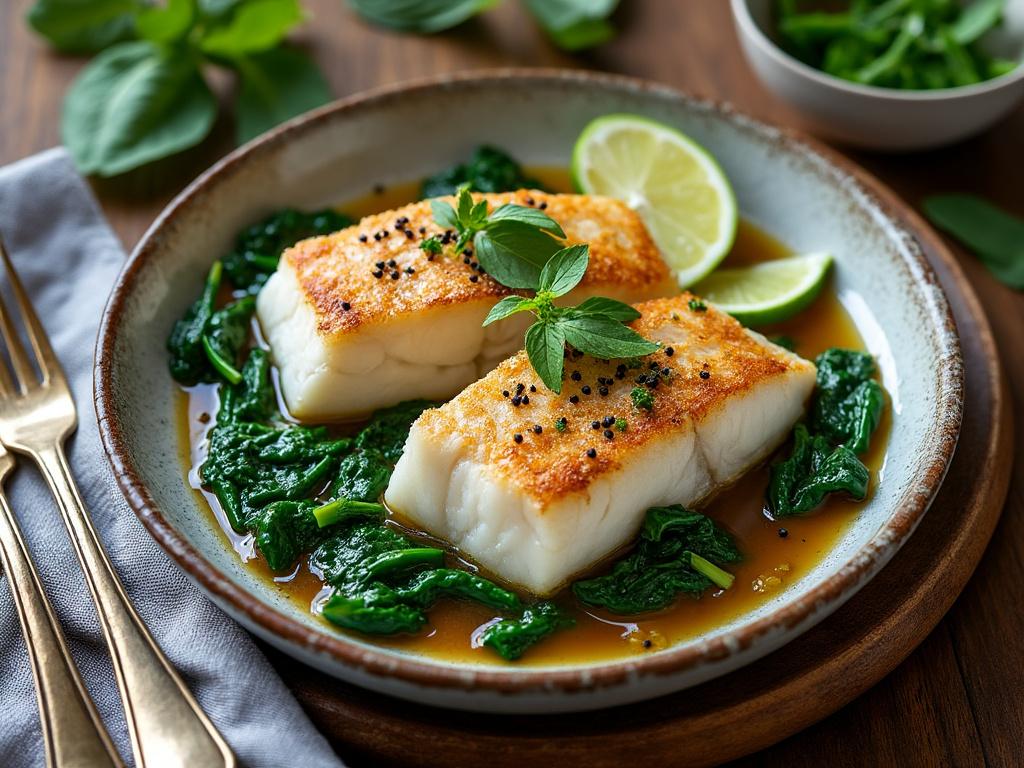
Coconut-Braised Cod with Ginger, Lime, and Wilted Spinach
Flaky cod braised in ginger-lime coconut milk with wilted spinach. Ready in 40 minutes — weeknight dinners don't get more satisfying.
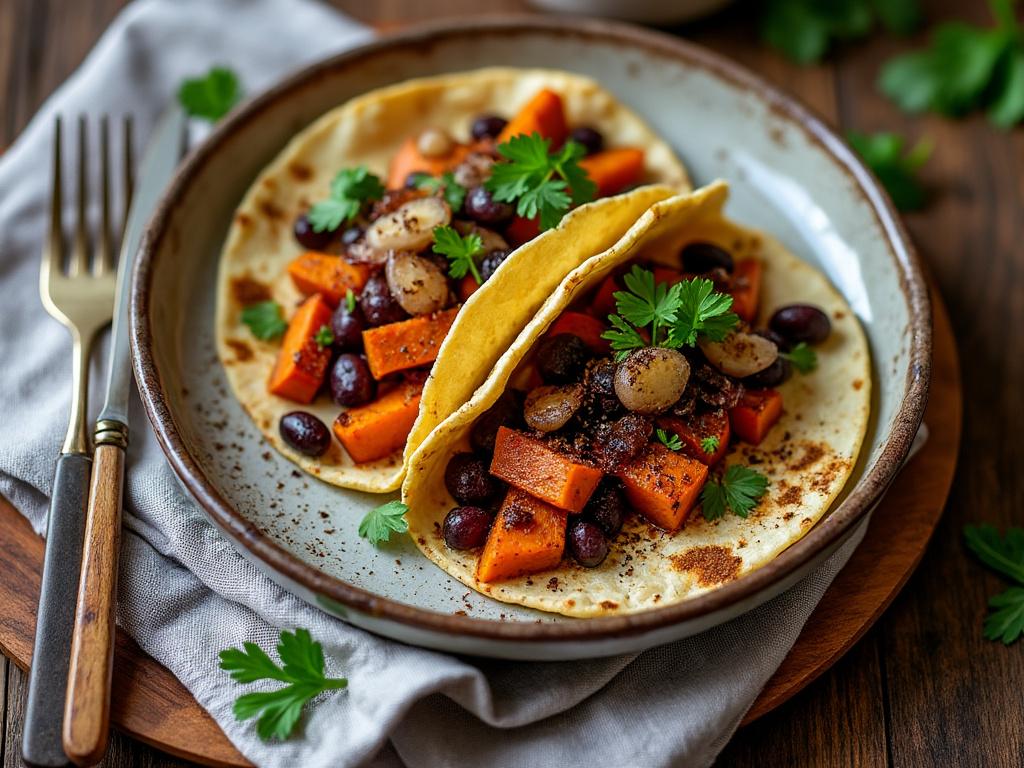
Spiced Sweet Potato and Black Bean Tacos with Crispy Shallots
Sweet potato wedges roasted at 425°F, smoky black beans, and golden fried shallots — a weeknight vegetarian taco with real texture contrast.

Crispy Sheet Pan Lemon Garlic Chicken with Roasted Vegetables
One pan, 45 minutes: crispy lemon garlic chicken with roasted potatoes, broccoli, and blistered tomatoes finished with balsamic. Real weeknight cooking.