15-Minute Lemon Herb Pasta
Spaghetti tossed in a glossy lemon-garlic pan sauce with parmesan and fresh herbs. Ready in 15 minutes from pantry staples.
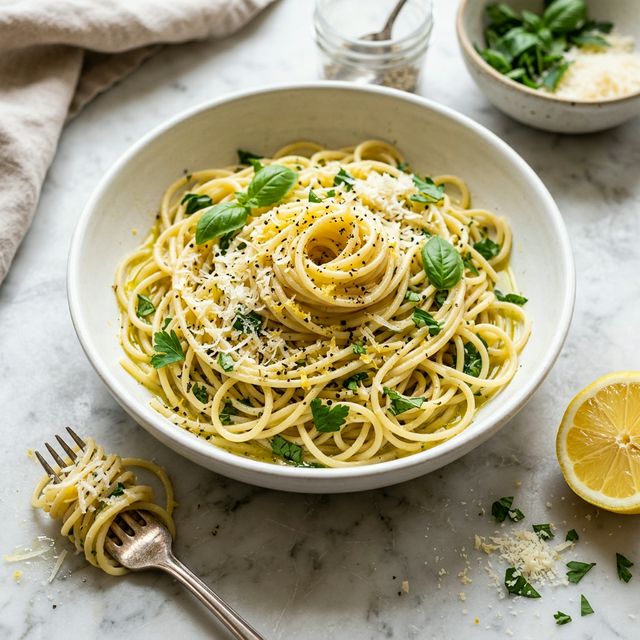
This pasta comes together faster than delivery, and the technique is worth understanding: you're building an emulsified pan sauce from starchy pasta water, olive oil, lemon juice, and parmesan — not just tossing noodles in dressing. That vigorous toss at the end, with the heat on medium-low, is what makes the sauce glossy and clingy instead of greasy and loose. The result is bright and sharp from the lemon, with a low hum of heat from the pepper flakes and enough richness from the parmesan to feel like a real meal. It's a weeknight workhorse — on the table in 15 minutes with pantry staples — but it also holds its own when you have people over and need something that looks intentional without much effort. If the sauce looks too tight and sticky rather than silky, splash in another tablespoon or two of pasta water and toss again off the heat.
Ingredients
- ▸ 12 oz spaghetti or linguine
- ▸ 3 tbsp extra virgin olive oil
- ▸ 4 cloves garlic, thinly sliced
- ▸ 1/4 tsp red pepper flakes
- ▸ 1 large lemon, zested and juiced
- ▸ 1/2 cup freshly grated parmesan
- ▸ 1/4 cup fresh basil, torn
- ▸ 2 tbsp fresh parsley, chopped
- ▸ Salt and pepper to taste
🛒 Links may earn us a small commission at no cost to you.
Recommended Gear
🛒 We may earn a small commission at no extra cost to you. We only recommend gear we'd use ourselves.
Instructions
Cook the Pasta
- 1. Bring a large pot of generously salted water to a boil. Cook pasta according to package directions until al dente.
- 2. Before draining, reserve 1 cup of starchy pasta water. You'll use about half.
Build the Sauce
- 1. While pasta cooks, heat olive oil in a large skillet over medium heat.
- 2. Add sliced garlic and red pepper flakes. Cook for 60-90 seconds until garlic is just golden — not brown.
- 3. Remove from heat and add lemon juice (careful, it will sizzle).
Toss & Serve
- 1. Add drained pasta directly to the skillet. Return to medium-low heat.
- 2. Add lemon zest, half the parmesan, and 1/4 cup pasta water. Toss vigorously for 1 minute until the sauce is glossy and coats the pasta.
- 3. Add more pasta water if needed for consistency. Season with salt and pepper.
- 4. Remove from heat, toss in fresh basil and parsley. Top with remaining parmesan.
Cook's Notes
- Salt your pasta water aggressively — it should taste like mild seawater. This is the only chance to season the pasta itself, and under-salted pasta makes the whole dish taste flat no matter how good the sauce is.
- Slice the garlic thin and even so every piece finishes at the same time. Thick uneven slices mean some will be raw while others burn, and burnt garlic is bitter and can't be fixed.
- Tear the basil rather than chopping it — the torn edges release more aroma and the irregular pieces distribute better through the pasta.
- Have everything prepped before the garlic hits the pan. The garlic window (60–90 seconds to golden) moves fast, and you don't want to be juicing a lemon while it burns.
Pro Tips
- → Pull the pasta from the water 60 seconds before the package says it's done — it finishes cooking in the skillet with the sauce. If you drain it at full doneness, it will be overcooked by the time you eat it.
- → The garlic goes in cold oil, not hot. Starting in cold oil and heating together gives you more control and a gentler, more even golden color. If you add garlic to already-hot oil, the outside browns before the inside softens.
- → When you add the lemon juice to the hot skillet, take the pan off the burner first. The sizzle is dramatic and the steam will carry the volatile lemon aromatics away fast — getting the pan off heat for a moment preserves more of that brightness in the sauce.
- → Use a large skillet, at least 12 inches. You need enough surface area to toss 12 oz of cooked pasta without it piling up and steaming. A saucepan or small skillet will leave you with uneven coating and pasta stuck to the bottom.
- → Grate the parmesan fresh and fine — a Microplane or the smallest holes on a box grater. Coarser grated parmesan won't melt smoothly into the sauce at medium-low heat and you'll end up with clumps instead of a unified coating.
- → If the sauce tightens too much and starts to look gluey rather than glossy, you've overcooked it or used too much pasta water at once. Pull the pan off the heat immediately and add a small drizzle of fresh olive oil while tossing — it loosens the texture and adds a fresh finish.
What to Serve With This
A simple arugula salad dressed with just lemon juice and olive oil is the smartest side here — it echoes the lemon without competing, and the peppery bite of arugula cuts through the richness of the parmesan. Keep it plain: no nuts, no cheese, no distractions.
Garlic bread is the obvious move, but it doubles down on garlic in a way that can overwhelm the dish. Instead, serve a crusty sourdough or a plain ciabatta alongside — something that can soak up the lemony oil pooling at the bottom of the bowl without adding more alliums.
For wine, reach for a dry, high-acid white. Pinot Grigio from Friuli or a Vermentino from Sardinia both have the citrus backbone to match the lemon and enough minerality to not clash with the parmesan. Avoid oaky Chardonnay — the butteriness fights the dish. If you're skipping alcohol, sparkling water with a lemon wedge works better than juice; anything sweet will make the dish taste flat.
If you're serving this as a first course before grilled fish or chicken, cut the portions to about 2 oz dry pasta per person. The brightness of this dish primes the palate well, but a full serving will leave no room for whatever comes next.
Variations & Substitutions
To make this gluten-free, swap in a rice-based spaghetti like Jovial or Barilla Gluten Free. Cook it about 30 seconds shy of the package time — rice pasta goes from al dente to mushy fast — and use the pasta water immediately; it thickens more aggressively than wheat pasta water, so start with 2 tablespoons and add more as needed.
For a dairy-free version, skip the parmesan entirely and add 2 tablespoons of nutritional yeast plus an extra tablespoon of olive oil. The sauce won't emulsify quite as tightly, but the flavor is still bright and satisfying. A sprinkle of toasted breadcrumbs on top adds the textural contrast the parmesan usually provides.
Want to add protein without changing the core dish? Four ounces of small shrimp cooked in the garlic oil before you add the lemon juice works cleanly — they take about 90 seconds per side. Alternatively, a soft-boiled or jammy egg halved on top of each bowl adds richness and makes this feel more substantial.
For a seasonal fall or winter variation, replace the fresh basil with a tablespoon of fresh thyme leaves and add a handful of wilted baby spinach when you toss the pasta. The lemon still anchors everything, but the flavor reads warmer and more grounded. Scaling to 2 servings: use 6 oz pasta, 1.5 tbsp oil, 2 garlic cloves, and juice from half a lemon.
Frequently Asked Questions
Can I make this ahead of time? ▼
This dish is best eaten immediately — the emulsified sauce breaks as it sits and the pasta absorbs the liquid. If you need to prep ahead, cook the pasta, toss it with a tiny bit of olive oil to prevent sticking, and refrigerate it separately. Make the garlic-lemon oil fresh when you're ready to serve; it takes under 2 minutes.
How do I store leftovers? ▼
Store in an airtight container in the refrigerator for up to 2 days. The pasta will absorb most of the sauce overnight. Add a splash of water or olive oil when reheating to loosen it back up.
What's the best way to reheat this? ▼
Reheat in a skillet over medium-low heat with 2–3 tablespoons of water, tossing frequently until warmed through and the sauce re-emulsifies slightly. Microwaving works in a pinch but results in uneven heating and a greasier texture.
Can I freeze this pasta? ▼
No. The sauce doesn't survive freezing — it separates completely and the pasta texture deteriorates. This recipe is too fast to bother with freezing; just make it fresh.
Can I use dried herbs instead of fresh basil and parsley? ▼
For the parsley, dried will work in a pinch — use 2 teaspoons dried and add it when you add the lemon zest so it has time to bloom. For the basil, dried is a poor substitute here; the torn fresh leaves add a floral brightness that dried basil simply doesn't deliver. If you don't have fresh basil, skip it rather than substituting.
What if I don't have parmesan? ▼
Pecorino Romano works well and adds a saltier, sharper edge — use about 30% less since it's more intense. Grana Padano is a milder swap that works almost identically to parmesan. Pre-grated shelf-stable parmesan from a canister won't melt smoothly and will make the sauce grainy; avoid it.
Why do I need to reserve pasta water? ▼
The starch in pasta water acts as an emulsifier, helping the olive oil and lemon juice form a cohesive sauce rather than separating. Plain water doesn't have this starch and won't give you the same glossy result. The instructions call for about half a cup, but always save a full cup as insurance.
Can I use bottled lemon juice? ▼
You can, but the flavor will be noticeably flatter — bottled juice lacks the volatile compounds that make fresh lemon sharp and aromatic. At minimum, use fresh zest even if you use bottled juice; the zest carries most of the lemon's brightness.
Can I double this recipe? ▼
Yes, but use two separate skillets rather than one large one. Overcrowding the pan means the pasta steams instead of tossing properly, and the sauce won't coat evenly. Reserve 2 cups of pasta water total and proceed with each batch separately.
My sauce looks oily and broken — what happened? ▼
The most common cause is adding the pasta water too slowly or not tossing vigorously enough. To rescue it, remove the skillet from heat, add 2 tablespoons of pasta water, and toss hard for 30–45 seconds. The emulsion usually comes back together. Make sure you're using freshly grated parmesan, not pre-shredded, which contains anti-caking agents that prevent proper melting.
Enjoyed this recipe?
Daily Home Cookery is self-funded. If something you cooked here made dinner a little better, a coffee keeps the kitchen running.
☕ Buy me a coffeeYou Might Also Like
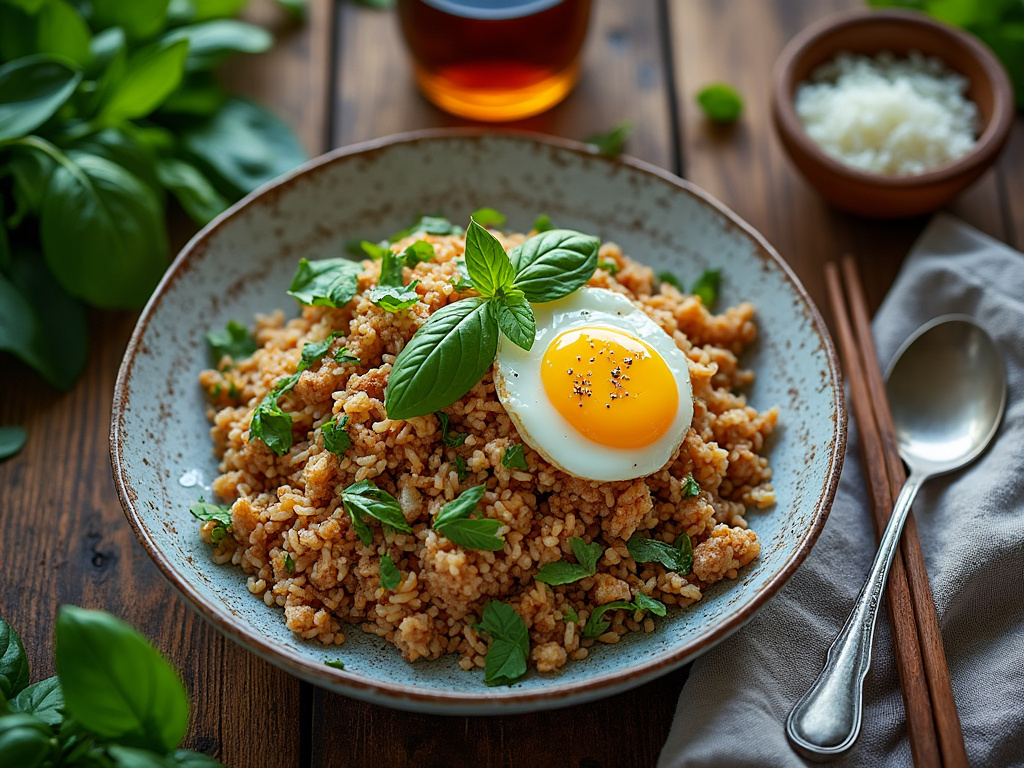
Thai Basil Pork Fried Rice with Crispy Shallots and Runny Egg
High-heat Thai basil pork fried rice with ground pork, fish sauce, and crispy shallots — weeknight dinner in 35 minutes.
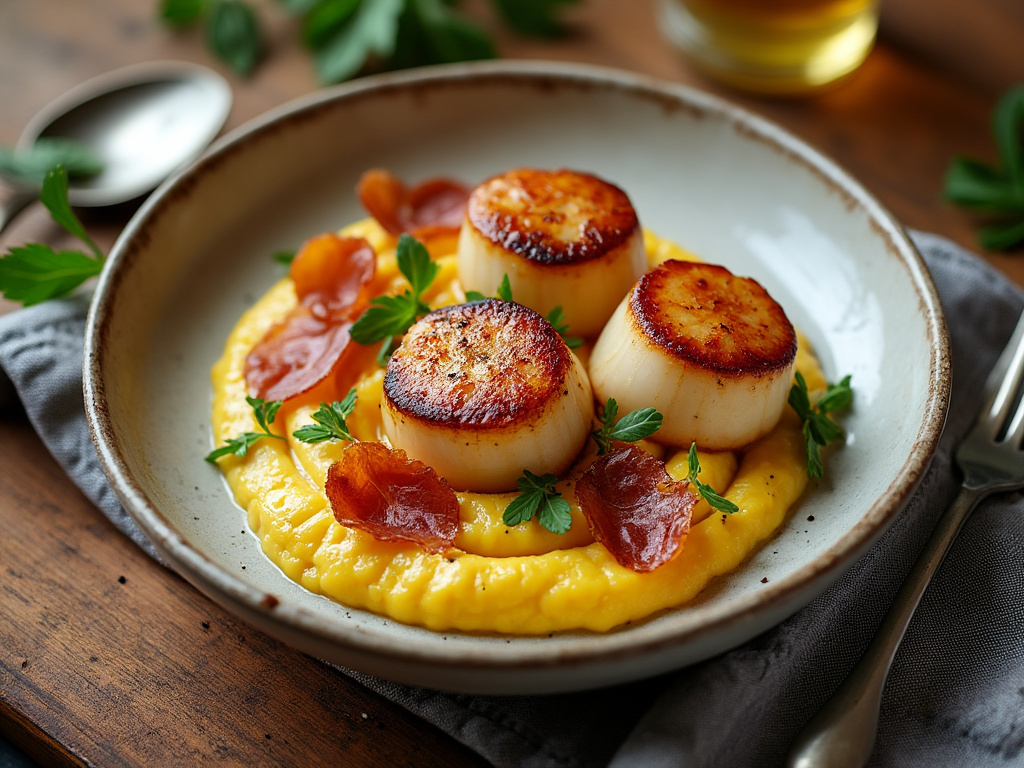
Brown Butter Scallops with Sweet Corn Purée and Crispy Prosciutto
Perfectly seared scallops on sweet corn purée with crispy prosciutto and brown butter — an elegant dinner in under 45 minutes.
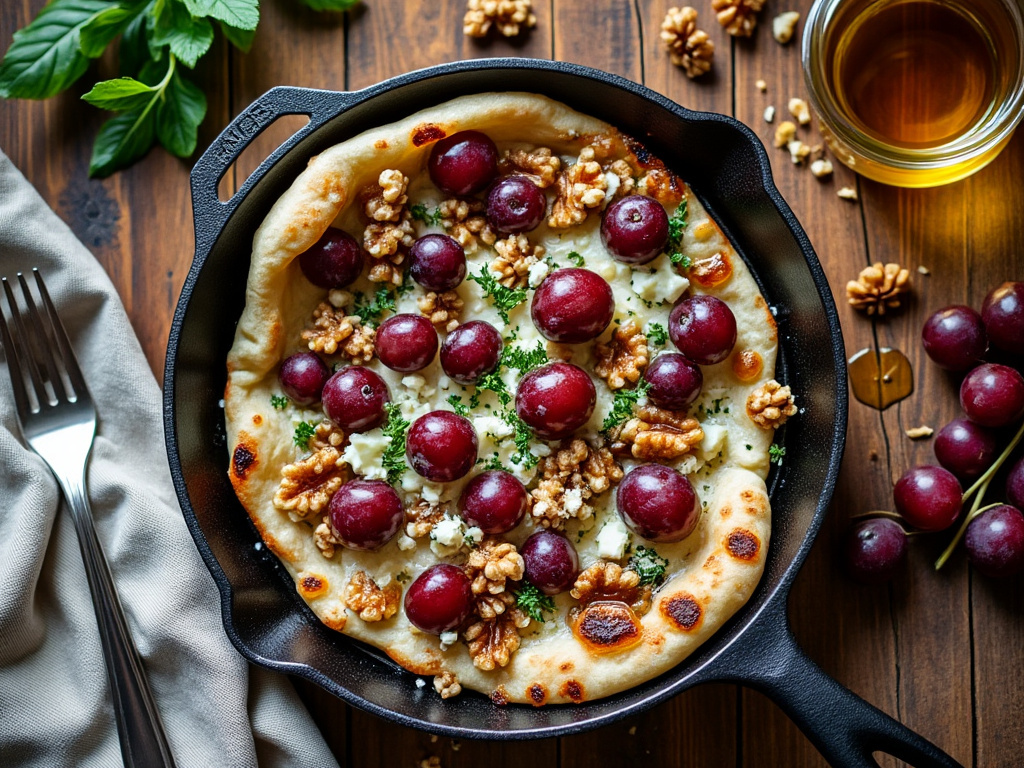
Skillet-Roasted Grape and Gorgonzola Flatbread with Honey and Walnuts
Blistered grapes, creamy Gorgonzola, and toasted walnuts on crispy skillet flatbread — ready in 45 minutes. A stunning weeknight dinner or dinner-party starter.