Garlic Butter Shrimp Scampi
Ready in 18 minutes, this shrimp scampi uses white wine, lemon, and a double butter technique for a glossy sauce that clings to angel hair pasta.
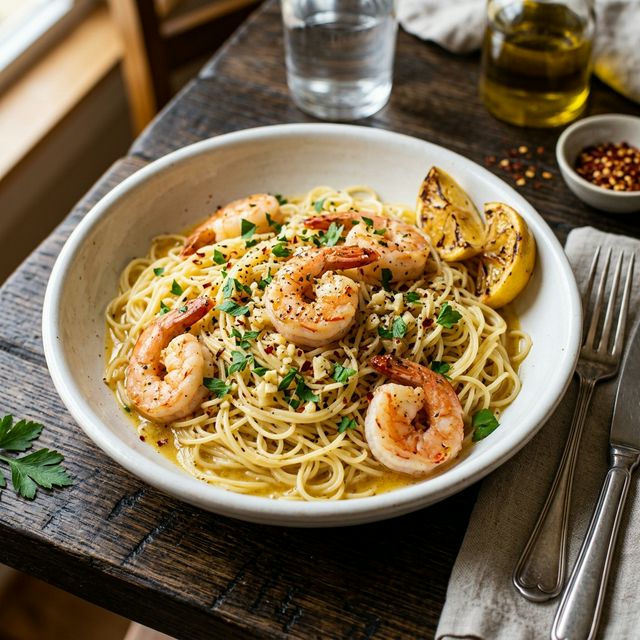
Shrimp scampi is one of those dishes that looks like you tried harder than you did. The whole thing comes together in about 8 minutes once your pasta water is boiling, which makes it genuinely useful on a Tuesday night when you don't have a plan. The move that holds this recipe together is pulling the shrimp out of the pan before building the sauce — overcooked shrimp is the single biggest failure mode here, and returning them at the end means they finish gently in residual heat rather than turning rubbery in a hot skillet. You get tender shrimp, a glossy lemon-butter sauce with just enough heat from the red pepper flakes, and angel hair that absorbs every bit of it. This is a weeknight dinner, not a dinner party showstopper — though it will work for either. If your sauce looks greasy instead of emulsified, add a splash of the reserved pasta water and toss aggressively off the heat until it comes together.
Ingredients
- ▸ 1 lb large shrimp, peeled and deveined
- ▸ 4 tbsp butter
- ▸ 4 cloves garlic, minced
- ▸ 1/4 cup dry white wine
- ▸ Juice of 1 lemon
- ▸ 1/4 tsp red pepper flakes
- ▸ 8 oz angel hair pasta
- ▸ 2 tbsp fresh parsley, chopped
- ▸ Salt and pepper to taste
- ▸ 2 tbsp olive oil
🛒 Links may earn us a small commission at no cost to you.
Recommended Gear
🛒 We may earn a small commission at no extra cost to you. We only recommend gear we'd use ourselves.
Instructions
Cook the Pasta
- 1. Cook angel hair pasta according to package directions. Reserve 1/2 cup pasta water before draining.
Make the Scampi
- 1. Heat olive oil and 2 tbsp butter in a large skillet over medium-high heat.
- 2. Add shrimp in a single layer, season with salt and pepper. Cook 2 minutes per side until pink. Remove to a plate.
- 3. Add remaining butter and garlic. Cook 30 seconds until fragrant.
- 4. Pour in wine and lemon juice. Let bubble 1 minute.
- 5. Return shrimp to pan, add red pepper flakes and drained pasta. Toss to coat, adding pasta water if needed.
- 6. Garnish with fresh parsley.
Cook's Notes
- Reserve the pasta water before you drain — once it's gone, it's gone, and a starchy splash is the easiest way to fix a sauce that won't cling.
- Angel hair cooks in 2-3 minutes, so start it after you've prepped the shrimp and have your sauce ingredients measured and ready to go. It waits for no one.
- Use a wine you'd actually drink. Cooking wine has added salt and tastes like it.
- Dry your shrimp with paper towels right before they hit the pan. Wet shrimp = steamed shrimp = pale and soft instead of lightly golden.
- Fresh parsley at the end isn't just garnish — it adds a clean, grassy note that balances the butter. Don't skip it or sub dried.
Pro Tips
- → Don't walk away during the garlic step. Thirty seconds at medium-high is all it takes between fragrant and burnt, and burnt garlic means starting over — the bitterness doesn't cook out.
- → The shrimp go in cold-ish from the fridge, not room temperature. Cold protein hitting a hot pan gives you a better sear before the interior overcooks.
- → Let the wine bubble for a full minute before returning the shrimp. This cooks off the harsh alcohol edge and concentrates the flavor — rushing this step leaves a raw wine taste in the sauce.
- → If your pasta finishes before the sauce is ready, toss it with a tiny drizzle of olive oil to keep it from clumping, but don't wait long — angel hair glues itself together fast.
- → Medium-high heat is correct for the shrimp sear, but drop it to medium when you add the garlic and butter. Butter burns quickly at high heat, and you need those 30 seconds to be controlled.
- → Taste the sauce before you add the pasta back in. Lemon acidity varies by fruit — if it's too sharp, a small pinch of sugar rounds it out. If it's flat, add a few more drops of lemon.
What to Serve With This
Angel hair is already in the bowl, so keep the sides simple. A crisp green salad with radicchio, shaved parmesan, and a lemon vinaigrette mirrors the acidity in the sauce without competing. Avoid anything creamy on the side — you already have butter doing that work in the pan.
Bread is non-negotiable for sauce mopping. A sliced ciabatta loaf brushed with olive oil and run under the broiler for 2 minutes does exactly what you need. Sourdough works too, but skip anything with a very thick crust — you want something that can soak without falling apart.
For wine, reach for the same dry white you cooked with. Pinot Grigio or a Muscadet are the reliable calls — both have enough acidity to cut the butter without adding sweetness. If you're opening a bottle of Sauvignon Blanc, that works. Avoid oaked Chardonnay; the butterscotch notes fight the lemon. For a non-alcoholic option, sparkling water with a squeeze of lemon and a few drops of white wine vinegar gives you the brightness you're looking for at the table.
A light lager or pilsner — something like Modelo Especial or Peroni — also pairs cleanly if beer is what you're after. The carbonation resets the palate between bites of the buttery pasta.
Variations & Substitutions
To make this gluten-free, swap the angel hair for a rice-based pasta like Jovial brand fettuccine, which holds up better than most rice pastas. Cook it slightly under the package time since it'll finish in the pan. The sauce itself needs no changes.
For a dairy-free version, replace the 4 tablespoons of butter with 3 tablespoons of good olive oil plus 1 tablespoon of vegan butter (Miyoko's works well here for flavor). The sauce will be a bit thinner and less silky, but the garlic and lemon still carry it. Don't skip the pasta water — it's doing more emulsification work than usual.
Vegetarians can swap the shrimp for large sea scallops cut in half, or go plant-based with 8 oz of king oyster mushrooms torn into strips and seared until deeply golden. The mushrooms need 4-5 minutes per side at medium-high — don't rush them or they steam instead of brown. Add a teaspoon of white miso to the butter-garlic step for depth.
To scale this to 2 servings, halve everything but keep the skillet size the same — crowding the pan is how shrimp steams instead of sears. Scaling to 6-8 servings means cooking the shrimp in two batches and combining in the final toss step.
Frequently Asked Questions
Can I make this ahead of time? ▼
The sauce doesn't hold well — butter-based emulsions break as they sit and pasta continues to absorb liquid. You can peel and devein the shrimp and mince the garlic up to a day ahead, stored separately in the fridge. Cook everything right before serving.
How do I store leftovers? ▼
Store in an airtight container in the fridge for up to 2 days. The pasta will absorb most of the sauce overnight, which is normal. Add a splash of water or broth when reheating to loosen it back up.
What's the best way to reheat shrimp scampi? ▼
Reheat in a skillet over medium-low heat with a tablespoon of water or broth, tossing frequently. This takes about 3 minutes and keeps the shrimp from getting tough. Microwave reheating works in a pinch but tends to overcook the shrimp — if you go that route, use 50% power in 30-second intervals.
Can I freeze shrimp scampi? ▼
Not recommended. Cooked shrimp turns watery and rubbery after freezing and thawing, and the pasta goes mushy. If you want to get ahead, freeze raw peeled shrimp and cook fresh when you're ready.
Can I use frozen shrimp? ▼
Yes — frozen shrimp is often fresher than what's in the seafood case because it's frozen at sea. Thaw overnight in the fridge or under cold running water for 10 minutes. Pat them very dry before cooking or they'll steam instead of sear.
What can I use instead of white wine? ▼
Use an equal amount of low-sodium chicken broth plus an extra teaspoon of lemon juice. The flavor won't be identical — you lose some of the brightness that wine adds — but it works. Avoid grape juice or cooking wine.
What size skillet do I need? ▼
A 12-inch skillet is the right tool here. You need enough surface area to cook 1 pound of shrimp in a single layer without crowding. A 10-inch pan means you'll need to cook the shrimp in two batches.
Why is my sauce greasy or broken? ▼
This happens when the pan gets too hot before you add the butter-garlic, or if you skip the pasta water. Pull the pan off the heat for 30 seconds, add a tablespoon of reserved pasta water, and toss hard — it should come back together quickly.
Can I use pre-minced garlic from a jar? ▼
You can, but it won't give you the same result. Jarred garlic is wetter and more muted than fresh, and at 30 seconds of cooking time the difference is noticeable. Fresh cloves take 60 seconds to mince — it's worth it.
How do I know when the shrimp are done? ▼
Shrimp are done when they curl into a loose C-shape and turn opaque pink — that's 2 minutes per side at medium-high. A tight O-shape means overcooked. Pull them the moment they look just barely done; they carry over.
Enjoyed this recipe?
Daily Home Cookery is self-funded. If something you cooked here made dinner a little better, a coffee keeps the kitchen running.
☕ Buy me a coffeeYou Might Also Like
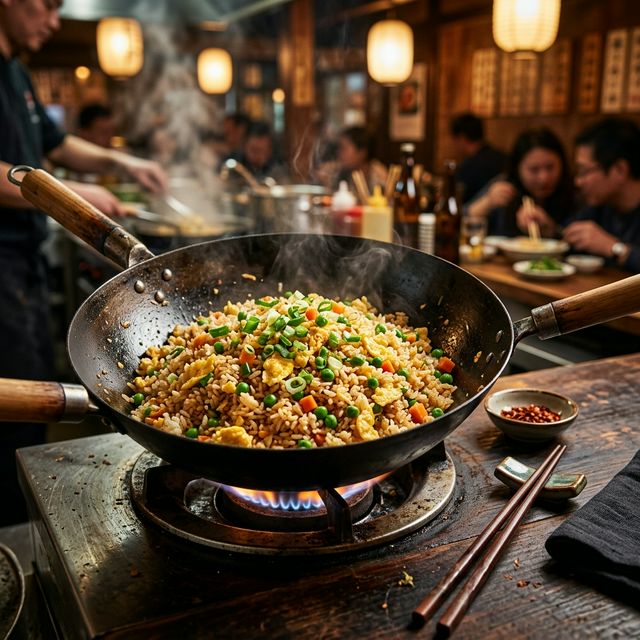
10-Minute Egg Fried Rice
Fast, crispy egg fried rice made in one wok in 10 minutes. Day-old rice, scrambled eggs, sesame oil — the technique that actually works on a home stove.
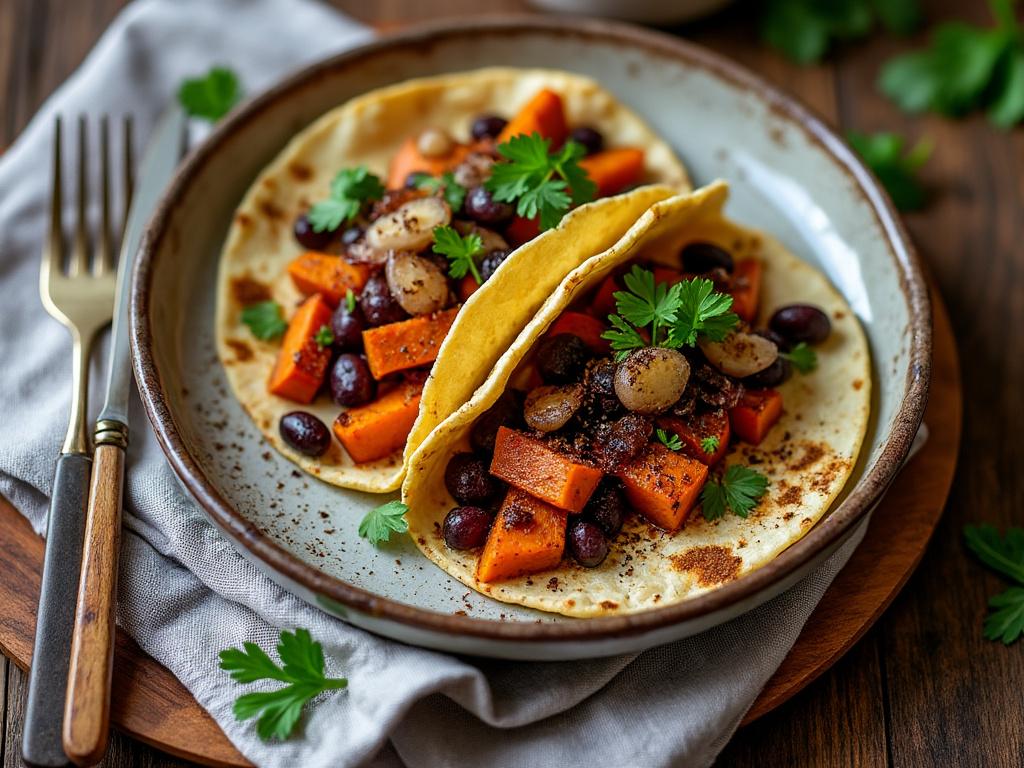
Spiced Sweet Potato and Black Bean Tacos with Crispy Shallots
Sweet potato wedges roasted at 425°F, smoky black beans, and golden fried shallots — a weeknight vegetarian taco with real texture contrast.
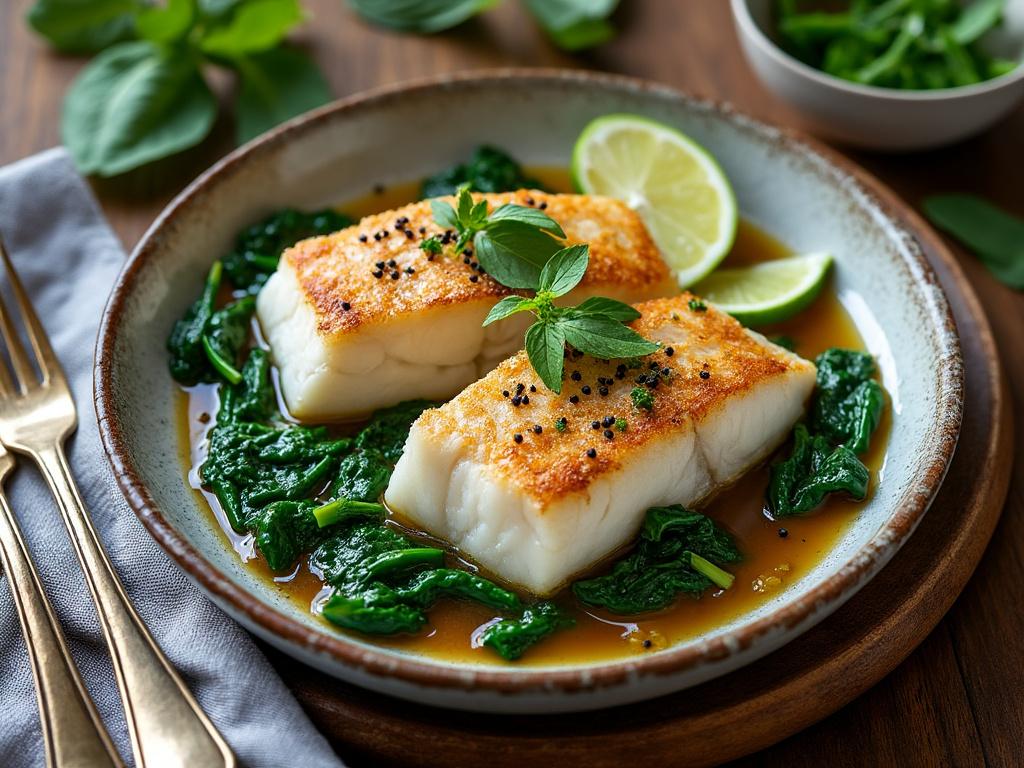
Coconut-Braised Cod with Ginger, Lime, and Wilted Spinach
Flaky cod braised in ginger-lime coconut milk with wilted spinach. Ready in 40 minutes — weeknight dinners don't get more satisfying.