Blackened Catfish with Dirty Rice and Quick-Pickled Okra
Deeply spiced blackened catfish over smoky dirty rice with tangy quick-pickled okra. A Cajun-inspired weeknight dinner ready in 60 minutes.
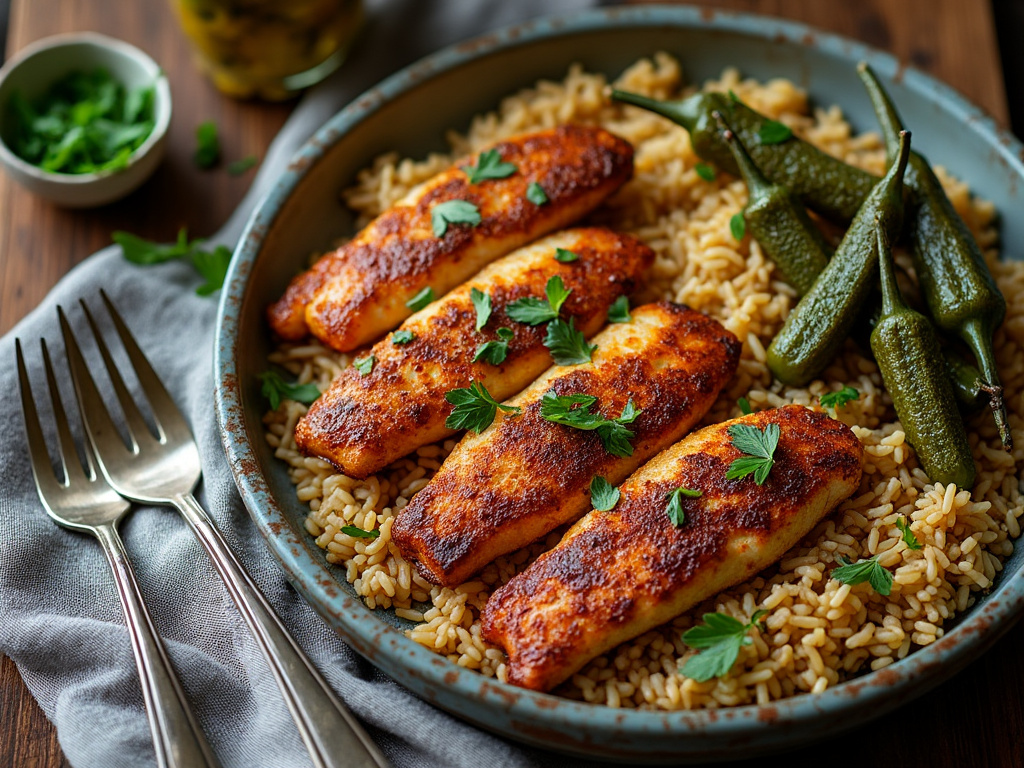
Blackening is not just browning with extra steps — it's a high-heat crust technique where a spice blend carbonizes on contact with a ripping-hot cast iron, creating a dark, almost crisp bark on the fish while the flesh stays moist underneath. The key here is fat-to-spice ratio: enough butter to carry the heat into the crust, not so much that you're pan-frying. Use USA Farm-Raised catfish fillets (widely available at most supermarkets) — they're mild, hold up to aggressive seasoning, and don't fall apart under high heat the way tilapia does.
The dirty rice runs alongside, built on a base of chicken livers and andouille that get cooked down until they almost disappear into the grain — that's what gives dirty rice its characteristic dark, savory depth. Quick-pickled okra cuts right through the richness. This is a weeknight dinner with real backbone. If your spice crust looks pale after 2 minutes in the pan, your skillet isn't hot enough — pull it off, wait 90 more seconds, then try again.
Ingredients
- ▸ 4 catfish fillets (6 oz each, about 3/4 inch thick)
- ▸ 3 tbsp Kerrygold unsalted butter, melted
- ▸ 1 tsp smoked paprika
- ▸ 1 tsp garlic powder
- ▸ 1 tsp onion powder
- ▸ 1 tsp dried thyme
- ▸ 1 tsp dried oregano
- ▸ 1 tsp kosher salt
- ▸ 1 tsp freshly ground black pepper
- ▸ 1 tsp cayenne pepper
- ▸ 1/2 tsp celery salt
- ▸ 1.5 cups long-grain white rice
- ▸ 2.75 cups low-sodium chicken stock
- ▸ 3 oz chicken livers, finely chopped
- ▸ 4 oz andouille sausage, finely diced
- ▸ 1 small yellow onion, finely diced (about 3/4 cup)
- ▸ 1 stalk celery, finely diced
- ▸ 1/2 green bell pepper, finely diced
- ▸ 3 cloves garlic, minced
- ▸ 1 tbsp tomato paste
- ▸ 1 tbsp Worcestershire sauce
- ▸ 1 tsp smoked paprika
- ▸ 1/2 tsp dried thyme
- ▸ 1/2 tsp cayenne pepper
- ▸ 1 tbsp neutral oil (such as vegetable or canola)
- ▸ 1 tbsp unsalted butter
- ▸ 2 scallions, thinly sliced
- ▸ 2 tbsp flat-leaf parsley, finely chopped
- ▸ 8 oz fresh okra, stems trimmed, halved lengthwise
- ▸ 1/2 cup white wine vinegar
- ▸ 1/2 cup water
- ▸ 1 tbsp granulated sugar
- ▸ 1 tsp Diamond Crystal kosher salt
- ▸ 1/2 tsp red pepper flakes
- ▸ 1/2 tsp mustard seeds
- ▸ 1 clove garlic, smashed
🛒 Links may earn us a small commission at no cost to you.
Recommended Gear
🛒 We may earn a small commission at no extra cost to you. We only recommend gear we'd use ourselves.
Instructions
Quick-Pickled Okra (Make First)
- 1. Combine 1/2 cup white wine vinegar, 1/2 cup water, 1 tbsp sugar, 1 tsp Diamond Crystal kosher salt, 1/2 tsp red pepper flakes, 1/2 tsp mustard seeds, and 1 smashed garlic clove in a small saucepan. Bring to a boil over medium-high heat, stirring until the sugar and salt dissolve completely — the liquid should be clear, not cloudy, about 2 minutes. Pour the hot brine over the halved okra packed into a mason jar. Set aside at room temperature to quick-pickle while you cook everything else; the okra will turn from bright green to a slightly more muted, deeper green and smell sharp and tangy.
- 2. Pack the halved okra into a 16 oz mason jar. Pour the hot brine directly over the okra — it should fully submerge the pieces. The jar will hiss as heat meets glass; this is normal. Set aside uncovered to cool for at least 20 minutes before serving. The longer it sits, the more the brine penetrates.
Dirty Rice
- 1. Heat 1 tbsp neutral oil in a medium saucepan over medium-high heat until shimmering. Add the diced andouille and cook, stirring occasionally, until the fat has rendered and the pieces are deeply browned and slightly caramelized at the edges, about 4–5 minutes. You should hear a steady sizzle and the sausage should smell smoky and savory. Remove the andouille with a slotted spoon and set aside, leaving the fat in the pan.
- 2. Add the chopped chicken livers to the same pan. Spread them into a single layer and cook without stirring for 90 seconds — they should develop a dark, almost purple-brown sear on the contact side. Break them up with a wooden spoon and cook another 60 seconds until no pink remains and they've reduced to nearly a paste-like texture. This is the flavor base that makes dirty rice dirty. Set aside with the andouille.
- 3. Add the diced onion, celery, and green pepper to the pan. Cook over medium heat, stirring frequently, until the onion is translucent and the celery is tender, about 5–6 minutes — the vegetables will soften and smell sweet. Add the minced garlic, 1 tsp smoked paprika, 1/2 tsp dried thyme, and 1/2 tsp cayenne; stir constantly for 60 seconds until fragrant. Add 1 tbsp tomato paste and cook another 90 seconds, stirring, until it darkens from red to rust-orange.
- 4. Return the andouille and liver mixture to the pan. Add 1.5 cups long-grain white rice and stir to coat the grains in the fat and aromatics, about 30 seconds. Pour in 2.75 cups chicken stock and 1 tbsp Worcestershire sauce. Bring to a boil, then reduce heat to low, cover tightly, and cook for 18 minutes. Do not lift the lid. After 18 minutes, remove from heat and let steam, still covered, for 5 minutes. Uncover — the rice should be fully cooked with no standing liquid and small steam holes across the surface. Fold in 1 tbsp unsalted butter, sliced scallions, and chopped parsley.
Blackened Catfish
- 1. While the rice steams, mix the blackening spice: combine smoked paprika, garlic powder, onion powder, dried thyme, dried oregano, kosher salt, black pepper, cayenne, and celery salt in a small bowl. Pat the catfish fillets completely dry with paper towels — moisture is the enemy of crust formation. Brush both sides of each fillet with the melted butter, then coat generously with the spice blend on both sides, pressing it lightly into the flesh so it adheres. Every part of the surface should be coated; bare spots won't blacken.
- 2. Place your 12-inch cast iron skillet over the highest heat your burner allows. Heat it dry — no oil — for 4 full minutes until the pan is smoking and appears slightly gray-white. A drop of water flicked into the pan should vaporize instantly on contact. Turn on your range hood now. This is non-negotiable for blackening.
- 3. Working in batches of 2 fillets max, place the fish in the dry skillet. Press gently with tongs to ensure full contact. Cook undisturbed for 3 minutes — the crust should form a dark, nearly black exterior (not burnt; there's a difference: black with a savory char smell is correct, acrid and stinging is too far). Flip carefully with a thin spatula and cook 2–3 minutes more until the internal temperature reads 145°F and the flesh flakes when pressed at its thickest point. Transfer to a plate and repeat with remaining fillets.
Assemble
- 1. Spoon a generous mound of dirty rice into the center of each plate. Lay one blackened catfish fillet over the rice, slightly off-center so the crust is visible. Drain the pickled okra and fan 4–5 pieces alongside the fish. Serve immediately — the crust softens quickly as it sits.
Cook's Notes
- Dry the catfish fillets thoroughly before buttering — even a small amount of surface moisture will cause the spice rub to steam instead of blackening, giving you a cooked gray crust instead of a dark char.
- Chicken livers are non-negotiable for authentic dirty rice depth. If they're only sold in large containers, freeze the rest in 3 oz portions for future batches.
- The blackening spice blend makes about 3 tbsp total — double the batch and store the extra in a sealed jar for up to 3 months. It works equally well on shrimp, chicken thighs, or pork chops.
- Do not crowd the cast iron when blackening. Two fillets per batch is the maximum for a 12-inch skillet. Crowding drops the pan temp and you'll lose the crust.
- The pickled okra needs at least 20 minutes in the brine to be worth eating. Make it first and let it sit the entire time you cook the rice and fish.
Pro Tips
- → If the blackening spice crust looks pale and dull after 2 minutes rather than dark and crackling, your pan is not hot enough — this is the most common failure mode. Remove the fish, heat the pan another 2 minutes, then return it. A pale crust means no Maillard reaction and you'll get muddy-tasting spices instead of developed char.
- → Chicken livers should be cooked to the point where they break down and almost disappear into the fat — if there are still visible chunks of liver in your dirty rice, you didn't cook them long enough. They should act as a seasoning agent, not a protein feature.
- → If the dirty rice is slightly wet when you uncover it at the 18-minute mark, replace the lid and cook over low heat for another 3 minutes, then steam off heat for 3 more minutes. If it's dry and the bottom has started to crisp, you ran the heat too high — it's salvageable, just fold in a splash of stock and serve quickly.
- → Use a thin, flexible metal spatula (not silicone) to flip the catfish. The blackened crust bonds to the cast iron initially and needs a thin edge to get underneath cleanly. Silicone spatulas are too thick and will crack the crust.
- → Let the cast iron cool down naturally after cooking — do not run cold water over a screaming-hot pan. Thermal shock can warp cast iron over time. Let it sit on the burner (off) for 10 minutes before cleaning.
- → If you're buying catfish and the fillets are significantly thicker than 3/4 inch, butterfly them slightly or adjust your cook time upward by 1 minute per side and check the internal temperature rather than relying on timing alone.
What to Serve With This
Pour an ice-cold Abita Amber (a Louisiana amber lager) alongside this. Its toasty malt character mirrors the char on the fish without fighting the spice, and the carbonation clears your palate between bites. If you want something non-alcoholic, a tall glass of unsweetened sweet tea with a squeeze of lemon does the same job — the tannins cut through the butter-heavy crust cleanly.
For a vegetable side, charred broccolini with a drizzle of cane vinegar works well. The slight bitterness of the broccolini contrasts the richness of the dirty rice, and cane vinegar echoes the pickling notes from the okra without repeating the flavor exactly. Roasted green beans with garlic and red pepper flakes are a simpler substitute if broccolini isn't available.
If you want bread on the table, go with store-bought cornbread or a basic skillet-baked jalapeño cornbread. Soft, slightly sweet cornbread is a classic Cajun pairing because it absorbs the pan juices and spice runoff without competing with the fish. Avoid sourdough or anything with a thick, chewy crust — it'll clash texturally.
For a wine option, a dry, unoaked Chenin Blanc or a Muscadet (both low around $14–$18) have enough acidity and minerality to handle the blackening spice without getting overwhelmed. Avoid anything oaky or high in tannins — buttery Chardonnay will taste flat against this much spice.
Variations & Substitutions
To make this gluten-free, the recipe is already there — just confirm your andouille sausage label is certified GF (Aidells brand works). The spice rub and dirty rice base contain no wheat, but cross-contamination risk varies by andouille brand, so read labels carefully.
For a dairy-free version, swap the 3 tbsp of Kerrygold butter used for blackening with an equal amount of refined coconut oil. It has a higher smoke point than most plant-based butters and won't burn before the crust sets. The flavor is slightly different but still works. Skip the optional butter finish on the rice entirely or use 1 tbsp of olive oil instead.
If catfish isn't available, use skin-on mahi-mahi fillets of similar thickness (about 3/4 inch). Do not use delicate white fish like flounder or sole — they'll disintegrate under blackening heat. Salmon fillets also work well with this spice profile; cook skin-side down first for 3 minutes before flipping. Reduce butter to 2 tbsp as salmon renders its own fat.
To scale this for 6–8 people, double the dirty rice and pickled okra but cook the catfish in two batches rather than crowding the pan. Crowding drops the pan temperature dramatically and you'll get steamed fish, not blackened fish. Keep the first batch warm in a 200°F oven on a wire rack while you cook the second.
Frequently Asked Questions
Can I make the dirty rice ahead of time? ▼
Yes — dirty rice actually improves after sitting for a day. Cook it fully, cool it uncovered for 20 minutes, then refrigerate in an airtight container for up to 3 days. Reheat in a skillet over medium with a splash of chicken stock (about 2 tbsp per cup of rice) to restore moisture, stirring frequently until steaming hot throughout, about 5–6 minutes.
How far ahead can I make the pickled okra? ▼
The quick pickle can be made up to 24 hours ahead — in fact, it gets better after a couple of hours in the brine. Keep it refrigerated in its jar. Don't make it more than 2 days out or the okra loses its snap and turns mushy. The brine is not shelf-stable; this is a refrigerator pickle only.
My kitchen filled with smoke when I started blackening. Is that normal? ▼
Yes, completely normal — blackening is inherently a high-smoke technique. Run your range hood on maximum, open a window, and if you have a smoke detector directly above your stove, consider briefly disabling it during cooking. This is why many Cajun cooks prefer to blacken outdoors on a propane burner. The smoke is the spices carbonizing, not burning incorrectly.
Can I freeze the dirty rice? ▼
Dirty rice freezes well for up to 2 months. Portion it into freezer bags, press flat, and freeze. Thaw overnight in the fridge then reheat per the make-ahead instructions above. The texture holds better than plain white rice because the meat and fat in the rice stabilize the grains. Don't freeze the catfish or the pickled okra.
What if I don't have cast iron? Can I use a nonstick pan? ▼
Do not use nonstick for blackening — the temperatures required (450–500°F surface heat) will damage the nonstick coating and release harmful fumes. Use a stainless steel skillet as a substitute if you don't have cast iron. It won't retain heat quite as evenly, so preheat it for at least 4 minutes over high heat and expect the crust formation to be slightly less uniform but still solid.
I can't find chicken livers for the dirty rice. What can I substitute? ▼
Use an extra 2 oz of andouille and 1 tbsp of Worcestershire sauce in place of the livers. You won't get the exact same depth, but the combination of umami from the Worcestershire and the extra smoky sausage fat gets you close. Ground beef (80/20, 2 oz) is another workable substitute — brown it until very dark before adding the aromatics.
How do I know when the catfish is cooked through? ▼
Catfish is done when it flakes cleanly at the thickest point when pressed with a fork and the flesh has turned from translucent gray-white to fully opaque. Internal temperature should read 145°F on an instant-read thermometer. At 3/4-inch thickness, this takes about 3 minutes per side over high heat with the blackening method.
Can I make this less spicy? ▼
Reduce the cayenne in the blackening spice from 1 tsp to 1/4 tsp and cut the black pepper by half. The dish will still have complexity from the smoked paprika and garlic powder without the significant heat. Don't eliminate the cayenne entirely or the spice rub will taste flat — a small amount is what makes the other spices bloom.
Is this recipe good for meal prep? ▼
The dirty rice is excellent for meal prep — make a full batch on Sunday and use it through the week. The catfish is best cooked fresh, as the blackened crust softens significantly during storage and reheating. If you must reheat fish, do it in a dry skillet over medium-high for 90 seconds per side rather than the microwave, which turns it rubbery.
Enjoyed this recipe?
Daily Home Cookery is self-funded. If something you cooked here made dinner a little better, a coffee keeps the kitchen running.
☕ Buy me a coffeeYou Might Also Like
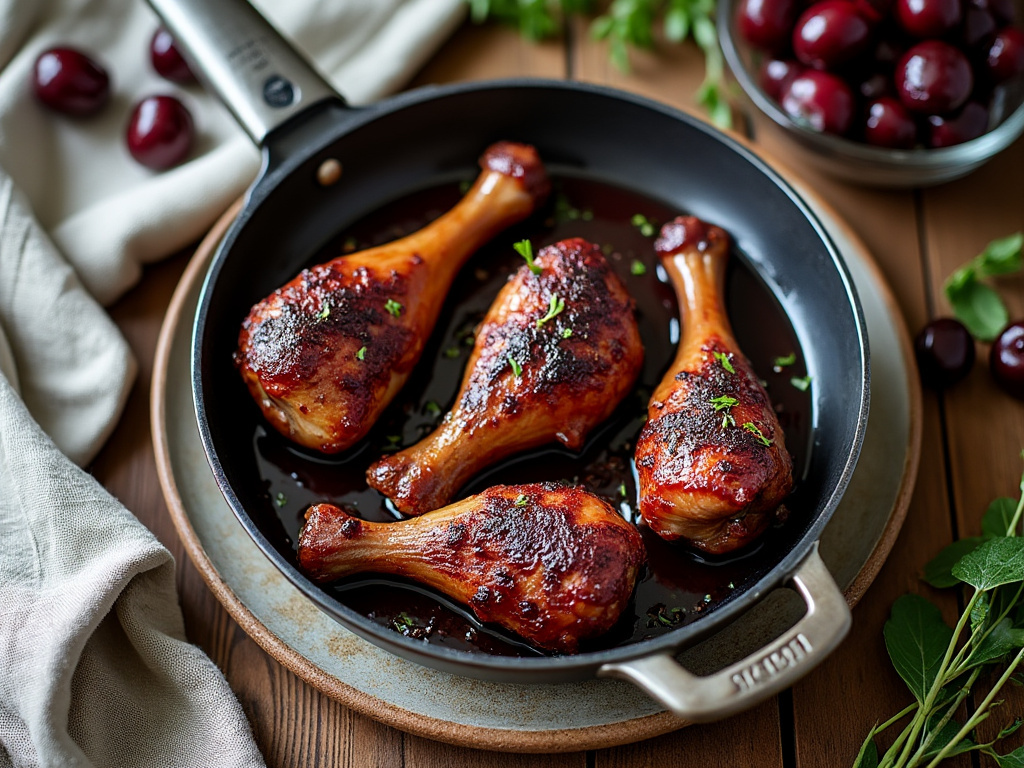
Crispy Skin Duck Legs with Cherry-Red Wine Pan Sauce
Duck legs with shatteringly crispy skin and a glossy cherry-red wine pan sauce — a restaurant-worthy dinner you can nail at home.
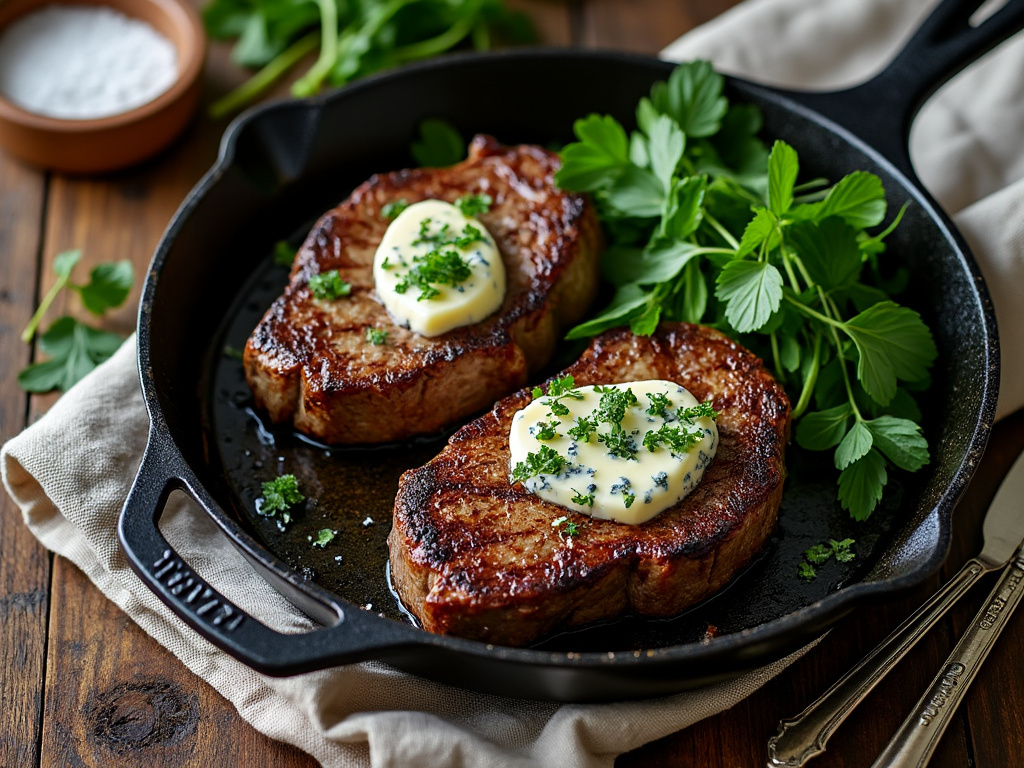
Butter-Basted Skillet Steak with Blue Cheese Compound Butter and Watercress
Cast iron butter-basted ribeye with tangy blue cheese compound butter and peppery watercress. Restaurant technique, done at home in 15 minutes.
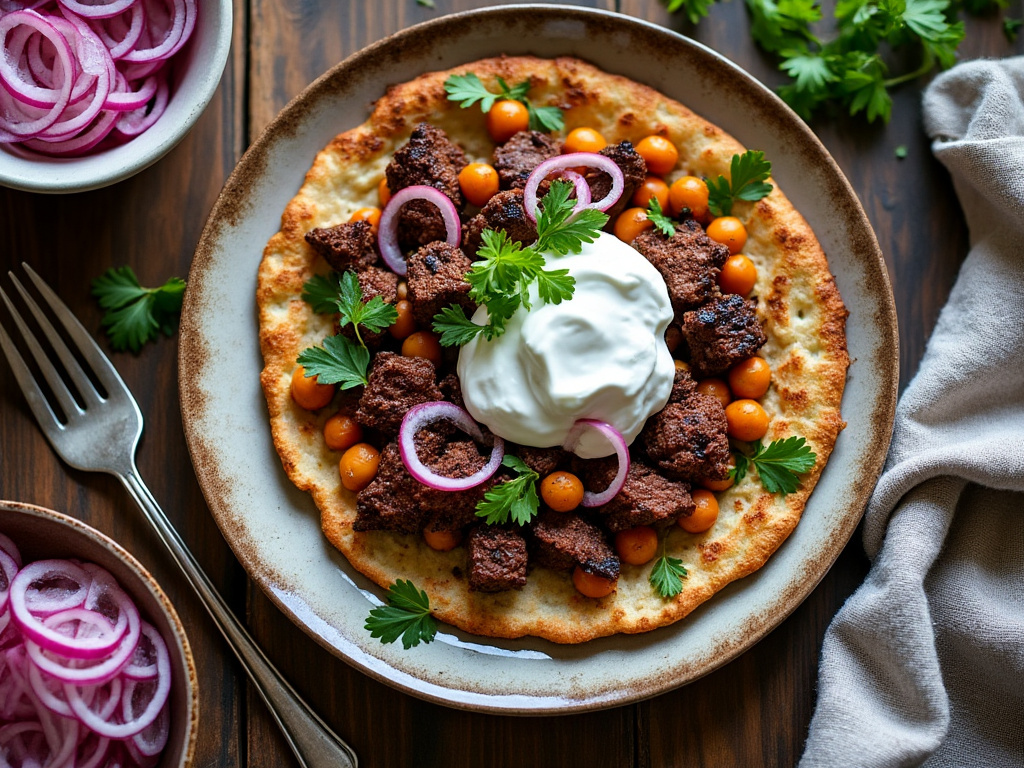
Berbere-Spiced Lamb and Chickpea Flatbread with Yogurt and Quick-Pickled Red Onion
Spiced ground lamb and crispy chickpeas on skillet flatbread, topped with cool yogurt and tangy pickled onion. Weeknight dinner in 55 minutes.