Slow-Roasted Pork Belly with Sticky Ginger Plum Glaze and Quick Pickled Slaw
Crispy-skinned pork belly with a sticky ginger plum glaze and tangy pickled slaw — slow-roasted for tender, fall-apart results every time.
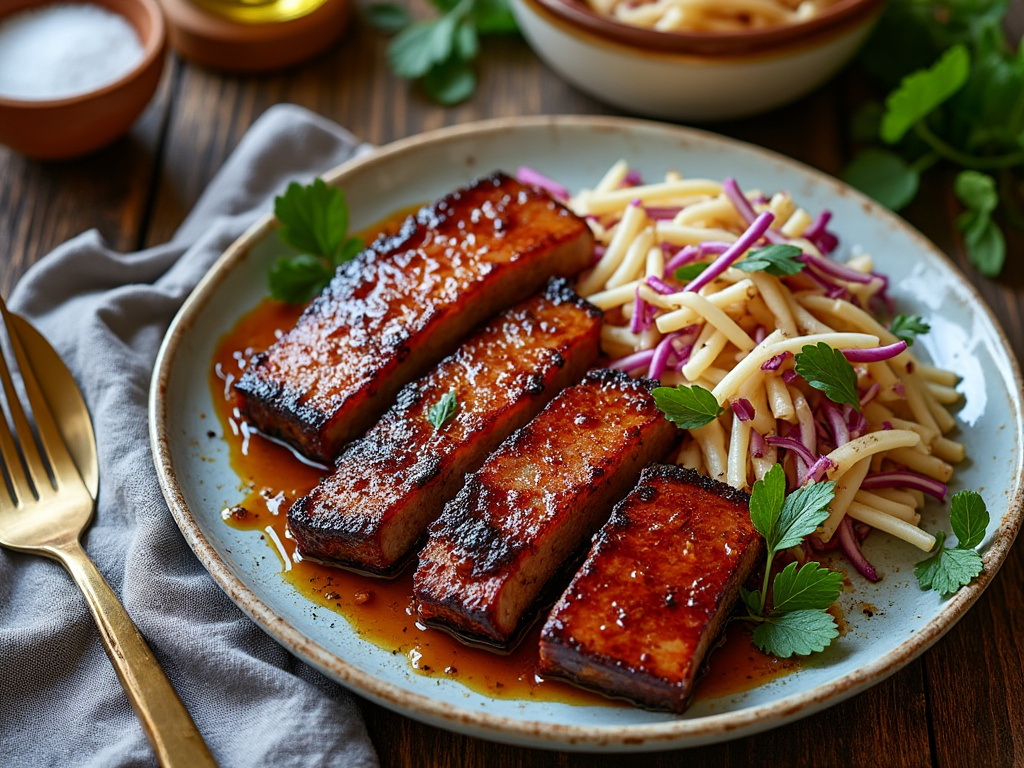
Pork belly is one of those cuts that rewards patience with something almost unreasonably good: crackling skin, rendered fat, and meat that collapses under a fork. The key here is a two-stage roast — low and slow first to melt the fat through the meat, then a high-heat blast at the end to push the skin into proper crackling. No scoring tricks required, just dry brine overnight and trust the process.
The glaze is built from jarred plum sauce (Lee Kum Kee is the move), fresh ginger, rice vinegar, and a hit of soy — applied in the final 20 minutes so it caramelizes without burning. The quick-pickled slaw cuts through the richness and takes under five minutes to throw together. This is weekend cooking that doesn't demand you stand at the stove: you mostly just wait. Serve over steamed jasmine rice with extra glaze spooned over. If the skin isn't blistering after 20 minutes at high heat, crank the broiler for 3–4 minutes and watch it closely.
Ingredients
- ▸ 1.5 lb skin-on pork belly, in one piece
- ▸ 1.5 tsp Diamond Crystal kosher salt
- ▸ 0.5 tsp white pepper
- ▸ 1 tsp five-spice powder
- ▸ 1 tsp neutral oil (such as avocado or grapeseed)
- ▸ 4 tbsp Lee Kum Kee plum sauce
- ▸ 1 tbsp low-sodium soy sauce
- ▸ 1 tbsp rice vinegar
- ▸ 1.5 tsp freshly grated ginger
- ▸ 2 cloves garlic, finely grated
- ▸ 1 tsp toasted sesame oil
- ▸ 0.25 tsp red chili flakes
- ▸ 2 cups green cabbage, thinly shredded
- ▸ 1 cup red cabbage, thinly shredded
- ▸ 1 medium carrot, julienned
- ▸ 3 tbsp rice vinegar
- ▸ 1 tbsp granulated sugar
- ▸ 0.75 tsp kosher salt
- ▸ 2 tsp toasted sesame seeds
- ▸ 2 scallions, thinly sliced on the bias
🛒 Links may earn us a small commission at no cost to you.
Recommended Gear
🛒 We may earn a small commission at no extra cost to you. We only recommend gear we'd use ourselves.
Instructions
Dry Brine (Night Before)
- 1. Pat the pork belly completely dry on all sides with paper towels — the skin needs to be as moisture-free as possible before seasoning. Combine the kosher salt, white pepper, and five-spice powder in a small bowl, then rub the spice mixture all over the meat side and edges of the belly, keeping the skin completely bare of any seasoning. Place the belly skin-side up on a wire rack set over a rimmed sheet pan and refrigerate uncovered for at least 8 hours, up to 24 — the skin should look dry and matte, not tacky, by morning.
Build the Glaze
- 1. Combine the plum sauce, soy sauce, rice vinegar, grated ginger, grated garlic, sesame oil, and red chili flakes in a small saucepan over medium-low heat. Stir and heat for 2–3 minutes until the garlic loses its raw bite and the glaze smells fragrant and slightly caramelized — you should see small bubbles around the edges but no hard boil. Remove from heat and set aside. The glaze can be made up to a week ahead and refrigerated.
Make the Quick Pickled Slaw
- 1. In a large bowl, whisk together the rice vinegar, granulated sugar, and kosher salt until the sugar fully dissolves, about 30 seconds. Add the shredded green cabbage, red cabbage, and julienned carrot. Toss aggressively with your hands until everything is well coated — the slaw will smell sharp and bright. Set aside at room temperature for at least 20 minutes, tossing once halfway through; the cabbage will soften slightly and turn glossy as it quick-pickles.
Slow Roast
- 1. Preheat your oven to 300°F with a rack in the center position. Remove the pork belly from the fridge and let it sit at room temperature for 20 minutes. Rub the neutral oil over the skin in a thin, even layer — this jumpstarts rendering. Set the belly skin-side up on the wire rack over the sheet pan.
- 2. Roast at 300°F for 2 hours. The belly should be gently sizzling and the fat visibly starting to render — the meat side will look opaque and cooked through. Check the internal temperature; you're targeting 185–190°F in the thickest part of the meat. If it hasn't hit that range, continue roasting in 15-minute increments.
High-Heat Blast for Crackling
- 1. Increase oven temperature to 450°F and roast for 20–25 minutes more, watching closely after the 15-minute mark. The skin should blister, bubble, and turn deep golden-amber — you'll hear an audible crackling pop and sizzle, and the whole kitchen will smell of caramelized pork fat. If the skin isn't blistering by minute 20, switch the oven to broil on high for 3–5 minutes, keeping the oven door cracked so you can watch it. Don't walk away during the broil phase.
Glaze and Rest
- 1. Remove the belly from the oven and immediately brush the meat sides and edges — not the crackling skin — with a generous layer of the ginger plum glaze using a pastry brush. Return to the oven at 450°F for 5 minutes until the glaze is lacquered and sticky, smelling of caramelized soy and plum. Watch carefully; the sugar in the glaze can catch fast.
- 2. Transfer the belly to a cutting board and rest uncovered for 10 minutes. The juices will redistribute and the crackling will firm up further as it cools slightly — resist cutting into it immediately or the layers will compress.
Finish and Serve
- 1. Finish the slaw by draining any excess liquid, then tossing with the toasted sesame seeds and sliced scallions. The slaw should taste bright and slightly sweet with a clean vinegar finish.
- 2. Using a sharp chef's knife, slice the pork belly into 1-inch thick pieces using firm, confident cuts — a dull knife will crush the crackling rather than cut through it. Arrange slices over steamed jasmine rice, spoon additional warm glaze over the top, and pile the pickled slaw alongside. Serve immediately while the crackling is still audibly crisp.
Cook's Notes
- Don't skip the overnight dry brine — even 8 hours makes a significant difference in how the skin dries out and ultimately crisps. Wet skin is the number one reason crackling fails.
- The wire rack is non-negotiable: direct contact with the sheet pan traps steam underneath the belly and prevents the fat from rendering evenly.
- Make the glaze in a double batch if you want extra for drizzling over rice — it keeps for a week in the fridge and works well as a dipping sauce or a stir-fry base.
- Slaw can be made up to 4 hours ahead and refrigerated, but add the sesame seeds and scallions only right before serving so they stay fresh and don't wilt.
- If your pork belly has a thicker fat cap (over 1 inch), add 20 minutes to the low-heat roasting phase before cranking the heat.
Pro Tips
- → The single biggest failure mode is moisture on the skin at the start of roasting. Even after an overnight brine, give the skin one final pat with a paper towel before rubbing with oil — any residual surface moisture will steam the skin instead of crisping it.
- → Five-spice powder loses its punch fast once opened. If yours has been sitting in the pantry for over a year, use 1.25 tsp instead of 1 tsp to compensate for flavor loss — stale spice is usually the reason this dish comes out tasting flat.
- → If the glaze breaks and turns grainy in the pan, it's usually because the heat was too high. Pull it off the burner, add 1 tsp of rice vinegar, and whisk vigorously — the acidity will help re-emulsify it.
- → When broiling for crackling, position the rack so the skin sits about 6 inches from the broiler element — too close and it scorches black before it blisters properly, too far and nothing happens. Move the rack before preheating.
- → Resting the belly before slicing isn't optional — cutting it immediately causes the fat layers to slide and compress, which ruins the clean layer presentation on the plate. A 10-minute rest is the minimum.
- → For cleaner slices, refrigerate leftover pork belly fully before slicing for meal prep. Cold belly cuts into perfect, photogenic pieces without any slippage — then reheat slices in a 400°F oven for 10 minutes to restore the crackling.
What to Serve With This
A cold, slightly bitter beer is the best friend pork belly has. A German Märzen or a dry Irish stout — like Guinness Draught — cuts through the fat and balances the sweet-savory glaze without fighting it. The roasty notes in a stout mirror the caramelized glaze particularly well. If you'd rather pour something from a bottle with a cork, reach for an off-dry Alsatian Riesling or a Gewürztraminer: both have enough residual sugar to echo the plum glaze while their acidity scrubs your palate clean between bites.
For sides, steamed jasmine rice is non-negotiable — it soaks up the pan drippings and glaze in a way no other grain does. A simple wok-blistered bok choy with garlic and a splash of oyster sauce adds greenery without competing for attention. If you want more texture contrast, fried shallots scattered over the rice right before serving add a crunch the slaw doesn't fully cover.
For a non-alcoholic option, a sparkling yuzu lemonade or chilled jasmine green tea works well. The floral, slightly tart quality of jasmine tea echoes the ginger and plum notes in the glaze and keeps the meal from feeling heavy.
Variations & Substitutions
To make this gluten-free, swap the regular soy sauce for tamari in a 1:1 ratio — the flavor is nearly identical. Check your plum sauce label; most are naturally gluten-free but some brands add starch thickeners, so Lee Kum Kee's standard plum sauce is your safest supermarket bet. The rest of the recipe needs no adjustment.
If you can't find pork belly with skin on, bone-in skin-on pork shoulder works as a substitute. Use the same cook time and temperatures, but expect the crackling to be less uniform — shoulder skin has more variation in thickness. Reduce the high-heat phase to 15 minutes and start checking at 10.
For a spicier version, add 1 tbsp of sambal oelek or 1 tsp of dried chili flakes directly into the glaze when you build it. This turns the sweet-savory profile toward something with real heat. If you're cooking for a crowd and doubling the recipe, use two separate rimmed sheet pans — crowding two belly slabs onto one pan traps steam and prevents proper crackling on the skin. Keep oven rack positions even: one in the lower third, one in the upper middle, and rotate halfway through the low-temperature phase.
Frequently Asked Questions
Can I dry brine the pork belly for less than overnight? ▼
You can, but the results are noticeably better with a full overnight rest. A minimum of 4 hours will still draw some moisture out of the skin and season the meat adequately. If you're short on time, pat the skin extremely dry with paper towels and use a fan to air-dry it uncovered in the fridge for at least an hour before roasting.
How do I store leftovers and for how long? ▼
Store the pork belly and slaw separately in airtight containers in the fridge. The pork keeps well for up to 4 days. The slaw is best within 2 days — after that, the cabbage goes limp and loses its textural contrast. Reheat the pork in a 400°F oven for 10–12 minutes to revive the crackling; microwaving kills the skin texture completely.
Can I freeze cooked pork belly? ▼
Yes — slice it first, then freeze in a single layer on a sheet pan before transferring to a freezer bag. It keeps for up to 3 months. Thaw overnight in the fridge, then reheat in a 400°F oven for 12–15 minutes. The crackling won't be quite as crisp after freezing, but the meat quality holds up very well.
What if my skin isn't crisping up? ▼
The most common causes are residual moisture on the skin before roasting, and steam trapped in the pan. Make sure the belly is fully dry before it goes in, and use a wire rack — never roast belly flat on a sheet pan without elevation. If the skin still looks pale at the end of the high-heat phase, switch to broil on high and watch it for 3–5 minutes, rotating the pan once.
Can I make the glaze ahead of time? ▼
Yes, and it's worth doing. The glaze keeps in a sealed jar in the fridge for up to 1 week. The flavors deepen slightly after a day as the ginger and garlic mellow. Pull it out of the fridge 15 minutes before you need it — cold glaze is too thick to brush evenly and will cool down the meat surface.
Can I cook this in a slow cooker instead? ▼
You can cook the belly in a slow cooker on low for 6–7 hours, but you will not get crackling this way — the environment is too moist. After slow cooking, transfer the belly skin-side up to a sheet pan and broil on high for 6–8 minutes to attempt a crust. It's a reasonable weeknight workaround but produces a different texture profile than the oven method.
What can I use instead of plum sauce? ▼
Hoisin sauce is the closest substitute — use 3 tbsp hoisin in place of 4 tbsp plum sauce, since hoisin is denser and sweeter. You can also use apricot jam blended with 1 tbsp of rice vinegar and 1 tsp of five-spice powder for a looser, fruitier glaze. Both work well; the flavor will shift slightly but stays in the same sweet-savory lane.
How do I know the pork belly is fully cooked in the low-heat phase? ▼
An instant-read thermometer inserted into the thickest part of the meat (not the fat layer) should read at least 165°F after the slow roast, though most pork belly benefits from reaching 185–190°F for the fat to fully render. The meat should feel very tender when prodded with a skewer and offer no real resistance.
Is this recipe scalable for a dinner party? ▼
It scales well up to double — buy a single 3–3.5 lb slab instead of the 1.5 lb piece called for. Cook time stays roughly the same for the low-heat phase; add 15 minutes if the slab is particularly thick. Use a large roasting pan and make sure there's at least 1 inch of clearance around the belly for air circulation.
Enjoyed this recipe?
Daily Home Cookery is self-funded. If something you cooked here made dinner a little better, a coffee keeps the kitchen running.
☕ Buy me a coffeeYou Might Also Like
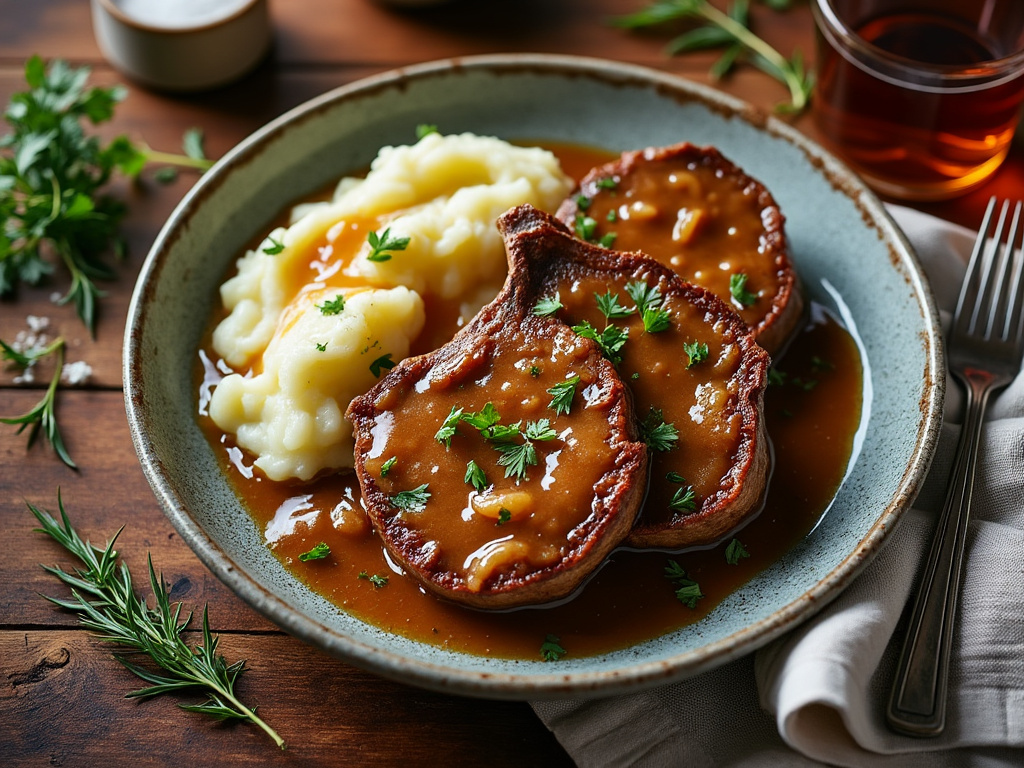
Weeknight Smothered Pork Chops with Onion Gravy and Creamy Mashed Potatoes
Thick-cut pork chops seared and smothered in a rich, savory onion gravy — served over creamy mashed potatoes for a hearty weeknight dinner.
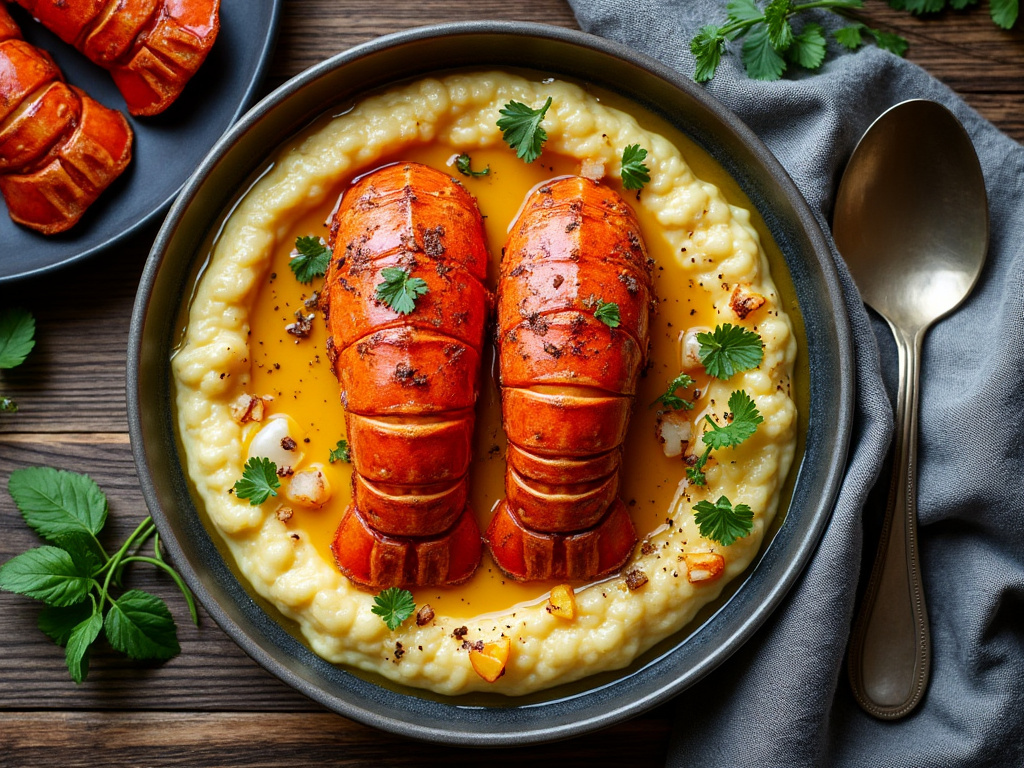
Smoked Paprika Butter Poached Lobster Tails with Saffron Corn Grits
Silky butter-poached lobster tails over saffron-scented stone-ground corn grits — a special-occasion dinner built in under an hour.
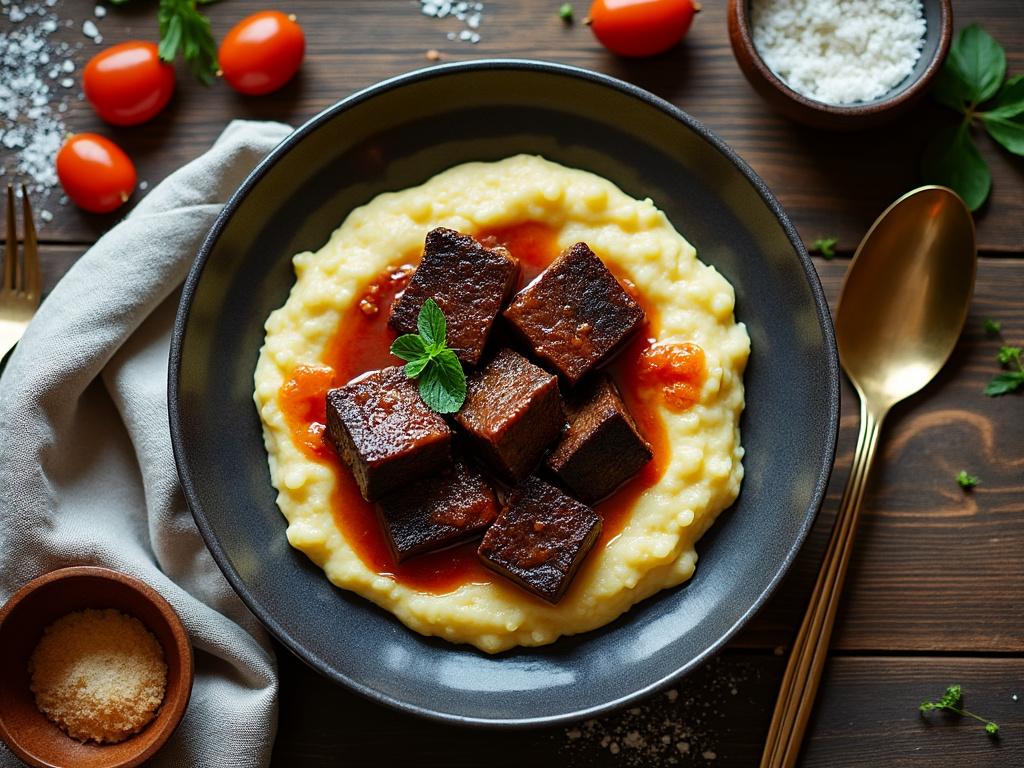
Smoked Paprika Braised Short Ribs with Creamy Polenta
Fall-off-the-bone braised beef short ribs with smoked paprika, red wine, and silky Parmesan polenta. A proper weekend dinner worth every minute.