Weeknight Smothered Pork Chops with Onion Gravy and Creamy Mashed Potatoes
Thick-cut pork chops seared and smothered in a rich, savory onion gravy — served over creamy mashed potatoes for a hearty weeknight dinner.
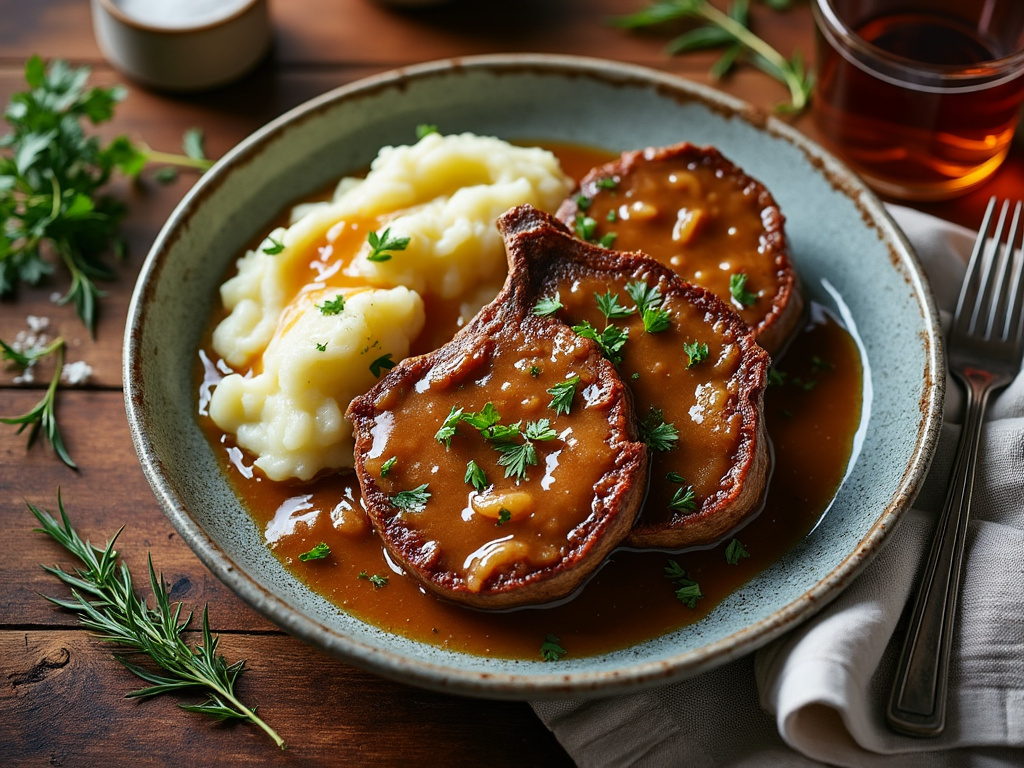
Smothered pork chops are a Southern diner staple built on one technique: building a deeply savory gravy right in the pan where you seared the meat, so every bit of fond gets scraped up and put to work. The result is a thick, silky onion gravy that clings to bone-in pork chops braised just long enough to stay juicy without drying out. This is not a quick-sear recipe — the chops braise for about 25 minutes low and slow in the gravy, which is exactly what keeps them tender.
Expect sweet caramelized onion, rich pork drippings, and a gravy with real body from a quick roux. Mashed potatoes are non-negotiable here — they're the platform for everything. This is a solid weeknight dinner that reheats beautifully, so it doubles as meal prep. If your gravy tightens up too much during the braise, splash in 2–3 tablespoons of chicken stock and stir — it'll loosen right back up.
Ingredients
- ▸ 4 bone-in pork rib chops (1 to 1.25 inches thick, about 10–12 oz each)
- ▸ 1.5 tsp Diamond Crystal kosher salt (for the pork)
- ▸ 1 tsp freshly ground black pepper (for the pork)
- ▸ 1 tsp garlic powder
- ▸ 0.5 tsp smoked paprika
- ▸ 2 tbsp neutral oil (canola or vegetable)
- ▸ 3 tbsp unsalted butter, divided
- ▸ 2 large yellow onions, halved and thinly sliced (about 4 cups)
- ▸ 3 garlic cloves, minced
- ▸ 1 tsp fresh thyme leaves (or 0.5 tsp dried)
- ▸ 3 tbsp all-purpose flour
- ▸ 2 cups low-sodium chicken stock
- ▸ 1 tbsp Worcestershire sauce
- ▸ 0.5 tsp Diamond Crystal kosher salt (for the gravy)
- ▸ 0.25 tsp freshly ground black pepper (for the gravy)
- ▸ 2.5 lbs Yukon Gold potatoes, peeled and cut into 2-inch chunks
- ▸ 1 tbsp kosher salt (for potato water)
- ▸ 4 tbsp unsalted Kerrygold butter, cut into cubes
- ▸ 0.5 cup whole milk, warmed
- ▸ 0.25 cup sour cream
- ▸ 0.75 tsp kosher salt (for the mash)
- ▸ 2 tbsp fresh flat-leaf parsley, chopped (for garnish)
🛒 Links may earn us a small commission at no cost to you.
Recommended Gear
🛒 We may earn a small commission at no extra cost to you. We only recommend gear we'd use ourselves.
Instructions
Prep
- 1. Pull the pork chops from the refrigerator 25 minutes before cooking. Pat them completely dry with paper towels — wet pork will steam, not sear. In a small bowl, mix together 1.5 tsp kosher salt, 1 tsp black pepper, 1 tsp garlic powder, and 0.5 tsp smoked paprika. Season both sides of each chop generously with the spice mix, pressing it in firmly.
- 2. Peel and cut the Yukon Gold potatoes into 2-inch chunks, keeping them roughly even in size so they cook at the same rate. Place them in the large pot and cover with cold water by 2 inches. Add 1 tbsp salt. Set aside — you'll start them once the chops go into the braise.
Sear the Pork Chops
- 1. Heat the 12-inch skillet over medium-high heat for 2 minutes until it's hot enough that a drop of water skitters and evaporates immediately. Add 2 tbsp neutral oil and swirl to coat. Add the pork chops in a single layer — you should hear an aggressive sizzle the moment they hit the pan. Sear undisturbed for 3–4 minutes until a deep mahogany crust forms on the bottom. Flip once and sear the second side for 2–3 minutes. The chops won't be cooked through — that's correct. Transfer to a plate and set aside.
Build the Gravy
- 1. Reduce the heat to medium. Add 1 tbsp of the butter to the skillet. Once melted and foamy, add the sliced onions. Stir to coat, scraping up any fond from the bottom of the pan — you'll hear the sizzle calm down as the onions release moisture. Cook for 18–22 minutes, stirring every 3–4 minutes, until the onions are soft, golden-amber, and smell deeply sweet. Don't rush this step; pale onions make a pale gravy.
- 2. Push the onions to the edges of the pan and add the remaining 2 tbsp butter to the center. Once melted, add the minced garlic and thyme. Stir and cook for 60 seconds until fragrant — the garlic should smell toasty but not sharp.
- 3. Sprinkle the flour evenly over the onion mixture. Stir constantly for 90 seconds until the flour smells nutty and the mixture looks like a thick, golden paste coating the onions. This is your roux — don't skip the full cook time or the finished gravy will taste raw.
- 4. Pour in 0.5 cup of the chicken stock while whisking vigorously to prevent lumps. Once smooth, add the remaining 1.5 cups of stock in a steady stream, whisking constantly. Add the Worcestershire sauce, 0.5 tsp salt, and 0.25 tsp pepper. Bring to a gentle simmer over medium heat — the gravy should thicken enough to coat the back of a spoon, about 3–4 minutes.
Braise the Chops
- 1. Nestle the seared pork chops back into the gravy, spooning some over the top of each chop. Reduce heat to medium-low. Cover the skillet with the lid and braise for 22–25 minutes until an instant-read thermometer inserted into the thickest part (away from the bone) reads 145°F. The gravy will be bubbling gently and the chops will look matte rather than raw at the edges.
Cook the Mashed Potatoes
- 1. While the chops braise, bring the salted potato pot to a boil over high heat. Cook for 15–18 minutes until a fork slides through the largest chunk with zero resistance. Drain thoroughly and let the potatoes steam dry in the colander for 2 minutes — this prevents watery mash.
- 2. Return the potatoes to the warm pot over low heat. Add the Kerrygold butter and mash until mostly smooth. Add the warmed whole milk and sour cream, stirring vigorously until the mash is creamy and silky. Season with 0.75 tsp kosher salt. Taste and adjust. Keep covered over the lowest heat setting until ready to serve.
Finish and Serve
- 1. Uncover the skillet and let the gravy simmer uncovered for 2–3 minutes to tighten slightly if needed — it should be spoonable, not watery. Spoon a mound of mashed potatoes onto each plate, lay a pork chop alongside or directly on top, and ladle the onion gravy generously over both. Scatter chopped parsley over the top and serve immediately while the gravy is still steaming.
Cook's Notes
- Dry the pork chops thoroughly before seasoning — any moisture on the surface will cause them to steam rather than form a crust in the pan, and you'll lose the fond that flavors the entire gravy.
- Don't skip the full 18–22 minutes for caramelizing the onions. Under-cooked onions produce a pale, flat gravy that lacks the sweet depth this dish is built on.
- Warm the milk before adding it to the mashed potatoes — cold milk cools the starch and makes the mash gluey rather than fluffy.
- If the gravy reduces too much during the braise, stir in 2–3 tablespoons of chicken stock and it will loosen back to the right consistency within a minute.
- Bone-in chops can vary in thickness at the grocery store — always go for 1 inch or thicker. Thinner chops will overcook before the braise timer is even halfway done.
Pro Tips
- → The fond (the dark, sticky bits stuck to the skillet after searing) is where most of your gravy's flavor lives. If it looks like it's burning before the onions go in, add a tablespoon of stock and scrape immediately — don't let it turn black or it'll make the gravy bitter.
- → If the gravy breaks or looks greasy, it's almost always because the heat spiked too high during the braise. Pull the chops out, let the gravy cool slightly, then whisk it hard off-heat for 30 seconds before returning to a gentle simmer.
- → Sour cream in the mash is the move — it adds a subtle tang that prevents the potatoes from tasting flat and heavy alongside the rich gravy. Don't substitute with cream cheese; it makes the texture gluey.
- → Let the pork rest on the plate for 3–4 minutes after the braise before cutting in. Even braised chops benefit from resting — the juices redistribute instead of running out the moment you slice.
- → For a glossier, richer gravy, swirl in 1 tablespoon of cold butter off the heat at the very end (this is called monter au beurre). It's optional but noticeably improves the finish on a dinner party version of this dish.
- → A stainless steel skillet works better here than nonstick — it builds more fond during the sear, which means more flavor in the gravy. Cast iron also works well and retains heat evenly for the braise.
What to Serve With This
A simple green vegetable is the right move alongside the richness of this dish. Roasted broccolini with a squeeze of lemon cuts through the fat cleanly — toss it with olive oil, salt, and pepper at 425°F for 12 minutes while the chops braise. Sautéed collard greens with a splash of apple cider vinegar also work well, giving the plate a bit of acid to balance the gravy's depth.
For wine, reach for a medium-bodied red with enough fruit to complement the pork and enough acidity to cut the gravy. A Côtes du Rhône (Grenache-based) hits both marks at a reasonable price point. If you prefer white, an oaked Chardonnay from California — something like a Sonoma-Coast bottling — mirrors the buttery mashed potatoes without fighting the savory onion.
Beer-wise, a dark amber ale or a malty märzen works. The caramel malt notes echo the caramelized onions in the gravy without overwhelming the pork. Avoid anything too hoppy — the bitterness will clash with the roux-thickened sauce.
For a non-alcoholic pairing, serve with sparkling water with a wedge of lemon, or a lightly sweetened iced tea. Both reset the palate between bites without adding competing flavors.
Variations & Substitutions
For a dairy-free version, swap the butter in both the gravy and mashed potatoes with a high-quality vegan butter (Miyoko's works well here — it browns properly and has a clean flavor). Use full-fat oat milk in place of whole milk for the mash; add it warm so it incorporates smoothly. The gravy won't suffer noticeably from this swap.
To make this gluten-free, replace the all-purpose flour in the roux with white rice flour at a 1:1 ratio. It browns slightly faster, so watch the heat and stir constantly once it hits the pan. The finished gravy will have a slightly lighter color but the same consistency.
If you prefer boneless pork chops, use center-cut boneless, at least 1 inch thick. Reduce the braise time to 15–18 minutes — boneless chops dry out faster than bone-in, so pull them when an instant-read thermometer reads 140°F (they'll carry over to 145°F). Do not use thin-cut boneless chops; they'll overcook before the gravy develops.
For a mushroom variation, add 8 ounces of sliced cremini mushrooms to the pan after the onions are caramelized. Cook them 5 minutes until they release their liquid and that liquid evaporates — then proceed with the roux. The gravy picks up an earthy, almost steakhouse-style depth.
Frequently Asked Questions
Can I make the gravy ahead of time? ▼
Yes — make the onion gravy up to 3 days ahead and refrigerate it in an airtight container. Reheat it gently in the skillet over medium-low heat, adding a splash of chicken stock to loosen it if needed. Sear the pork chops fresh when you're ready to serve, then slide them into the warmed gravy to finish.
How do I store leftovers? ▼
Store the chops and gravy together in an airtight container in the refrigerator for up to 4 days. Keep the mashed potatoes in a separate container. The gravy insulates the pork and actually keeps it moister than if stored separately.
What's the best way to reheat this without drying out the pork? ▼
Reheat the chops in the gravy, covered, in a skillet over medium-low heat for 8–10 minutes — flip once halfway through. Avoid the microwave for the pork; it toughens the meat quickly. Reheat the mashed potatoes separately with a splash of milk stirred in.
Can I freeze the smothered pork chops? ▼
Freeze the chops and gravy together for up to 2 months. Thaw overnight in the refrigerator before reheating. The gravy may look broken after freezing — whisk it over medium heat for 2–3 minutes and it will come back together. Don't freeze the mashed potatoes; they turn grainy.
What cut of pork chop works best here? ▼
Bone-in rib chops, cut at least 1 inch thick, are ideal — the bone conducts heat evenly and the fat cap bastes the meat during the braise. Center-cut loin chops also work but are slightly leaner, so check the temperature early. Avoid shoulder chops for this recipe; they need a longer braise than this method allows.
My gravy is lumpy — how do I fix it? ▼
Lumpy gravy usually means the stock was added too fast or the roux was too hot. Remove the pan from heat, whisk vigorously for 30 seconds, then return it to medium heat while stirring constantly. If that doesn't smooth it out, pour the gravy through a fine-mesh strainer, pressing with a spatula.
Can I double this recipe? ▼
Yes, but sear the chops in two batches — overcrowding the pan drops the temperature and you'll steam rather than sear. Use a 12-inch skillet for batches of two. Make the gravy in the same pan after all chops are seared; the doubled volume of onions will take an extra 5–7 minutes to caramelize.
Can I use chicken instead of pork? ▼
Bone-in chicken thighs swap in well here. Sear them skin-side down for 6 minutes until the skin is deeply golden and renders most of its fat, then flip and cook 2 more minutes before building the gravy. Braise covered for 25–30 minutes until the internal temperature reaches 165°F.
Why do I need to let the pork chops rest before searing? ▼
Cold meat straight from the refrigerator drops the pan temperature sharply, which leads to uneven searing and steaming instead of browning. Letting the chops rest at room temperature for 20–30 minutes means they sear faster and more evenly, giving you a better crust without overcooking the interior.
Enjoyed this recipe?
Daily Home Cookery is self-funded. If something you cooked here made dinner a little better, a coffee keeps the kitchen running.
☕ Buy me a coffeeYou Might Also Like

Caramelized Onion and Gruyère Soup Dumplings (Steamed Bao Style)
Steamed soup dumplings filled with jammy caramelized onions, Gruyère, and a liquid beef aspic center. A French onion twist on a classic technique.
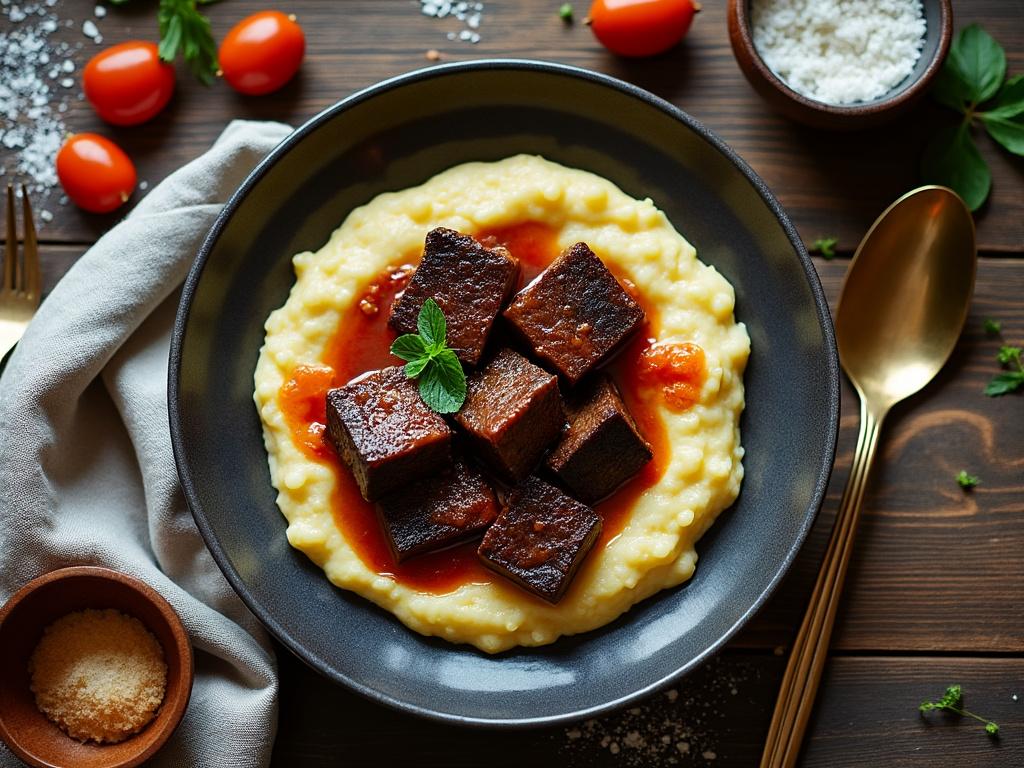
Smoked Paprika Braised Short Ribs with Creamy Polenta
Fall-off-the-bone braised beef short ribs with smoked paprika, red wine, and silky Parmesan polenta. A proper weekend dinner worth every minute.
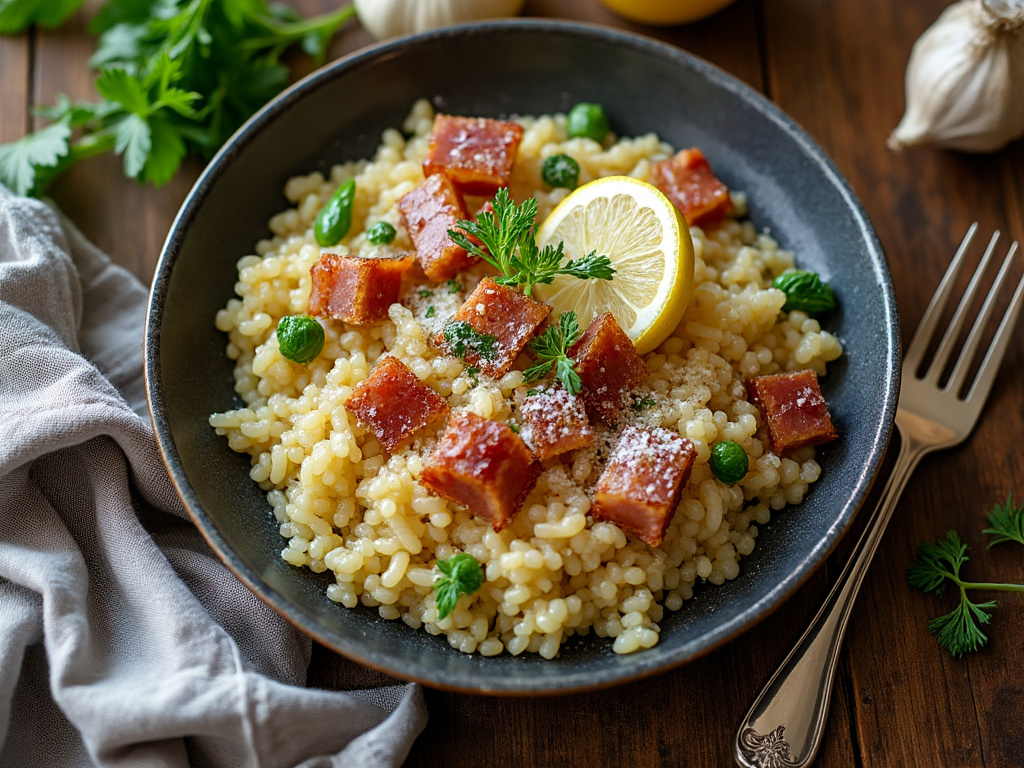
Crispy Pancetta and Leek Risotto with Lemon and Parmesan
A creamy, restaurant-worthy risotto with crispy pancetta, sweet leeks, and bright lemon. Ready in 50 minutes on the stovetop.