Smoked Paprika Shrimp and Grits with Roasted Pepper Gravy
Creamy stone-ground grits, bold smoked paprika shrimp, and a silky roasted red pepper gravy — a Southern classic done right.
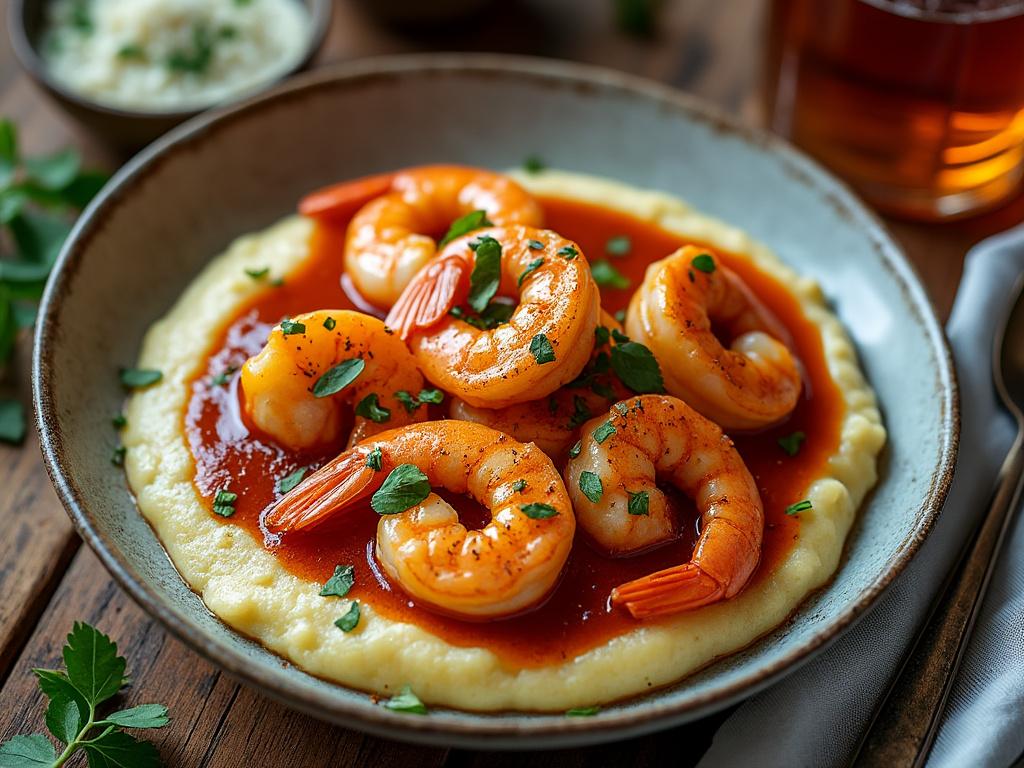
Shrimp and grits is one of those dishes where the details separate a satisfying bowl from a forgettable one. The grits have to be stone-ground — not instant — and they need time, heat, and fat to develop their starchy, porridge-like body. The roasted red pepper gravy here does the heavy lifting: it's smoky, slightly sweet, and thick enough to pool under the shrimp without making the grits soggy.
The technique that makes this recipe work is blooming the smoked paprika directly in the shrimp drippings before building the gravy — that 30-second step extracts fat-soluble flavor compounds that water-based deglazing alone can't touch. Expect creamy, slightly coarse grits with a rich, glossy sauce and shrimp that are just cooked through, still snappy at the bite. This is a solid Friday-night dinner for four; it holds well for about 15 minutes off heat, so you can plate at leisure. If your grits seize up and go stiff before serving, stir in a splash of warm water or chicken stock and drop the heat — they'll loosen back up.
Ingredients
- ▸ 1.5 lbs large raw shrimp, peeled and deveined (26/30 count)
- ▸ 1 tsp smoked paprika
- ▸ 0.5 tsp garlic powder
- ▸ 0.5 tsp onion powder
- ▸ 0.5 tsp Diamond Crystal kosher salt
- ▸ 0.25 tsp black pepper
- ▸ 2 tbsp olive oil
- ▸ 2 large red bell peppers
- ▸ 1 tbsp olive oil (for peppers)
- ▸ 1 small yellow onion, diced
- ▸ 4 garlic cloves, minced
- ▸ 1 tsp smoked paprika (for gravy)
- ▸ 0.5 tsp dried thyme
- ▸ 0.25 tsp cayenne pepper
- ▸ 1.5 cups low-sodium chicken stock
- ▸ 0.25 cup heavy cream
- ▸ 1 tsp sherry vinegar
- ▸ 0.5 tsp Diamond Crystal kosher salt (for gravy)
- ▸ 1 cup stone-ground grits (Bob's Red Mill or Anson Mills)
- ▸ 4 cups water
- ▸ 1 cup whole milk
- ▸ 3 tbsp Kerrygold unsalted butter
- ▸ 0.5 cup heavy cream (for grits)
- ▸ 0.5 cup finely grated Parmesan cheese
- ▸ 1 tsp Diamond Crystal kosher salt (for grits)
- ▸ 0.25 tsp white pepper
- ▸ 3 scallions, thinly sliced (for garnish)
- ▸ 1 tsp hot sauce, such as Crystal (optional, for serving)
🛒 Links may earn us a small commission at no cost to you.
Recommended Gear
🛒 We may earn a small commission at no extra cost to you. We only recommend gear we'd use ourselves.
Instructions
Roast the Peppers
- 1. Preheat the oven to 450°F with a rack positioned 6 inches from the broiler element. Place the 2 red bell peppers on a rimmed half sheet pan and rub with 1 tbsp olive oil. Roast for 20-25 minutes, turning once at the 12-minute mark, until the skins are deeply charred and collapsed — you'll hear them hissing and see the skins puffing. Transfer to a bowl, cover tightly with plastic wrap, and let steam for 10 minutes.
- 2. After 10 minutes, peel away the charred skins — they should slide off easily. Discard the skins and seeds. You should have about 1 cup of soft, smoky roasted pepper flesh. Set aside.
Start the Grits
- 1. Combine 4 cups water and 1 cup whole milk in a 3-quart heavy-bottomed saucepan over medium-high heat. Bring to a gentle boil — look for lazy bubbles breaking the surface, not a rolling boil. Add 1 tsp kosher salt, then pour in the stone-ground grits in a slow, steady stream while whisking constantly to prevent lumps.
- 2. Reduce heat to low and switch to a wooden spoon. Cook the grits for 25-28 minutes, stirring every 3-4 minutes, scraping the bottom of the pan each time. They're done when they pull away from the sides slightly and fall off the spoon in thick, slow ribbons — they should smell faintly nutty and sweet. Remove from heat and stir in the butter, heavy cream, Parmesan, and white pepper until fully incorporated. Cover and keep warm.
Build the Pepper Gravy
- 1. Heat 1 tbsp olive oil in a 12-inch skillet over medium heat. Add the diced onion and cook for 5-6 minutes, stirring occasionally, until soft and translucent — the edges should be lightly golden and the onion will smell sweet. Add the minced garlic and cook 1 minute more until fragrant.
- 2. Add 1 tsp smoked paprika, 1/2 tsp dried thyme, and 1/4 tsp cayenne to the pan. Stir continuously for 30 seconds — the spices will turn a deeper rust-red color and smell intensely fragrant as they bloom in the oil. This step is non-negotiable; it doubles the depth of the final gravy.
- 3. Add the roasted pepper flesh and chicken stock. Increase heat to medium-high and bring to a simmer. Cook for 5 minutes, stirring occasionally, until the liquid reduces by about one-quarter and the mixture looks slightly thickened. Carefully transfer to a blender (or use an immersion blender in the pan) and blend until completely smooth, about 45 seconds. Return to the skillet over low heat, stir in the heavy cream and sherry vinegar, and season with 1/2 tsp kosher salt. The gravy should be velvety, brick-red, and coat a spoon — if it's too thick, add chicken stock 2 tbsp at a time.
Cook the Shrimp
- 1. Pat the shrimp completely dry with paper towels — thoroughly dry shrimp sear instead of steam. In a bowl, toss the shrimp with 1 tsp smoked paprika, 1/2 tsp garlic powder, 1/2 tsp onion powder, 1/2 tsp kosher salt, and 1/4 tsp black pepper until evenly coated.
- 2. Heat 2 tbsp olive oil in a separate 12-inch skillet (or wipe out the gravy skillet and use the same pan) over medium-high heat until the oil shimmers and a drop of water flicked in skitters across the surface. Add the shrimp in a single layer — do not crowd the pan; work in two batches if needed. Sear for 2 minutes without moving them until the undersides are opaque and pink at the edges, then flip with tongs. Cook 1-2 minutes more until they curl into a loose C-shape and are fully opaque. Transfer immediately to a plate.
Assemble and Serve
- 1. Spoon a generous mound of grits into each of four wide, shallow bowls — about 3/4 cup per portion. Ladle 1/4 cup of roasted pepper gravy over the grits, letting it pool around the edges. Arrange 5-6 shrimp on top, then finish with sliced scallions and a dash of hot sauce if using. Serve immediately while the grits are still steaming.
Cook's Notes
- Stone-ground grits absorb liquid at different rates depending on the brand and grind — if yours look too thick before the 25-minute mark, add warm water 1/4 cup at a time and continue cooking.
- The pepper gravy can be made up to 3 days ahead and refrigerated; reheat gently over low heat with a splash of stock to loosen it.
- Don't skip patting the shrimp dry — moisture on the surface will cause steaming in the pan, giving you gray, rubbery shrimp instead of a golden sear.
- If you want a more pronounced smoky flavor, use both smoked paprika AND a pinch of chipotle powder (1/4 tsp) in the gravy — it adds a subtle heat without making the dish spicy.
- Leftovers: store grits and gravy separately in airtight containers. Grits reheat well with a splash of milk stirred in over medium-low heat.
Pro Tips
- → If the gravy tastes flat after blending, it almost always needs more acid — add sherry vinegar in 1/4 tsp increments, tasting after each addition. Acid wakes up the roasted pepper flavor significantly.
- → Shrimp carry over quickly — pull them from the heat the moment they hit a C-shape. If they look perfectly done in the pan, they're already slightly overcooked by the time they hit the bowl.
- → Grits seize and go stiff fast once off heat. If you're not serving immediately, keep them on the lowest burner setting with a lid and stir in 2 tbsp of warm water every 5 minutes to maintain their consistency.
- → For maximum sear on the shrimp, make sure your pan is genuinely hot before the oil goes in. A drop of water should evaporate within 1 second of hitting the dry pan. Cold pan = pale, steamed shrimp.
- → Blending hot liquids in a standard blender requires caution: fill only halfway, hold the lid down with a folded kitchen towel, and start on low speed before ramping up. Hot steam builds pressure and can blow the lid off if the blender is overfilled.
- → If you roast the peppers ahead of time, store them unpeeled in the fridge for up to 2 days — the skin actually protects the flesh from drying out. Peel them right before blending.
What to Serve With This
A crisp green salad cuts through the richness of this dish cleanly. Dress arugula or baby spinach with a sharp sherry vinegar vinaigrette — one part vinegar to three parts olive oil — and a handful of shaved Pecorino. The bitterness of the greens and the acidity of the dressing reset your palate between bites of the creamy grits.
For bread, a thick slice of skillet cornbread works harder than a dinner roll here. It soaks up the roasted pepper gravy and echoes the corn in the grits. If you're not baking, a good quality sourdough from the deli section does the job.
On the wine side, reach for a dry, unoaked Albariño from Rías Baixas — its salinity and citrus edge play against the sweetness of the shrimp without competing with the smoky paprika. If you prefer red, a light-bodied Gamay (Beaujolais Villages, specifically) has enough fruit to hold up to the gravy without overpowering the seafood. Beer drinkers should go for a dry Irish stout — the roasted grain notes in something like Guinness Draught echo the smoked paprika beautifully.
For a non-alcoholic option, sparkling water with a squeeze of lime and a few dashes of bitters keeps the meal from feeling heavy. Avoid sweet drinks — lemonade or juice will clash with the savory gravy.
Variations & Substitutions
For a dairy-free version, replace the butter in the grits with 3 tbsp of good-quality extra-virgin olive oil, and substitute the heavy cream with full-fat canned coconut milk (use the same 1/2 cup quantity). The grits will be slightly less rich but still creamy. Skip the Parmesan or swap in 3 tbsp of nutritional yeast stirred in at the end for a savory, umami note.
To make this vegetarian, replace the shrimp with 12 oz of thick-sliced king oyster mushrooms, cut into 1-inch rounds. Sear them in the same skillet at medium-high heat for 3-4 minutes per side until deep golden brown — they need space in the pan, so work in two batches. Use vegetable stock in place of chicken stock throughout. The pepper gravy is already meatless, so no other changes needed.
For a spicier Gulf Coast version, add 1/2 tsp cayenne pepper to the shrimp seasoning alongside the smoked paprika, and stir 1 tsp of hot sauce (Crystal or Louisiana brand) into the finished gravy. Scatter thinly sliced scallions and a pinch of crushed red pepper over the top before serving.
Scaling up to serve 8 is straightforward: double every ingredient and use a 6-quart saucepan for the grits. Cook time for the grits stays roughly the same — about 25-28 minutes — but stir more frequently as the larger volume is more prone to scorching on the bottom.
Frequently Asked Questions
Can I use quick-cooking or instant grits instead of stone-ground? ▼
You can, but the texture and flavor will be noticeably different — instant grits are pre-cooked and dried, so they turn pasty rather than creamy. If you're in a pinch, use Bob's Red Mill Quick Cooking Grits and reduce the liquid to 3 cups, cooking for 5-7 minutes instead of 25. Stone-ground grits from Anson Mills or Bob's Red Mill are worth seeking out for this recipe.
Can I make the roasted pepper gravy ahead of time? ▼
Yes. The gravy keeps in an airtight container in the refrigerator for up to 3 days. Reheat it in a small saucepan over medium-low heat, adding a splash of chicken stock if it's thickened too much in the fridge. Make the grits and cook the shrimp fresh — they don't hold well after the fact.
My grits have gone lumpy. Can I fix them? ▼
Lumps usually happen when you add dry grits to liquid that isn't hot enough, or add them too fast without stirring. Pour the grits into a liquid measuring cup and add them in a slow, steady stream while whisking constantly. If lumps have already formed, use an immersion blender to smooth them out — 10-15 seconds of blending will fix most cases.
How do I know when the shrimp are done? ▼
Shrimp are done when they curl into a loose C-shape and turn opaque pink throughout — this takes about 2 minutes per side over medium-high heat. A tight O-shape means overcooked and rubbery; pull them the second they hit that C. They'll carry over slightly from residual heat in the pan.
Can I use frozen shrimp? ▼
Frozen shrimp work fine here. Thaw them overnight in the fridge, or place them in a colander under cold running water for 5-7 minutes. Pat them very dry with paper towels before seasoning — surface moisture causes steaming instead of searing, and you won't get that golden exterior.
Can I freeze the leftovers? ▼
The pepper gravy freezes well for up to 2 months in a sealed container. The grits and shrimp don't freeze well — grits become grainy when thawed, and shrimp turn rubbery. If you're meal prepping, make a double batch of the gravy and freeze half for next time.
What size shrimp should I buy? ▼
Use large (31/40 count) or extra-large (26/30 count) shrimp — they're substantial enough to hold up in the gravy without disappearing into the grits. Smaller shrimp overcook in seconds and become chewy. Look for shell-on raw shrimp and peel them yourself for better flavor, but pre-peeled is fine for a weeknight.
Can I use jarred roasted red peppers instead of roasting my own? ▼
Absolutely — and it saves about 20 minutes. Use 1 cup of drained jarred roasted red peppers (roughly one 12-oz jar, drained). The flavor is slightly less smoky than oven-roasted, so add an extra 1/4 tsp of smoked paprika to the gravy to compensate. Pat the jarred peppers dry before blending to prevent a watery sauce.
Is this recipe gluten-free? ▼
Grits are naturally gluten-free, as are the shrimp and pepper gravy. Check that your chicken stock is labeled gluten-free (many are, but some contain thickeners with gluten). The recipe as written contains no flour or wheat, so it's suitable for most gluten-free diets.
Enjoyed this recipe?
Daily Home Cookery is self-funded. If something you cooked here made dinner a little better, a coffee keeps the kitchen running.
☕ Buy me a coffeeYou Might Also Like
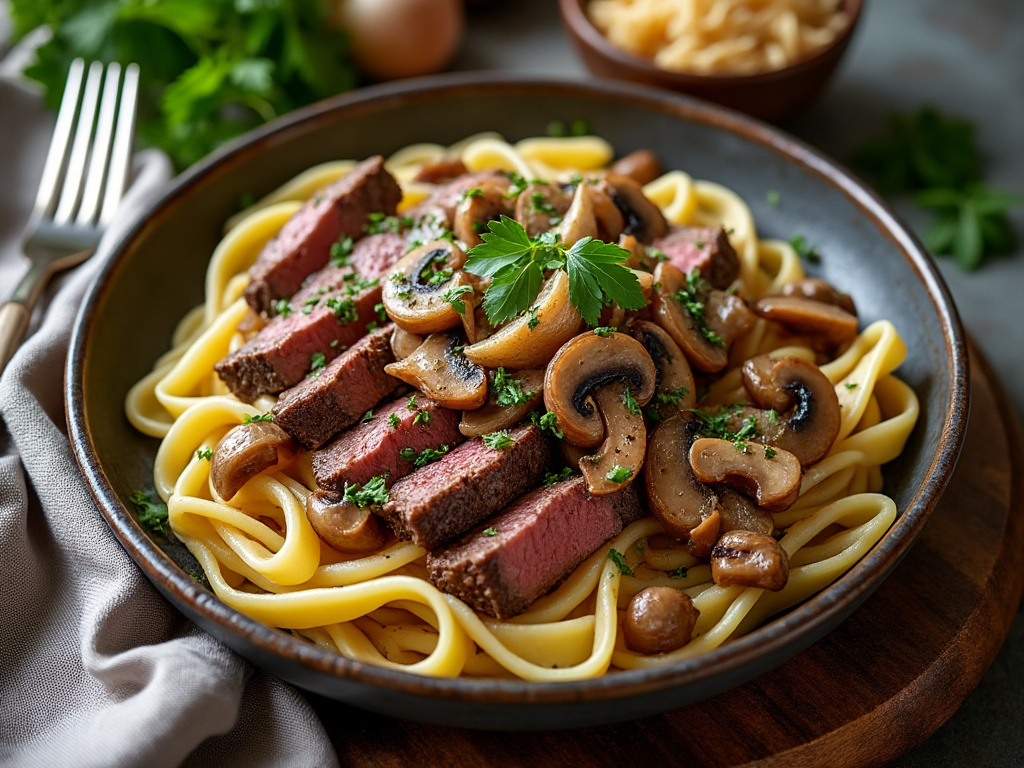
Caramelized Shallot and Gruyère Beef Stroganoff
Rich beef stroganoff with caramelized shallots, Gruyère, and tender sirloin — a weeknight dinner that tastes like it took all day.
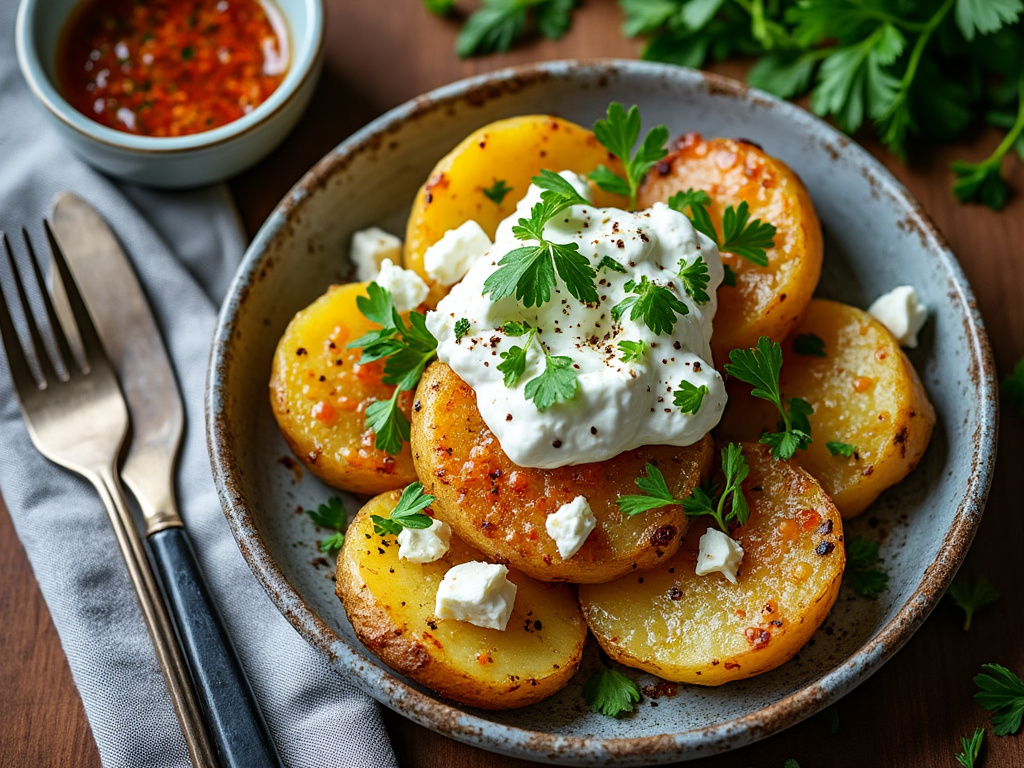
Smashed Potatoes with Whipped Feta, Chili Oil, and Fresh Herbs
Crispy smashed potatoes on a bed of tangy whipped feta, finished with chili oil and fresh herbs. A weeknight side that earns the plate.
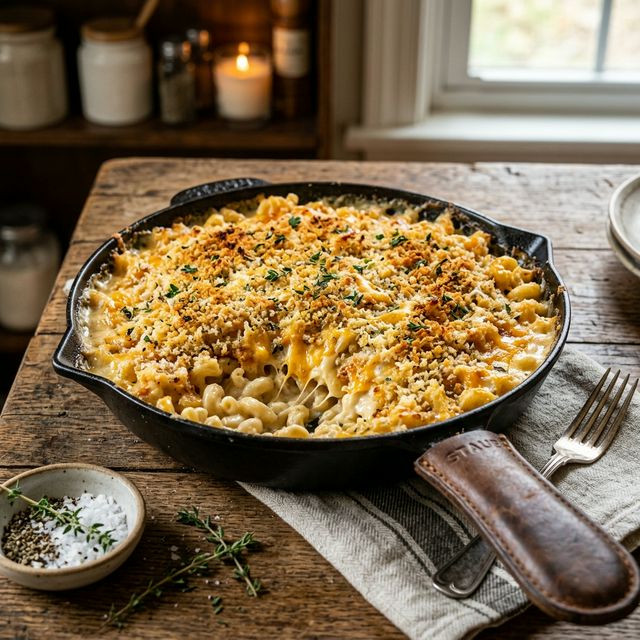
Cast Iron Mac and Cheese
Stovetop cheddar-gruyere sauce, elbow macaroni, and a buttered panko crust baked in cast iron. Ready in 40 minutes, crispy on top, creamy all the way through.