Charred Tomatillo and Chicken Pozole Verde
Smoky charred tomatillo pozole verde with tender pulled chicken and hominy — a bold, satisfying Mexican stew ready in under 90 minutes.

Pozole verde is not a subtle soup. The tomatillos go into a dry skillet until blackened in spots, which drives off their sharp acidity and replaces it with something deeper and slightly smoky. That char is the backbone of the broth — skip it and the verde tastes flat, no matter how many herbs you add. The poblano and pepitas blended into the base give the broth body and a gentle nuttiness without any cream.
You get a rich, lightly spicy green broth with shredded chicken and fat hominy kernels that stay pleasantly chewy. This is a weeknight-capable meal if you use boneless thighs, but it holds up just as well for a casual dinner with a spread of garnishes on the table. If the broth tastes sharp after blending, it needs more salt — not more lime.
Ingredients
- ▸ 1.5 lbs boneless skinless chicken thighs
- ▸ 1.5 lbs fresh tomatillos, husked and rinsed (about 14-16 medium)
- ▸ 1 large poblano pepper
- ▸ 3 tbsp raw pepitas (pumpkin seeds)
- ▸ 4 cloves garlic, unpeeled
- ▸ 1 medium white onion, quartered
- ▸ 1 jalapeño, stemmed (seeded for less heat)
- ▸ 1 cup fresh cilantro leaves and tender stems, packed
- ▸ 2 tbsp neutral oil, divided (such as avocado or vegetable oil)
- ▸ 1 tsp ground cumin
- ▸ 1 tsp dried Mexican oregano
- ▸ 1.5 tsp Diamond Crystal kosher salt, plus more to taste
- ▸ 0.5 tsp freshly ground black pepper
- ▸ 4 cups low-sodium chicken broth
- ▸ 2 cups water
- ▸ 2 cans (15 oz each) hominy, drained and rinsed
- ▸ 2 tbsp fresh lime juice (about 1 large lime)
- ▸ 0.25 cup thinly sliced white onion, for serving
- ▸ 1 cup finely shredded green cabbage, for serving
- ▸ 4 radishes, thinly sliced, for serving
- ▸ 0.5 tsp dried Mexican oregano, for serving
- ▸ 1 lime, cut into wedges, for serving
- ▸ 0.25 cup sour cream, for serving (optional)
🛒 Links may earn us a small commission at no cost to you.
Recommended Gear
🛒 We may earn a small commission at no extra cost to you. We only recommend gear we'd use ourselves.
Instructions
Char the Verde Base
- 1. Heat a 12-inch cast iron skillet over high heat for 2 minutes until it begins to smoke lightly. Add the tomatillos, poblano, unpeeled garlic cloves, and quartered onion in a single layer — work in batches if needed. Char without stirring for 4-5 minutes until the undersides are deeply blackened in spots, then turn with tongs and char the other sides for another 3-4 minutes. The tomatillos should be softened and partially collapsed, the skin on the poblano blistered and bubbling. Remove everything to a plate.
- 2. Add the pepitas to the same dry skillet over medium heat. Toast, stirring constantly, for 2-3 minutes until they are golden and begin to pop — you'll hear a faint crackling and smell a nutty aroma. Tip them onto the plate with the charred vegetables immediately so they don't burn.
- 3. Peel the charred garlic cloves once cool enough to handle (about 2 minutes). Peel, stem, and seed the poblano, scraping away the charred skin with your fingers or a spoon. Add the peeled garlic, peeled poblano, charred tomatillos and onion, toasted pepitas, jalapeño, cumin, and dried oregano to a blender. Blend on high for 45-60 seconds until completely smooth and bright green. Add the cilantro and pulse 5-6 times just until incorporated — overblending the herbs dulls the color. Season with 1 tsp of the kosher salt.
Cook the Chicken
- 1. Heat 2 tbsp neutral oil in a 6-quart Dutch oven over medium-high heat until shimmering, about 90 seconds. Pat the chicken thighs dry with paper towels and season all over with the remaining 0.5 tsp kosher salt and the black pepper. Lay them in the pot without crowding — work in batches if necessary. Sear for 3-4 minutes per side until golden brown and releasing easily from the pan. You're not cooking them through yet, just building color. Transfer to a plate.
- 2. Reduce the heat to medium. Pour the blended verde base into the Dutch oven — it will spit and sputter as it hits the hot oil, so stand back. Stir immediately and cook the verde, stirring frequently, for 5-6 minutes until it darkens slightly in color from bright to a deeper olive green and smells roasted rather than raw. This step cooks out the raw tomatillo sharpness.
Simmer and Assemble
- 1. Pour in the chicken broth and 2 cups of water, stirring to combine with the verde base. Return the seared chicken thighs to the pot along with any resting juices. The liquid should just cover the chicken — if not, add a splash more water. Bring to a boil over high heat, then reduce to a steady simmer over medium-low.
- 2. Simmer uncovered for 25 minutes until the chicken reaches 165°F internally and pulls apart easily when pressed with a spoon. The broth should have reduced slightly and turned a rich, deep green.
- 3. Transfer the chicken thighs to a cutting board. Shred them using two forks — they should fall apart with minimal effort. While you shred, add the drained hominy to the simmering broth and cook for 5 minutes until the kernels are heated through and have absorbed some of the verde color around their edges.
- 4. Return the shredded chicken to the pot. Stir in 2 tbsp fresh lime juice. Taste and adjust salt — pozole typically needs more than you'd expect, so season generously. Simmer together for 2-3 more minutes until everything is cohesive and the broth smells bright and smoky at once.
Serve
- 1. Ladle the pozole into deep bowls. Set out the garnishes — shredded cabbage, sliced radishes, diced white onion, lime wedges, a pinch of dried Mexican oregano, and sour cream if using — and let everyone build their own bowl. The garnishes aren't decoration; the crunch and acid are part of how the dish eats.
Cook's Notes
- Don't rush the charring step — the blackened spots on the tomatillos and poblano are flavor, not damage. Pale, barely-colored tomatillos will make a bland, acidic broth.
- Mexican oregano is not the same as Mediterranean oregano — it has a slightly citrusy, more assertive flavor. It's worth finding (most Latin grocery sections stock it), but if unavailable, use 1/2 tsp Mediterranean dried oregano instead.
- The blended verde base can be made up to 3 days ahead and refrigerated in a sealed container. Bring it to room temperature before adding it to the hot Dutch oven to prevent splattering.
- Hominy brine is quite salty — always rinse the canned hominy well before adding it, or your finished broth will be over-salted before you can adjust.
- This pozole tastes better the next day once the hominy has had time to absorb the broth overnight.
Pro Tips
- → If your blender doesn't handle hot liquids well, let the charred ingredients cool for 5 minutes before blending and remove the center cap from the lid, holding a folded kitchen towel over the opening — hot liquid expands rapidly and can blow the lid off.
- → Cooking the verde base in the pot for 5-6 minutes before adding liquid is non-negotiable — it's called 'frying the salsa' and it removes the raw, acidic edge that makes homemade green salsas taste harsh. If you skip this step and go straight to adding broth, the finished soup will taste unfinished.
- → If the finished broth tastes flat even after salting, the issue is almost always insufficient char on the tomatillos, not a missing ingredient. You can rescue it by toasting 1/2 tsp additional cumin in a dry pan for 30 seconds and stirring it directly into the simmering pot.
- → The shredded chicken will continue to absorb broth as it sits — if you're making this for meal prep, store the chicken and broth separately, then combine when reheating. This prevents the chicken from becoming dry and the broth from thickening too much.
- → Use a blender, not an immersion blender, for the verde base. Immersion blenders don't fully break down the pepitas, leaving the broth grainy instead of silky smooth.
- → If the broth is more yellow-green than vibrant green after cooking, your tomatillos may have been overripe (soft, turning yellow before charring). Next time, look for firm tomatillos with tight, papery husks and a bright green skin underneath — they have more chlorophyll and hold their color better through cooking.
What to Serve With This
Warm corn tortillas are the obvious move: tear them and dip directly into the broth, or crisp them in a dry skillet for about 90 seconds per side until they blister and firm up. Tostadas work the same way and add a crunch that contrasts the soft hominy. Either option soaks up the verde broth cleanly without competing with the tomatillo flavor.
For drinks, a lager does the job here — Modelo Especial or Pacifico cut through the fat in the broth without amplifying the heat. If you want wine, go with a dry Albariño or an unoaked Grüner Veltliner. Both are high-acid whites that mirror the tomatillo brightness and stay clean on the palate between spoonfuls. Skip anything oaky or full-bodied; it will fight the herbs.
If you're setting up a full spread, a simple shredded cabbage slaw dressed with lime juice, a pinch of salt, and a drizzle of neutral oil is all you need on the side. It acts as a palate reset between bites and adds crunch the soup itself doesn't have.
For a non-alcoholic option, agua fresca de pepino — cucumber blended with water, lime, and a touch of honey — is cooling and bright, which plays well against the warm chile heat in the broth.
Variations & Substitutions
To make this vegetarian, swap the chicken for two 15-oz cans of drained cannellini beans and one 15-oz can of jackfruit, shredded. Reduce the simmering time to 20 minutes since you're not cooking meat. Use vegetable broth in place of chicken broth, and add 1 tbsp nutritional yeast to the blended base to replicate some of the savory depth the chicken provides.
For a spicier version, add two seeded serrano chiles to the skillet alongside the tomatillos during the charring step. Serranos char faster than tomatillos — pull them after about 4 minutes when the skin is blistered and darkened. This adds a sharper, grassier heat than the poblano alone. If you want more depth without more heat, add one dried ancho chile (stem and seed removed) to the simmering broth for the last 20 minutes, then fish it out before serving.
To scale this up for a crowd, double every ingredient except the salt — season the doubled batch to taste at the end rather than simply doubling the salt, since hominy brine levels vary by brand. An 8-quart Dutch oven handles a double batch comfortably. The blending step will require two passes in a standard blender.
For a gluten-free version, the recipe is already gluten-free as written — just verify your chicken broth label, since some brands add wheat-based thickeners. Swanson and Pacific Foods both make certified GF options.
Frequently Asked Questions
Can I use canned tomatillos instead of fresh? ▼
You can, but you'll lose the char entirely since canned tomatillos are already cooked and won't blister properly in a dry skillet. Drain them well and add them directly to the blender with the other verde ingredients. The broth will be milder and more acidic — compensate by adding an extra 1/2 tsp of cumin and a longer simmer of about 10 more minutes to mellow the sharpness.
Can I make this in a slow cooker? ▼
Yes, but still char the tomatillos and blend the verde base on the stovetop first — that step can't be replicated in a slow cooker. Add the blended base, chicken, hominy, and broth to the slow cooker and cook on LOW for 6-7 hours or HIGH for 3-4 hours. Shred the chicken directly in the pot before serving.
How do I store and reheat leftovers? ▼
Store in an airtight container in the refrigerator for up to 4 days. Reheat gently on the stovetop over medium-low heat, stirring occasionally, until steaming — about 8 minutes. The hominy softens slightly after sitting in the broth overnight, which some people prefer. Add a splash of broth or water if it thickens too much during storage.
Can I freeze pozole verde? ▼
Yes. Freeze in portion-sized containers for up to 3 months. Thaw overnight in the refrigerator, then reheat on the stovetop. The hominy texture holds well through freezing; the chicken may shred a bit more finely after thawing, but the flavor stays intact. Don't freeze with the garnishes — add those fresh when serving.
What if I can't find hominy? ▼
Canned hominy is stocked in most supermarkets near the canned beans (Goya and Bush's are two common brands). If genuinely unavailable, substitute one 15-oz can of drained chickpeas — the texture is different but they hold up in the broth. Do not use dried hominy without soaking and pre-cooking it separately; it won't soften adequately in the soup's cook time.
My broth looks more brown than green. What happened? ▼
Over-charring the tomatillos is usually the cause — if they go past blackened-in-spots to fully scorched all over, the char overwhelms the green color. Also, blending the cilantro too long on high heat can dull the green. Make sure the broth has cooled slightly before blending, and add the cilantro last, pulsing just until smooth rather than running the blender for a full minute.
Can I use bone-in chicken instead of boneless thighs? ▼
Bone-in thighs or a split chicken breast work well and add more collagen to the broth. Increase the simmering time to 35-40 minutes and check that the meat pulls away from the bone easily before shredding. Remove the bones before returning the shredded chicken to the pot.
How do I make this less spicy for kids? ▼
Seed and devein the poblano completely before charring — the seeds and white membrane carry most of the heat. Omit the jalapeño in the garnishes. The resulting broth will be mild and herby with just a gentle warmth from the tomatillos themselves.
What garnishes are traditional and which can I skip? ▼
Shredded cabbage, sliced radishes, dried oregano, lime wedges, and diced white onion are the classic table garnishes. The lime and cabbage are worth having — they brighten and add crunch. Sliced avocado or a spoonful of sour cream are non-traditional but work well if you want something richer. Skip whichever you don't have; the soup is complete without any of them.
Enjoyed this recipe?
Daily Home Cookery is self-funded. If something you cooked here made dinner a little better, a coffee keeps the kitchen running.
☕ Buy me a coffeeYou Might Also Like

Berbere-Spiced Red Lentil Soup with Crispy Fried Shallots and Lemon Yogurt
A deeply spiced Ethiopian-inspired red lentil soup topped with crispy fried shallots and cool lemon yogurt — weeknight-fast, meal-prep friendly.
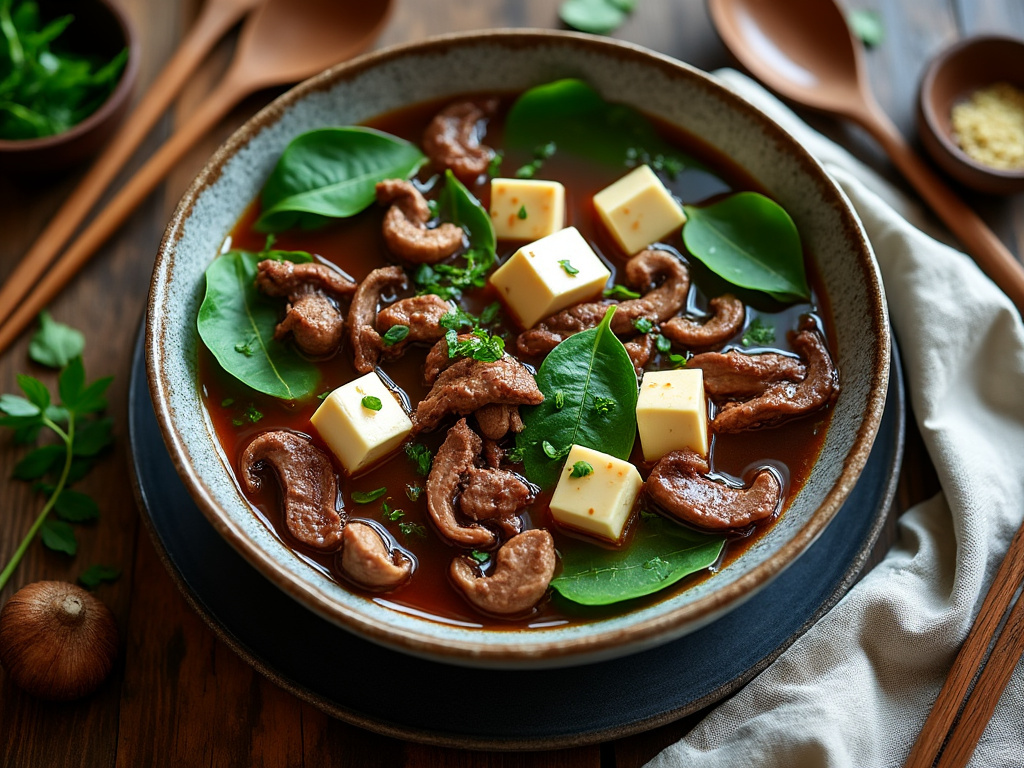
Sichuan-Spiced Beef and Tofu Hot Pot with Sesame Broth
A deeply aromatic Sichuan hot pot with thinly sliced beef, silken tofu, and a numbing sesame-chili broth. Ready in 65 minutes.
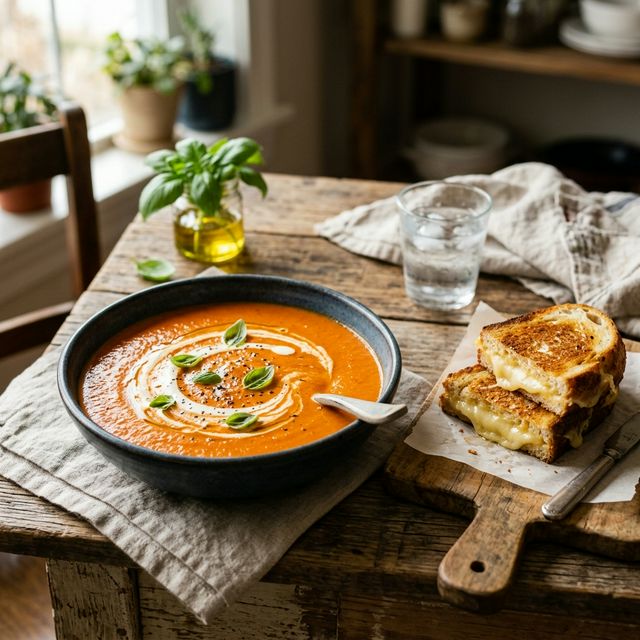
Roasted Tomato Basil Soup
Roma tomatoes roasted at 425°F until charred, then blended with cream and fresh basil. Rich, silky, and ready in 40 minutes.