Crispy Sheet Pan Lemon Garlic Chicken with Roasted Vegetables
One pan, 45 minutes: crispy lemon garlic chicken with roasted potatoes, broccoli, and blistered tomatoes finished with balsamic. Real weeknight cooking.
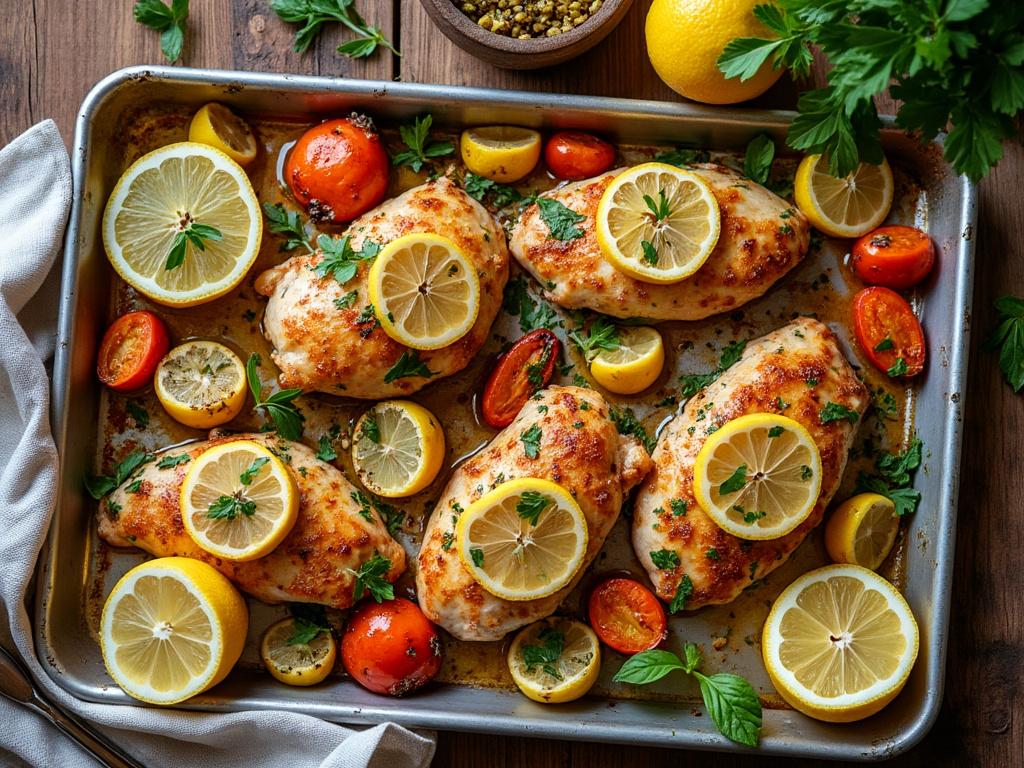
One sheet pan, 45 minutes, and actual crispy chicken skin — that's the pitch here. The move that makes this work is the staggered roasting: potatoes go in first for 12 minutes so they don't come out raw while the chicken overcooks trying to catch up. The lemon-garlic mixture pulls double duty as both a marinade brush and a vegetable toss, so nothing on the pan tastes under-seasoned. You get chicken with a little char on the edges, potatoes with crispy cut sides, and cherry tomatoes that blister and collapse into a loose sauce when the balsamic hits them at the end. This is a weeknight dinner, start to finish, with one pan to wash. If your chicken breasts are larger than 6 oz, they'll need an extra 4-5 minutes — pull them at exactly 165°F on an instant-read thermometer, not a degree more, or they'll be dry by the time they hit the table.
Ingredients
- ▸ 4 boneless skinless chicken breasts (6 oz each)
- ▸ 3 tbsp olive oil
- ▸ 4 cloves garlic, minced
- ▸ 2 tbsp fresh lemon juice
- ▸ 1 tbsp lemon zest
- ▸ 1 tsp dried oregano
- ▸ 1 tsp salt
- ▸ 1/2 tsp black pepper
- ▸ 1/4 tsp red pepper flakes
- ▸ 1 lb baby potatoes, halved
- ▸ 2 cups broccoli florets
- ▸ 1 cup cherry tomatoes
- ▸ 2 tbsp fresh parsley, chopped
- ▸ 1 tbsp balsamic vinegar
🛒 Links may earn us a small commission at no cost to you.
Recommended Gear
🛒 We may earn a small commission at no extra cost to you. We only recommend gear we'd use ourselves.
Instructions
Prep
- 1. Preheat oven to 425°F.
- 2. Pat chicken breasts dry with paper towels.
- 3. In a small bowl, whisk together olive oil, minced garlic, lemon juice, lemon zest, oregano, salt, pepper, and red pepper flakes.
Assemble & Roast
- 1. Arrange potatoes on a large sheet pan and drizzle with 1 tbsp of the lemon garlic mixture. Toss to coat.
- 2. Roast potatoes for 12 minutes until they begin to soften.
- 3. Remove pan from oven and push potatoes to the sides. Arrange chicken breasts in the center.
- 4. Brush chicken generously with remaining lemon garlic mixture on both sides.
- 5. Add broccoli florets and cherry tomatoes around the chicken. Toss vegetables with any remaining oil mixture.
- 6. Return to oven and bake for 16-18 minutes, until chicken reaches an internal temperature of 165°F on a meat thermometer.
- 7. Remove from oven and let rest for 2 minutes.
- 8. Drizzle balsamic vinegar over vegetables. Garnish with fresh parsley.
Cook's Notes
- Pat the chicken completely dry before brushing on the marinade — surface moisture is the main reason chicken doesn't brown properly at high heat.
- Baby potatoes cut in half roast faster and more evenly than whole ones; if yours are larger than golf-ball size, quarter them instead.
- The balsamic vinegar goes on after the pan comes out of the oven, not before — it burns at 425°F and turns bitter if roasted.
Pro Tips
- → Use a half-sheet pan (18x13 inches) — a smaller pan crowds the vegetables and causes steaming instead of roasting. If you only have a smaller pan, split everything between two.
- → If your oven runs hot or you're using a dark pan, check the chicken at 14 minutes. Dark pans absorb more heat and can push the chicken to temperature faster than expected.
- → Arrange the chicken breasts so they don't touch each other or the vegetables — any contact point traps steam and softens the surface instead of letting it firm up.
- → If the broccoli is charring too fast before the chicken is done, tent just the broccoli loosely with a small piece of foil. Don't cover the whole pan or you'll trap steam.
- → Room-temperature chicken roasts more evenly than cold chicken straight from the fridge. Pull it out 15-20 minutes before you start prepping the vegetables.
- → The lemon-garlic mixture will thicken slightly as it sits because the zest releases pectin. That's fine — it clings to the chicken better that way.
What to Serve With This
Crusty bread is worth adding here — a sliced baguette or ciabatta soaks up the balsamic-lemon juices that pool on the sheet pan. That liquid is too good to leave behind. Set the bread on the table and let people tear into it.
A simple arugula salad with shaved Parmesan and a squeeze of lemon ties the meal together without competing. The peppery bite of arugula cuts through the olive oil richness on the chicken, and the lemon echoes what's already in the marinade without being redundant.
For wine, go with a dry, unoaked white — a Greek Assyrtiko or an Italian Pinot Grigio from Alto Adige both have the acidity to hold up against the lemon and balsamic without getting lost. If you want red, a light Barbera d'Asti works because it's low in tannins and high in acid. For non-alcoholic, sparkling water with a few lemon slices and fresh mint keeps the palate clean between bites.
If you're rounding out the meal for a bigger crowd, a bowl of hummus with warm pita on the side bridges the Mediterranean flavor profile without requiring any extra cooking. It also doubles as a starter while the sheet pan is in the oven.
Variations & Substitutions
To make this vegetarian, swap the chicken for two 15-oz cans of drained chickpeas or one large head of cauliflower cut into thick steaks. Chickpeas go onto the pan at the same time as the potatoes and roast the full time. Cauliflower steaks follow the same timing as the chicken — 16 to 18 minutes at 425°F gets you golden edges and a tender center. The lemon-garlic mixture works identically on both.
For a seasonal swap in fall and winter, replace the broccoli and cherry tomatoes with cubed butternut squash and halved Brussels sprouts. Add the squash with the potatoes at the start; the Brussels sprouts go in with the chicken. This version works well with a pinch of smoked paprika added to the marinade in place of the red pepper flakes.
Scaling up to 6 servings means using two sheet pans. Don't try to crowd everything onto one — the vegetables will steam instead of roast, and the chicken won't brown. Rotate the pans between the upper and lower oven racks halfway through cooking. Use the same marinade ratio scaled to 4.5 tbsp olive oil and 3 tbsp lemon juice.
This recipe is already gluten-free and dairy-free as written. No substitutions needed on either front.
Frequently Asked Questions
How do I store leftovers? ▼
Store everything in an airtight container in the refrigerator for up to 3 days. Keep the chicken and vegetables together — the moisture from the vegetables actually helps the chicken reheat without drying out as fast. Label the container with the date.
What's the best way to reheat this? ▼
Spread everything on a sheet pan and reheat at 375°F for 10-12 minutes. The microwave works in a pinch but the potatoes go soft and the chicken loses any texture it had. If you're microwaving, cover with a damp paper towel and heat in 90-second intervals.
Can I make this ahead? ▼
You can mix the lemon-garlic marinade up to 2 days ahead and refrigerate it in a sealed jar. Halve the potatoes and store them in cold water to prevent browning. Don't brush the chicken more than 30 minutes before roasting or the lemon juice will start to chemically cook the surface and affect texture.
Can I freeze the cooked chicken? ▼
Yes — freeze the chicken separately from the vegetables. Wrap each breast tightly in plastic wrap, then place in a freezer bag with the air pressed out. It keeps well for up to 2 months. The vegetables don't freeze well; they turn mushy after thawing.
Can I use bone-in chicken thighs instead of breasts? ▼
Yes, and they're actually more forgiving. Bone-in skin-on thighs need about 35-40 minutes total at 425°F. Start the potatoes as written, then add the thighs skin-side up when you'd normally add the breasts. Check for 165°F at the thickest part, away from the bone.
What if I don't have fresh lemon? ▼
Bottled lemon juice works for the 2 tablespoons of juice, but skip the zest substitution — there's no good bottled equivalent. The zest carries the volatile oils that give the marinade its brightness. Without it, the flavor will be flatter, so add an extra pinch of oregano to compensate.
My chicken came out dry. What went wrong? ▼
The most common culprit is oversized breasts — anything over 7 oz needs extra time but can also mean the outside dries out before the center reaches temperature. Pound thick breasts to an even thickness, about 3/4 inch, before roasting. And pull them the moment a thermometer reads 165°F — carryover cooking will bring them up a degree or two more as they rest.
Do I need to line the sheet pan? ▼
You don't have to, but lining with foil makes cleanup significantly faster and prevents the garlic from scorching and sticking. Heavy-duty foil or a silicone baking mat both work. If you use parchment, check that it's rated for 425°F — some brands aren't.
Can I use dried parsley instead of fresh? ▼
Use it only as a last resort. Dried parsley adds color but essentially no flavor, and the fresh herb at the end is doing real work here — it cuts through the oil and balsamic. If you don't have parsley, fresh basil or fresh dill would be better substitutes than dried parsley.
Enjoyed this recipe?
Daily Home Cookery is self-funded. If something you cooked here made dinner a little better, a coffee keeps the kitchen running.
☕ Buy me a coffeeYou Might Also Like
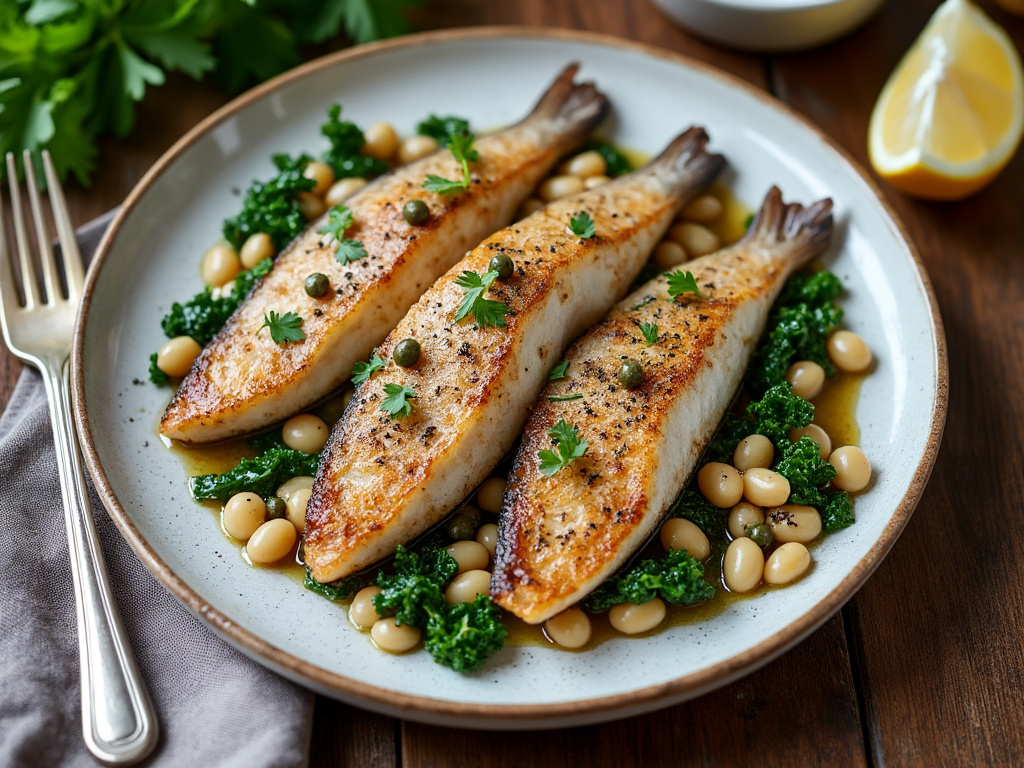
Crispy Skin Branzino with Brown Butter Capers, White Beans, and Wilted Escarole
Pan-seared branzino with crackling skin, nutty brown butter capers, creamy white beans, and wilted escarole — weeknight-ready in 45 minutes.
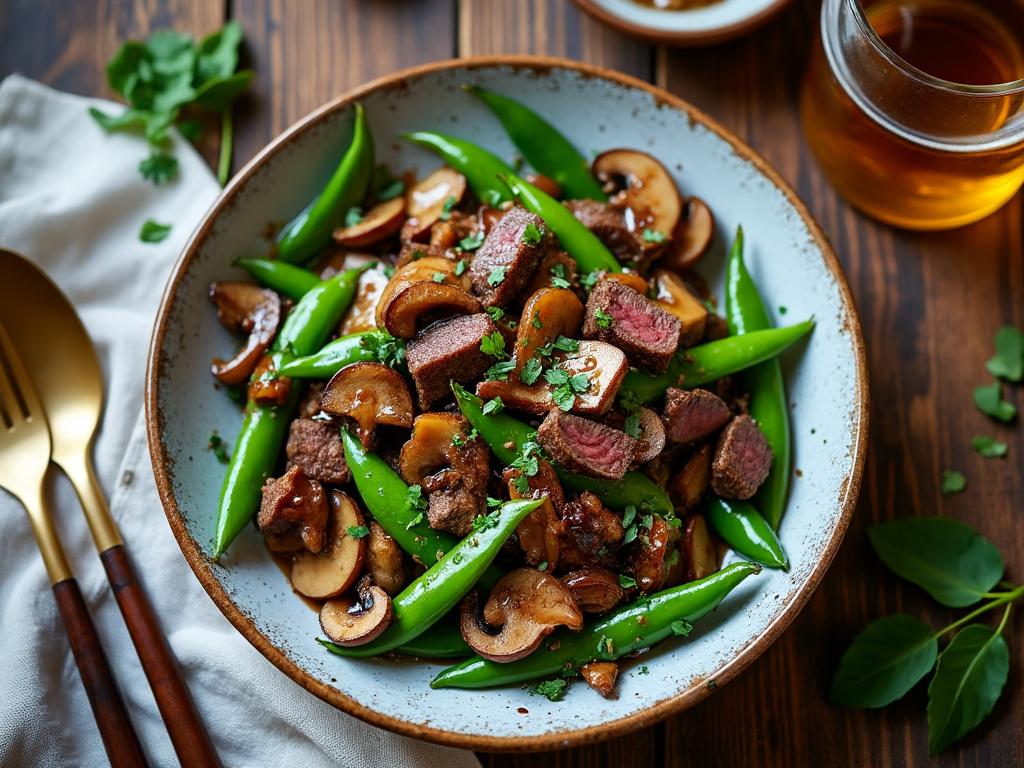
Soy-Ginger Beef Stir-Fry with Snap Peas and Mushrooms
Tender seared beef sirloin, crisp snap peas, and cremini mushrooms tossed in a soy-ginger sauce. Ready in 27 minutes — one wok, weeknight-fast.
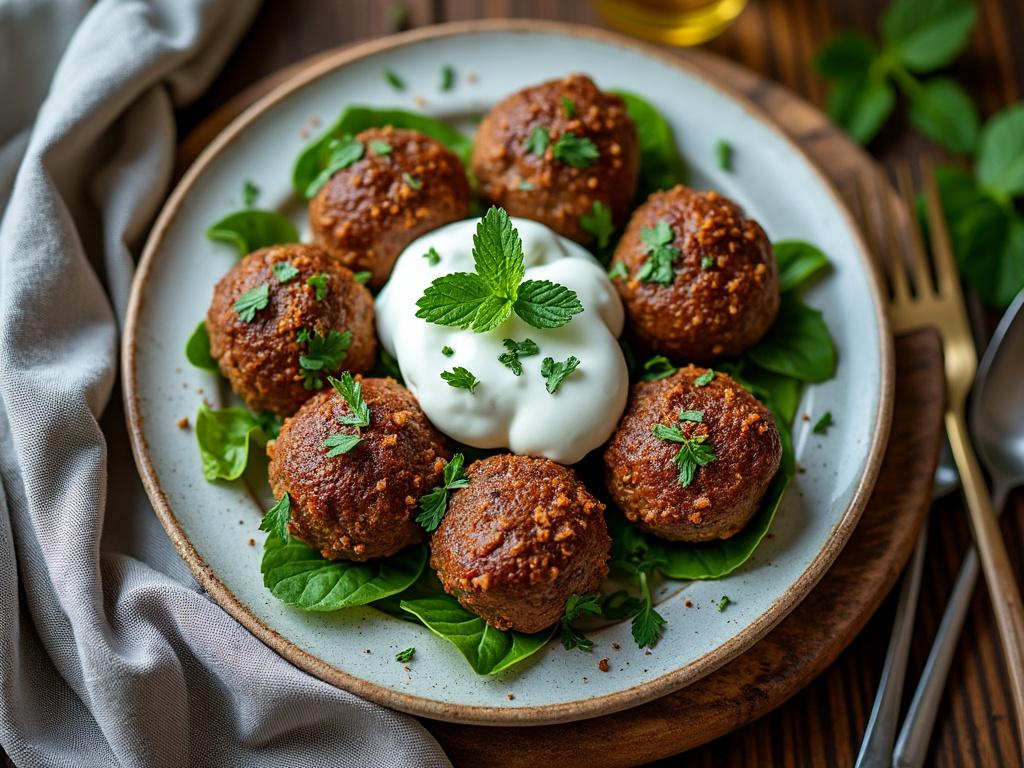
Spiced Lamb Meatballs with Yogurt Sauce
Tender lamb meatballs with cumin, mint, and cayenne, served over a creamy tahini-yogurt sauce with fresh dill and pomegranate seeds. Ready in 35 minutes.