Sheet Pan Harissa Chicken with Roasted Root Vegetables
Bone-in chicken thighs roasted at 425°F with harissa, honey, and root vegetables. One pan, 35 minutes, crispy skin every time.
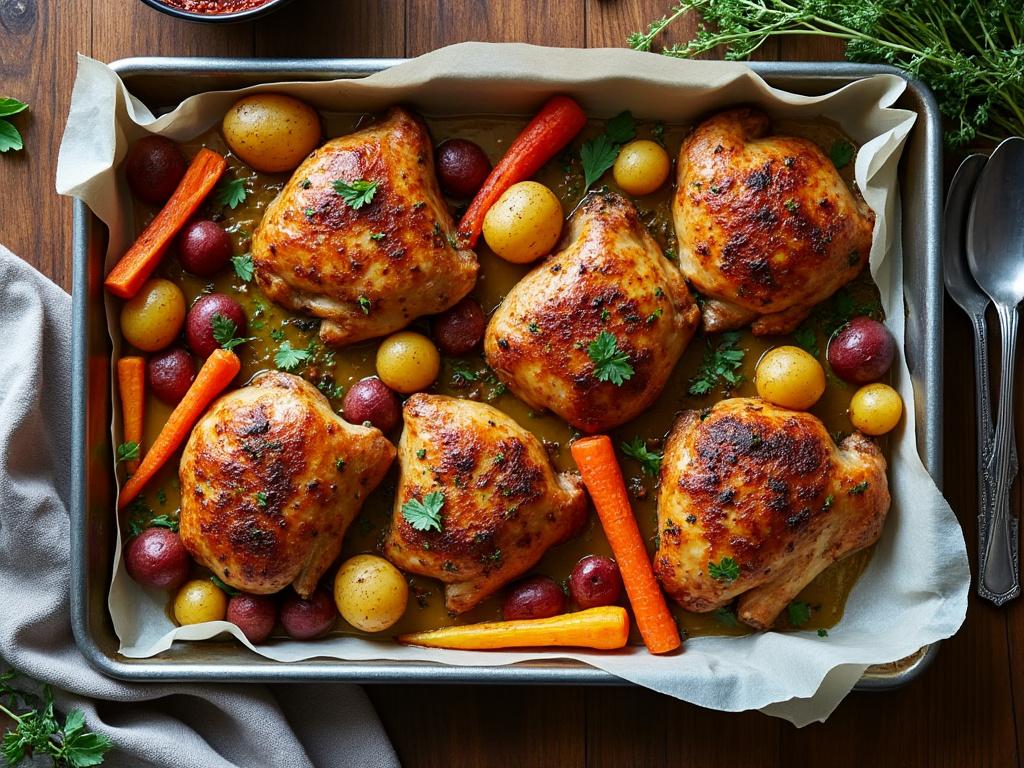
One sheet pan, 425°F, and 35 minutes is all that stands between you and deeply caramelized chicken thighs with tender root vegetables on a weeknight. The real workhorse here is the harissa marinade — paste (not powder) blended with honey, lemon, and cumin creates a lacquered, brick-red crust on the skin while the sugars in the honey help it char at the edges without burning. Bone-in, skin-on thighs are non-negotiable; they stay juicy at high heat and release enough fat to baste the surrounding vegetables as they roast.
Flavor-wise, expect heat that builds slowly from the harissa, cut by the honey's sweetness and the brightness of fresh lemon. The parsnips go slightly nutty and caramelized; the potatoes absorb the spiced pan drippings. This is a reliable weeknight dinner that also holds well for meal prep — the leftovers reheat cleanly. If your vegetables are browning faster than the chicken is cooking through, tent a piece of foil over the pan for the final 10 minutes.
Ingredients
- ▸ 4 bone-in, skin-on chicken thighs (about 1.5 lbs)
- ▸ 1 lb baby potatoes, halved
- ▸ 12 oz rainbow carrots, cut into 2-inch pieces
- ▸ 8 oz parsnips, cut into 2-inch pieces
- ▸ 3 tbsp harissa paste
- ▸ 2 tbsp olive oil
- ▸ 1 tbsp honey
- ▸ 2 tsp kosher salt
- ▸ 1 tsp black pepper
- ▸ 4 garlic cloves, minced
- ▸ 1 tbsp fresh lemon juice
- ▸ 1 tsp ground cumin
- ▸ 2 tbsp fresh cilantro, chopped
🛒 Links may earn us a small commission at no cost to you.
Recommended Gear
🛒 We may earn a small commission at no extra cost to you. We only recommend gear we'd use ourselves.
Instructions
Prep
- 1. Preheat oven to 425°F.
- 2. Pat chicken thighs dry with paper towels and arrange skin-side up on a large sheet pan.
- 3. In a small bowl, whisk together harissa paste, olive oil, honey, garlic, lemon juice, and cumin until smooth.
- 4. Halve potatoes and cut carrots and parsnips into 2-inch pieces.
Season and Roast
- 1. Spread harissa mixture over chicken thighs, coating both sides. Season with 1 tsp salt and 1/2 tsp pepper.
- 2. Scatter potatoes, carrots, and parsnips around the chicken. Drizzle vegetables with a light coating of the remaining harissa (about 1 tbsp), then season with remaining 1 tsp salt and 1/2 tsp pepper. Toss vegetables to coat evenly.
- 3. Roast for 30-35 minutes, stirring vegetables halfway through, until chicken skin is deeply golden brown and an instant-read thermometer inserted into the thickest part of the thigh reads 165°F. Vegetables should be fork-tender and caramelized at the edges.
- 4. Remove from oven and let rest for 5 minutes.
- 5. Scatter fresh cilantro over the sheet pan before serving.
Cook's Notes
- Pat the chicken completely dry before applying the harissa marinade — any surface moisture will steam the skin rather than roast it, and you'll lose the dark, crispy crust.
- Cut your parsnips and carrots to the same 2-inch length so they cook evenly; parsnips are denser near the root end, so cut those pieces slightly thinner.
- Let the pan rest for the full 5 minutes after pulling it from the oven — the carryover heat finishes the thickest part of the thigh and lets the juices redistribute.
- Use a rimmed half-sheet pan (18×13 inches), not a baking dish — the low sides allow moisture to escape and promote browning rather than steaming.
Pro Tips
- → If the chicken skin isn't browning aggressively by the 25-minute mark, switch the oven to broil for the final 3–4 minutes and watch it closely. The honey in the marinade means it can go from golden to scorched in under a minute under a broiler.
- → The harissa mixture should coat the chicken in a thick, paste-like layer — if it looks thin and watery, your harissa paste may be low-quality or diluted. Add an extra teaspoon of paste and reduce the olive oil by half a teaspoon.
- → Don't stir the vegetables in the first half of cooking. Letting them sit undisturbed against the hot pan builds a caramelized crust on the bottom face — that's where most of the flavor develops. Stir only at the halfway point.
- → If your parsnips are large (over 1 inch in diameter at the wide end), give them a 5-minute head start on the sheet pan before adding everything else. Thick parsnips can stay hard in the center while the chicken finishes.
- → Room temperature chicken roasts more evenly than cold chicken straight from the fridge. Pull the thighs out 20–30 minutes before cooking to take the chill off.
- → An instant-read thermometer is the only reliable way to confirm doneness here — visual cues on harissa-coated chicken are unreliable because the dark paste obscures the color of the skin. Target 165°F at the thickest part, away from the bone.
What to Serve With This
A simple green salad dressed with lemon vinaigrette cuts through the richness of the chicken fat and the earthiness of the roasted parsnips. Keep it undressed until the last minute — arugula or butter lettuce both work, and the sharpness of either leaf contrasts the sweet-heat of the harissa glaze.
For bread, warm a few pieces of pita or flatbread directly on the oven rack during the last 3 minutes of cook time. You'll want something to drag through the spiced pan drippings. A thick-cut sourdough also works if that's what you have on hand.
On the drink side, this dish pairs well with a chilled Grenache rosé — the fruit-forward, low-tannin profile doesn't fight the harissa heat. If you prefer white wine, go for a Viognier or an off-dry Riesling; the subtle sweetness mirrors the honey in the marinade. For beer, a malt-forward amber ale softens the spice. Non-alcoholic: sparkling water with a squeeze of blood orange keeps the palate clean between bites.
If you want a cooling element alongside, a small bowl of plain whole-milk Greek yogurt with a pinch of salt works well as an informal sauce. The dairy dampens the harissa's heat without masking it.
Variations & Substitutions
To make this vegetarian, swap the chicken thighs for two 15-oz cans of drained chickpeas or one block of extra-firm tofu pressed and cut into 1-inch cubes. Reduce the roast time to 20–22 minutes, tossing once at the halfway point. The chickpeas will blister and crisp in spots; the tofu will develop a chewy crust. Use the same harissa marinade at the same quantities — nothing changes there.
For a different regional profile, swap the harissa for 3 tablespoons of gochujang (Korean fermented chili paste) and replace the cumin with 1 teaspoon of sesame oil added after roasting. The result is sweeter and funkier than the North African original. Alternatively, a ras el hanout rub in place of the harissa paste shifts the dish toward Moroccan territory — reduce the amount to 2 tablespoons since ras el hanout is dry and more concentrated.
Scaling up to serve 8: use a full 18×26-inch commercial sheet pan or two standard half-sheet pans side by side. Do not crowd everything onto one pan — packed vegetables steam instead of roast and you'll lose the caramelization. Double every ingredient proportionally; cook time stays the same if you're using the same size chicken thighs.
This recipe is naturally gluten-free and dairy-free as written. Just verify your harissa paste label — a few brands (like DEA or Mina) are certified GF, but some imported versions contain trace gluten from shared equipment.
Frequently Asked Questions
Can I use boneless, skinless chicken thighs instead? ▼
Yes, but reduce the cook time to 22–25 minutes and check at the 20-minute mark with an instant-read thermometer. Without the skin, the chicken won't develop the same lacquered crust, but the harissa glaze will still char nicely at the edges. Expect slightly drier results since boneless thighs release less fat.
How do I store and reheat leftovers? ▼
Store in an airtight container in the refrigerator for up to 4 days. Reheat in a 375°F oven for 12–15 minutes on a sheet pan — this crisps the skin back up. Microwaving works in a pinch but the skin goes soft and rubbery. Add a splash of water to the container before microwaving to keep the vegetables from drying out.
Can I make this ahead of time? ▼
You can marinate the chicken and cut the vegetables up to 24 hours in advance — store them separately, covered, in the refrigerator. The marinated chicken can sit on the sheet pan in the fridge for up to 4 hours before roasting. Don't pre-toss the vegetables in harissa ahead of time; they'll get soggy.
Can I freeze this dish? ▼
The chicken freezes well for up to 2 months — wrap individual thighs tightly in foil before placing in a freezer bag. The root vegetables do not freeze well; potatoes become grainy and watery after thawing. Cook a fresh batch of vegetables when you reheat the chicken.
What brand of harissa paste do you recommend? ▼
Mina Harissa (mild or spicy) is widely available at Whole Foods and online and has a clean, balanced heat. DEA brand is a good runner-up. Avoid harissa in a tube — the texture is drier and the flavor is sharper, which throws off the balance of the marinade.
My vegetables aren't caramelizing — what went wrong? ▼
Almost certainly the pan was overcrowded. Vegetables need space to roast; if they're touching, steam builds up and they braise instead of caramelize. Spread them in a single layer, and if necessary, use a second sheet pan. Also make sure your oven is fully preheated before the pan goes in.
Can I use regular full-sized carrots and potatoes instead of baby potatoes and rainbow carrots? ▼
Yes — cut full-sized carrots into 2-inch pieces and dice Yukon Gold or red potatoes into roughly 1-inch chunks. Avoid russet potatoes; they fall apart at high heat. Rainbow carrots are mostly cosmetic; standard orange carrots taste identical here.
Do I need to marinate the chicken overnight? ▼
No. Harissa paste is potent enough to coat and flavor the chicken in the 15 minutes it takes to prep and preheat. An overnight marinade does deepen the flavor slightly, but it's not a meaningful enough difference to require planning ahead.
Can I substitute fresh parsley for the cilantro? ▼
Yes. Flat-leaf parsley works well here — use the same 2-tablespoon quantity. The flavor is milder and slightly peppery rather than bright and citrusy, but it still provides the fresh finish the dish needs.
Enjoyed this recipe?
Daily Home Cookery is self-funded. If something you cooked here made dinner a little better, a coffee keeps the kitchen running.
☕ Buy me a coffeeYou Might Also Like
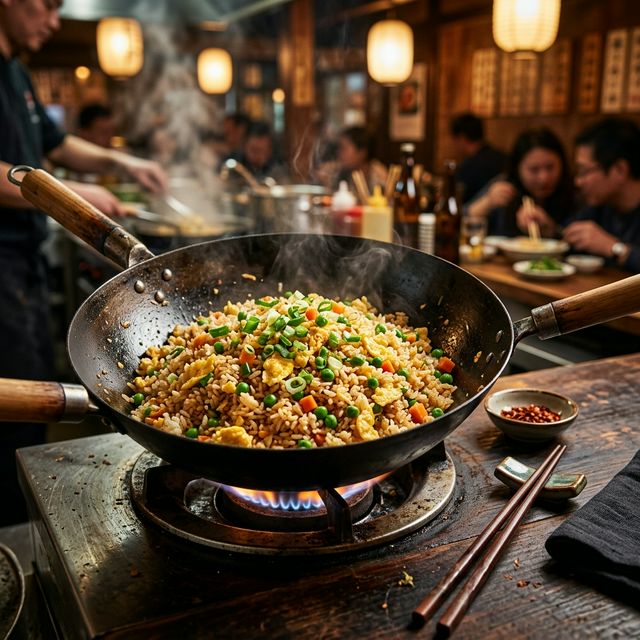
10-Minute Egg Fried Rice
Fast, crispy egg fried rice made in one wok in 10 minutes. Day-old rice, scrambled eggs, sesame oil — the technique that actually works on a home stove.
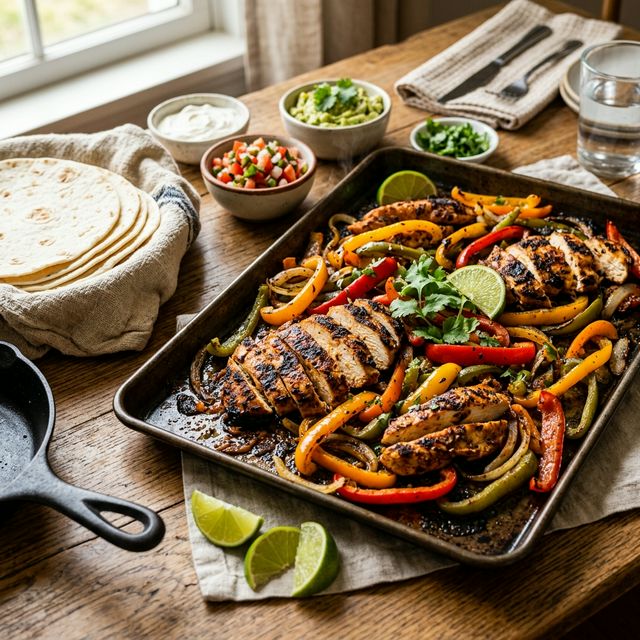
Sheet Pan Fajitas
Juicy chicken strips, charred peppers and onions on one pan in 20 minutes. Smoked paprika, chili powder, double lime — real weeknight fajitas.
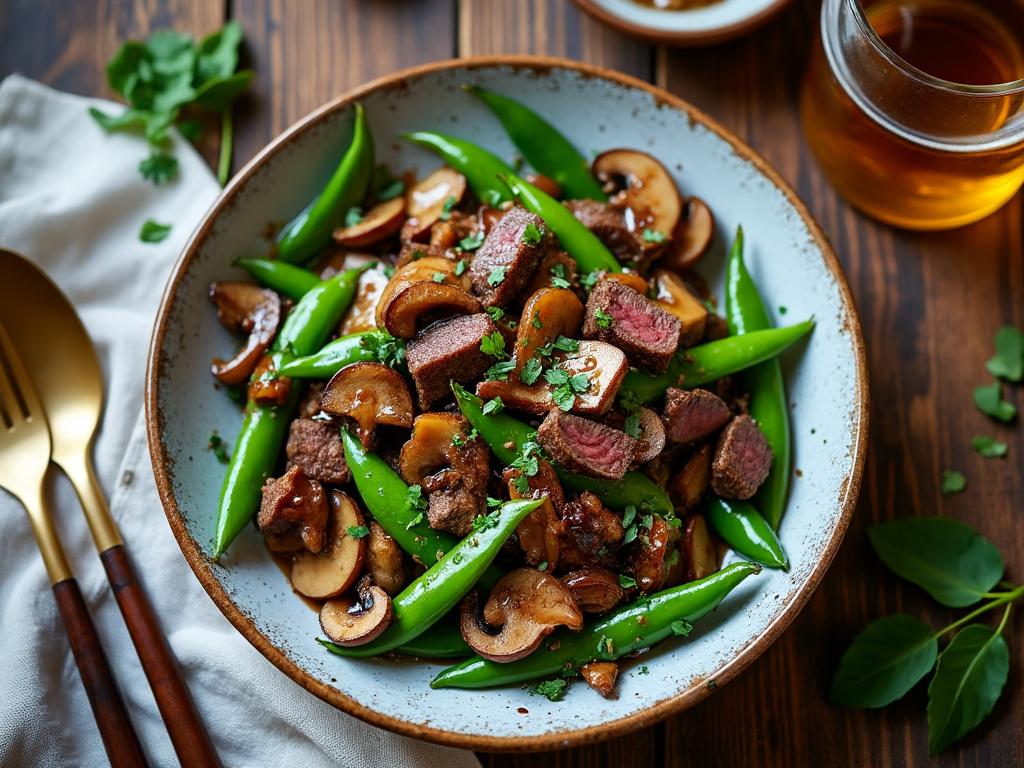
Soy-Ginger Beef Stir-Fry with Snap Peas and Mushrooms
Tender seared beef sirloin, crisp snap peas, and cremini mushrooms tossed in a soy-ginger sauce. Ready in 27 minutes — one wok, weeknight-fast.