Soy-Ginger Beef Stir-Fry with Snap Peas and Mushrooms
Tender seared beef sirloin, crisp snap peas, and cremini mushrooms tossed in a soy-ginger sauce. Ready in 27 minutes — one wok, weeknight-fast.
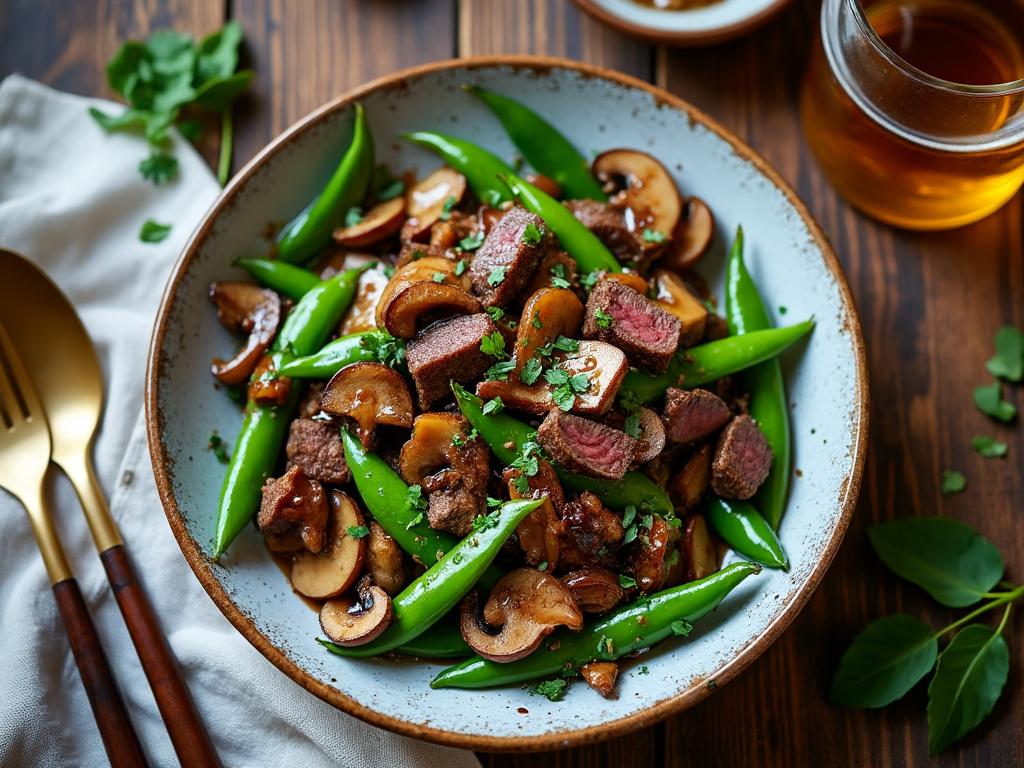
A stir-fry lives or dies by pan temperature. This one starts with a smoking-hot wok, which is why the beef gets actual browning on the edges instead of steaming into a grey pile. The two-batch sear is the move that makes it work — crowd the pan and you lose all that heat immediately. The sauce is soy-forward, lightly sweet from honey, and punchy with fresh ginger; it's not thick or gloopy, just enough to coat everything in about 90 seconds of tossing.
Texture-wise, you get tender beef, snappy snap peas, and meaty cremini mushrooms in every bite. The red bell pepper adds a little sweetness and color without going soft. This is a weeknight dinner — 27 minutes from start to table, one pan after the sauce bowl. If your stir-fry looks too dry when you add the sauce, splash in a tablespoon of water to help it move around the wok.
Ingredients
- ▸ 1.25 lbs beef sirloin, thinly sliced against the grain
- ▸ 3 tbsp soy sauce
- ▸ 2 tbsp rice vinegar
- ▸ 1 tbsp sesame oil
- ▸ 1 tbsp honey
- ▸ 2 tbsp grated fresh ginger
- ▸ 4 cloves garlic, minced
- ▸ 3 cups snap peas, trimmed
- ▸ 8 oz cremini mushrooms, sliced
- ▸ 1 red bell pepper, cut into 1-inch pieces
- ▸ 2 tbsp vegetable oil
- ▸ 1/4 tsp red pepper flakes
- ▸ 2 green onions, sliced
- ▸ 1 tbsp sesame seeds
- ▸ Cooked rice or noodles for serving (optional)
🛒 Links may earn us a small commission at no cost to you.
Recommended Gear
🛒 We may earn a small commission at no extra cost to you. We only recommend gear we'd use ourselves.
Instructions
Prep
- 1. Slice beef sirloin against the grain into 1/4-inch strips and set aside.
- 2. Whisk together soy sauce, rice vinegar, sesame oil, honey, ginger, and red pepper flakes in a small bowl. Set sauce aside.
- 3. Mince garlic and set aside separately from the sauce.
- 4. Trim snap peas, slice mushrooms, cut bell pepper into 1-inch pieces, and slice green onions. Arrange all vegetables within arm's reach of the stove.
Cook
- 1. Heat 1 tbsp vegetable oil in a large wok or 14-inch skillet over high heat until smoking, about 1 minute.
- 2. Working in two batches, sear beef for 1.5 to 2 minutes per batch until browned on the edges but still pink in the center. Transfer to a plate.
- 3. Add remaining 1 tbsp oil to the wok and stir-fry mushrooms and bell pepper together for 3 to 4 minutes until mushrooms release their moisture and begin to brown.
- 4. Add snap peas and stir-fry for 2 minutes until bright green and barely tender.
- 5. Push vegetables to the sides of the wok, add minced garlic to the center, and stir for 30 seconds until fragrant.
- 6. Return beef to the wok, pour in the sauce, and toss everything together for 1 to 2 minutes until sauce coats all ingredients and beef is warmed through.
- 7. Remove from heat, scatter green onions and sesame seeds over the top, and serve immediately over rice or noodles if desired.
Cook's Notes
- Slice the beef while it's cold from the fridge — it firms up slightly and is much easier to cut into even 1/4-inch strips against the grain.
- Have every ingredient measured, cut, and within arm's reach before you turn on the heat. This recipe moves fast and there's no time to hunt for the rice vinegar once the wok is smoking.
- Cremini mushrooms are specifically better here than white button mushrooms — they're firmer, less watery, and hold their shape through the stir-fry.
- Serve immediately. Stir-fry does not hold well — the vegetables continue cooking from residual heat and the snap peas go from crisp to soft within 5 minutes of sitting.
Pro Tips
- → The number one failure mode in stir-fry is a wet pan or wet ingredients. Pat the beef dry with paper towels before searing. Moisture on the meat surface creates steam, which drops pan temperature instantly and prevents browning.
- → Don't move the beef too much during the sear. Set it in the pan, let it sit for a full 90 seconds, then flip or toss. Constant stirring stalls the browning reaction.
- → Keep the garlic separate from the sauce until the last minute. Adding it to the sauce early and letting it sit raw makes the flavor sharp and harsh. Blooming it directly in the hot oil for 30 seconds mellows it and adds depth.
- → If the wok temperature drops mid-cook (you'll hear the sizzle go from aggressive to a dull bubble), stop adding ingredients and let it recover for 20 to 30 seconds before continuing. Patience here saves the dish.
- → The beef should be just barely pink in the center when you pull it after the first sear — it's going back into the hot wok with the sauce and will finish cooking there. Pull it too early: fine. Leave it too long on the first cook: tough and dry.
- → Rice vinegar in the sauce does more than add acidity — it cuts the richness of the sesame oil and lifts the whole flavor profile. Don't swap it for white vinegar, which is too harsh, or apple cider vinegar, which adds a fruitiness that reads wrong here.
What to Serve With This
Steamed jasmine rice is the obvious call, and it's obvious because it works — the neutral starch absorbs the soy-ginger sauce without competing. Cook it while you're prepping so it's ready to go when the stir-fry comes off the heat. If you want noodles, thin rice noodles or lo mein both hold up well; just toss them in a little sesame oil so they don't stick while you wait.
For a vegetable side, a simple cucumber salad with rice vinegar, a pinch of sugar, and sliced chili cuts the richness of the beef and keeps the meal feeling light. You don't need to cook anything extra.
Drink-wise, a cold Japanese lager like Sapporo or Asahi handles the ginger and soy without clashing. If you want wine, a dry Riesling from Alsace or a German Spätlese has enough acidity and a touch of fruit to work against the soy. For non-alcoholic, sparkling water with a squeeze of lime is clean and refreshing alongside this.
If you're serving this for a casual dinner, a small dish of chili crisp on the table lets everyone dial up the heat individually without you adjusting the whole batch.
Variations & Substitutions
To make this vegetarian, swap the beef for 14 oz of extra-firm tofu pressed dry and cut into 1-inch cubes, or use 1.25 lbs of king oyster mushrooms torn into thick strips. Tofu needs the same two-batch high-heat sear to brown properly — don't skip it. King oyster mushrooms will release more moisture, so give them an extra minute in the pan before adding the other vegetables.
For gluten-free, swap the regular soy sauce for tamari (same quantity, same flavor) or use coconut aminos, though coconut aminos are slightly sweeter — reduce the honey to 1 teaspoon to compensate. Everything else in this recipe is already gluten-free.
Seasonal variation: in late summer, swap the snap peas for 2 cups of thin-sliced zucchini and the cremini for shiitake mushrooms. In winter, broccolini works well in place of snap peas — add it with the mushrooms and bell pepper since it needs more time than snap peas.
To scale for 2 servings, halve every ingredient but keep the cook method identical — you'll likely only need one batch for the beef. Scaling up to 6–8 servings means working in more batches; don't try to do it all at once, or you'll steam instead of sear.
Frequently Asked Questions
How do I store leftovers? ▼
Store cooled leftovers in an airtight container in the refrigerator for up to 3 days. Keep the stir-fry separate from rice or noodles so the starches don't absorb all the sauce. The snap peas will soften overnight but are still good.
What's the best way to reheat this? ▼
Reheat in a skillet over medium-high heat with a tablespoon of water to loosen the sauce — about 3 minutes, stirring frequently. Microwave works in a pinch but makes the beef chewy and the vegetables limp. The skillet method gets you much closer to the original texture.
Can I make this ahead? ▼
You can prep everything up to a day ahead: slice the beef, mix the sauce, and cut all the vegetables, storing each separately in the fridge. The actual cooking is so fast (12 minutes) that doing it fully ahead and reheating isn't worth the texture loss. Prep-ahead, cook-fresh is the right move here.
Can I freeze this? ▼
Technically yes, but the snap peas and bell pepper turn mushy after freezing and thawing. If you want to freeze a batch, leave those two vegetables out and add fresh ones when you reheat. The beef, mushrooms, and sauce freeze fine for up to 2 months.
Can I use a different cut of beef? ▼
Flank steak is the closest substitute and slices beautifully against the grain. Skirt steak also works. Avoid stew beef or chuck — the short cooking time won't tenderize those tougher cuts. Pre-sliced stir-fry beef from the supermarket is acceptable if you're short on time, though the slices are often thicker than ideal.
What if I don't have a wok? ▼
A 12-inch or larger stainless steel or cast iron skillet works. Nonstick pans can handle it but won't generate the same browning on the beef. Whatever pan you use, get it fully smoking before the beef goes in — that's the non-negotiable part.
Can I use ground ginger instead of fresh? ▼
Ground ginger is a different flavor profile — drier, earthier, less bright. If you must substitute, use 1 teaspoon ground ginger for the 2 tablespoons fresh. The dish will taste noticeably different. Fresh ginger is worth buying for this recipe.
My sauce didn't thicken — is that normal? ▼
Yes. This sauce isn't designed to be thick like a takeout-style sauce. It's a light glaze that coats rather than clings. If you want more body, mix 1 teaspoon of cornstarch into the sauce before adding it to the wok — it will tighten up as it heats.
Can I add more vegetables? ▼
Yes, but don't add so much that the wok gets crowded. If adding a dense vegetable like broccoli or carrots, add them with the mushrooms and bell pepper so they have enough cook time. Water chestnuts can go in with the snap peas. Total vegetable volume shouldn't exceed about 5 cups or you'll lose the high-heat effect.
Enjoyed this recipe?
Daily Home Cookery is self-funded. If something you cooked here made dinner a little better, a coffee keeps the kitchen running.
☕ Buy me a coffeeYou Might Also Like
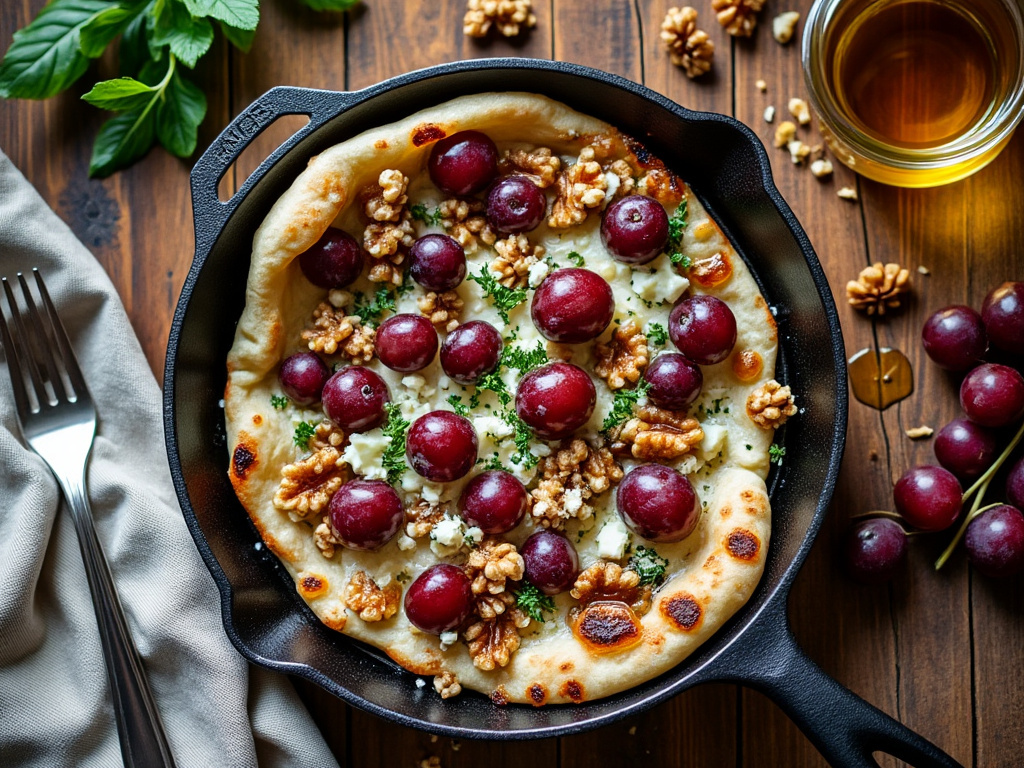
Skillet-Roasted Grape and Gorgonzola Flatbread with Honey and Walnuts
Blistered grapes, creamy Gorgonzola, and toasted walnuts on crispy skillet flatbread — ready in 45 minutes. A stunning weeknight dinner or dinner-party starter.
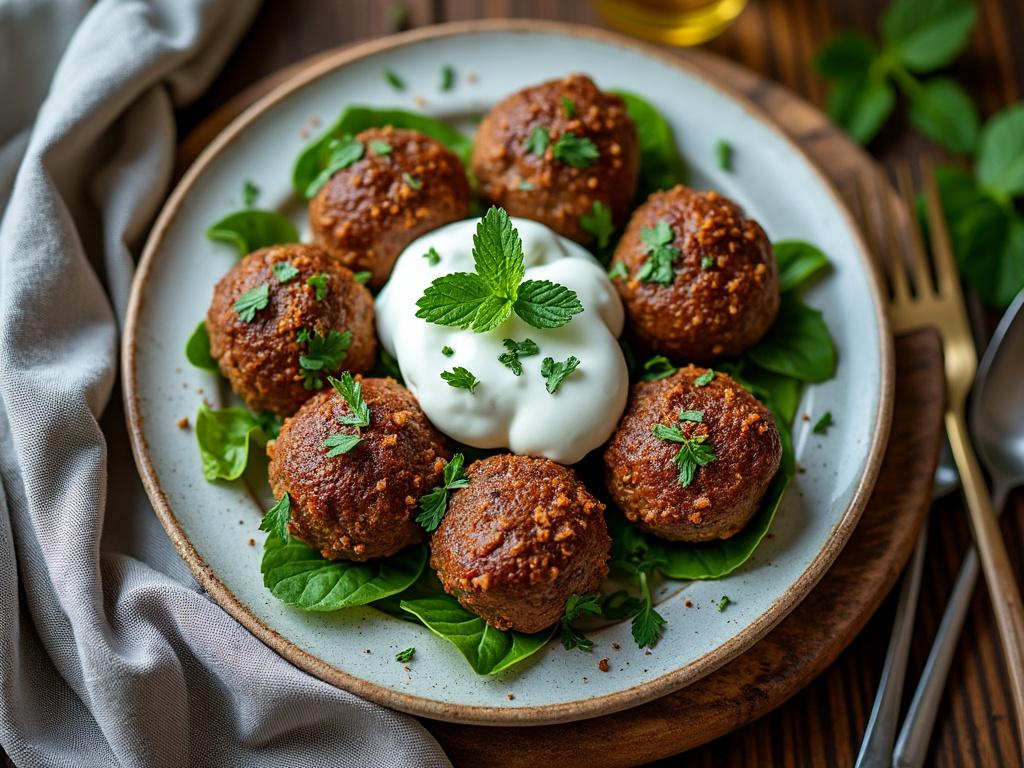
Spiced Lamb Meatballs with Yogurt Sauce
Tender lamb meatballs with cumin, mint, and cayenne, served over a creamy tahini-yogurt sauce with fresh dill and pomegranate seeds. Ready in 35 minutes.
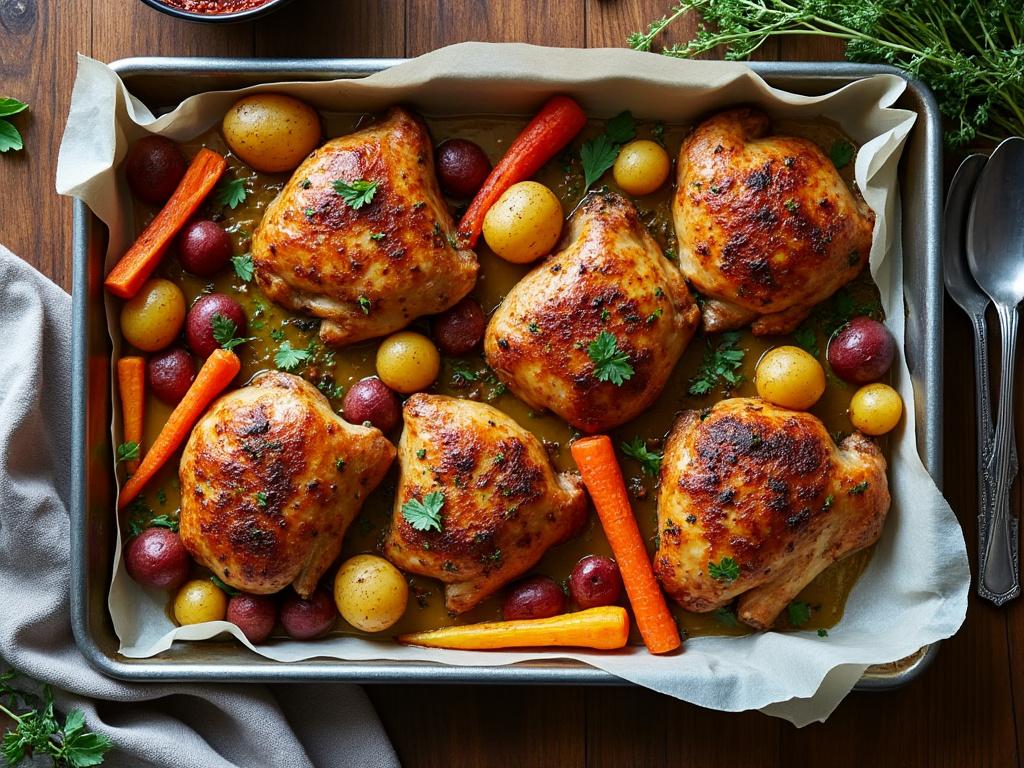
Sheet Pan Harissa Chicken with Roasted Root Vegetables
Bone-in chicken thighs roasted at 425°F with harissa, honey, and root vegetables. One pan, 35 minutes, crispy skin every time.