Miso Caramel Pork Belly Ramen with Soft-Boiled Eggs and Scallion Oil
Rich miso broth, lacquered caramel pork belly, and scallion oil come together in this deeply satisfying homemade ramen. Weeknight-achievable in 2 hours.
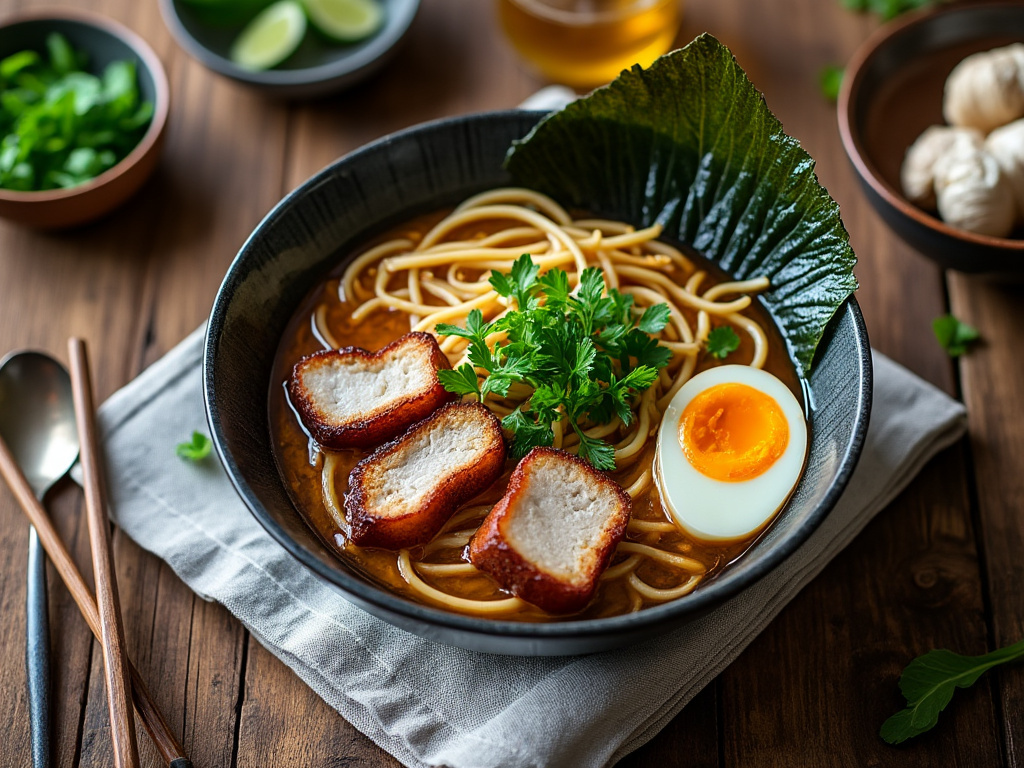
<p>Ramen broth that actually tastes like something took effort — without a three-day bone project. The trick here is building depth fast: miso whisked into a soy-caramel glaze for the pork, then used again to season a chicken-based broth loaded with aromatics. The pork belly caramelizes under the broiler in minutes, giving you that lacquered, almost candied exterior with pull-apart tender fat underneath.</p><p>This lands somewhere between a weeknight dinner and something you'd make to impress. The broth takes about an hour of mostly hands-off simmering. Scallion oil is a ten-minute step that punches well above its prep cost — grassy, hot, and slightly bitter against the sweet-savory broth. Expect a bowl that's rich without being heavy, with the miso giving that long, mineral finish. If your broth tastes flat before serving, it needs more miso or a splash of soy — never more salt alone.</p>
Ingredients
- ▸ 2 lbs skin-on pork belly, in one piece
- ▸ 8 cups low-sodium chicken stock
- ▸ 2 tbsp neutral oil (such as avocado or grapeseed)
- ▸ 6 cloves garlic, smashed
- ▸ 2-inch piece fresh ginger, sliced into coins
- ▸ 4 dried shiitake mushrooms
- ▸ 2 tbsp soy sauce
- ▸ 1 tbsp sake (or dry sherry)
- ▸ 4 tbsp white miso paste (divided), such as Hikari brand
- ▸ 1 tbsp unsalted butter
- ▸ 3 tbsp granulated sugar
- ▸ 2 tbsp soy sauce (for caramel glaze)
- ▸ 1 tbsp mirin
- ▸ 12 oz fresh or dried ramen noodles
- ▸ 4 large eggs
- ▸ 3 tbsp soy sauce (for egg marinade)
- ▸ 1 tbsp mirin (for egg marinade)
- ▸ 0.5 cup water (for egg marinade)
- ▸ 1 bunch scallions (about 6), thinly sliced, whites and greens separated
- ▸ 0.5 cup neutral oil (for scallion oil)
- ▸ 1 tsp Diamond Crystal kosher salt
- ▸ 1 tsp toasted sesame oil
- ▸ 1 tbsp toasted sesame seeds
- ▸ 1 tsp white pepper
- ▸ 2 sheets nori, cut into quarters (for serving)
🛒 Links may earn us a small commission at no cost to you.
Recommended Gear
🛒 We may earn a small commission at no extra cost to you. We only recommend gear we'd use ourselves.
Instructions
Prep
- 1. Score the skin of the pork belly in a 1-inch crosshatch pattern with a sharp knife, cutting just through the skin and into the fat — not into the meat. Pat it completely dry with paper towels. Season all sides with 1 tsp Diamond Crystal kosher salt and 1 tsp white pepper. Let it sit uncovered at room temperature for 20 minutes while you build the broth.
- 2. Peel and slice the ginger into 6–8 coins. Smash the garlic cloves flat with the side of your knife. Slice scallion whites into 1-inch pieces, and keep the green tops thinly sliced for finishing. Set the whites aside for the broth.
- 3. Bring 4 cups of water to a boil in a small saucepan. Add the eggs and cook exactly 6 minutes 30 seconds, then transfer to an ice bath immediately. After 5 minutes, peel under cold running water and place in a small container. Combine 3 tbsp soy sauce, 1 tbsp mirin, and 1/2 cup water; pour over peeled eggs and refrigerate until ready to serve, at least 30 minutes.
Build the Broth
- 1. Heat 2 tbsp neutral oil in the Dutch oven over medium-high until it shimmers and a drop of water flicks away instantly, about 2 minutes. Sear the pork belly skin-side down first — press it flat with tongs. You'll hear aggressive sizzling and see the skin turn a deep golden brown, about 4 minutes. Flip and sear all four sides until evenly browned, another 5–6 minutes total. The pork should smell nutty, not raw. Remove and set aside on a plate.
- 2. Reduce heat to medium. Add garlic, ginger coins, scallion whites, and dried shiitakes to the fat left in the pot. Stir and cook until the garlic is pale gold and the kitchen smells distinctly sweet and toasty, about 3 minutes. Don't let the garlic brown fully here — it will go bitter in a long braise.
- 3. Pour in the chicken stock, 2 tbsp soy sauce, and 1 tbsp sake. Nestle the seared pork belly back in, skin-side up. The liquid should come halfway up the pork — if not, add water in 1/2-cup increments. Bring to a gentle boil, then reduce to a low simmer. Cover with the lid slightly ajar and braise for 60–70 minutes, until a chopstick or skewer slides into the meat with no resistance and the fat cap looks translucent and soft.
- 4. Remove the pork belly to a plate and let it cool for 15 minutes. Strain the broth through a fine-mesh strainer into a clean pot, discarding solids. Skim visible fat with a wide spoon — you want the broth glossy, not greasy. Whisk in 3 tbsp of white miso paste until fully dissolved. Taste: the broth should be savory, slightly sweet, with a long finish. Add the remaining 1 tbsp miso if it needs more depth, or a splash of soy if it needs salt. Keep warm over low heat.
Make the Scallion Oil and Caramel Glaze
- 1. Heat 1/2 cup neutral oil in the small saucepan over medium-high until it just begins to shimmer — about 300°F on an instant-read thermometer. Place sliced scallion greens and 1 tsp sesame oil in a heat-proof jar or bowl. Pour the hot oil directly over the scallions; they'll sizzle and turn bright green immediately, then settle to a deeper olive color in about 30 seconds. Set aside — the oil carries all that grassy, charred flavor.
- 2. Preheat your broiler to high with a rack 6 inches from the element. Slice the rested pork belly into 1/2-inch rounds. For the caramel glaze: combine 3 tbsp sugar in the same small saucepan over medium heat. Cook without stirring until the edges melt and turn amber, then swirl the pan until the whole thing is a deep amber caramel — about 4 minutes total. You're looking for the color of dark honey and the smell of butterscotch. Remove from heat immediately and whisk in 2 tbsp soy sauce and 1 tbsp mirin. It will bubble aggressively — stand back. Add 1 tbsp butter and whisk smooth.
- 3. Arrange pork belly slices on a wire rack set over the sheet pan. Brush each slice generously with the miso caramel. Broil for 3–4 minutes until the glaze is bubbling and scorched at the edges, with a lacquered, mahogany sheen. Watch closely — it goes from perfect to burnt in 60 seconds under a strong broiler.
Cook Noodles and Assemble
- 1. Bring a large pot of unsalted water to a rolling boil. Cook ramen noodles according to package directions — typically 2–3 minutes for fresh, 4–5 for dried — until just tender with a slight chew. Drain well; do not rinse.
- 2. Halve the marinated eggs lengthwise — the yolk should be custard-like and deep orange, fully set at the edges. Divide noodles among four deep bowls. Ladle roughly 1.5 cups of hot miso broth over each. Arrange 3–4 pork belly slices in each bowl, then add 2 egg halves. Drizzle 1–2 tsp of scallion oil over the surface of the broth — you'll see it bead and pool over the miso in glossy green-gold streaks.
- 3. Finish each bowl with a sprinkle of toasted sesame seeds, a few extra sliced scallion greens, and 2 pieces of nori tucked against the noodles. Serve immediately — ramen waits for no one; the noodles start absorbing broth within 2 minutes.
Cook's Notes
- The pork belly is easier to slice cleanly if you let it cool for at least 15 minutes after braising — hot fat is soft and the layers slide apart. For even cleaner cuts, refrigerate the whole braised piece for 20 minutes.
- Don't rush the caramel: pulling it too early (pale amber) gives a bland glaze; taking it past dark amber into near-black gives a bitter one. The sweet spot smells like butterscotch and looks like dark honey.
- Make the scallion oil at least 15 minutes before you need it — it gets more aromatic as it sits and the scallions steep in the hot oil.
- If you can't find fresh ramen noodles, the dried wavy noodles sold in Asian grocery stores (not the instant noodle kind) are the best substitute. Supermarket spaghetti works in a pinch but changes the texture significantly.
- This broth is intentionally seasoned on the lighter side before serving — the caramel pork and scallion oil both add saltiness to the bowl, so taste everything together before adding more miso or soy.
Pro Tips
- → If your caramel glaze seizes up and turns grainy when you add the soy sauce, the temperature contrast was too extreme — return the pan to low heat and stir constantly; the sugar will re-dissolve within 2 minutes.
- → Scoring the pork belly skin before braising isn't just aesthetic — it lets fat render out during the sear, which prevents the skin from buckling and gives the caramel glaze better surface to cling to under the broiler.
- → If the broth tastes flat or one-dimensional after straining, the fix is almost never more salt — whisk in miso 1 tsp at a time. Miso adds both umami depth and a subtle sweetness that salt alone can't replicate.
- → The scallion oil technique — pouring hot oil over raw aromatics — works because the oil temperature is high enough to cook the scallions instantly (blooming their flavor) without burning them. If your oil smokes or goes dark brown before you pour it, discard and start fresh; acrid oil ruins the whole bowl.
- → For the egg marinade, the ratio matters: too much soy without mirin makes the whites rubbery and aggressively salty after just a few hours. The 3:1 soy-to-mirin ratio is the floor — don't go higher on the soy.
- → If you're making this for a dinner party, braise the pork belly up to two days ahead and refrigerate it whole in its braising liquid (strained). The day of, slice, glaze, and broil fresh — it takes 10 minutes and the pork tastes significantly better than reheated slices.
What to Serve With This
<p>Serve with a side of quick-pickled cucumber slices — 1/2 English cucumber, thinly sliced, tossed with 1 tbsp rice vinegar, 1 tsp sugar, and a pinch of salt for 15 minutes. Their sharp, cool crunch cuts through the richness of the miso broth and resets your palate between bites. A small dish of kimchi works just as well for the same reason.</p><p>For drinks, go with a cold Japanese lager — Sapporo or Asahi. The light carbonation and mild bitterness scrub the fat from the pork belly and let the miso come forward again. If you want something non-alcoholic, hojicha (roasted green tea) served warm works beautifully — its toasty, slightly smoky character echoes the caramel on the pork without competing with the broth.</p><p>A dry, low-oak white wine like a Chablis or unoaked Chardonnay can work if you want something more substantial — the mineral, almost saline quality in Chablis mirrors the miso's depth. Skip anything buttery or heavily aromatic; Viognier and Gewürztraminer will fight the broth.</p><p>Finish the meal with a few gyoza from the freezer section — pan-fry them while you cook the noodles. They're not a pairing so much as the right way to use the last of the scallion oil pooling in the pan.</p>
Variations & Substitutions
<p>For a chicken version, swap the pork belly for 1.5 lbs of bone-in chicken thighs. Skip the caramel step entirely — instead, brush the thighs with 2 tbsp white miso, 1 tbsp soy sauce, and 1 tbsp honey, then roast at 425°F for 30–35 minutes until the skin is deeply bronzed and the juices run clear. Shred the meat and ladle the broth over top. The broth base stays the same.</p><p>To make this vegetarian, replace the chicken stock with a kombu-dried shiitake dashi: simmer 2 pieces of kombu (about 4 inches each) and 6 dried shiitake mushrooms in 8 cups of cold water, bring to just below a boil, then steep for 20 minutes. Remove the kombu and simmer the mushrooms 10 more minutes. Swap pork belly for 1 lb of pressed, thick-cut firm tofu — slice it into 1-inch planks, brush with the same miso caramel, and broil 4–5 minutes per side until charred at the edges.</p><p>For extra heat, add 1–2 tsp of doubanjiang (fermented chili bean paste) to the broth when you add the miso. It shifts the profile toward Sichuan-style spicy miso ramen — thicker, redder broth with a slow-building heat. Start with 1 tsp and taste before adding more; doubanjiang is saltier than it looks.</p><p>This recipe scales well to serve 6 — increase stock to 10 cups, add an extra tbsp of miso, and cook an additional 6 oz of noodles. The pork belly portion scales at roughly 2–3 oz per person, so buy 1.5 lbs for six people. Broth actually improves if made a day ahead; refrigerate uncovered, skim the solidified fat, then reheat and season to taste before serving.</p>
Frequently Asked Questions
Can I make the broth ahead of time? ▼
Yes — and it's actually better the next day. Make the broth through the final miso seasoning step, cool it completely, then refrigerate in a covered container for up to 3 days. The fat will solidify on top; skim it off or stir it back in depending on how rich you want the final bowl. Reheat over medium-low, whisking in an extra 1 tsp miso if it tastes flat after chilling.
Can I freeze the broth? ▼
The broth freezes well for up to 2 months — freeze it before adding miso, then whisk in fresh miso after reheating for a cleaner flavor. Freeze in 2-cup portions so you can thaw just what you need. The pork belly can also be frozen after braising and slicing; reheat it under the broiler straight from thawed.
What noodles work best here? ▼
Fresh or dried ramen noodles (Sun Noodle brand if you can find them) are the first choice — they hold up in broth without going mushy. Dried wavy ramen noodles from an Asian grocery store work equally well. In a pinch, fresh spaghetti or thick udon will do, though udon gives a chewier, starchier bowl. Avoid rice noodles — they fall apart too quickly in hot miso broth.
How do I get the perfect soft-boiled ramen egg? ▼
Bring water to a full rolling boil, lower eggs in gently with a spoon, and cook exactly 6 minutes 30 seconds for a jammy, barely-set yolk. Transfer immediately to an ice bath for 5 minutes, then peel under cold running water. Marinate peeled eggs in 3 tbsp soy sauce, 1 tbsp mirin, and 1/2 cup water for at least 30 minutes — up to 24 hours in the fridge for deeper color and flavor.
My broth tastes thin and one-dimensional. How do I fix it? ▼
First, check seasoning — flat ramen broth almost always needs more miso (whisk in 1 tsp at a time) or a splash of soy sauce, not just salt. If it tastes watery, simmer uncovered for another 10–15 minutes to concentrate. A teaspoon of toasted sesame oil stirred in at the end also rounds out the flavor significantly without changing the profile.
Can I use store-bought rotisserie chicken instead of making broth from scratch? ▼
You can, but the broth will lack body. Use 6 cups of good-quality low-sodium chicken stock (Swanson or Kitchen Basics) instead of homemade, and add the rotisserie chicken carcass to the simmering aromatics for at least 30 minutes to extract more gelatin and flavor. Shred the rotisserie breast or thigh meat to serve in place of pork belly, then glaze pieces under the broiler with the miso caramel.
How do I store and reheat leftovers? ▼
Store broth, noodles, pork, and eggs separately — noodles stored in broth will absorb all the liquid and turn mushy overnight. Reheat broth over medium heat, cook fresh noodles to order, and warm pork slices in a dry skillet over medium-high heat for 1–2 minutes per side. Eggs are best eaten within 2 days of marinating; beyond that, the whites turn rubbery.
Is there a gluten-free version? ▼
Use tamari instead of soy sauce (1:1 swap), rice ramen noodles instead of wheat-based ramen, and verify your miso brand is gluten-free — many white misos are barley-free, but always check the label. King Soba makes a solid brown rice ramen noodle that holds up better than most rice-based alternatives. Everything else in the recipe is naturally gluten-free.
How thick should I cut the pork belly? ▼
Cut slices 1/2-inch thick after braising — thin enough to fan out attractively in the bowl but thick enough to have distinct layers of meat and fat. If you cut them thinner, they'll crisp up rather than stay tender under the broiler, which isn't the goal here. Chill the braised pork belly in the fridge for 20–30 minutes before slicing; cold fat cuts cleaner and the slices hold their shape.
Can I double the recipe for a crowd? ▼
Yes — double everything except the miso. Start with 1.5x the miso quantity for the broth, then taste and add more at the end; miso's saltiness compounds as it concentrates. Use a large 8-quart stockpot. The pork belly slab can be braised whole in a larger Dutch oven — increase braising time by 20 minutes and check for fork-tenderness before removing.
Enjoyed this recipe?
Daily Home Cookery is self-funded. If something you cooked here made dinner a little better, a coffee keeps the kitchen running.
☕ Buy me a coffeeYou Might Also Like
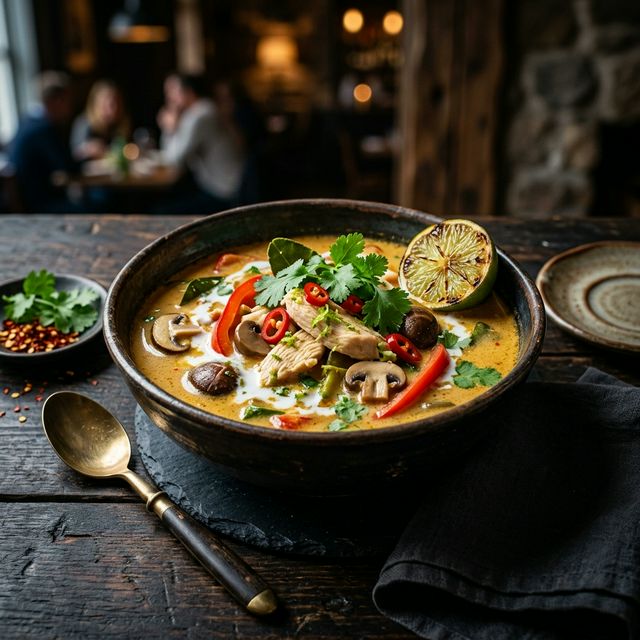
Thai Coconut Curry Soup
Creamy Thai coconut curry soup with chicken, mushrooms, and red bell pepper. Ready in 35 minutes with one pot and pantry-friendly ingredients.
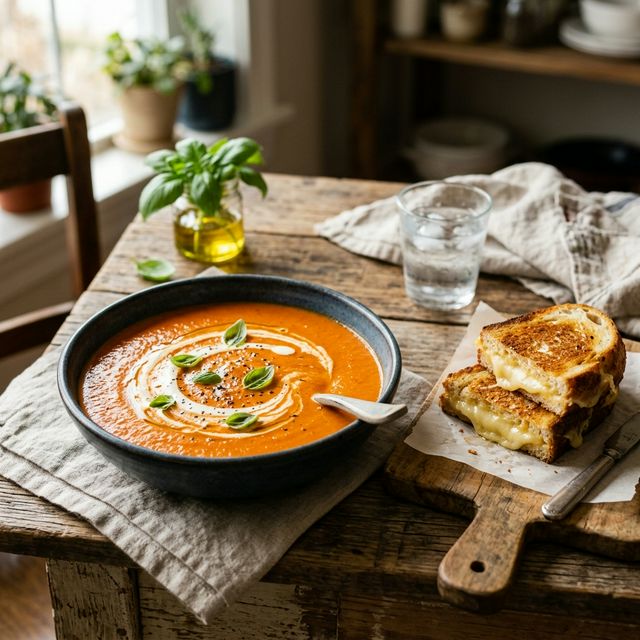
Roasted Tomato Basil Soup
Roma tomatoes roasted at 425°F until charred, then blended with cream and fresh basil. Rich, silky, and ready in 40 minutes.

Spiced Red Lentil and Coconut Dahl with Crispy Curry Leaf Tadka
Silky red lentil dahl simmered with coconut milk and finished with a sizzling curry leaf tadka. Ready in 55 minutes, weeknight-friendly.