Seared Duck Breast Salad with Warm Bacon Vinaigrette and Bitter Greens
Score, sear, and slice duck breast over bitter greens with a warm bacon-shallot vinaigrette. A stunning dinner salad ready in 45 minutes.
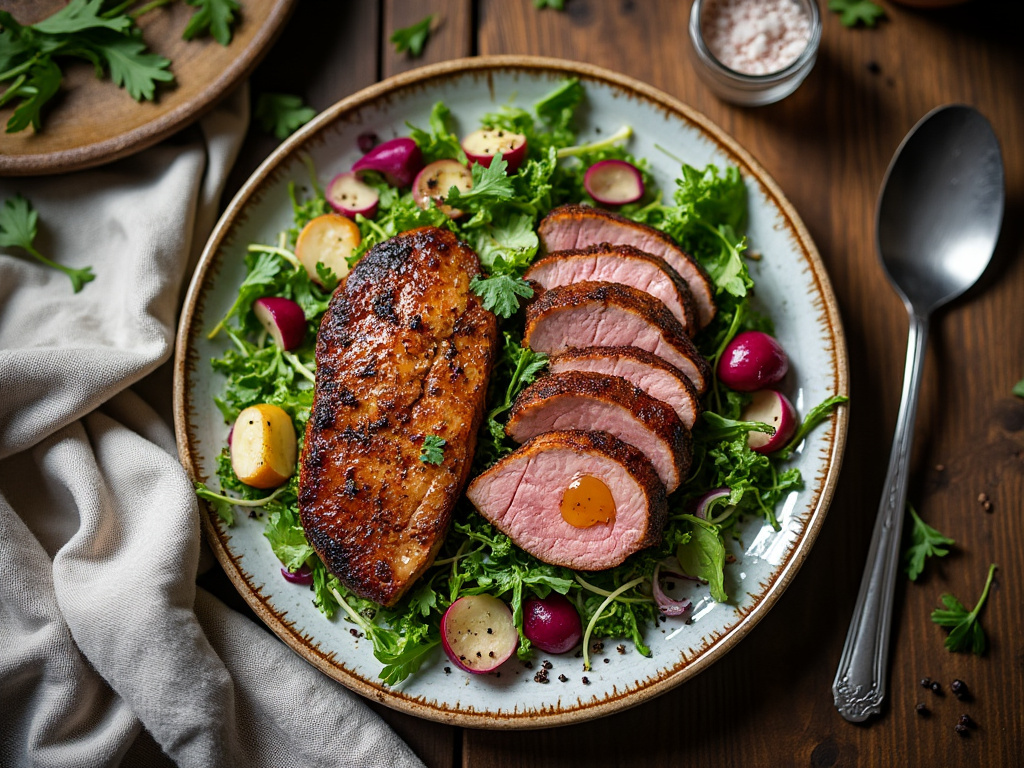
Duck breast is one of the most underused proteins in the home cook's rotation, and that's a shame — it cooks faster than a steak and gives you crackling-crisp skin if you start it in a cold pan. The key technique here is rendering the fat slowly before flipping; rushing it with high heat is how you end up with rubbery skin and undercooked fat. The warm bacon vinaigrette does double duty: it wilts the greens slightly on contact and emulsifies into a glossy, tangy dressing that cuts through the duck's richness.
Expect slices of rosy, medium-rare duck fanned over a bed of frisée, radicchio, and watercress, finished with thinly shaved radish and toasted walnuts. This is a dinner party salad that happens to come together in 45 minutes — composed enough to impress, practical enough for a weeknight when you want something that feels special. If your duck skin isn't crisping after 10 minutes, increase heat to medium and give it another 3-4 minutes before flipping.
Ingredients
- ▸ 2 large duck breasts (about 12 oz each, skin-on)
- ▸ 1 tsp Diamond Crystal kosher salt
- ▸ 1/2 tsp freshly ground black pepper
- ▸ 4 oz frisée, torn into 2-inch pieces
- ▸ 3 oz radicchio, thinly sliced
- ▸ 2 oz watercress, thick stems removed
- ▸ 4 radishes, paper-thin sliced on a mandoline
- ▸ 1/2 cup walnut halves
- ▸ 4 oz thick-cut bacon, cut into 1/2-inch lardons
- ▸ 2 medium shallots, minced (about 1/4 cup)
- ▸ 3 tbsp sherry vinegar
- ▸ 1 tsp Dijon mustard
- ▸ 1 tsp honey
- ▸ 2 tbsp extra-virgin olive oil
- ▸ 1/4 tsp freshly ground black pepper (for vinaigrette)
🛒 Links may earn us a small commission at no cost to you.
Recommended Gear
🛒 We may earn a small commission at no extra cost to you. We only recommend gear we'd use ourselves.
Instructions
Prep
- 1. Pat both duck breasts completely dry with paper towels — really press into the skin. Score the skin in a crosshatch pattern, cutting lines about 3/4 inch apart and deep enough to reach but not cut into the flesh. Season both sides with 1 tsp kosher salt and 1/2 tsp black pepper. Let them sit uncovered at room temperature for 15 minutes while you prep everything else.
- 2. Toast the walnuts in a dry skillet over medium heat, stirring occasionally, until fragrant and lightly golden — about 5 minutes. You'll smell a nutty, slightly toasty aroma. Transfer immediately to a cutting board, roughly chop, and set aside. Walnuts go from toasted to burnt fast; pull them the second they smell good.
- 3. Combine the frisée, radicchio, and watercress in a large bowl. Scatter the sliced radishes over the top. Set aside.
Sear the Duck
- 1. Place the duck breasts skin-side down in a cold 12-inch skillet — do not preheat the pan first. Set heat to medium-low. This cold-start method allows the fat to render gradually without burning the skin before the fat cooks out. Let the duck cook undisturbed, 12-14 minutes, until the skin is deep amber-brown and the fat has visibly rendered down — you'll see the fat layer at the edge thin out significantly and the sizzling will quiet.
- 2. Flip the duck breasts and cook flesh-side down for 3-4 minutes until the internal temperature reads 130-135°F on an instant-read thermometer inserted into the thickest part. The flesh side should look opaque and lightly browned at the edges.
- 3. Transfer the duck breasts to a cutting board and tent loosely with foil. Rest for 5 minutes — do not skip this. While the duck rests, carefully pour off all but 1 tbsp of the rendered duck fat from the skillet and reserve the rest in a heatproof bowl for another use (roasting potatoes, for instance).
Make the Warm Bacon Vinaigrette
- 1. In a small saucepan over medium heat, cook the bacon lardons, stirring occasionally, until the fat renders and the pieces are crispy and golden-brown, 6-8 minutes. The kitchen should smell of rendering pork fat — rich, savory, and unmistakable. Use a slotted spoon to transfer bacon to a paper towel-lined plate, leaving the bacon fat in the pan.
- 2. Add the minced shallots to the bacon fat over medium heat and cook, stirring, until softened and translucent — about 2-3 minutes. They should sizzle gently and smell sweet as they cook down.
- 3. Remove the saucepan from heat. Add the sherry vinegar carefully — it will sputter. Whisk in the Dijon mustard, honey, olive oil, and 1/4 tsp black pepper until the dressing is glossy and emulsified. Return the crispy bacon lardons to the pan and stir to combine. The vinaigrette should look shiny and cohesive, not broken or oily.
Assemble
- 1. Pour two-thirds of the warm vinaigrette over the greens and toss gently with tongs until the greens are lightly coated and the frisée just begins to wilt at the edges — about 30 seconds of tossing. Taste and add more vinaigrette if needed. Divide the salad among four plates.
- 2. Slice each duck breast crosswise on a slight bias into 1/4-inch slices — you should see a rosy pink center. Fan the slices over the dressed greens on each plate. Scatter the chopped walnuts and any remaining bacon lardons from the vinaigrette over the top. Drizzle any remaining vinaigrette over the duck slices and serve immediately.
Cook's Notes
- Dry-brining the scored duck breasts uncovered in the refrigerator for up to 24 hours dramatically improves skin crispiness — the salt draws out moisture, which then reabsorbs, seasoning the meat deeper while leaving the skin very dry.
- The reserved duck fat keeps in an airtight jar in the refrigerator for up to 2 weeks; it's extraordinary for roasting potatoes or sautéing vegetables.
- Don't dress the full salad if you're not serving all four portions — bitter greens collapse quickly once dressed. Dress individual portions instead.
- Frisée can be hard to find; Whole Foods and well-stocked grocery stores usually carry it near the specialty lettuces. In a pinch, endive cut crosswise into 1-inch pieces is the closest substitute.
- If your duck breasts are on the smaller side (under 10 oz each), reduce the flesh-side cook time to 2 minutes and check the thermometer early.
Pro Tips
- → The single biggest failure mode with duck skin is starting in a hot pan — the exterior burns before the thick fat layer renders, leaving you with charred skin over a chewy fat pad. Always cold pan, always medium-low, always patience.
- → If the vinaigrette breaks and looks greasy rather than glossy, it's usually because the pan was too hot when you added the mustard and oil. Pull the pan fully off heat, let it cool 30 seconds, then whisk in 1 tsp of cold water to re-emulsify.
- → Scoring deep enough matters — timid, shallow scores won't let the fat render efficiently, and you'll end up with a thick, soft fat layer under decent-looking skin. Run your knife diagonally through the fat until you feel the slight resistance of flesh, then stop.
- → For cleaner slices, let the duck rest the full 5 minutes before cutting; cutting too early releases the juices onto your cutting board instead of keeping them in the meat. The internal temperature will also continue climbing to the ideal 138-140°F during that rest.
- → If you're cooking for two instead of four, use one duck breast and halve the vinaigrette, but make the full amount of toasted walnuts — they're easy to over-toast in smaller quantities and the extras keep in an airtight container for a week.
- → Sherry vinegar quality matters more than brand, but look for one labeled 'Reserva' — it's been aged longer and has a rounder, less sharp acidity that integrates better into a warm dressing. Vinagre de Jerez Reserva is widely available for under $8 and noticeably better than generic sherry vinegar.
What to Serve With This
A glass of Pinot Noir is the obvious call here, and for good reason — its earthy cherry notes and low tannins don't fight the duck's richness the way a Cabernet would. Look for a Willamette Valley or Burgundy-style Pinot around $20-30. If you prefer white, an Alsatian Pinot Gris has enough body and stone fruit to hold its own against the warm bacon dressing without disappearing.
For beer, a Flemish Red Ale (Rodenbach Grand Cru is the benchmark) brings a malty sweetness and wine-like acidity that mirrors the sherry vinegar in the vinaigrette. It's a surprisingly elegant pairing. Skip light lagers — they get lost.
On the table, serve a thick slice of toasted sourdough rubbed with garlic to drag through any pooled vinaigrette. If you want a second vegetable, roasted beets tossed with a little orange zest and olive oil alongside the salad make sense both visually and flavor-wise — the earthiness echoes the bitter greens.
For a non-alcoholic option, a sparkling water with a squeeze of blood orange and a few drops of Angostura bitters gives you the same contrast of bright acid and slight bitterness the wine provides, without the alcohol.
Variations & Substitutions
For a dairy-free and gluten-free version, the recipe is already both — just verify your Dijon is gluten-free (most are, but check). The walnuts can be swapped for pumpkin seeds if you're cooking for someone with tree nut allergies; toast them the same way, 5 minutes at 350°F until fragrant.
If duck breast isn't available or feels like too much of a commitment, use two skin-on chicken thighs per serving instead. Sear them the same way — cold pan, skin-side down — but cook to an internal temperature of 165°F rather than 135°F for duck. The warm bacon vinaigrette works identically over chicken.
To make this vegetarian, skip the duck and bacon entirely. Roast 1 lb of thick-cut portobello mushroom slices at 425°F for 18-20 minutes until deeply browned. Build the vinaigrette base with 2 tbsp of olive oil, 1 tbsp of butter, and 2 minced shallots cooked in a small saucepan — add the sherry vinegar, Dijon, and honey exactly as written. Pan-fried halloumi (4 oz, sliced 1/4-inch thick, 2 minutes per side in a dry skillet) adds the salty, protein-forward element the bacon provided.
For a seasonal fall variation, swap the radishes for 1 thinly sliced Honeycrisp apple and add 2 oz of crumbled Gorgonzola over the finished salad. The apple's sweetness and the blue cheese's funk amplify the bitter greens in a way that feels very October.
Frequently Asked Questions
Can I use frozen duck breast? ▼
Yes, but thaw it fully in the refrigerator overnight — never on the counter or in water. Pat it very dry with paper towels before scoring; any surface moisture is the enemy of crispy skin and will cause aggressive spattering in the pan.
What internal temperature should duck breast reach? ▼
Pull duck breast at 130-135°F for medium-rare, which is the sweet spot — the meat stays rosy pink and juicy. It will carry over to about 138-140°F during the 5-minute rest. Well-done duck breast goes dry and livery; unlike chicken, it doesn't need to hit 165°F.
Can I make the bacon vinaigrette ahead of time? ▼
You can cook the bacon and shallots up to a day ahead and store them in an airtight container in the fridge. When ready to serve, reheat the bacon mixture in the same pan over medium-low heat, then add the vinegar, Dijon, and honey to finish. Don't make the full emulsified vinaigrette more than 30 minutes ahead — it will separate and lose its glossy consistency.
How do I store leftover duck breast? ▼
Slice and store cooked duck breast in an airtight container in the refrigerator for up to 3 days. Reheat slices in a dry skillet over medium heat for 1-2 minutes per side — the microwave turns the skin rubbery. The dressed greens don't keep; assemble only what you'll eat immediately.
Can I substitute the frisée and radicchio with something milder? ▼
You can, but the bitterness of those greens is doing real work here — it contrasts the duck fat and the sweet-savory vinaigrette. If you genuinely can't find them, arugula is the closest substitute with the right peppery edge. Butter lettuce or romaine will work structurally but the salad will taste noticeably blander.
What if I don't have sherry vinegar? ▼
Red wine vinegar is the best substitute — use the same 3 tbsp. Apple cider vinegar works in a pinch but adds a fruitier, less complex note. Avoid balsamic here; it's too sweet and will unbalance the dressing against the fatty duck.
Can I double this recipe for a larger group? ▼
Yes, but sear the duck breasts in two batches — don't crowd the pan or the skin steams instead of rendering. Make the vinaigrette in a larger saucepan and keep it warm over very low heat while you finish the second batch of duck. One pan of vinaigrette is enough for up to 8 servings.
How do I know when the duck fat has rendered properly before flipping? ▼
The skin should be deep golden-brown — not pale gold — and the fat layer you can see at the edge of the breast should look translucent and mostly gone, not thick and opaque. You'll also hear the sizzle quiet down significantly as there's less fat left to spatter. This takes 10-14 minutes on medium-low and can't be rushed.
Can I make this a meal prep recipe? ▼
Partially. Score and dry-brine the duck breasts uncovered in the refrigerator for up to 24 hours ahead — this actually improves skin crispiness significantly. Toast the walnuts and slice the radishes up to 2 days ahead. Cook the duck and make the vinaigrette fresh the night you serve it; neither holds well fully assembled.
Enjoyed this recipe?
Daily Home Cookery is self-funded. If something you cooked here made dinner a little better, a coffee keeps the kitchen running.
☕ Buy me a coffeeYou Might Also Like
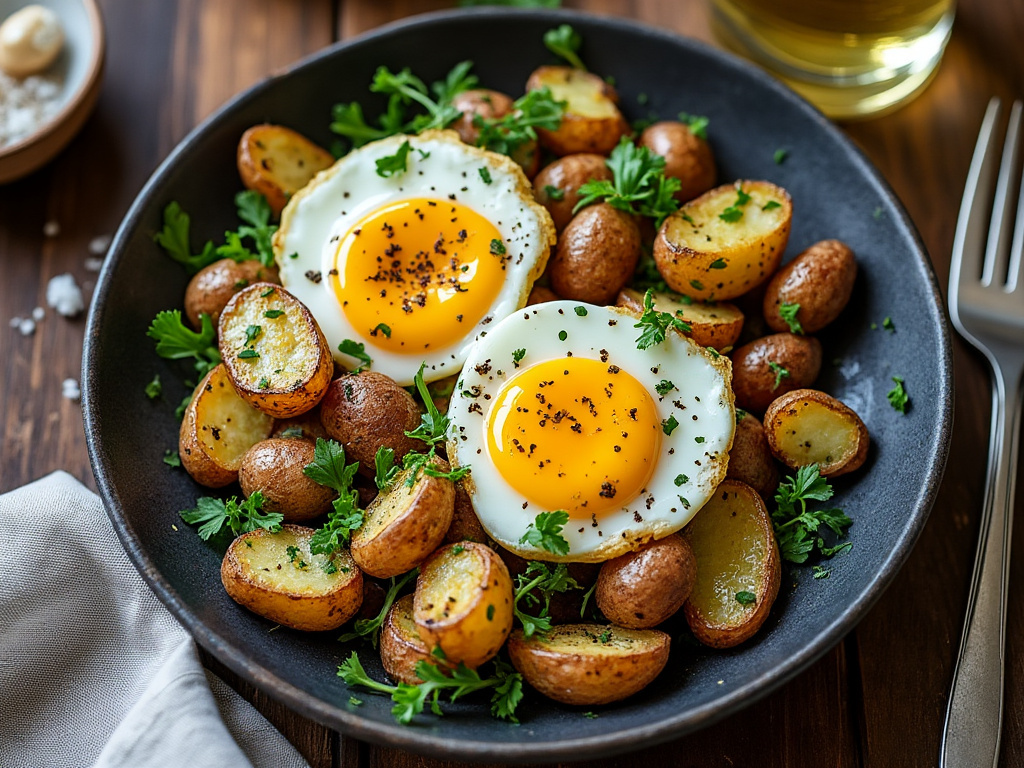
Crispy Smashed Fingerling Potato and Egg Salad with Tonnato Dressing
Smashed fingerling potatoes roasted until shatteringly crisp, tossed with jammy eggs and a briny tuna-anchovy tonnato dressing. Ready in 1 hour.
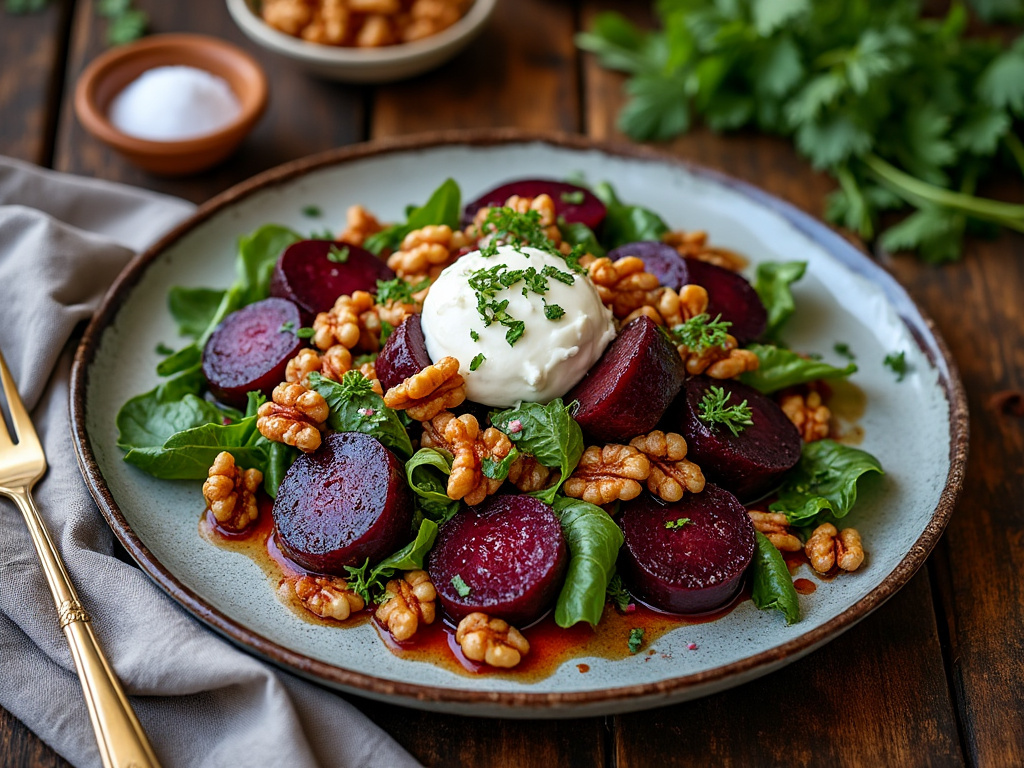
Smoked Paprika and Honey Roasted Beet Salad with Candied Walnuts and Whipped Goat Cheese
Honey-roasted beets, candied walnuts, and whipped goat cheese on bitter greens with a sherry-smoked paprika vinaigrette. A dinner-party-worthy salad.
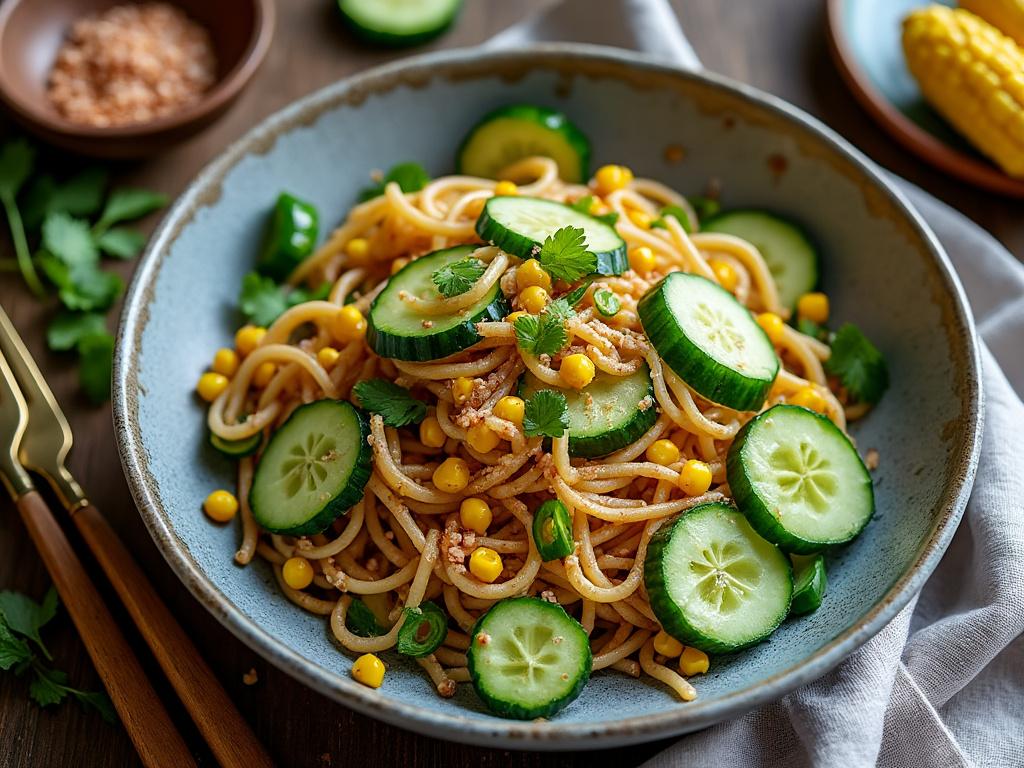
Smashed Cucumber and Charred Corn Noodle Salad with Chili Crisp Dressing
Cold wheat noodles, charred corn, and smashed cucumbers tossed in a punchy chili crisp dressing. A satisfying summer salad ready in 40 minutes.