Smashed Cucumber and Charred Corn Noodle Salad with Chili Crisp Dressing
Cold wheat noodles, charred corn, and smashed cucumbers tossed in a punchy chili crisp dressing. A satisfying summer salad ready in 40 minutes.
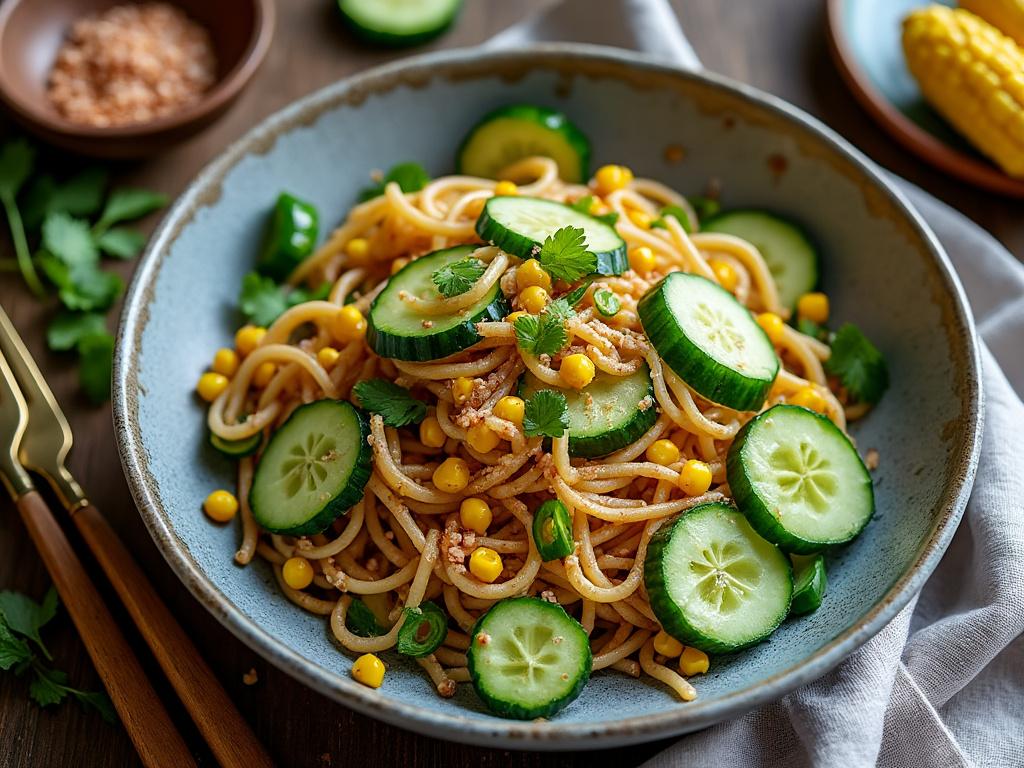
Cold noodle salads live or die by their dressing-to-noodle ratio, and this one gets it right. The base is chili crisp — not just as a condiment dabbed on top, but whisked into a full dressing with rice vinegar, sesame paste, and a splash of soy sauce. That coating sticks to every strand of chewy wheat noodle and gets absorbed into the smashed cucumbers as they sit.
Two techniques do the heavy lifting here. Smashing cucumbers (not slicing) creates jagged edges that soak up the dressing instead of letting it pool at the bottom of the bowl. Charring fresh or frozen corn in a dry skillet adds smokiness and sweetness that balances the heat from the chili crisp. Use Lao Gan Ma Spicy Chili Crisp — the oil-to-crisp ratio in that jar is more balanced than most grocery store versions and won't make the dressing greasy. Serve this cold as a weeknight main, a potluck dish, or meal-prep lunch for four days running. If the noodles clump after refrigerating, toss with one teaspoon of sesame oil and let them sit at room temperature for five minutes before serving.
Ingredients
- ▸ 12 oz dried Chinese wheat noodles or lo mein noodles
- ▸ 2 medium English cucumbers (about 14 oz total)
- ▸ 1 tsp Diamond Crystal kosher salt
- ▸ 2 ears fresh corn, husked (or 10 oz frozen corn kernels)
- ▸ 4 medium scallions, thinly sliced on a bias
- ▸ 1/4 cup fresh cilantro leaves and tender stems
- ▸ 2 tsp toasted sesame seeds
- ▸ 3 tbsp Lao Gan Ma Spicy Chili Crisp
- ▸ 2 tbsp tahini
- ▸ 3 tbsp unseasoned rice vinegar
- ▸ 2 tbsp soy sauce
- ▸ 1 tbsp toasted sesame oil
- ▸ 1 tbsp neutral oil (such as avocado or grapeseed)
- ▸ 1 tsp granulated sugar
- ▸ 2 cloves garlic, finely grated or minced
- ▸ 1 tsp fresh ginger, finely grated
🛒 Links may earn us a small commission at no cost to you.
Recommended Gear
🛒 We may earn a small commission at no extra cost to you. We only recommend gear we'd use ourselves.
Instructions
Prep
- 1. Trim the ends off the cucumbers and cut each into 2-inch sections. Place sections on a cutting board, lay a flat palm or the side of a knife on top, and smash firmly with a rolling pin or the heel of your hand until they crack open — you want jagged, irregular pieces, not uniform slices. Tear the cracked pieces into roughly 1-inch chunks. Toss cucumbers in a colander with 1 tsp kosher salt, set over a bowl, and let drain for at least 15 minutes while you prep everything else — they'll weep about 2 tablespoons of liquid, which you discard.
- 2. Whisk together the chili crisp, tahini, rice vinegar, soy sauce, sesame oil, neutral oil, sugar, grated garlic, and grated ginger in a small bowl until fully emulsified and pourable — it should look like a rust-orange, lightly thick dressing. If it seizes up from the tahini reacting to the acid, whisk in warm water one teaspoon at a time until it loosens. Set aside.
- 3. Bring a large pot of unsalted water to a rolling boil over high heat — noodles for this dish don't need salted water because the dressing is well-seasoned.
Char the Corn
- 1. Heat a 12-inch dry skillet (no oil) over high heat for 2 minutes until it begins to smoke slightly. If using fresh corn, stand each ear upright and cut the kernels off with a sharp knife into a bowl. Add the corn kernels to the dry hot skillet in a single layer — they should crackle and hiss immediately on contact. If using frozen corn, add straight from the bag. Do not stir for 2 full minutes, allowing the kernels to char on the bottom — you're looking for dark brown, nearly black spots on at least a third of the kernels.
- 2. Stir once, spread back into a single layer, and cook for another 2-3 minutes until the corn is fragrant and smoky, with a deep golden-amber color overall. Tip into a bowl and let cool to room temperature. The skillet will have dark bits stuck to it — that's fine.
Cook the Noodles
- 1. Drop the noodles into the boiling water and cook according to package directions, typically 4-6 minutes for dried Chinese wheat noodles — taste a strand 1 minute before the timer goes off. You want firm but fully cooked, with no white starchy center when you bite through.
- 2. Drain immediately in a colander and rinse under cold running water for 30-45 seconds, tossing with your hands, until the noodles are fully cold and no longer steaming. This stops the cooking and removes surface starch that would make them gummy. Shake the colander vigorously to remove excess water, then transfer noodles to the large mixing bowl.
- 3. Drizzle 1 teaspoon of sesame oil over the noodles and toss to coat — this prevents them from clumping together while you finish the remaining prep.
Assemble
- 1. Pat the drained cucumbers with a paper towel to remove excess surface moisture, then add them to the bowl with the noodles. Add the charred corn and about three-quarters of the scallions.
- 2. Pour about two-thirds of the dressing over the noodles and toss everything together with tongs or two large spoons, working the dressing from the bottom of the bowl upward. Taste — the noodles should be well-coated, savory, tangy, and have real heat. Add more dressing as needed; you may use all of it or reserve a little for serving.
- 3. Transfer to a large serving bowl or divide among four individual bowls. Top with the remaining scallions, cilantro leaves, and toasted sesame seeds. Serve immediately at room temperature, or refrigerate for up to 1 hour and serve cold — both are excellent.
Cook's Notes
- Salt the cucumbers before doing anything else — they need at least 15 minutes to drain properly. Skipping this step means watery cucumbers that dilute the dressing in the bowl.
- Don't rinse the dressing bowl — use it to mix the dressing and then the full salad, which saves a dish and picks up any dressing residue clinging to the sides.
- The dressing can be made up to 3 days ahead and stored in the fridge in a sealed jar. Shake vigorously before using, as the tahini and oil will separate.
- Toasting your own sesame seeds takes 3 minutes in a dry pan over medium heat and smells noticeably better than pre-toasted store versions — swirl the pan constantly until they're golden and fragrant.
- This salad is intentionally under-seasoned before the dressing goes on — the soy sauce and chili crisp in the dressing carry all the salt, so don't season the noodles or corn beyond what's listed.
Pro Tips
- → If your dressing breaks or looks oily rather than emulsified, it's usually because the tahini was too cold and stiff. Microwave the tahini for 10 seconds before whisking, or use a blender stick for 20 seconds to force the emulsion.
- → The smashing step is non-negotiable for texture — sliced cucumbers have a smooth surface that the dressing slides off of. The jagged edges from smashing grip the dressing and also accelerate the salting and drainage process.
- → Corn charring requires a genuinely hot, dry pan. If you add any oil, the corn braises in its own steam rather than charring. If your kitchen fan is weak and smoke is an issue, do this step with the window open — the char is worth it.
- → If you're serving this at a dinner party and want it to hold for 2+ hours, keep the cucumber, corn, and dressing separate from the noodles until 20 minutes before guests eat. Dressed noodles that sit too long go soft and absorb all the dressing.
- → Lao Gan Ma varies slightly by batch in oil content — if your jar looks particularly oily when you open it, spoon off about a teaspoon of the surface oil before measuring, or your dressing will be heavier than intended.
- → For deeper garlic flavor without raw garlic bite, bloom the grated garlic in the neutral oil in a small pan for 30 seconds over low heat until just fragrant (not browned), then pour it into the dressing bowl and build the dressing on top of it.
What to Serve With This
This salad is assertive — chili heat, vinegar tang, and toasted sesame — so pairings need to either contrast with that intensity or echo the Asian pantry notes without competing.
For drinks, a cold Taiwanese or Japanese lager (Kirin Ichiban, Taiwan Beer) cuts the chili oil richness cleanly, the same way a squeeze of lime cuts through fat. If you want wine, go with an off-dry Alsatian Riesling or a Gewürztraminer — the residual sugar and floral aromatics are a genuine counterpoint to the heat, not just a polite suggestion. For a non-alcoholic option, make a quick cucumber-mint sparkling water: muddle four cucumber slices in a glass, add ice, top with sparkling water, and add a squeeze of lime. It mirrors the cucumber in the salad and cools the palate.
On the food side, a simple miso soup with tofu and wakame keeps the meal in the same flavor register without adding heaviness. Gyoza — pan-fried, not steamed — are a natural partner because the crispy seared side echoes the charred corn texture. If you want protein alongside rather than in the salad, thinly sliced cold poached chicken breast (seasoned with just salt and a few drops of sesame oil) lays over the top without competing with the dressing.
For a starter, a small plate of quick-pickled daikon — rice vinegar, sugar, salt, 20 minutes — cleanses the palate and primes it for the chili heat to come.
Variations & Substitutions
To make this gluten-free, swap the wheat noodles for 100% buckwheat soba (check the label — many soba blends contain wheat flour) or use rice vermicelli. Rice vermicelli cooks faster (2-3 minutes in boiling water) and has a more delicate texture, so reduce the dressing by about one tablespoon so it doesn't overwhelm the noodles.
For a vegan version, this recipe is already vegan as written — just confirm your chili crisp doesn't contain shrimp paste (Lao Gan Ma's original does not). If you want to add protein without meat, crispy pan-fried tofu cubes (press firm tofu 30 minutes, cube, fry in neutral oil until golden on all sides) add substance and absorb the dressing the same way the cucumbers do.
In winter when fresh corn is watery and tasteless, use one 10-oz bag of frozen sweet corn — no need to thaw. Spread it straight from the freezer into a hot dry skillet and char it exactly as you would fresh. The frozen kernels release steam as they cook, so expect more sputtering; keep the heat at medium-high and don't crowd the pan.
For a nuttier, richer variant, add two tablespoons of smooth peanut butter to the dressing and reduce the tahini to one tablespoon. This shifts the profile toward a more peanut-forward cold noodle, closer to dan dan noodles. Add a splash of warm water (one tablespoon) to keep the dressing pourable.
Frequently Asked Questions
Can I make this ahead of time? ▼
Yes, with conditions. Make the dressing, char the corn, and smash and salt the cucumbers up to 24 hours ahead — store each component separately in the fridge. Cook and dress the noodles no more than 4 hours before serving, or they'll absorb all the dressing and turn sticky. Toss everything together just before eating.
What noodles work best here? ▼
Fresh or dried Chinese wheat noodles (sometimes labeled 'lo mein noodles' or 'wheat noodles' at Asian grocery stores) are ideal — they have enough chew to hold up to the dressing without turning mushy. Dried spaghetti works in a pinch; cook to just al dente (one minute less than package directions) because the dressing will continue to soften them slightly.
How spicy is this dish? ▼
With 3 tablespoons of Lao Gan Ma, this is a medium heat — noticeable warmth but not mouth-burning. Cut it to 2 tablespoons for a milder version. If you want more heat, add half a teaspoon of gochugaru or a finely minced fresh Thai chili to the dressing.
How long do leftovers keep? ▼
Dressed noodles keep in an airtight container in the fridge for up to 3 days. The cucumbers will release more water over time, diluting the dressing slightly — drain off any pooled liquid and add a small drizzle of chili crisp to re-season before eating. The noodles will also clump; a teaspoon of sesame oil and a few minutes at room temperature fixes that.
Can I freeze this salad? ▼
No. Dressed noodles don't survive freezing — they turn mushy and the cucumbers become completely waterlogged on thawing. This is strictly a refrigerator dish. If you're meal prepping, keep noodles and dressing separate and combine daily portions as needed.
What can I substitute for tahini? ▼
Smooth, natural peanut butter (not sweetened) is the closest swap at a 1:1 ratio. Chinese sesame paste is actually closer to tahini in flavor than peanut butter — if you have it, use it in the same amount. Avoid tahini substitutes made from sunflower seeds; they change the flavor profile significantly.
My dressing seized up and is too thick. How do I fix it? ▼
Tahini thickens when it hits acidic ingredients like rice vinegar. Whisk in warm water, one teaspoon at a time, until the dressing is pourable — usually 1 to 2 teaspoons does it. Don't add more oil; that changes the balance of the dressing without fixing the texture issue.
Can I use canned corn instead of fresh or frozen? ▼
Technically yes, but drain it very thoroughly and pat it completely dry with paper towels before charring, otherwise it steams instead of charring and you lose the smoky sweetness that makes it worthwhile. Canned corn has higher moisture content than frozen, so expect it to take an extra 2-3 minutes in the skillet to get real color.
Is this recipe suitable for a nut-free diet? ▼
As written, yes — tahini is made from sesame seeds, not tree nuts or peanuts, so it's technically nut-free (though sesame is a top allergen and should be flagged for people with sesame allergies). If avoiding sesame entirely, swap tahini for smooth sunflower seed butter and use a neutral oil in place of sesame oil.
Can I double this recipe for a crowd? ▼
Yes. Double every ingredient proportionally. The key constraint is the corn-charring step: char in two separate batches rather than one crowded skillet — a crowded pan steams the corn instead of charring it. For the noodles, cook in a large pot with plenty of water; don't crowd them or they'll clump during cooking.
Enjoyed this recipe?
Daily Home Cookery is self-funded. If something you cooked here made dinner a little better, a coffee keeps the kitchen running.
☕ Buy me a coffeeYou Might Also Like

Crispy Smashed Fingerling Potato and Egg Salad with Tonnato Dressing
Smashed fingerling potatoes roasted until shatteringly crisp, tossed with jammy eggs and a briny tuna-anchovy tonnato dressing. Ready in 1 hour.
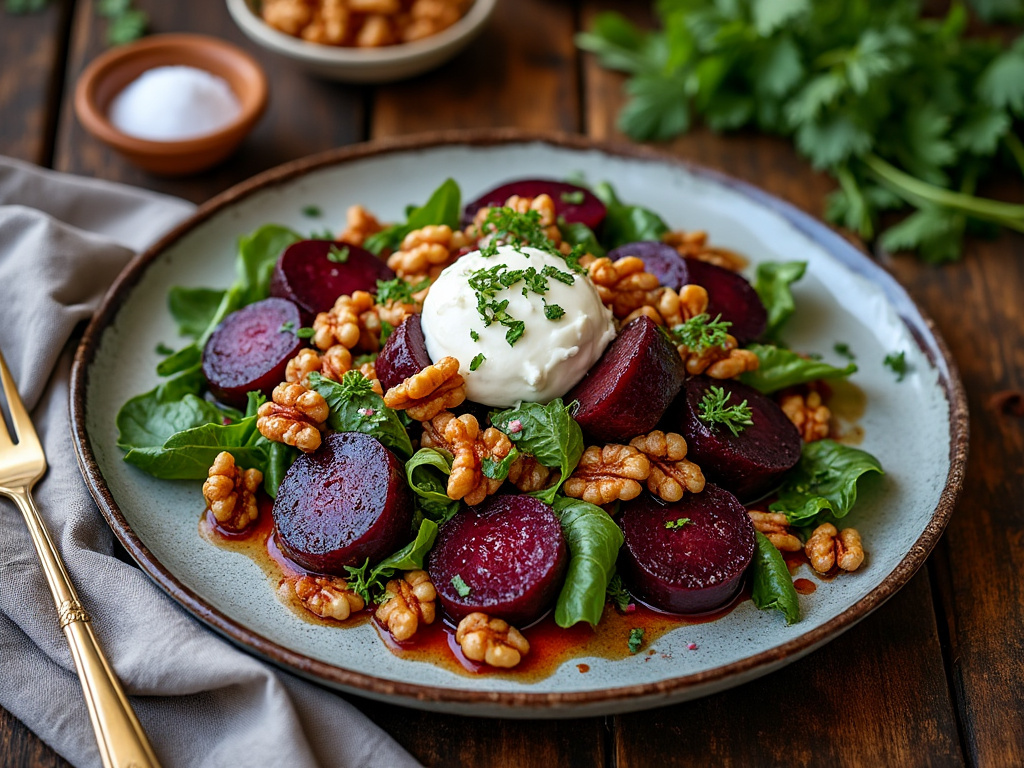
Smoked Paprika and Honey Roasted Beet Salad with Candied Walnuts and Whipped Goat Cheese
Honey-roasted beets, candied walnuts, and whipped goat cheese on bitter greens with a sherry-smoked paprika vinaigrette. A dinner-party-worthy salad.
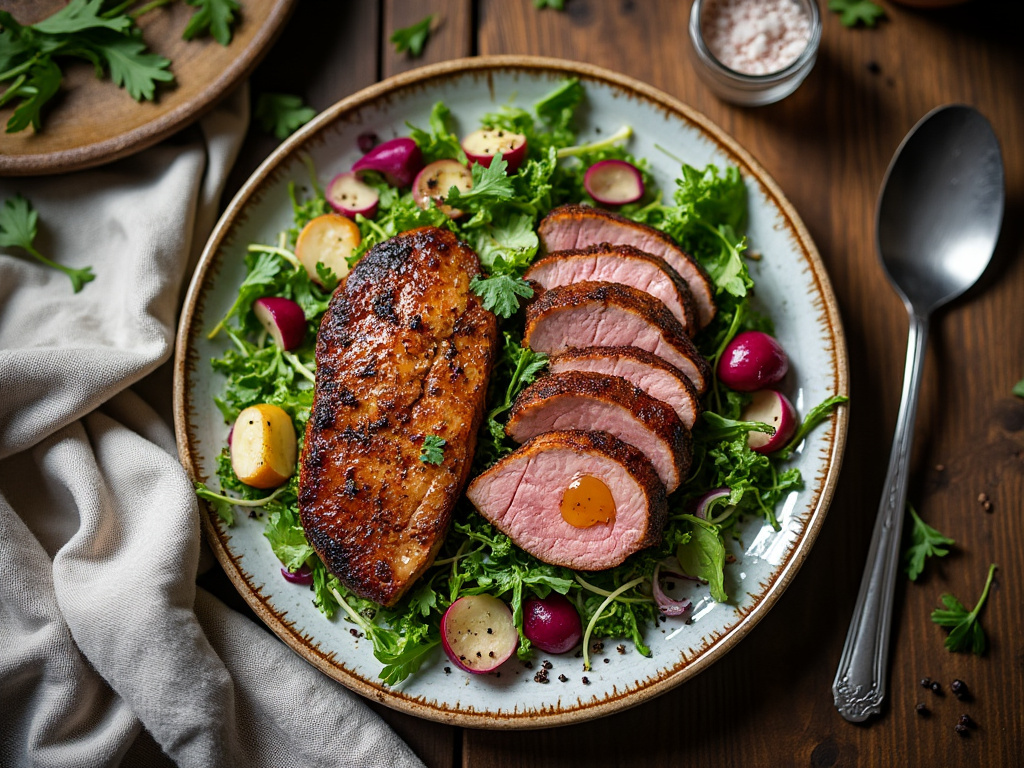
Seared Duck Breast Salad with Warm Bacon Vinaigrette and Bitter Greens
Score, sear, and slice duck breast over bitter greens with a warm bacon-shallot vinaigrette. A stunning dinner salad ready in 45 minutes.