Asian Sesame Chicken Salad
Shredded rotisserie chicken, napa cabbage, edamame, and crispy wonton strips with a ginger-sesame dressing. Ready in 15 minutes, great for meal prep.
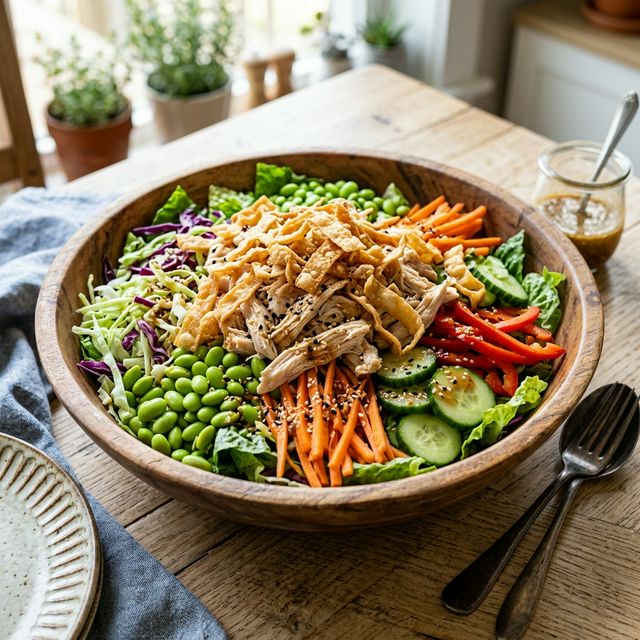
This salad is built on a simple truth: a good dressing makes shredded cabbage worth eating. The ratio here — three parts soy to two parts rice vinegar, anchored by sesame oil and fresh ginger — is sharp enough to cut through the napa cabbage without drowning it. Rotisserie chicken makes this a genuine 15-minute meal. The napa cabbage stays crisp longer than romaine, making this a realistic meal-prep option that won't turn to mush by Tuesday. The wonton strips add crunch in the same way croutons do, but lighter.
Flavor-wise, you're getting savory, slightly tangy, faintly sweet, with a toasty sesame finish. The edamame adds protein and body so this actually holds as a full meal. Best served immediately after tossing if you want the wonton strips to stay crisp — if you're packing lunch ahead, keep the dressing and toppings separate until you're ready to eat. If the dressing tastes flat, add another half teaspoon of rice vinegar before you pour it over.
Ingredients
- ▸ 2 cups cooked chicken, shredded (rotisserie works great)
- ▸ 4 cups napa cabbage, shredded
- ▸ 1 cup red cabbage, shredded
- ▸ 1 cup shelled edamame
- ▸ 1 large carrot, julienned
- ▸ 2 green onions, sliced
- ▸ 1/4 cup cilantro, chopped
- ▸ 1/4 cup crispy wonton strips
- ▸ 2 tbsp sesame seeds
- ▸ 3 tbsp soy sauce
- ▸ 2 tbsp rice vinegar
- ▸ 1 tbsp sesame oil
- ▸ 1 tbsp honey
- ▸ 1 tsp fresh ginger, grated
🛒 Links may earn us a small commission at no cost to you.
Recommended Gear
🛒 We may earn a small commission at no extra cost to you. We only recommend gear we'd use ourselves.
Instructions
Make the Dressing
- 1. Combine soy sauce, rice vinegar, sesame oil, honey, and grated ginger in a small jar. Shake vigorously until emulsified.
Assemble
- 1. In a large bowl, combine both cabbages, edamame, carrot, green onions, and shredded chicken.
- 2. Pour dressing over and toss to coat evenly.
- 3. Top with cilantro, wonton strips, and sesame seeds.
Cook's Notes
- Shake the dressing in a jar rather than whisking in a bowl — it's faster and you can store leftover dressing directly in the same jar.
- Buy pre-shredded napa cabbage if your grocery store carries it; it saves 5 minutes and the texture is identical to hand-cut.
- Toast the sesame seeds in a dry skillet over medium heat for 2–3 minutes until golden if you want noticeably more flavor — pre-packaged sesame seeds are often under-toasted.
- Add the wonton strips last, right before serving, never before — they go from crunchy to chewy in about 10 minutes once they hit the dressing.
- If your cilantro is divisive at your table, substitute thinly sliced fresh mint or just skip it — the salad works without any fresh herb.
Pro Tips
- → Dry your cabbage thoroughly after rinsing — water on the leaves dilutes the dressing and makes the whole salad taste underseasoned. A salad spinner is the fastest fix.
- → Grate the ginger on a Microplane rather than mincing it. You get more juice, finer texture, and it disperses evenly through the dressing without any fibrous chunks.
- → If the dressing tastes too sharp straight from the jar, don't add more honey — add a few drops of sesame oil first. Over-sweetening kills the balance of this dressing fast.
- → Julienne your carrot on the thin side — thick matchsticks are hard to eat in a shredded salad and don't absorb dressing. Use a mandoline on the 3mm setting or a box grater on the large holes.
- → Let the edamame come to room temperature before tossing — cold edamame straight from the freezer numbs the flavor of the dressing around it and cools down the whole salad.
- → If you're serving this to a crowd and need to dress it in advance, use only 2/3 of the dressing, then add the remaining third right before serving. This prevents the cabbage from getting soggy while still letting the flavors meld.
What to Serve With This
Miso soup is the obvious companion — a small bowl of Marukome instant or homemade dashi-based miso adds warmth without competing with the salad's flavors. It also makes the meal feel complete without adding prep time.
For drinks, a cold Sapporo or Kirin lager works well because the light bitterness and carbonation clean up the sesame oil on the palate. If you want something non-alcoholic, sparkling water with a squeeze of yuzu or lime keeps things refreshing without sweetness that would clash with the dressing.
If you're serving this at a dinner table rather than eating it out of a container, steamed jasmine rice on the side makes it more substantial. The rice absorbs any extra dressing that pools at the bottom of the bowl, which is not a bad thing.
A dry Riesling — something from Alsace or Washington State — pairs surprisingly well. The wine's acidity mirrors the rice vinegar in the dressing, and the stone fruit notes don't fight the ginger. Avoid anything oaky or buttery; it will make the sesame taste muddy.
Variations & Substitutions
To make this vegetarian, swap the chicken for a 15-oz can of drained chickpeas or 8 oz of baked extra-firm tofu cut into small cubes. The tofu version is milder, so bump the ginger to 1.5 teaspoons and add a small drizzle of chili oil at the end for contrast. The chickpea version works better if you roast them at 400°F for 20 minutes first — raw canned chickpeas are too soft and don't absorb the dressing well.
For gluten-free, swap soy sauce 1:1 for tamari (San-J is widely available and reliable). Replace the wonton strips with crushed rice crackers or toasted sliced almonds — both add crunch without the gluten. Everything else in the recipe is naturally gluten-free.
For a spicier version, whisk 1 teaspoon of sambal oelek or sriracha directly into the dressing. It integrates better than adding hot sauce at the table. You can also add thinly sliced Thai chiles to the salad itself if you want heat with texture.
Scaling up: this doubles cleanly. Use a very large mixing bowl — you need room to toss without the cabbage falling out. Dressing scales exactly, no adjustments needed. For a crowd, dress the salad in two batches so every leaf gets coated.
Frequently Asked Questions
Can I make this salad ahead of time? ▼
Yes, but keep the components separate. Store the dressed salad (without wonton strips and sesame seeds) in an airtight container for up to 2 days in the fridge. Add the toppings right before serving. The cabbage holds up well, but the wonton strips will go completely soft if they sit in the dressing overnight.
Can I freeze this salad? ▼
No. Fresh cabbage, edamame, and cilantro don't survive freezing — the texture becomes mushy and waterlogged after thawing. If you want to freeze something, freeze plain cooked shredded chicken and build the salad fresh when you need it.
What's the best chicken to use if I don't have rotisserie? ▼
Poached chicken breast shredded by hand works well and stays moist. Bake two medium chicken breasts at 375°F for 22–25 minutes, rest for 5 minutes, then shred with two forks. Avoid pan-fried chicken here — the seared edges don't absorb the dressing as well as hand-shredded poached or roasted meat.
Can I substitute regular green cabbage for napa? ▼
You can, but the texture will be noticeably coarser and tougher. If you go that route, slice it very thin — thinner than you think necessary — and let it sit in the dressing for 10 minutes before adding the other ingredients to soften it slightly. Napa cabbage is milder and more delicate, which is why it works better here.
My dressing didn't emulsify. What went wrong? ▼
Sesame oil and honey don't form a stable emulsion the way mustard-based dressings do, so separation is normal. Shake the jar hard for 20 seconds right before pouring, and toss the salad immediately. If it looks oily and pooled at the bottom of the bowl, just toss again — the cabbage will absorb it.
What can I use instead of wonton strips? ▼
Crushed ramen noodles (uncooked, straight from the package) are the most common substitute — they add the same salty crunch. Toasted sliced almonds or cashews work if you want something less processed. For gluten-free, use crushed rice crackers.
How much dressing does this recipe make, and is it enough? ▼
The dressing makes roughly 6 tablespoons, which coats 4 moderate servings. If you like a heavily dressed salad, make 1.5x the dressing — it keeps in the fridge for up to a week. Don't add extra soy sauce alone to bulk it up, or the salad will taste too salty.
Can I use ground ginger instead of fresh? ▼
You can in a pinch — use 1/4 teaspoon ground ginger in place of 1 teaspoon fresh. The flavor is earthier and less bright. Fresh ginger is genuinely worth it here because it's a prominent flavor in the dressing, not a background note.
How do I scale this recipe for meal prep for one person? ▼
Use 1/2 cup shredded chicken, 1 cup napa cabbage, 1/4 cup red cabbage, 1/4 cup edamame, and scale the dressing to about 1.5 tablespoons total. Store the protein and vegetables together, dressing separately, and dress each portion individually when eating.
Enjoyed this recipe?
Daily Home Cookery is self-funded. If something you cooked here made dinner a little better, a coffee keeps the kitchen running.
☕ Buy me a coffeeYou Might Also Like
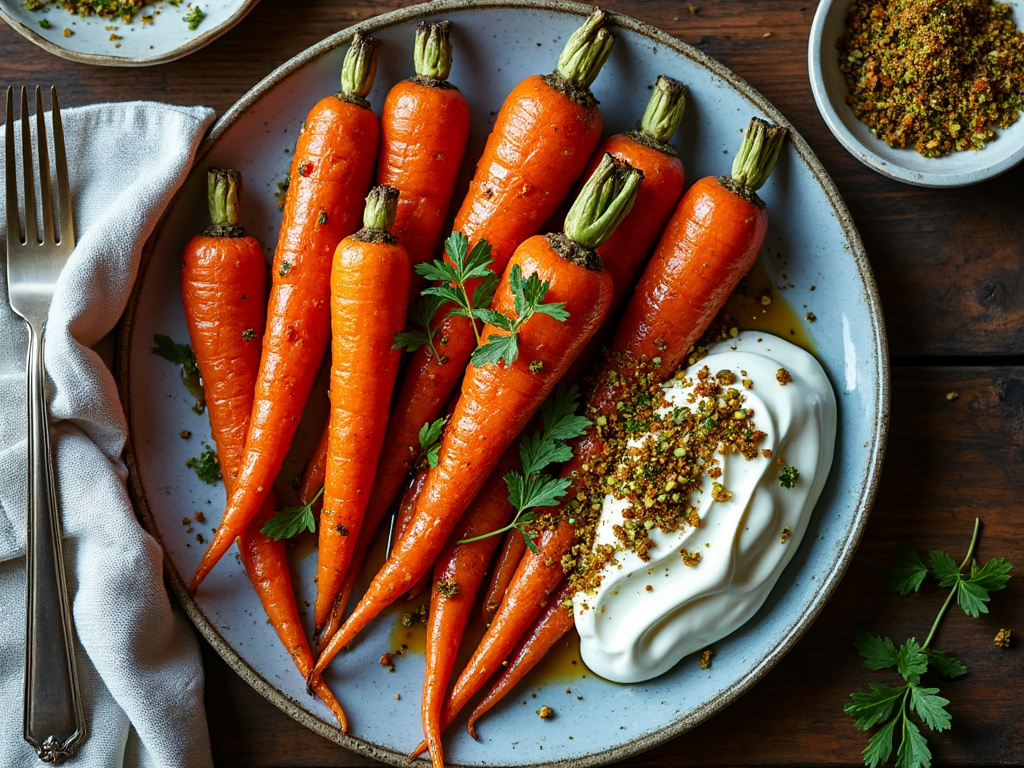
Harissa-Glazed Roasted Carrots with Whipped Ricotta and Pistachio Dukkah
Harissa-glazed carrots roasted until caramelized, served on whipped ricotta with homemade pistachio dukkah. A stunning vegetarian dinner or side.
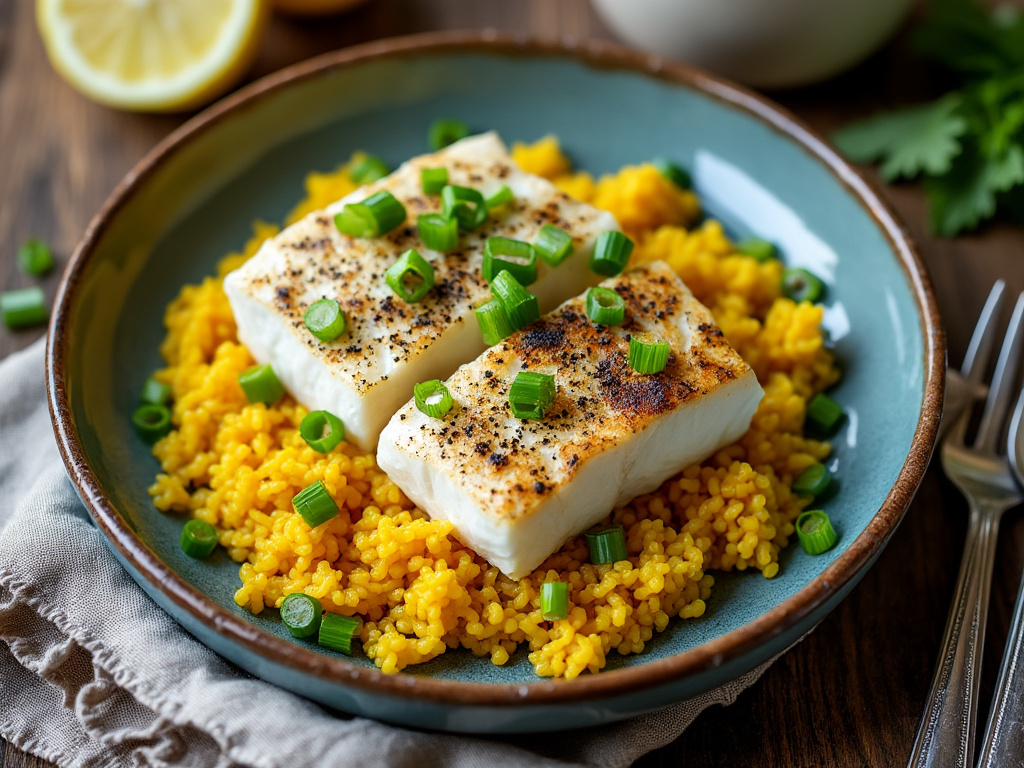
Coconut Milk Poached Halibut with Turmeric Rice and Charred Scallions
Gently poached halibut in fragrant coconut milk broth, served over turmeric rice with charred scallions. Ready in under an hour.
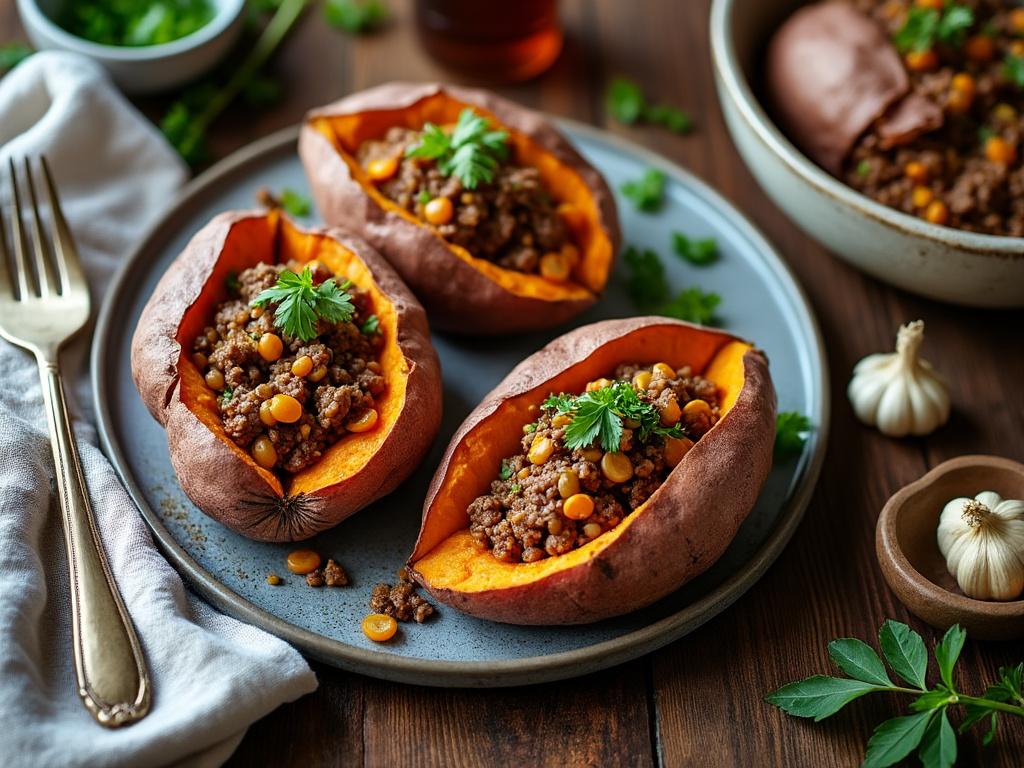
Spiced Beef and Lentil Stuffed Sweet Potatoes
Roasted sweet potatoes loaded with cumin-spiced ground beef, green lentils, and diced tomatoes. Topped with lime Greek yogurt. Ready in 50 minutes.