Weeknight Miso Butter Braised Cabbage with Crispy Chickpeas
Deeply savory miso butter braised cabbage topped with shatteringly crispy chickpeas. A fast, pantry-friendly weeknight vegetarian dinner.
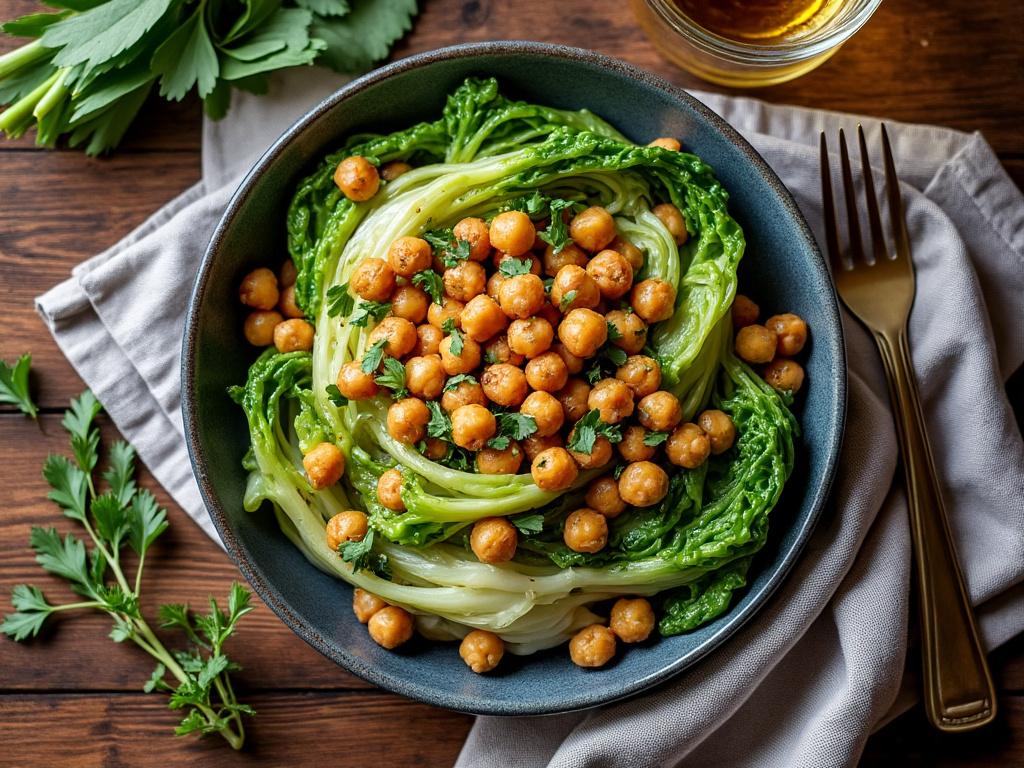
Green cabbage is cheap, keeps for weeks in the fridge, and turns silky and almost sweet when braised hard in a hot skillet with good fat and liquid. This recipe exploits that fully. The technique here is a two-stage cook: you get serious caramelization on the cut face of the cabbage first — deep amber, nearly charred at the edges — then deglaze and braise in a miso-butter broth that turns jammy and glossy as it reduces down around the wedges.
White miso brings a nutty, fermented depth that cabbage absorbs like a sponge. Kerrygold unsalted butter carries the fat-soluble flavor into every layer. The crispy chickpeas roast simultaneously in the oven, so you're not juggling two active cooking projects. Expect tender-but-not-mushy cabbage, a sticky savory pan sauce, and a crunch contrast from the chickpeas. This is a solid meatless weeknight dinner on its own, or a strong side alongside roast pork or grilled sausage. If the sauce reduces too fast and starts sticking before the cabbage is tender, add 2 tbsp water and drop the heat — it just needs more time, not more fire.
Ingredients
- ▸ 1 medium green cabbage (about 2.2 lbs), outer leaves removed
- ▸ 2 tbsp white shiro miso paste
- ▸ 3 tbsp Kerrygold unsalted butter, divided
- ▸ 1 tbsp soy sauce
- ▸ 1 tbsp rice vinegar
- ▸ 1 tsp honey
- ▸ 1/2 cup low-sodium vegetable broth
- ▸ 2 tbsp neutral oil (such as avocado or grapeseed), divided
- ▸ 1 can (15 oz) chickpeas, drained, rinsed, and patted very dry
- ▸ 1 tsp smoked paprika
- ▸ 1/2 tsp garlic powder
- ▸ 1/4 tsp cayenne pepper
- ▸ 3/4 tsp Diamond Crystal kosher salt, divided
- ▸ 1/4 tsp black pepper
- ▸ 3 scallions, thinly sliced
- ▸ 1 tbsp toasted sesame seeds
- ▸ 1 tsp toasted sesame oil
🛒 Links may earn us a small commission at no cost to you.
Recommended Gear
🛒 We may earn a small commission at no extra cost to you. We only recommend gear we'd use ourselves.
Instructions
Prep
- 1. Preheat the oven to 425°F. While it heats, halve the cabbage through the core, then cut each half into 3 wedges, keeping the core intact — this holds the leaves together during cooking. You'll have 6 wedges total. Pat them dry with paper towels and season the cut faces with 1/2 tsp kosher salt and 1/4 tsp black pepper.
- 2. Whisk together the miso paste, soy sauce, rice vinegar, honey, and vegetable broth in a small bowl until completely smooth with no lumps of miso remaining — it should look like a thin caramel-colored sauce. Set aside.
- 3. Drain and rinse the chickpeas, then spread on a clean kitchen towel or several layers of paper towels. Press another towel on top and roll them around aggressively for 30 seconds — you want them bone dry. Toss dried chickpeas with 1 tbsp neutral oil, smoked paprika, garlic powder, cayenne, and the remaining 1/4 tsp kosher salt on the sheet pan. Spread in a single layer with space between each chickpea.
Roast Chickpeas
- 1. Slide the chickpea pan into the 425°F oven. Roast for 25–30 minutes, shaking the pan once at the 15-minute mark, until chickpeas are deep amber and audibly rattling when the pan shakes — they should sound hollow, not soft. Pull them out and let them sit on the pan; they'll crisp further as they cool.
Sear the Cabbage
- 1. Heat 1 tbsp neutral oil and 1 tbsp butter in a 12-inch skillet over medium-high heat. When the butter foam subsides and the pan is shimmering hot — about 2 minutes — lay in 3 cabbage wedges cut-side down. Don't move them. Sear for 4–5 minutes until the cut face is deep mahogany with charred edges and the kitchen smells nutty and caramelized.
- 2. Flip to the second cut face and sear another 3–4 minutes until equally browned. Transfer to a plate and repeat with the remaining 1 tbsp oil, 1 tbsp butter, and 3 wedges. The pan will look dark — that's correct, not burning. Those fond bits are flavor.
Braise
- 1. Return all 6 seared wedges to the skillet, fitting them snugly. Pour the miso broth mixture over and around them — it will hiss and steam loudly when it hits the hot pan, which is exactly right. Scrape up any dark bits from the pan bottom with a spatula; they'll dissolve into the sauce.
- 2. Drop the heat to medium-low, add the remaining 1 tbsp butter, and cover the pan. Braise for 12–15 minutes until a knife slides through the core of a wedge with only slight resistance — you want tender but not collapsing. Uncover and check at 10 minutes; the sauce should be reducing but not dry.
- 3. Remove the lid and raise the heat to medium. Let the sauce bubble and reduce for 2–3 minutes, spooning it over the cabbage wedges as it thickens, until it coats a spoon and looks glossy — like a thin glaze, not watery. Pull the pan off heat and drizzle with 1 tsp toasted sesame oil.
Serve
- 1. Transfer cabbage wedges to plates or a serving platter. Spoon all remaining pan sauce over the top. Pile the crispy chickpeas generously over and around the wedges, scatter sliced scallions and toasted sesame seeds over everything, and serve immediately while the chickpeas are still crunchy.
Cook's Notes
- Keep the core intact when cutting the cabbage — it's the structural anchor holding each wedge together during searing and braising. Cut it out and you'll have cabbage confetti.
- Miso paste varies in saltiness by brand. Taste the miso broth mixture before it goes into the pan; it should be savory but not aggressively salty. If it is, add 1 extra tbsp broth.
- Don't make the crispy chickpeas more than an hour ahead — they're at peak crunch right out of the oven and soften noticeably if stored in a sealed container.
- If your skillet doesn't have a lid, use a large baking sheet laid flat across the top as a makeshift cover during the braise.
- This recipe scales easily to 8 servings: use two pans simultaneously, one for braising and one for searing, or work in batches and finish all wedges together in the largest oven-safe skillet you own.
Pro Tips
- → The miso will scorch on a dry pan before the butter melts — always add the miso broth mixture to the pan after the fat-and-broth stage, never directly to a dry skillet.
- → If the braising liquid evaporates completely before the cabbage is tender (usually caused by a too-high simmer), add 3 tbsp warm water, re-cover, and drop the heat further. The cabbage needs gentle, sustained steam to cook through the core.
- → Patting the chickpeas dry is the single most important step for crispiness — any surface moisture creates steam in the oven and you'll get soft, chewy chickpeas instead of crunchy ones. If you have time, spread them on the sheet pan and let them air-dry at room temperature for 20 minutes before roasting.
- → For extra depth in the pan sauce, add 1 tsp grated fresh ginger to the miso mixture. Ginger is mellow and sweet when the sauce simmers but adds a background warmth that builds over several bites.
- → If the sauce breaks (looks greasy and split instead of glossy), the fat has separated — pull the pan off heat, add 1 tbsp cold water, and whisk vigorously while tilting the pan. The emulsion usually comes back together within 30 seconds.
- → Stainless steel gives better fond — the dark bits that stick to the pan bottom during searing — than nonstick. That fond is what gives the braising sauce its complexity when it deglazes. If stainless is all you have, use it confidently.
What to Serve With This
Serve the braised cabbage over a bowl of short-grain white rice (Koshihikari or Calrose), which soaks up the miso pan sauce without competing with it. The starch also stretches four servings to five if you're feeding a crowd on the cheap. Alternatively, a thick slab of crusty sourdough pressed against the pan to mop up sauce is genuinely hard to beat.
For a salad alongside, keep it sharp and acidic to cut the richness of the miso butter — thin-sliced radishes and cucumber in a rice vinegar and sesame oil dressing, dressed just before serving. The crunch also echoes the chickpeas texturally.
On the drinks side, a dry Junmai sake served cold is the obvious match: the umami in both the sake and the miso amplify each other without either dominating. If you want wine, go for a low-tannin, slightly funky white — an orange wine from the Friuli region or an unoaked Chenin Blanc from the Loire. Both have enough oxidative character to stand up to the miso without fighting the butter. For a non-alcoholic option, a cold hojicha (roasted green tea) over ice works remarkably well — its toasty, slightly bitter finish mirrors the browned cabbage edges and cleans the palate between bites.
Variations & Substitutions
For a fully vegan version, swap the Kerrygold butter for the same quantity of refined coconut oil or a vegan butter like Miyoko's European-Style. The sauce will be slightly less rich but still deeply savory. Add 1 tsp toasted sesame oil at the very end off the heat to replace some of the fat-forward roundness butter provides.
To add protein without meat, nestle 4 oz of firm tofu cubes (pressed and patted dry) into the pan alongside the cabbage wedges during the braise. They'll soak up the miso broth and take on color where they contact the pan. For a heartier version with a smoky note, slice 2 oz of tempeh thin, sear separately in 1 tsp neutral oil until golden, and lay on top when serving.
Gluten-free adaptation is simple: standard white miso (shiro miso) is typically made with rice koji and is gluten-free, but check the label — some brands use barley. South River and Miso Master both make certified gluten-free white miso. Every other ingredient in this recipe is naturally gluten-free.
For a spicy version, whisk 1–2 tsp of gochujang into the miso-butter mixture before deglazing. It adds a slow heat and a slightly fermented funkiness that pairs especially well with the charred cabbage edges. Start with 1 tsp if you're cooking for heat-sensitive guests.
Frequently Asked Questions
Can I use red cabbage instead of green? ▼
Yes, but expect a different result. Red cabbage is denser and takes 5–8 minutes longer to braise through. It also leaches purple pigment into the sauce, which turns the miso broth an unusual blue-gray color — perfectly safe to eat, just visually unexpected. The flavor is slightly earthier and more bitter than green.
Can I make this ahead of time? ▼
The braised cabbage reheat well — store wedges with the pan sauce in an airtight container for up to 3 days in the fridge. Reheat gently in a covered skillet with 1–2 tbsp water over medium-low heat. Store the crispy chickpeas separately at room temperature in an open bowl (not sealed — they'll steam and go soft). Re-crisp chickpeas in a 400°F oven for 5 minutes before serving.
My pan sauce turned too salty. How do I fix it? ▼
Miso varies significantly in sodium content by brand. If the sauce is too salty after reducing, add a squeeze of fresh lemon juice and 2 tbsp water, then stir over low heat. The acid dulls the perception of salt and the extra liquid loosens the sauce back to a pourable consistency. Taste before serving.
Can I freeze the braised cabbage? ▼
Technically yes, but the texture suffers — cabbage becomes very soft and slightly watery after freezing and thawing. It's better to treat this as a refrigerator meal. If you do freeze it, drain excess liquid before storing and use within 6 weeks.
What size cabbage should I buy? ▼
Aim for a medium head, roughly 2 to 2.5 pounds. A larger head will give you more wedges than the pan can handle without overcrowding, which means steaming instead of searing. If the head is large, cut it into 8 thinner wedges and work in two batches during the initial sear.
Why aren't my chickpeas getting crispy? ▼
The two most common culprits are excess moisture and overcrowding. Pat the chickpeas completely dry with paper towels before tossing in oil — any water on the surface creates steam and prevents browning. Spread them in a single layer with space between them; if they're touching, they'll steam each other soft. Also make sure your oven is fully preheated to 425°F before the pan goes in.
Can I use a different type of miso? ▼
White (shiro) miso is the right call here — it's mild and slightly sweet, which keeps the sauce from turning aggressively salty or bitter during reduction. Red miso (aka miso) is three times saltier and more pungent; if you use it, cut the quantity to 1 tbsp and taste carefully before adding any additional salt. Yellow miso is a workable middle ground at the same quantity as white.
Can I cook the chickpeas in the same pan instead of the oven? ▼
Yes. After removing the finished cabbage from the skillet, wipe the pan, add 1 tsp neutral oil over high heat, and fry the drained, dried chickpeas for 8–10 minutes, shaking the pan every 90 seconds until they blister and crunch. They won't be quite as uniformly crispy as oven-roasted, but they'll be hot and ready faster. Season immediately with salt when they come out of the pan.
Is this dish suitable for a dinner party? ▼
It's a strong option if you're feeding vegetarian guests or want an unexpected vegetable centerpiece. The presentation is striking — dark, caramelized wedges with a glossy sauce and golden chickpeas on top. Double the recipe, but sear in two separate pans or in two batches to maintain the char. Don't try to crowd a double batch into one pan.
Enjoyed this recipe?
Daily Home Cookery is self-funded. If something you cooked here made dinner a little better, a coffee keeps the kitchen running.
☕ Buy me a coffeeYou Might Also Like
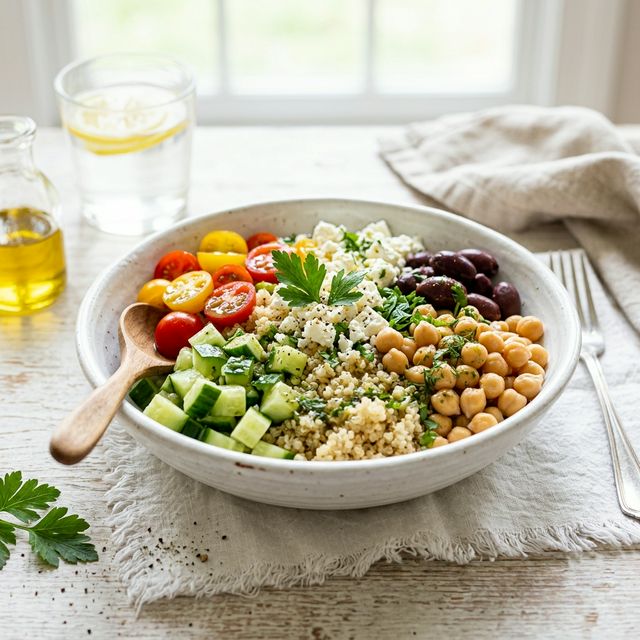
Mediterranean Quinoa Bowl
A meal-prep-friendly Mediterranean quinoa bowl with chickpeas, Kalamata olives, feta, and a sharp lemon-oregano dressing. Ready in 30 minutes.
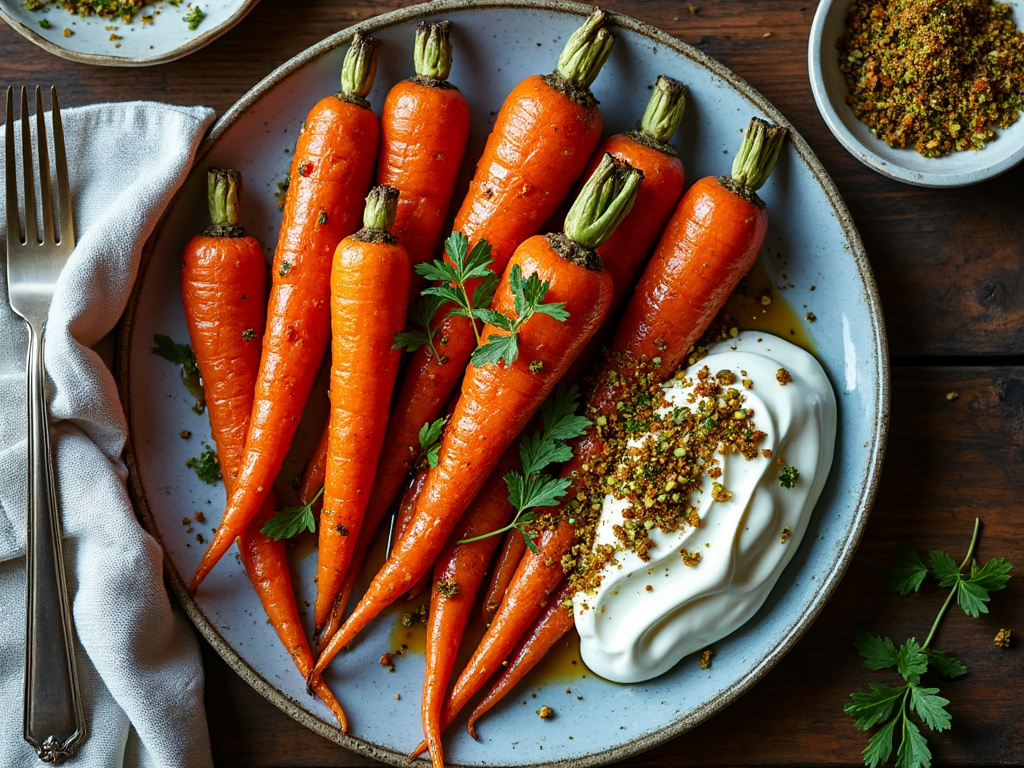
Harissa-Glazed Roasted Carrots with Whipped Ricotta and Pistachio Dukkah
Harissa-glazed carrots roasted until caramelized, served on whipped ricotta with homemade pistachio dukkah. A stunning vegetarian dinner or side.
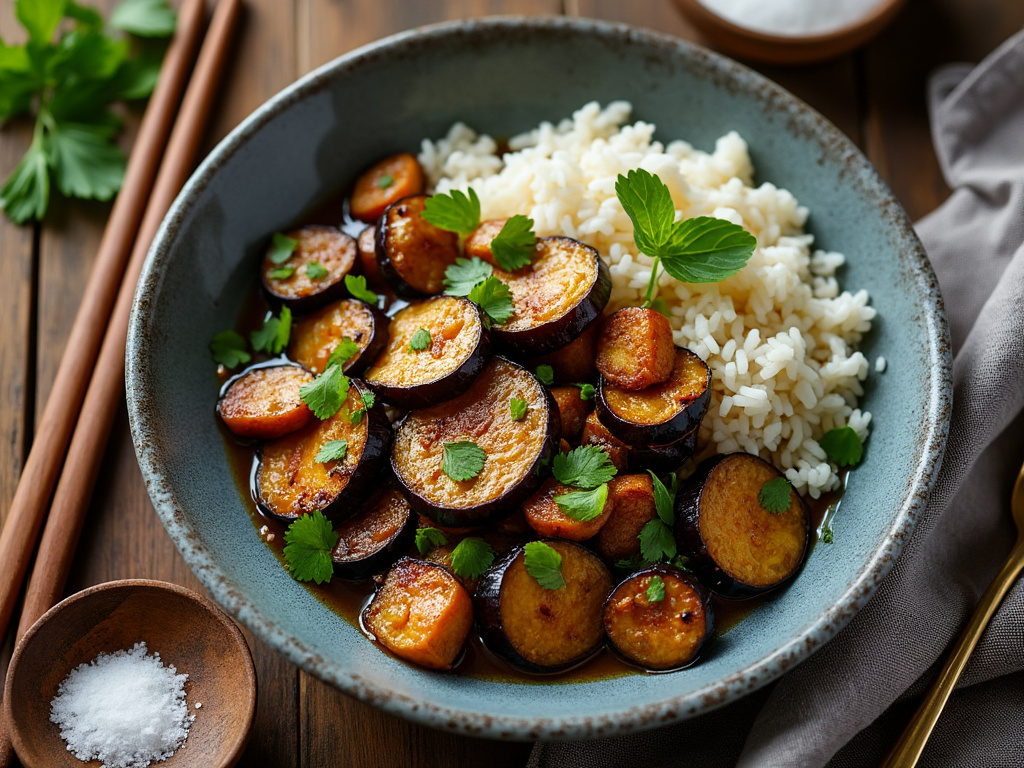
White Miso and Ginger Braised Eggplant with Crispy Tofu and Scallion Rice
Silky miso-braised eggplant, golden crispy tofu, and scallion rice — a deeply savory vegetarian weeknight dinner ready in 60 minutes.