Spicy Korean Pork Bulgogi Rice Bowls
Tender gochujang-marinated pork, crispy-edged and caramelized, served over short-grain rice with pickled cucumbers and sesame spinach.
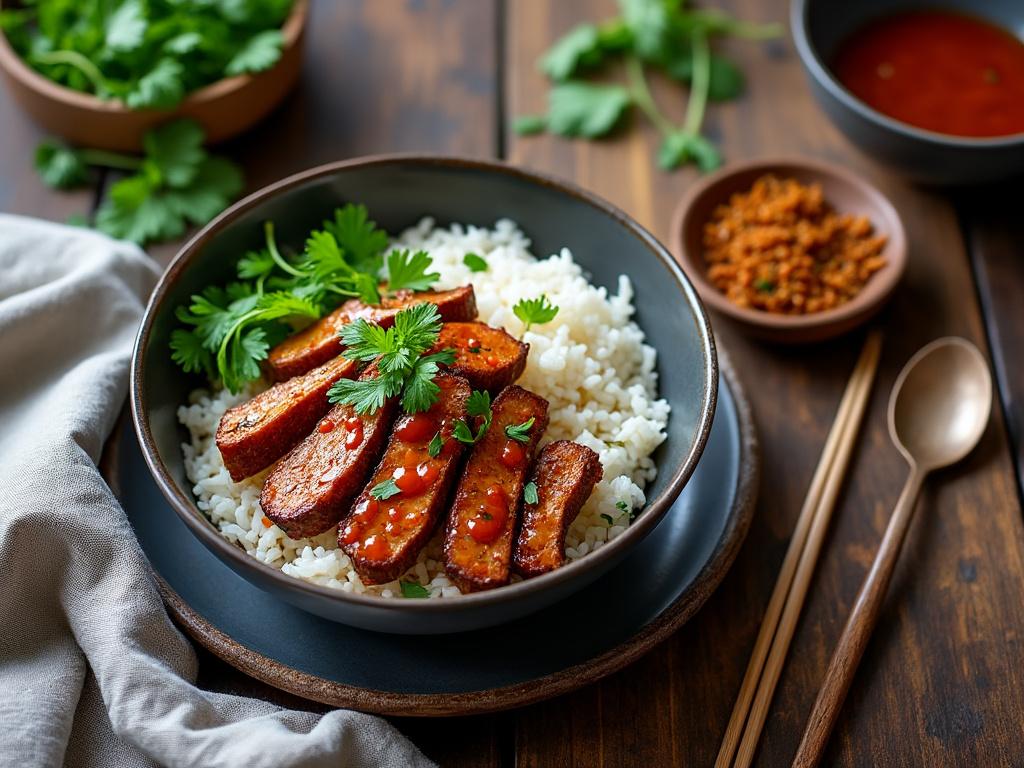
Pork bulgogi is what happens when thin-sliced meat hits a screaming-hot pan and the sugars in the marinade char at the edges before the center has a chance to dry out. The window is narrow — maybe 90 seconds per side — and that's exactly what makes it interesting. Gochujang is the load-bearing ingredient here: it brings heat, umami, and the fermented depth that soy sauce alone can't replicate. Don't substitute sriracha; the texture and flavor are fundamentally different.
Expect sticky, lightly caramelized pork with a slight chew, set against cold-pickled cucumber and barely-wilted sesame spinach. This is a weeknight bowl that happens to taste like you planned ahead. If the pork steams instead of sears (a common failure), your pan isn't hot enough or you've crowded it — cook in two batches and crank the heat.
Ingredients
- ▸ 1.5 lbs pork shoulder, sliced 1/4-inch thin against the grain
- ▸ 3 tbsp gochujang (CJ Haechandle brand recommended)
- ▸ 3 tbsp soy sauce
- ▸ 1 tbsp toasted sesame oil
- ▸ 1 tbsp brown sugar
- ▸ 1 tbsp rice vinegar
- ▸ 4 cloves garlic, finely grated
- ▸ 1 tsp fresh ginger, finely grated
- ▸ 1 tbsp neutral oil (canola or grapeseed)
- ▸ 2 cups short-grain white rice, uncooked
- ▸ 2.5 cups water (for rice)
- ▸ 1/2 tsp Diamond Crystal kosher salt (for rice)
- ▸ 2 Persian cucumbers, thinly sliced into rounds
- ▸ 2 tbsp rice vinegar (for pickling)
- ▸ 1 tsp granulated sugar (for pickling)
- ▸ 1/4 tsp Diamond Crystal kosher salt (for pickling)
- ▸ 5 oz baby spinach
- ▸ 2 tsp toasted sesame oil (for spinach)
- ▸ 1 tsp soy sauce (for spinach)
- ▸ 1 tbsp toasted sesame seeds
- ▸ 3 scallions, thinly sliced on the bias
- ▸ 1 tsp gochujang (for drizzle, optional)
- ▸ 1 tsp honey (for drizzle, optional)
🛒 Links may earn us a small commission at no cost to you.
Recommended Gear
🛒 We may earn a small commission at no extra cost to you. We only recommend gear we'd use ourselves.
Instructions
Marinate the Pork
- 1. In a large mixing bowl, whisk together the gochujang, 3 tbsp soy sauce, 1 tbsp sesame oil, brown sugar, 1 tbsp rice vinegar, grated garlic, and grated ginger until fully combined — the marinade should be thick, rust-red, and smell fermented-sweet. Add the sliced pork and toss well so every piece is coated. Let sit at room temperature for at least 15 minutes, or cover and refrigerate for up to 18 hours.
- 2. While the pork marinates, cook the rice: combine the short-grain rice, 2.5 cups water, and 1/2 tsp kosher salt in a medium saucepan. Bring to a boil over high heat, then immediately reduce to the lowest possible simmer, cover tightly, and cook for 15 minutes. You should hear a faint, steady hiss — not a rolling boil. Remove from heat and let steam, covered, for 10 minutes before fluffing.
Make the Pickled Cucumbers
- 1. In a small bowl, combine the sliced cucumbers with 2 tbsp rice vinegar, 1 tsp granulated sugar, and 1/4 tsp kosher salt. Toss well and set aside at room temperature — after 10 minutes the cucumbers will soften slightly and turn bright, translucent green. They'll be ready when the rice is done.
Prep the Sesame Spinach
- 1. Heat a medium skillet over high heat until just barely smoking — about 90 seconds. Add the baby spinach all at once and toss with tongs for 30-45 seconds, until wilted but still vivid green. You want it slightly collapsed, not fully wet and squeezed. Transfer immediately to a bowl and toss with 2 tsp sesame oil and 1 tsp soy sauce. Set aside.
Sear the Pork
- 1. Heat your cast iron skillet over high heat for 2 full minutes — it should be extremely hot before the pork goes in. Add 1 tbsp neutral oil and swirl to coat; it should shimmer and ripple immediately on contact.
- 2. Add half the marinated pork in a single layer. Do not stir. Let it sear undisturbed for 90 seconds — you'll hear an aggressive sizzle and the edges will char slightly and turn deep mahogany. Flip each piece with tongs and cook another 60-90 seconds until the second side matches.
- 3. Transfer the first batch to a plate, then repeat with the remaining pork. The skillet may smoke — that's expected from the gochujang sugars caramelizing. If you have a vent fan, use it.
Build the Bowls
- 1. If making the optional drizzle, whisk together 1 tsp gochujang and 1 tsp honey in a small bowl until smooth and glossy — it should be fluid enough to drizzle from a spoon.
- 2. Divide the steamed rice among four bowls. Arrange the seared pork over one section of the rice, followed by a small mound of sesame spinach and a neat pile of pickled cucumbers alongside. Scatter sliced scallions and sesame seeds over the entire bowl. Drizzle with the gochujang-honey sauce if using, and serve immediately while the pork is still warm.
Cook's Notes
- Freeze the pork shoulder for 20 minutes before slicing — it firms up and makes cutting thin, even slices significantly easier without a deli slicer.
- The pickled cucumbers can be made up to 2 days ahead and stored in the refrigerator; they get better as they sit.
- Don't skip the resting period after cooking rice — those 10 minutes off heat with the lid on are what give short-grain rice its ideal sticky-but-separate texture.
- If your marinade starts to burn before the pork is cooked through, add a tiny splash (1 tbsp) of water to the pan — it deglazes without steaming the meat and saves the fond.
- Toasted sesame seeds have dramatically more flavor than raw; buy pre-toasted or toast raw seeds in a dry pan over medium heat for 3-4 minutes, shaking constantly, until golden and fragrant.
Pro Tips
- → The single biggest mistake with bulgogi is a crowded pan — even a 12-inch skillet can only handle about half this recipe at once. Crowding drops the pan temperature below the Maillard threshold and you get gray, steamed meat instead of caramelized char.
- → Gochujang contains sugar, which means it burns fast. High heat is necessary, but if your skillet is thin or uneven, the marinade scorches before the pork cooks through. A cast iron skillet distributes heat more evenly and gives you a longer window before burning.
- → If the pork is sliced too thick (over 1/3 inch), the outside chars before the center cooks. If your pork shoulder came as a thick piece, butterfly it open or ask your butcher to run it through the slicer.
- → The pickled cucumbers need at least 10 minutes to do their job — below that, they're just dressed, not pickled. If you want them properly tangy and softened, make them 30+ minutes ahead.
- → To reheat leftover pork without losing the crust, use a dry (no oil) cast iron skillet over medium-high heat for 2 minutes — the residual fat in the meat is enough to re-crisp the outside. Microwaving makes it rubbery and wet.
- → If the gochujang-honey drizzle seizes up or becomes too thick, whisk in 1/2 tsp warm water at a time until it loosens to a pourable consistency — it thickens as it sits and especially if refrigerated.
What to Serve With This
A cold Hite or OB lager cuts through the gochujang heat without competing with the fermented funk of the marinade — the carbonation resets your palate between bites. If you prefer wine, a slightly off-dry Riesling from the Mosel (Kabinett level, around $15) handles the spice by offering just enough residual sugar to cool things down. Avoid big reds here; the tannins clash with the gochujang.
For a non-alcoholic option, barley tea (boricha) served cold is the traditional Korean pairing and earns its place — the roasted, slightly bitter note complements the caramelized pork without sweetness getting in the way. Sparkling water with a squeeze of yuzu or lime also works well.
On the table, a bowl of miso soup with tofu and wakame adds warmth without stealing focus. Steamed edamame with flaky salt is an easy no-cook side that adds protein and texture contrast. If you want something more substantial, a simple cucumber-kimchi salad — just store-bought kimchi chopped and tossed with sliced Persian cucumbers — rounds out the meal and adds crunch.
For a dinner party, serve the components separately on a large platter and let people build their own bowls. Add a bowl of gochujang thinned with sesame oil on the side for those who want extra heat.
Variations & Substitutions
For a gluten-free version, swap the soy sauce for tamari (same 3 tbsp quantity) and confirm your gochujang is gluten-free — CJ Haechandle brand is, while some others use wheat. Everything else in this recipe is naturally gluten-free, so it's a straightforward swap with no flavor loss.
To make this vegetarian, use 1.5 lbs of extra-firm tofu pressed dry and sliced into 1/4-inch planks, or thick-cut king oyster mushrooms torn into strips. The marinade times change: marinate tofu for at least 30 minutes (it won't break down like meat), and mushrooms for just 10 minutes. Cook both over high heat in a thin layer of oil, and expect slightly longer caramelization — about 3 minutes per side for tofu.
For a milder bowl suitable for kids or spice-averse eaters, reduce the gochujang to 1 tbsp and add 1 tbsp of white miso paste to the marinade to maintain the fermented depth. The heat drops significantly while the savory backbone stays intact. You can also keep the full-heat marinade and simply plate the pork separately so everyone seasons their own bowl.
To scale this for meal prep across 5 days, double the pork and marinade, cook in batches, and store the cooked meat separately from the rice and toppings. Reheat the pork in a dry skillet over medium-high for 2 minutes — it crisps back up better than microwave reheating.
Frequently Asked Questions
Can I marinate the pork overnight? ▼
Yes, and it's actually better. Overnight marinating (up to 18 hours) deepens the flavor and the gochujang tenderizes the meat slightly. Beyond 18 hours, the texture can become mushy, especially with thin slices, so don't push it much further. Store covered in the refrigerator and bring to room temperature for 15 minutes before cooking.
What cut of pork works best for this recipe? ▼
Pork shoulder (also labeled Boston butt) is the traditional choice — the fat content keeps the meat moist at high heat and contributes to caramelization. Pork loin can be used, but it's leaner and will dry out faster, so watch the cook time closely and pull it the moment the edges char. Avoid pork tenderloin for this recipe; it's too lean and the texture becomes stringy when sliced thin.
Can I use a grill instead of a skillet? ▼
Absolutely. Grill over high direct heat and use a grill basket or lay slices perpendicular to the grates so they don't fall through. Cook 1-2 minutes per side — the marinade will flare up from the gochujang sugars, which is fine and adds char. Just don't walk away from the grill during this step.
How do I store and reheat leftovers? ▼
Store the cooked pork, rice, and toppings in separate airtight containers in the refrigerator for up to 4 days. To reheat the pork, use a dry skillet over medium-high heat for 2-3 minutes — microwaving turns it soggy. Rice reheats fine in the microwave with a splash of water and a damp paper towel over the top.
Can I freeze the cooked pork bulgogi? ▼
Yes. Freeze the cooked pork in a single layer on a sheet pan until solid, then transfer to a zip-lock freezer bag for up to 2 months. Thaw overnight in the refrigerator and reheat in a hot skillet. The texture is slightly less crisp after freezing but still very good. Don't freeze it mixed with rice or toppings.
Where do I find gochujang? ▼
Most major grocery chains (Whole Foods, Kroger, Safeway) stock gochujang in the international aisle. CJ Haechandle is the most widely available brand and a reliable choice. Korean or Asian grocery stores will have a wider selection. It comes in small tubs or squeeze tubes — both work fine for this recipe.
My pork is steaming and not getting crispy — what went wrong? ▼
Two likely causes: the pan isn't hot enough, or you've added too much pork at once. The marinade contains moisture and sugar, so if the pan drops in temperature, steam builds up before the liquid can evaporate. Cook in two batches, use your heaviest skillet (cast iron is ideal), and let it preheat for at least 2 minutes before adding the meat.
Can I make this with chicken instead of pork? ▼
Yes — use 1.5 lbs of boneless skinless chicken thighs, sliced thin against the grain. The marinade works identically. Chicken thighs take about the same time as pork shoulder, roughly 2 minutes per side over high heat. Don't use chicken breast; it dries out too fast with this cooking method and at these temperatures.
Is there a substitute for sesame oil? ▼
Sesame oil is distinct enough that there's no perfect swap, but toasted sesame oil (in the marinade) can be halved and supplemented with 1 tsp of tahini thinned with a little neutral oil if you're in a pinch. The flavor will be less aromatic. Don't use regular vegetable or olive oil as a 1-for-1 substitute — it simply won't taste the same.
Can I use jasmine or basmati rice instead of short-grain? ▼
You can, but short-grain rice (Japanese or Korean style) has the starchy, slightly sticky quality that holds the bowl together and picks up the pork juices well. Jasmine works as a practical substitute with a lighter, floral note. Basmati is the least ideal — it's too dry and fluffy for this style of bowl.
Enjoyed this recipe?
Daily Home Cookery is self-funded. If something you cooked here made dinner a little better, a coffee keeps the kitchen running.
☕ Buy me a coffeeYou Might Also Like
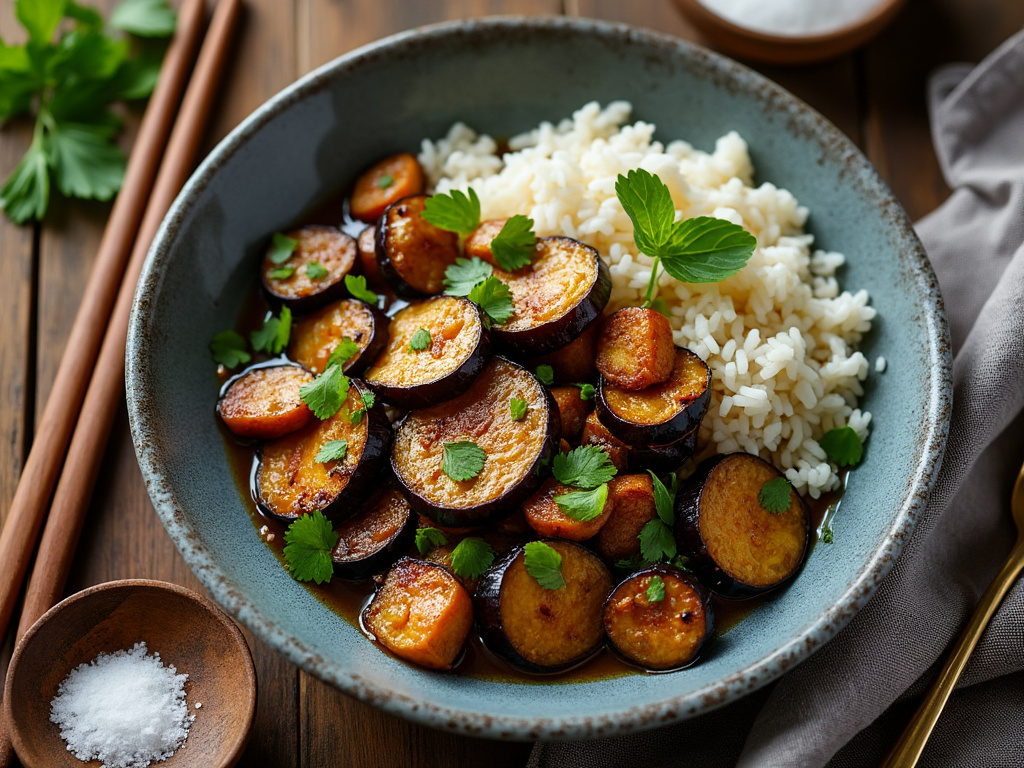
White Miso and Ginger Braised Eggplant with Crispy Tofu and Scallion Rice
Silky miso-braised eggplant, golden crispy tofu, and scallion rice — a deeply savory vegetarian weeknight dinner ready in 60 minutes.
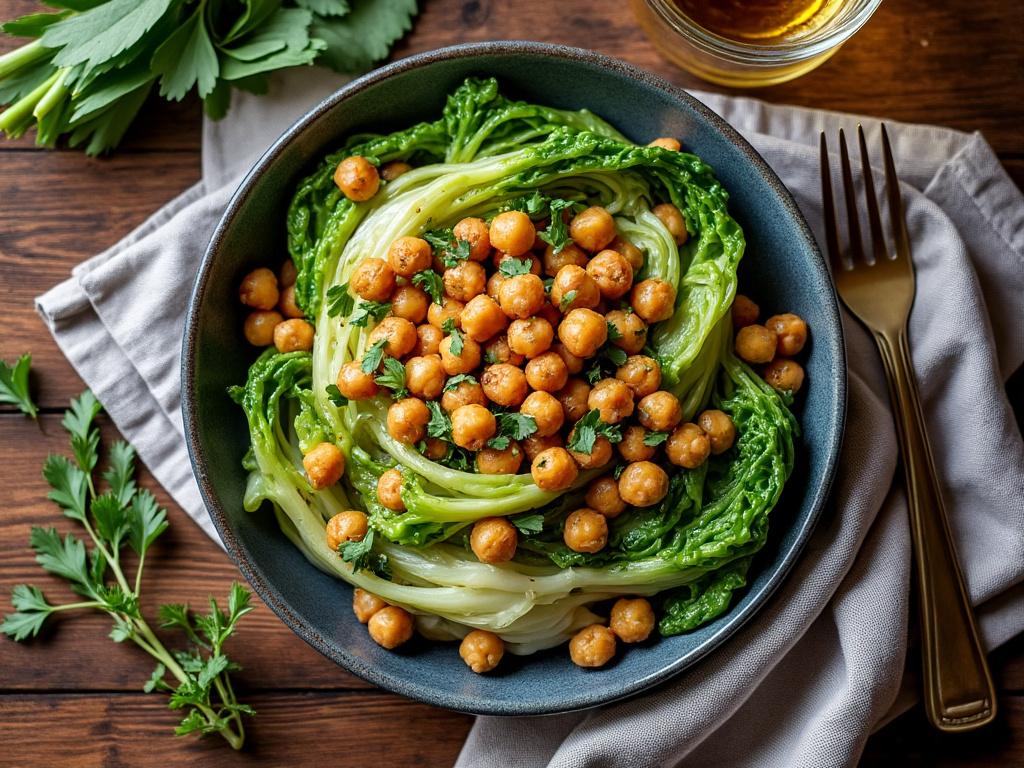
Weeknight Miso Butter Braised Cabbage with Crispy Chickpeas
Deeply savory miso butter braised cabbage topped with shatteringly crispy chickpeas. A fast, pantry-friendly weeknight vegetarian dinner.
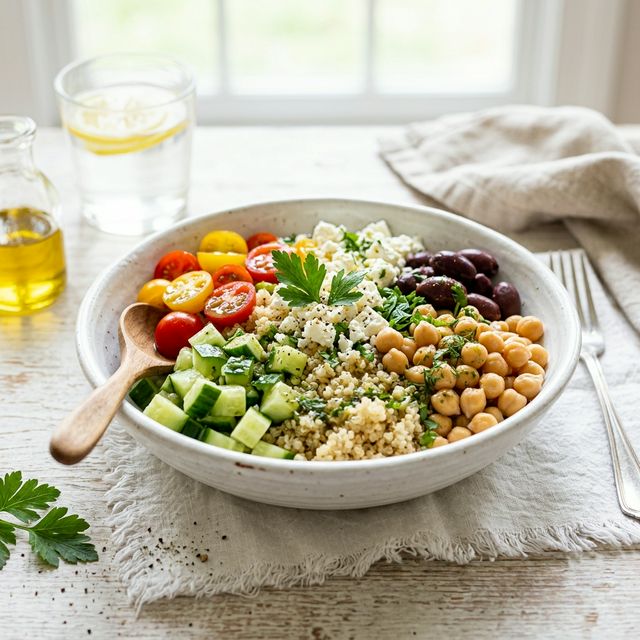
Mediterranean Quinoa Bowl
A meal-prep-friendly Mediterranean quinoa bowl with chickpeas, Kalamata olives, feta, and a sharp lemon-oregano dressing. Ready in 30 minutes.