Taiwanese Braised Pork Rice (Lu Rou Fan) with Pickled Mustard Greens
Meltingly tender soy-braised pork belly over steamed rice with pickled mustard greens — a Taiwanese comfort food classic ready in 90 minutes.
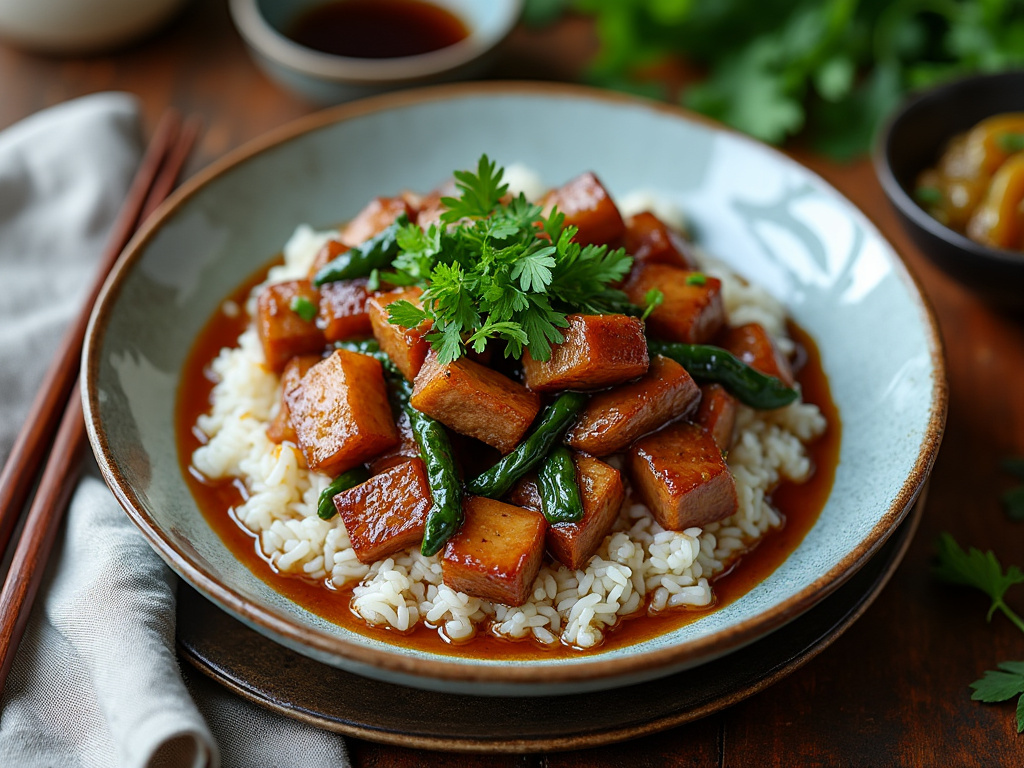
Lu rou fan is the kind of dish that proves pork belly and soy sauce were made for each other. The fat renders slowly into a glossy, mahogany-colored braise that coats every grain of rice underneath — this is not a light weeknight bowl, and it's not trying to be. The technique that makes it work is rendering the pork in its own fat first, then building the braise on top of those browned bits with dark soy sauce, Shaoxing rice wine, and a whole star anise. That layering of depth before any liquid goes in is what separates a good lu rou fan from a flat, gray version.
Expect deeply savory pork with a sticky, lacquered sauce and a subtle sweetness from rock sugar. The pickled mustard greens cut through the richness with a sharp, tangy bite that makes the whole bowl feel balanced rather than heavy. This is a weekend batch-cook meal — the braise actually improves significantly the next day — but it's straightforward enough to make on a Sunday afternoon. If the sauce looks too thin at the 75-minute mark, remove the lid and let it reduce uncovered for 10 minutes.
Ingredients
- ▸ 1.75 lbs skin-on pork belly, cut into 3/4-inch cubes
- ▸ 3 tbsp soy sauce
- ▸ 2 tbsp dark soy sauce (Pearl River Bridge brand recommended)
- ▸ 3 tbsp Shaoxing rice wine
- ▸ 1 tbsp oyster sauce
- ▸ 1 oz rock sugar (about 2 small lumps), or 1.5 tbsp packed light brown sugar
- ▸ 1 cup water
- ▸ 1 cup low-sodium chicken stock
- ▸ 4 cloves garlic, peeled and lightly smashed
- ▸ 3 medium shallots, thinly sliced
- ▸ 2 whole star anise
- ▸ 1 cinnamon stick (3-inch)
- ▸ 1/2 tsp five-spice powder
- ▸ 1/4 tsp white pepper
- ▸ 1 tbsp neutral oil (vegetable or avocado)
- ▸ 4 large eggs
- ▸ 3 tbsp soy sauce (for egg marinade)
- ▸ 1 tbsp dark soy sauce (for egg marinade)
- ▸ 1/2 cup water (for egg marinade)
- ▸ 1/2 cup pickled mustard greens, roughly chopped and rinsed
- ▸ 3 cups jasmine rice, cooked (about 1 cup dry)
- ▸ 2 scallions, thinly sliced (for garnish)
- ▸ 1 tsp toasted sesame oil (for garnish)
🛒 Links may earn us a small commission at no cost to you.
Recommended Gear
🛒 We may earn a small commission at no extra cost to you. We only recommend gear we'd use ourselves.
Instructions
Prep
- 1. Pat the pork belly cubes completely dry with paper towels — any surface moisture will cause aggressive splattering and prevent browning. Season lightly with 1/4 tsp white pepper and set aside at room temperature for 10 minutes while you prep the shallots and garlic.
- 2. Slice the shallots thinly and smash the garlic cloves flat with the side of your knife. Measure out both soy sauces, Shaoxing wine, oyster sauce, and rock sugar into a small bowl so you can add them quickly once the pork is browned.
Render and Brown
- 1. Heat 1 tbsp neutral oil in a 4-quart Dutch oven over medium-high heat until shimmering, about 90 seconds. Add the pork belly cubes in a single layer — do this in two batches if they're crowded. Sear undisturbed for 3-4 minutes per side until deeply golden brown and the fat has visibly rendered; you'll hear a steady, aggressive sizzle and the fat will pool in the pan.
- 2. Transfer the browned pork to a plate. Pour off all but about 1.5 tbsp of the rendered fat from the pot, leaving the browned fond on the bottom intact.
- 3. Reduce heat to medium and add the shallots. Cook, stirring frequently, until soft and golden at the edges, about 3-4 minutes — they should smell sweet and caramelized. Add the smashed garlic and cook for another 60 seconds until fragrant.
Build the Braise
- 1. Add the Shaoxing wine and scrape the bottom of the pot with a wooden spoon to lift all the browned bits — the liquid will bubble aggressively for about 30 seconds. Add both soy sauces, oyster sauce, rock sugar, star anise, cinnamon stick, and five-spice powder. Stir until the rock sugar dissolves, about 1 minute.
- 2. Return the seared pork to the pot. Add the water and chicken stock — the liquid should come about three-quarters of the way up the pork, not fully submerge it. Bring to a boil over medium-high heat, then reduce to a low simmer. Cover with a lid slightly ajar and braise for 75-90 minutes, stirring gently every 20 minutes, until the pork is tender enough that a chopstick slides through with almost no resistance and the sauce is glossy and lightly syrupy.
Soy Eggs (Do this while the pork braises)
- 1. Bring a medium saucepan of water to a full boil. Gently lower 4 eggs into the water with a spoon and cook exactly 7 minutes for a jammy, slightly soft yolk. Transfer immediately to an ice bath for 5 minutes, then peel carefully.
- 2. In a small bowl or zip-lock bag, combine 3 tbsp soy sauce, 1 tbsp dark soy sauce, and 1/2 cup water. Submerge the peeled eggs and marinate at room temperature for at least 30 minutes (or in the fridge for up to 4 hours). The shells should turn amber-brown — the longer they marinate, the saltier and more deeply colored they get.
Finish and Serve
- 1. In the last 10 minutes of braising, taste the sauce and adjust: if it's too thick, add a splash of water (2 tbsp at a time); if too thin, remove the lid and increase heat to medium, letting it reduce uncovered until it coats the back of a spoon and looks lacquered.
- 2. Spoon steamed jasmine rice into deep bowls. Ladle a generous portion of braised pork and its sauce directly over the rice — the sauce should pool slightly around the base. Halve the marinated eggs and place cut-side up alongside the pork. Add a small pile of rinsed, chopped pickled mustard greens to one side of the bowl. Finish with sliced scallions and a few drops of toasted sesame oil per bowl.
Cook's Notes
- Rinse the pickled mustard greens under cold water for 30 seconds before serving — they can be aggressively salty straight from the package, and a quick rinse brings them into balance without washing out the tang.
- Rock sugar is sold at most Asian grocery stores in lumps or small crystals. Don't try to substitute honey — it adds floral notes that fight the soy and anise.
- If your pork belly doesn't have skin, the sauce will be slightly less gelatinous. Compensate by adding 1/2 tsp of unflavored gelatin bloomed in 1 tbsp of cold water and stirred in during the last 5 minutes of braising.
- The braise improves significantly after resting overnight in the fridge. Reheat over medium-low heat with a splash of water or stock and serve the next day — the flavors deepen and the pork becomes even more tender.
- Five-spice powder varies significantly by brand — some are heavily clove-forward, others lead with star anise. McCormick's is mild and balanced, which works well here. Taste your spice blend before adding and reduce to 1/4 tsp if it smells intensely of clove.
Pro Tips
- → The single most common failure in lu rou fan is not rendering the pork belly long enough before adding liquid — if you rush the browning step, the fat stays waxy and the sauce never develops that deep mahogany color. You need a solid 3-4 minutes of contact per side with no moving.
- → If the braising sauce looks greasy or broken near the end of cooking, it means too much fat has rendered out without emulsifying. Skim the excess fat off the surface with a ladle or paper towel, then stir vigorously — the sauce will re-tighten as it cools slightly.
- → Dark soy sauce is the ingredient most people skip or substitute incorrectly — regular soy sauce alone makes the dish taste flat and look pale gray. Dark soy is not more salty, just thicker and more deeply colored. Buy a bottle; it lasts indefinitely in the pantry.
- → For the eggs, the 7-minute boil is deliberate — at 6 minutes, the yolk is too runny to hold its shape when halved; at 8 minutes, it loses the jammy center. Set a timer and use an ice bath immediately; the carry-over cooking in a hot egg is significant.
- → If you can only find boneless pork belly, buy a slab and cut it yourself into 3/4-inch cubes — pre-cut 'stir-fry strips' are too thin and will overcook to shreds within 45 minutes. The cube shape gives you intact pieces with visible layers of fat and meat in the finished bowl.
- → The Shaoxing wine deglazes the pot and adds a subtle fermented depth — don't substitute with white wine, which is too bright and acidic for this braise. Dry sherry is the closest supermarket alternative in a 1:1 ratio.
What to Serve With This
Steamed jasmine rice is the only base this dish belongs on — its neutral, slightly floral character absorbs the braising liquid without competing. Use a rice cooker if you have one; the texture is more consistent than stovetop for long-grain. For a contrast in texture, a simple smashed cucumber salad dressed with rice vinegar, sesame oil, and a pinch of sugar cuts through the fat and gives the palate a cool, acidic reset between bites.
A soft-boiled soy-marinated egg (ramen-style, halved lengthwise) is the traditional pairing and earns its place — the custardy yolk mixed into the braising sauce on top of rice is worth the extra ten minutes. Blanched gai lan (Chinese broccoli) with oyster sauce alongside adds greenery and keeps the meal from feeling one-dimensional.
For drinks, a cold Taiwan Beer (lager) is the canonical pairing — the light carbonation and mild bitterness cleanse the palate between fatty bites without overwhelming the soy-forward sauce. If you prefer wine, an off-dry Riesling from the Mosel works well; its slight sweetness echoes the rock sugar in the braise while the acidity handles the richness. For a non-alcoholic option, chilled barley tea (mugicha) is earthy and slightly bitter in a way that complements the dark soy without any sweetness getting in the way.
Variations & Substitutions
For a leaner version, substitute 1.5 lbs of skinless pork shoulder, cut into ½-inch cubes, for the pork belly. You'll lose some of the gelatinous mouthfeel but keep the flavor — add 1 tbsp of toasted sesame oil at the end to compensate for the reduced fat content. The braise time drops to about 60 minutes since shoulder has less connective tissue.
To make this gluten-free, swap the regular soy sauce for a certified GF tamari (San-J is widely available) in equal amounts, and replace the Shaoxing wine with dry sherry or a 50/50 mix of rice vinegar and water. The flavor is marginally thinner but holds up well. Ensure your dark soy sauce is also GF — Pearl River Bridge makes a tamari-based dark soy that works cleanly.
For a vegetarian version, use 1.5 lbs of king oyster mushrooms and 1 block (14 oz) of extra-firm tofu, both cut into ½-inch pieces. Press the tofu for 20 minutes first. Cook time drops to 35 minutes — you want the mushrooms to absorb the braising liquid and caramelize slightly. Add 1 tsp of toasted sesame oil and 1 tbsp of hoisin at the end to replicate some of the body the pork fat provides.
To scale up for 8 servings, double all ingredients and use a 6-quart Dutch oven. Braise time stays the same, but increase the initial rendering step by 5 minutes since there's more fat to cook off.
Frequently Asked Questions
Can I make lu rou fan ahead of time? ▼
Yes — this dish is actually better made a day ahead. The fat solidifies on top of the braising liquid in the fridge, making it easy to skim off if you want a lighter sauce, or stir back in for full richness. Reheat gently over medium-low heat with a splash of water if the sauce has thickened too much overnight.
Can I freeze the braised pork? ▼
Freeze the braised pork (without the rice) in airtight containers for up to 3 months. The gelatinous braising liquid freezes and reheats beautifully — thaw overnight in the fridge and reheat on the stovetop over low heat. The texture of the pork holds up better than most braises.
What cut of pork works best? ▼
Skin-on pork belly is traditional and gives the most authentic result — the skin turns gelatinous and coats the braising liquid. If your grocery store only carries skinless belly, that still works well. Avoid using loin or tenderloin; they dry out during the long braise.
What if I can't find rock sugar? ▼
Substitute 1.5 tbsp of packed light brown sugar — it's not identical but gives a similar depth. Avoid granulated white sugar, which adds sweetness without any molasses complexity. Rock sugar is sold at most Asian grocery stores and online, and a bag lasts for months.
What's the difference between dark soy sauce and regular soy sauce? ▼
Dark soy sauce is thicker, less salty, and slightly sweet — it's the ingredient responsible for the mahogany color of the braise. Regular soy sauce alone will give you a thinner, saltier result without the color. Pearl River Bridge and Lee Kum Kee both make widely available dark soy sauces.
Can I make this in a slow cooker? ▼
Yes, but don't skip the initial rendering and browning step on the stovetop — that's where most of the flavor comes from. After browning, transfer everything to a slow cooker and cook on LOW for 6-7 hours or HIGH for 3.5-4 hours. Leave the lid ajar for the last 30 minutes to help the sauce reduce slightly.
Where do I find pickled mustard greens? ▼
Look in the refrigerated section of Asian grocery stores, usually near kimchi or fermented products. They're also sold jarred at room temperature under brands like Shuang Mao. If unavailable, substitute finely chopped kimchi (rinsed briefly to reduce heat) or quick-pickled daikon for a similar acidic, briny counterpoint.
How do I know when the braise is done? ▼
The pork belly is ready when a chopstick or skewer slides through the skin and fat with almost no resistance, and the braising liquid has reduced to a glossy, slightly syrupy consistency. If the liquid is still watery at the 80-minute mark, remove the lid and increase heat to medium for 10 minutes.
My sauce tastes too salty. How do I fix it? ▼
Add a splash of water (2-3 tbsp at a time) and an extra ½ tsp of rock sugar or brown sugar. Over-salting usually happens if the sauce has reduced too aggressively — covering the pot fully earlier in the braise prevents excess evaporation. Taste and adjust before serving, not halfway through cooking.
Can I use an Instant Pot for this recipe? ▼
Use the Sauté function for the rendering and browning steps, then cook on HIGH pressure for 35 minutes with a natural pressure release for 15 minutes. The pork will be tender, though the sauce may need a few minutes on Sauté mode at the end to reduce to a glaze-like consistency.
Enjoyed this recipe?
Daily Home Cookery is self-funded. If something you cooked here made dinner a little better, a coffee keeps the kitchen running.
☕ Buy me a coffeeYou Might Also Like
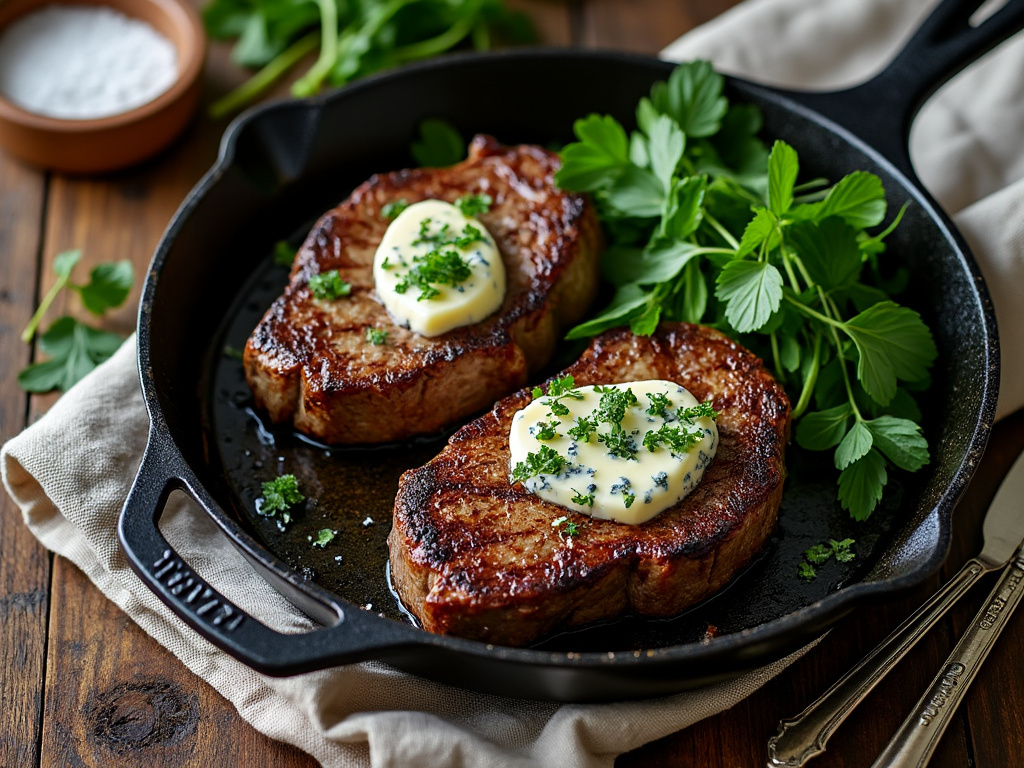
Butter-Basted Skillet Steak with Blue Cheese Compound Butter and Watercress
Cast iron butter-basted ribeye with tangy blue cheese compound butter and peppery watercress. Restaurant technique, done at home in 15 minutes.
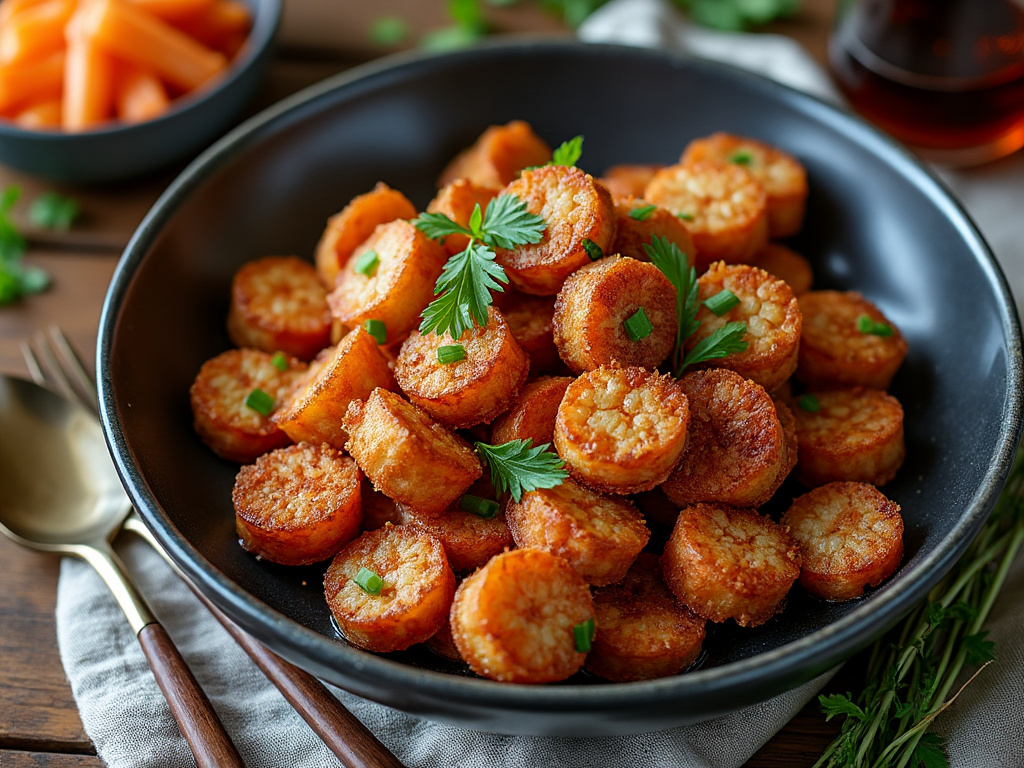
Crispy Rice Cakes with Gochujang Braised Pork Belly and Pickled Daikon
Pan-fried tteok meet sticky gochujang-braised pork belly and quick pickled daikon in this bold, satisfying Korean-inspired skillet dinner.
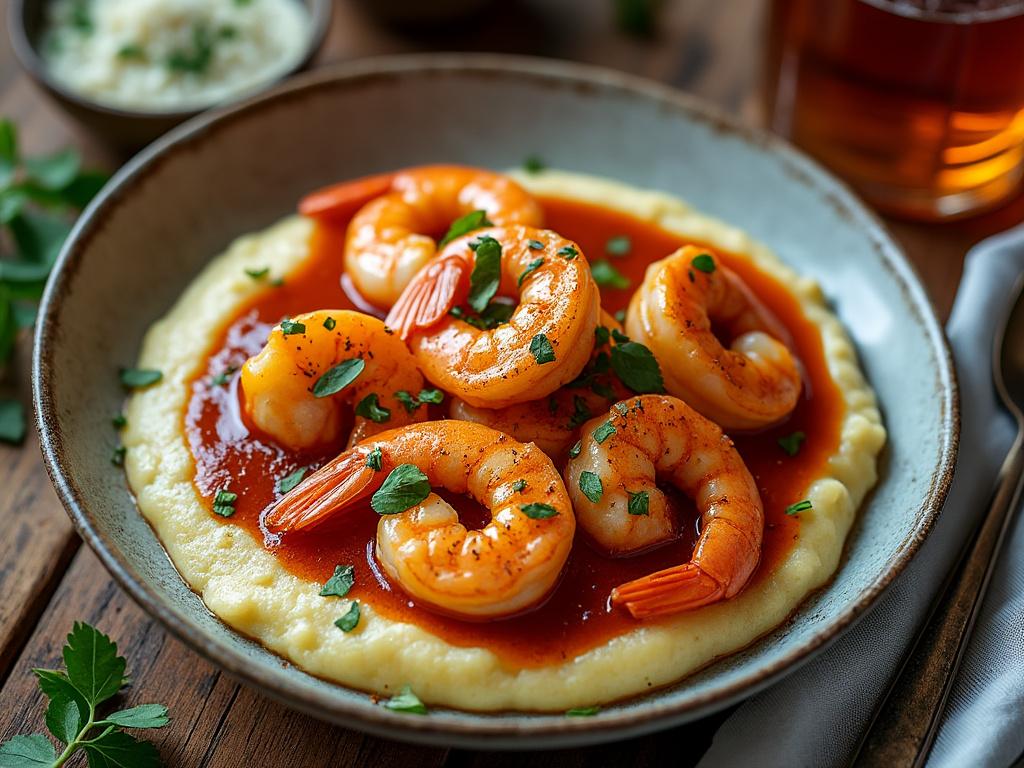
Smoked Paprika Shrimp and Grits with Roasted Pepper Gravy
Creamy stone-ground grits, bold smoked paprika shrimp, and a silky roasted red pepper gravy — a Southern classic done right.