Butter-Poached Radishes and Spring Onions with Soft Polenta and Fried Capers
Butter-poached radishes and spring onions over creamy polenta with fried capers — an elegant, vegetarian weeknight dinner ready in 50 minutes.

Most people only eat radishes raw, which is a missed opportunity. Heat transforms them: the sharp, peppery bite mellows into something buttery and subtly sweet, and their color deepens from bright magenta to a dusty rose. This dish is built on that transformation. The technique is simple — slow-poaching in a shallow pool of butter and water until the liquid emulsifies into a glossy pan sauce — and it works on spring onions the same way, softening them to jammy, tender ropes.
Under all of that goes a loose, creamy polenta made with whole milk and finished with Parmigiano-Reggiano. Fried capers on top add a briny, crunchy counterpoint that the dish genuinely needs — without them, it reads as too rich. Serve this as a vegetarian weeknight dinner or a composed first course for guests. If the pan sauce breaks and looks greasy instead of glossy, whisk in 1 tablespoon of cold water off the heat and it will come back together immediately.
Ingredients
- ▸ 1 cup stone-ground polenta (not instant)
- ▸ 3 cups whole milk
- ▸ 1 cup water
- ▸ 1 tsp Diamond Crystal kosher salt
- ▸ 2 oz Parmigiano-Reggiano, finely grated (about 3/4 cup)
- ▸ 2 tbsp unsalted butter (for polenta)
- ▸ 1/2 tsp freshly ground black pepper
- ▸ 2 bunches radishes (about 20 radishes), trimmed and halved through the stem
- ▸ 1 bunch spring onions (about 6), roots trimmed, cut into 3-inch lengths
- ▸ 4 tbsp unsalted Kerrygold butter (for poaching)
- ▸ 1/3 cup water (for poaching)
- ▸ 1/2 tsp Diamond Crystal kosher salt (for vegetables)
- ▸ 1/4 tsp white sugar
- ▸ 3 tbsp capers, drained and thoroughly patted dry
- ▸ 3 tbsp neutral oil (such as grapeseed or sunflower), for frying capers
- ▸ 1 tbsp fresh lemon juice
- ▸ 2 tbsp fresh flat-leaf parsley leaves, roughly torn
- ▸ 1/4 tsp red pepper flakes
🛒 Links may earn us a small commission at no cost to you.
Recommended Gear
🛒 We may earn a small commission at no extra cost to you. We only recommend gear we'd use ourselves.
Instructions
Prep
- 1. Trim the radishes, leaving about 1/4 inch of stem attached for visual appeal, and halve them lengthwise through the stem end. Cut the spring onions into 3-inch lengths, keeping white and pale green parts together and discarding the darkest green tops. Pat the drained capers between two layers of paper towels and press firmly — they need to be as dry as possible before hitting the oil.
- 2. Combine the 3 cups of whole milk and 1 cup of water in the 3-quart saucepan over medium heat. Warm until steaming and just beginning to bubble at the edges, about 4 to 5 minutes — do not let it boil hard or it will scorch.
Cook the Polenta
- 1. Whisk the polenta into the hot milk-water mixture in a thin, steady stream, whisking constantly to prevent lumps. Once all the polenta is incorporated and there are no dry streaks, about 1 minute, reduce heat to low. Switch to a wooden spoon.
- 2. Cook the polenta, stirring every 2 to 3 minutes and scraping the bottom and edges of the pot, for 25 to 30 minutes — it's done when it pulls cleanly away from the sides of the pot and a spoonful holds its shape briefly before slumping. Season with 1 tsp kosher salt and 1/2 tsp black pepper. Stir in 2 tablespoons of butter and the grated Parmigiano-Reggiano until fully melted and glossy. Cover and keep warm over the lowest possible heat.
Butter-Poach the Vegetables
- 1. Place the 12-inch skillet over medium heat. Add the 4 tablespoons of Kerrygold butter and 1/3 cup of water. When the butter is fully melted and the mixture begins to simmer — you'll see small, steady bubbles — add the radishes cut-side down in a single layer, then nestle the spring onions around them. Season with 1/2 tsp kosher salt and 1/4 tsp sugar.
- 2. Cook at a steady simmer, swirling the pan occasionally to keep the butter and water emulsified, for 7 to 9 minutes. The radishes are ready when a paring knife slides in with no resistance and their cut sides are lightly golden. The sauce should look glossy and slightly thickened — if it looks greasy or separated, whisk in 1 tablespoon of cold water off the heat immediately and swirl to bring it back.
- 3. Remove the skillet from the heat. Squeeze in 1 tablespoon of lemon juice and swirl to combine. Taste and adjust salt. Cover loosely with foil to keep warm while you fry the capers.
Fry the Capers
- 1. Heat the 3 tablespoons of neutral oil in the 8-inch skillet over medium-high heat until shimmering, about 1 to 2 minutes. Test with one caper — if it sizzles immediately and aggressively, the oil is ready. Add all the patted-dry capers at once using a splatter screen to shield yourself. Fry, shaking the pan gently, for 1 to 2 minutes until the capers are fully opened, crispy, and golden — they should sound like dry crackling. Transfer immediately with a slotted spoon to a paper-towel-lined plate.
Assemble
- 1. Spoon a generous mound of polenta into each warmed shallow bowl — about 3/4 cup per person. It should spread slowly, not run. Arrange the butter-poached radishes and spring onions over the polenta, then spoon several tablespoons of the pan sauce over everything.
- 2. Scatter the fried capers evenly over each bowl, then finish with the torn flat-leaf parsley and a pinch of red pepper flakes. Serve immediately — the capers lose their crunch within about 10 minutes.
Cook's Notes
- Stone-ground polenta varies significantly by brand in terms of coarseness. Bob's Red Mill medium-grind works well here; if using a coarser grind, add up to 10 more minutes of cooking time and a splash more liquid.
- Don't skip the sugar in the poaching liquid. Even 1/4 teaspoon accelerates caramelization on the radish cut-sides and balances residual bitterness in the spring onion greens.
- The radish greens are edible and good — if your bunch comes with healthy, unwilted tops, wash and dry them and use them as a garnish in place of or alongside the parsley.
- Grate your own Parmigiano-Reggiano. Pre-grated Parmesan in canisters contains cellulose that prevents smooth melting and gives the polenta a slightly grainy texture.
- Spring onions are sold seasonally at most supermarkets from March through June. Outside that window, large scallions are the closest substitute — see the variations section for timing adjustments.
Pro Tips
- → The butter-water poaching emulsion is fragile. If your heat spikes too high and the water evaporates faster than the butter, the emulsion will break and you'll be left with greasy vegetables in clarified butter. Keep the simmer gentle and steady — medium-low is usually right, but watch the pan, not the dial.
- → If the polenta seizes and becomes stiff before you're ready to plate, it hasn't gone bad. Stir in warm milk, 2 tablespoons at a time, over low heat. Never add cold milk — the temperature shock causes the starches to seize further.
- → For extra depth, brown the butter in the poaching pan first: melt it alone until it smells nutty and turns amber, then add the water carefully (it will spatter). Swirl to re-emulsify before adding the vegetables. This adds a toasted, almost hazelnut note to the finished sauce.
- → Capers fry best when completely bone-dry. Even a little surface moisture causes violent splattering and steams the capers instead of frying them, leaving them soft rather than crispy. If you're skeptical yours are dry enough, spread them on a sheet pan and let them air-dry for 10 minutes after patting.
- → For the most visually striking plating, choose radishes that are uniformly sized — golf-ball-sized ones are ideal. Very large radishes take 2 to 3 minutes longer to become tender, and very small ones can overcook and turn mushy before the spring onions are done.
- → If you make this dish regularly, the leftover caper frying oil is useful: it's infused with briny, savory flavor and works well as a finishing drizzle over the assembled bowls or as the base for a quick vinaigrette.
What to Serve With This
A crisp, unoaked white wine is the move here. Vermentino from Sardinia — Sella & Mosca makes a widely available bottle — has enough acidity to cut through the butter and enough herbal bitterness to mirror the radish greens. Alternatively, a dry Alsatian Pinot Blanc works beautifully: it has the body to stand up to polenta without overpowering the delicate vegetable flavors. If you want something sparkling, a brut Crémant d'Alsace cleanses the palate between bites in a way that still feels substantial.
For non-alcoholic options, a sparkling water with a squeeze of lemon and a few drops of white wine vinegar mimics the acidity role effectively. Avoid anything sweet — fruit juice or lemonade will fight the brininess of the capers.
On the table, serve a simple arugula salad dressed with just lemon and good olive oil. The bitterness of arugula echoes the peppery radish notes and the sharpness cuts the richness of the polenta. A few shavings of Parmigiano-Reggiano on the salad tie it back to the main dish.
For bread, a thin, crispy flatbread or grilled sourdough slices work better than a soft loaf. You want something to drag through the pan sauce, not something that will turn the whole meal heavy. Skip dinner rolls entirely.
Variations & Substitutions
To make this vegan, replace the butter with 4 tablespoons of refined coconut oil plus 1 tablespoon of extra-virgin olive oil. The coconut oil creates a similar emulsified sauce, though it won't have the same richness. For the polenta, use full-fat oat milk (Oatly Barista edition works best) in place of whole milk, and swap the Parmigiano for 3 tablespoons of nutritional yeast plus 1 teaspoon of white miso. The miso adds the umami depth that cheese usually provides.
For a gluten-free version, this recipe is naturally gluten-free as written — just confirm your capers are packed in brine, not any flavored liquid that might contain additives. No other changes needed.
For a heartier, cold-weather version, swap the spring onions for 1 large leek (white and light green parts only, sliced into 1-inch rounds) and add 4 ounces of quartered cremini mushrooms to the butter poaching pan. The leeks take an extra 5 minutes to become tender. Add 1/4 teaspoon of smoked paprika to the polenta for a subtle smoky note that pairs well with the earthier vegetables.
If you're scaling for two, halve all ingredient quantities and use a 9-inch skillet instead of a 12-inch. The polenta timing stays the same; the butter poaching will go 2 to 3 minutes faster since there's less volume in the pan.
Frequently Asked Questions
Can I make the polenta ahead of time? ▼
Yes, but polenta firms up as it cools, so you'll need to reheat it. Add 2 to 3 tablespoons of warm milk or water per serving and whisk it over medium-low heat until loose and creamy again, about 3 to 4 minutes. Don't microwave it straight from the fridge — it heats unevenly and develops lumps.
My radishes aren't losing their raw edge after 8 minutes. What's wrong? ▼
The most common cause is the heat being too low or the pan being too crowded. Make sure the radishes are in a single layer with some space between them, and that the liquid is at a steady, active simmer — not just steaming. If needed, increase heat to medium and add 1 tablespoon of additional water to maintain the emulsion.
Can I use instant polenta instead of stone-ground? ▼
You can, but reduce the liquid by 1/4 cup and cut the cook time to 5 minutes. Instant polenta doesn't have the same slightly nutty, toasty character as stone-ground, and it tends to go gluey if overcooked, so pull it off the heat as soon as it thickens. The result will still be good, just less complex.
How do I store and reheat leftovers? ▼
Store the polenta and the radish mixture separately in airtight containers in the fridge for up to 3 days. The fried capers should be kept at room temperature in a small dry container and will stay crispy for about 2 days. Reheat the polenta with a splash of milk over low heat; rewarm the radishes gently in a small skillet with 1 teaspoon of butter just until heated through.
Can I freeze this dish? ▼
The polenta freezes reasonably well — portion it into freezer bags, flatten, and freeze for up to 2 months. Reheat from frozen in a saucepan with a generous splash of milk, whisking constantly. The butter-poached radishes don't freeze well; they become waterlogged and mushy on thawing. Make those fresh.
What can I substitute for spring onions if I can't find them? ▼
Use 4 to 5 large scallions or 1 small leek (cleaned and sliced into 1-inch rounds). Scallions will cook faster — about 5 minutes instead of 8 — so add them to the pan 3 minutes after the radishes. Leeks will need an extra 4 to 5 minutes and may need a splash more water to prevent the pan from drying out.
Are there other vegetables I can poach alongside the radishes? ▼
Yes. Halved baby turnips work almost identically to radishes and add an earthy sweetness. Asparagus tips (added in the last 3 minutes) also work well. Avoid anything too dense, like carrots or beets, unless you par-cook them first — they won't become tender in the short poaching window.
My capers are splattering aggressively when I fry them. How do I prevent that? ▼
Pat the drained capers completely dry with paper towels before they hit the oil — excess brine is the main cause of violent splattering. Use a splatter screen or a pan with higher sides. The splattering calms down after about 30 seconds once the surface moisture burns off.
Can I make this dish for a dinner party? ▼
Absolutely. Make the polenta up to 2 hours ahead and keep it warm in a covered pot over the lowest possible heat, stirring every 20 minutes and adding splashes of warm milk as needed. Do the butter poaching and fry the capers just before plating — both take under 15 minutes and need to be done fresh for best texture.
Enjoyed this recipe?
Daily Home Cookery is self-funded. If something you cooked here made dinner a little better, a coffee keeps the kitchen running.
☕ Buy me a coffeeYou Might Also Like

Caramelized Onion and Gruyère Soup Dumplings (Steamed Bao Style)
Steamed soup dumplings filled with jammy caramelized onions, Gruyère, and a liquid beef aspic center. A French onion twist on a classic technique.
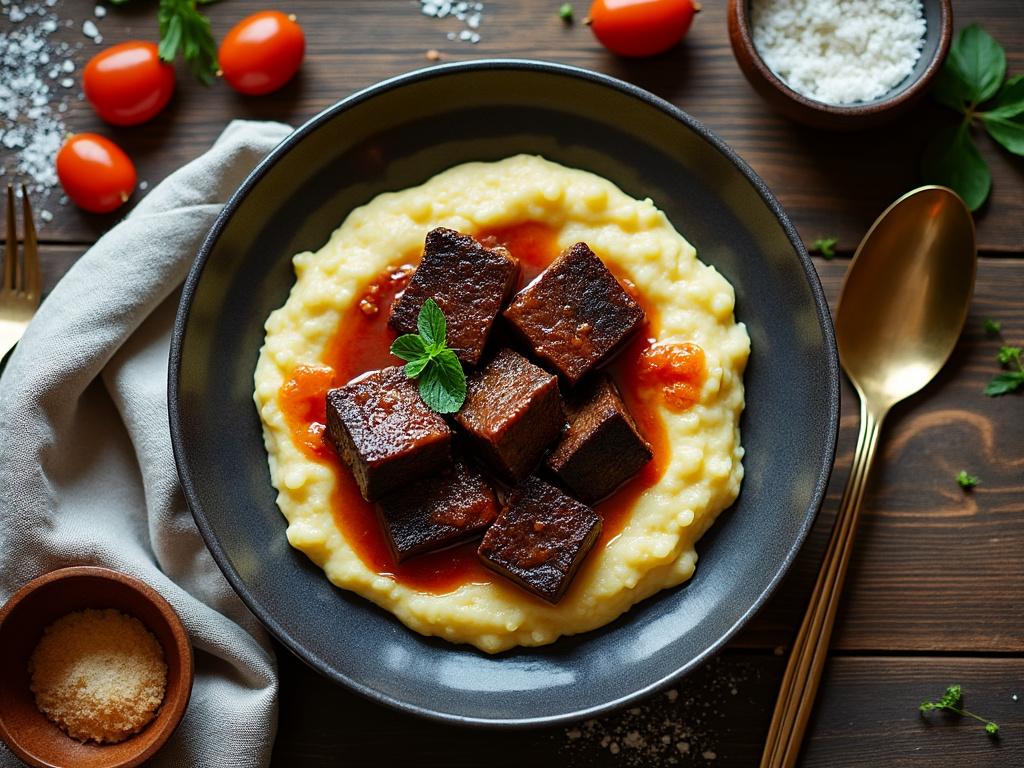
Smoked Paprika Braised Short Ribs with Creamy Polenta
Fall-off-the-bone braised beef short ribs with smoked paprika, red wine, and silky Parmesan polenta. A proper weekend dinner worth every minute.
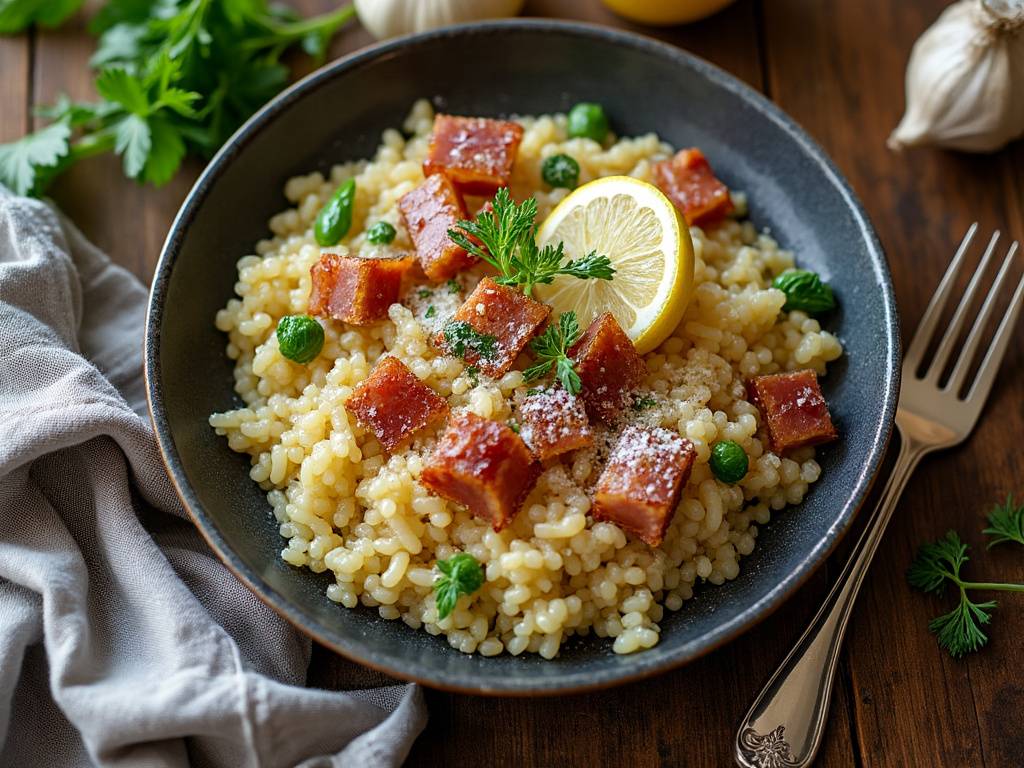
Crispy Pancetta and Leek Risotto with Lemon and Parmesan
A creamy, restaurant-worthy risotto with crispy pancetta, sweet leeks, and bright lemon. Ready in 50 minutes on the stovetop.