Baked Ricotta-Stuffed Shells with Spicy Sausage Ragù
Giant pasta shells stuffed with herbed ricotta, baked in a spicy Italian sausage ragù. A crowd-ready dinner that reheats beautifully.
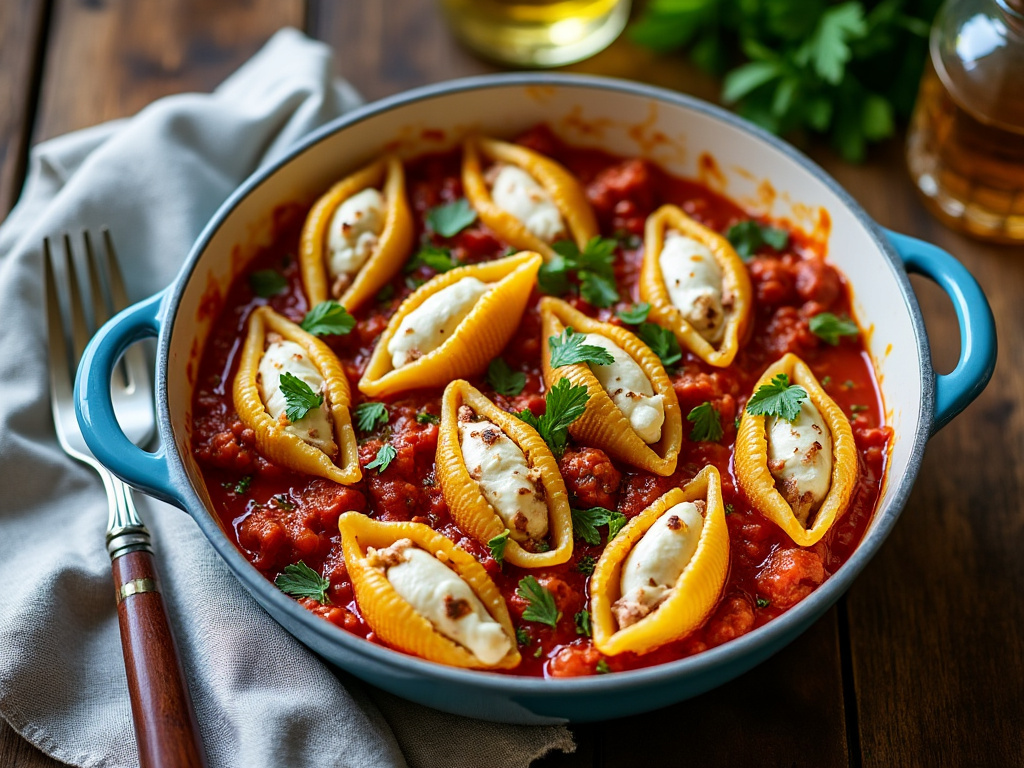
Stuffed shells are essentially a pasta vehicle for two things: a well-seasoned ricotta filling and a ragù that has enough body to braise the shells as they bake. The key here is building the sausage sauce first so it reduces by about a third before the shells ever go in — watery sauce produces soggy, sliding shells that fall apart on the spatula. Use hot Italian sausage (casings removed) and let it brown hard before adding liquid; those caramelized fond bits are what give the ragù its depth.
What you get is a tight, savory filling with fresh basil and lemon zest cutting through the richness, sitting inside shells that are just tender but still hold their shape. A layer of low-moisture mozzarella on top goes spotty and golden at 400°F. This feeds six comfortably, making it ideal for a Sunday dinner or a meal-prep situation — it reheats in the oven or microwave without losing much texture. If your ricotta seems watery after mixing, drain it in a fine-mesh strainer for 15 minutes before stuffing.
Ingredients
- ▸ 18 oz jumbo pasta shells (about 30-34 shells, from a standard 12-oz box plus a few from a second)
- ▸ 1 tbsp Diamond Crystal kosher salt (for pasta water)
- ▸ 1 tbsp olive oil
- ▸ 1 lb hot Italian sausage, casings removed
- ▸ 1 medium yellow onion, finely diced (about 1 cup)
- ▸ 5 garlic cloves, minced
- ▸ 1/2 tsp crushed red pepper flakes
- ▸ 2 tbsp tomato paste
- ▸ 1/2 cup dry red wine (such as Sangiovese or Montepulciano)
- ▸ 1 can (28 oz) crushed San Marzano tomatoes
- ▸ 1 tsp dried oregano
- ▸ 1 tsp granulated sugar
- ▸ 1/2 tsp freshly ground black pepper
- ▸ 2 cups whole-milk ricotta
- ▸ 1 large egg
- ▸ 1 cup finely grated Parmigiano-Reggiano, divided
- ▸ 1/4 cup fresh basil leaves, finely chopped
- ▸ 1 tsp lemon zest (from about 1 lemon)
- ▸ 1/2 tsp garlic powder
- ▸ 3/4 tsp kosher salt (for ricotta filling)
- ▸ 1/4 tsp freshly ground black pepper (for ricotta filling)
- ▸ 2 cups low-moisture whole-milk mozzarella, shredded
🛒 Links may earn us a small commission at no cost to you.
Recommended Gear
🛒 We may earn a small commission at no extra cost to you. We only recommend gear we'd use ourselves.
Instructions
Prep
- 1. Bring a large pot of water to a rolling boil over high heat. Add 1 tbsp Diamond Crystal kosher salt — the water should taste like mild seawater. Cook the jumbo shells for 2 minutes less than the package's al dente time (usually 9-10 minutes instead of 11-12). They should be pliable but not tender — they'll finish cooking in the oven. Drain, drizzle with a little olive oil, and spread in a single layer on an oiled rimmed sheet pan. Do not pile them.
- 2. Heat the oven to 400°F with a rack in the center position.
Build the Ragù
- 1. Heat 1 tbsp olive oil in a 12-inch skillet over medium-high heat until shimmering. Add the sausage and break it into rough crumbles with a wooden spoon. Cook without stirring for 3-4 minutes until a deep brown crust forms on the underside — you should hear a hard sizzle and see rendered fat pooling in the pan. Stir, break up further, and cook another 2-3 minutes until no pink remains and the meat is well-browned throughout.
- 2. Add the diced onion directly to the sausage fat. Cook over medium heat, stirring occasionally, for 5-6 minutes until the onion is soft and translucent and smells sweet. Add the garlic and red pepper flakes and cook for 1 minute more, stirring constantly — the garlic should smell fragrant but not toasted.
- 3. Push everything to the sides of the pan and add the tomato paste to the center. Cook the paste, pressing it against the hot pan, for 90 seconds until it darkens to a brick-red color and smells slightly caramelized. Stir it into the meat mixture.
- 4. Pour in the red wine and scrape up any browned bits from the bottom of the pan with your wooden spoon. Let it reduce for 2 minutes until the sharp alcohol smell fades. Add the crushed tomatoes, dried oregano, sugar, and black pepper. Stir to combine, bring to a simmer, then reduce heat to medium-low. Cook uncovered for 12-15 minutes, stirring occasionally, until the sauce thickens and a spoon dragged through the center leaves a trail that fills in slowly. Taste and adjust salt.
Make the Filling
- 1. In a medium bowl, combine the ricotta, egg, 3/4 cup of the Parmigiano-Reggiano, chopped basil, lemon zest, garlic powder, 3/4 tsp kosher salt, and 1/4 tsp black pepper. Stir until fully combined — the mixture should be thick, pale, and slightly fluffy. Taste it; it should be well-seasoned on its own.
Assemble
- 1. Spread about half the ragù (roughly 1.5 cups) in an even layer across the bottom of a 9×13-inch baking dish. Hold each shell open with two fingers and spoon in about 2 tablespoons of ricotta filling, placing each stuffed shell opening-side up in the sauce as you go. Nestle them snugly but not crushed — they will puff slightly as they bake.
- 2. Spoon the remaining ragù over and around the shells. Scatter the shredded mozzarella evenly over the top, then sprinkle the remaining 1/4 cup Parmigiano-Reggiano over the mozzarella.
Bake
- 1. Cover the dish tightly with aluminum foil and bake at 400°F for 25 minutes. The dish should be visibly bubbling at the edges when you pull back a corner of the foil — if not, cover and return for another 5 minutes.
- 2. Remove the foil and continue baking for 12-15 minutes until the mozzarella is melted, spotty golden-brown in places, and the sauce at the edges is bubbling aggressively. The cheese should look set, not wet.
- 3. Remove from the oven and let rest, uncovered, for 10 minutes before serving. The filling needs this time to firm up — cutting in immediately will cause the shells to slide apart. Scatter a few fresh basil leaves on top and serve directly from the dish.
Cook's Notes
- Cook more shells than you need — usually 4-5 extra from a second box — because some will tear during cooking or stuffing. Better to have leftovers than to come up short mid-assembly.
- If your ricotta looks wet after mixing, pour it into a fine-mesh strainer over a bowl and let it drain for 15 minutes before stuffing. Wet filling causes the shells to slip and the dish to pool liquid.
- The ragù can be made up to 3 days ahead and refrigerated. Reheat gently on the stovetop with a splash of water before assembling.
- Low-moisture mozzarella (not fresh) is essential for the top — fresh mozzarella releases too much water and prevents browning, leaving the top soggy and pale.
- Rest the baked dish for the full 10 minutes. It's tempting to serve immediately, but the filling sets as it cools slightly and the shells hold together cleanly on the spatula.
Pro Tips
- → If the ragù looks too thick before baking — the spoon-trail fills in less than 3 seconds — thin it with 1/4 cup of pasta cooking water. Thick sauce scorches at the edges during the uncovered bake.
- → The shells will absorb sauce as they bake; if you want extra saucy results, add 1/4 cup crushed tomatoes to the bottom of the dish before placing the shells. This prevents any shells from baking dry.
- → Don't skip browning the sausage hard in step 3. If the meat just steams and turns grey rather than forming a crust, the ragù will taste flat no matter how long you simmer it. Drain excess fat if the pan has more than 2 tbsp pooled before adding the onion.
- → If the filling breaks (egg curdling, watery texture after baking), it usually means the egg was whisked into warm ricotta — the heat partially scrambled it before baking. Always use room-temperature but not warm ricotta, and mix gently.
- → For cleaner plating at a dinner party, use a thin flexible spatula and slide it under the shell from the short end — scooping from the long side causes the shell to split open.
- → A second baking dish works well for meal prep: fully assemble, cover tightly with plastic wrap then foil, and freeze. Label with the date and the instruction to add 10 minutes to covered bake time. It's one of the few pasta dishes that freezes without texture loss because the shells are already par-cooked and sturdy.
What to Serve With This
A medium-bodied Italian red is the natural move here. Montepulciano d'Abruzzo — something like a Masciarelli or Zaccagnini — has enough acidity to cut the richness of the ricotta and enough fruit to echo the tomato in the ragù without overwhelming it. Avoid anything too tannic; Barolo would fight the dish. If you want a Tuscan option, a straightforward Sangiovese-based Rosso di Montalcino works well.
For beer drinkers, a dry Italian lager like Peroni or Birra Moretti keeps things clean and doesn't compete with the spice from the sausage. If you want something with more character, a malt-forward amber ale balances the richness without adding bitterness that clashes with tomato.
On the table, serve a simple arugula salad dressed with lemon juice, olive oil, and shaved Parmigiano — the peppery bitterness is a direct counterpoint to the fatty, cheesy shells. Crusty Italian bread (ciabatta or a semolina loaf) is non-negotiable for sweeping up sauce.
For a non-alcoholic pairing, sparkling water with a squeeze of lemon and a splash of red wine vinegar — about 1 tsp per glass — acts like a palate cleanser between bites of the rich filling, keeping each forkful tasting as good as the first.
Variations & Substitutions
To make this vegetarian, swap the Italian sausage for 12 oz of finely diced cremini mushrooms plus 1 cup of green or brown lentils (cooked). Brown the mushrooms in olive oil at high heat until deeply golden, about 8 minutes, before adding the aromatics. The lentils go in with the crushed tomatoes and simmer alongside. The texture reads similarly to a meat ragù and the earthiness plays well against the ricotta.
For a dairy-free version, replace the ricotta with 2 cups of well-drained, blended firm silken tofu seasoned with 2 tbsp nutritional yeast, 1 tsp lemon zest, 1/2 tsp garlic powder, and 1/4 tsp salt. Use a dairy-free shredded mozzarella (Violife or Miyoko's shreds both melt reasonably well) for the topping. Skip the Parmigiano in the filling or replace it with an additional 1 tbsp nutritional yeast.
For a gluten-free version, Barilla makes a gluten-free jumbo shell pasta that holds up reasonably well in the oven. Cook them 2 minutes less than the package says — gluten-free pasta goes from underdone to blown-out faster than regular pasta, so watch it closely.
To scale up for a crowd, this recipe doubles cleanly into a full hotel pan (13×20 inches). Use two 28-oz cans of crushed tomatoes, 2 lbs sausage, and double all filling ingredients. Baking time increases by about 10 minutes; check at 35 minutes and go from there.
Frequently Asked Questions
Can I assemble the stuffed shells ahead of time? ▼
Yes — fully assemble the dish (sauce, stuffed shells, cheese on top), cover tightly with plastic wrap, and refrigerate for up to 24 hours before baking. Pull it from the fridge 30 minutes before it goes into the oven so it bakes evenly. Add 10 extra minutes to the covered baking time since it's starting cold.
Can I freeze baked stuffed shells? ▼
Freeze them either before or after baking. For unbaked: assemble completely, cover with two layers of plastic wrap and one layer of foil, and freeze for up to 3 months. Bake from frozen at 375°F covered for 60 minutes, then uncovered for 20 minutes. For already-baked shells, freeze individual portions in airtight containers for up to 2 months and reheat covered in a 350°F oven for 25 minutes or microwave with a splash of water added.
What if I can't find jumbo pasta shells? ▼
Large manicotti tubes are the closest substitute — pipe the filling in using a zip-lock bag with the corner snipped off. Alternatively, use the filling and ragù as a lasagna build in a 9×13 pan with flat lasagna noodles; layer sauce, noodles, ricotta, repeat, and top with mozzarella. Baking time and temp remain the same.
How do I prevent the shells from tearing when stuffing them? ▼
Cook the shells until just barely pliable — about 1 minute less than package al dente instructions — then spread them in a single layer on an oiled sheet pan to cool. Don't pile them; stacked shells stick and tear. Use a small spoon or a piping bag; don't overstuff — about 2 tablespoons of filling per shell is the right amount.
My ricotta filling tastes bland. What went wrong? ▼
Ricotta needs aggressive seasoning. Taste the filling before stuffing and adjust salt, then add more lemon zest or a pinch of red pepper flakes if it still falls flat. Most under-seasoned fillings are fixed with an extra 1/4 tsp Diamond Crystal kosher salt and another 1/2 tsp lemon zest.
Can I use mild sausage instead of hot? ▼
Absolutely — mild Italian sausage works fine, and the dish is still well-flavored from the aromatics. If you want heat without hot sausage, add 1/2 to 3/4 tsp crushed red pepper flakes to the oil before the onion goes in. That gives you control over the spice level.
How do I reheat leftovers without drying them out? ▼
Add 2 tablespoons of water per serving to the dish before covering tightly with foil, then reheat at 350°F for 20-25 minutes. The added moisture turns to steam inside the foil and keeps the shells from drying out. Microwave works in a pinch — cover loosely and heat at 70% power in 90-second bursts.
Can I use fresh pasta sheets instead of dried jumbo shells? ▼
Fresh pasta sheets make excellent roll-ups — cut them into 4×5-inch rectangles, add a strip of filling, roll, and place seam-side down in the sauce. Fresh pasta cooks faster than dried shells, so reduce the covered baking time to 15 minutes and uncovered to 10-12 minutes, watching for the cheese to bubble and spot.
How long do leftovers keep in the fridge? ▼
Stored in an airtight container, leftover stuffed shells keep for 4 days refrigerated. The pasta absorbs some sauce as it sits, which actually improves the flavor — day-two shells taste better than day-one in most cases. Avoid storing with the foil cover touching the cheese directly, as it causes the mozzarella to peel off.
Enjoyed this recipe?
Daily Home Cookery is self-funded. If something you cooked here made dinner a little better, a coffee keeps the kitchen running.
☕ Buy me a coffeeYou Might Also Like
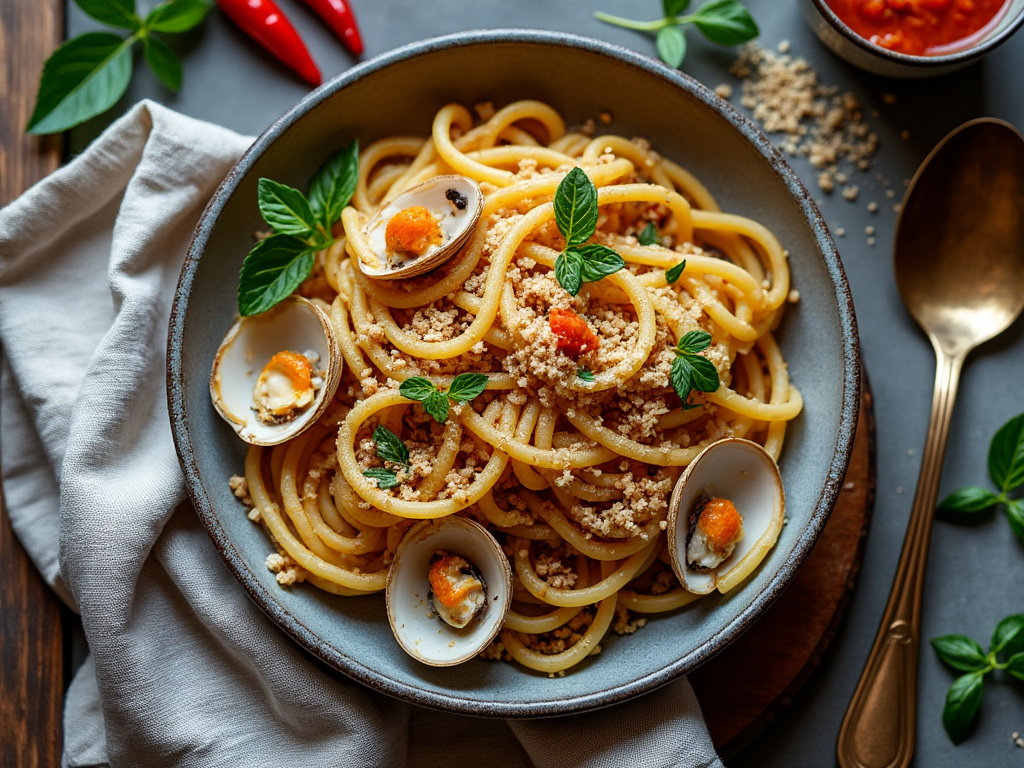
Brown Butter Clam Linguine with Crispy Breadcrumbs and Calabrian Chili
Briny canned clams, nutty brown butter, and Calabrian chili come together in this bold 45-minute weeknight linguine with crunchy herbed breadcrumbs.
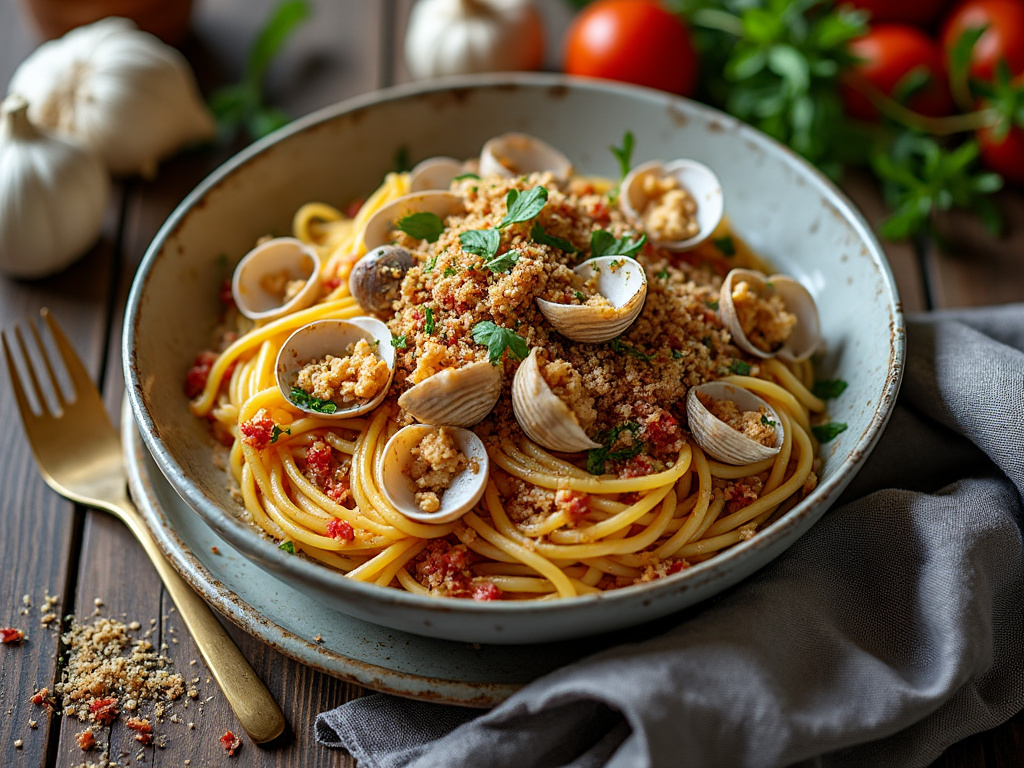
Clams Casino Linguine with Pancetta and Roasted Garlic Breadcrumbs
Clams casino meets pasta: linguine with fresh clams, crispy pancetta, roasted garlic, white wine, and crunchy buttered breadcrumbs.
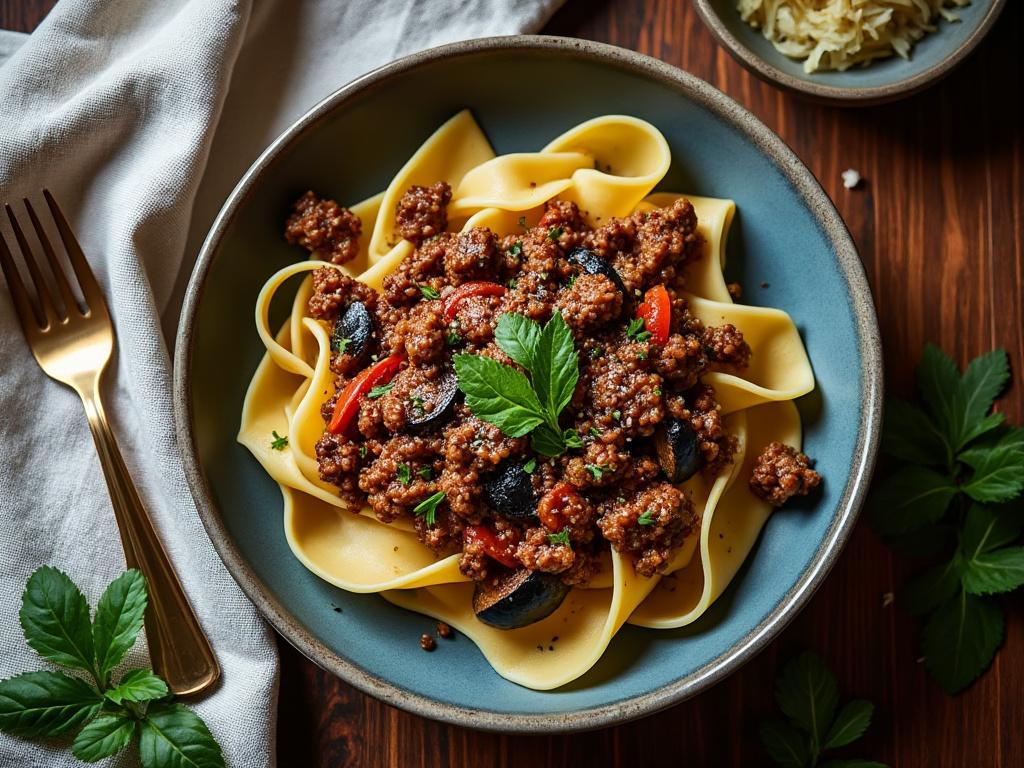
Smoky Eggplant and Lamb Bolognese
Ground lamb and charred eggplant make a deeply savory bolognese. Rich, meaty sauce with pappardelle — ready in under 80 minutes.