Spicy Peanut Noodles with Charred Bok Choy and Soft-Boiled Eggs
Bold, nutty peanut noodles with charred bok choy and jammy soft-boiled eggs. Ready in 45 minutes — weeknight-friendly and deeply satisfying.
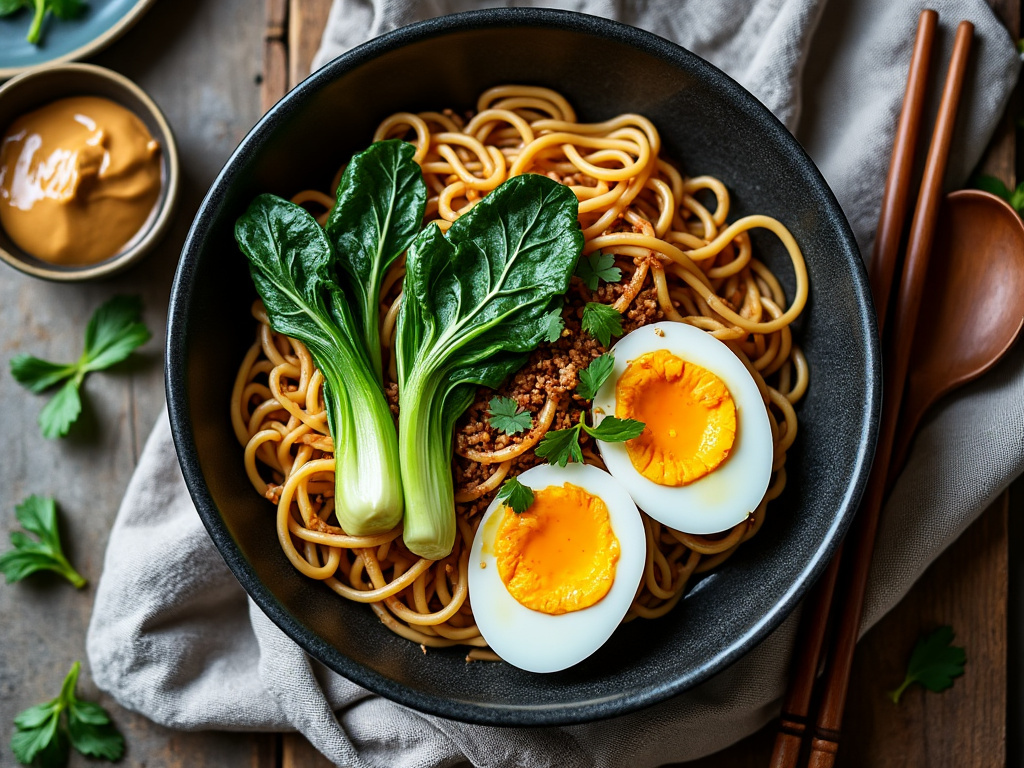
Peanut noodles are only as good as the sauce, and most home versions are flat — sweet, one-dimensional, nothing to come back to. The fix is layering: toasted sesame oil and chili garlic sauce go in raw at the end, not cooked, so their sharp edges stay intact against the rich peanut base. Charring the bok choy in a screaming-hot dry skillet adds bitterness and smoke that cuts the fat in the sauce. The result is complex without being complicated.
Use fresh ramen-style noodles from the refrigerated section if you can find them — Sun Noodle or any Asian market brand works. Dried lo mein is a solid backup. This is a strong weeknight dinner: the sauce takes five minutes, the eggs can be made two days ahead, and leftovers hold well. If the sauce seizes up when you toss it with the noodles, splash in two tablespoons of the pasta cooking water and toss again — it will loosen immediately.
Ingredients
- ▸ 12 oz fresh ramen-style noodles (or dried lo mein)
- ▸ 4 large eggs
- ▸ 4 heads bok choy (about 1.5 lbs total), halved lengthwise
- ▸ 1 tbsp neutral oil (grapeseed or avocado)
- ▸ 3 tbsp natural smooth peanut butter (Teddie or Smucker's Natural)
- ▸ 2 tbsp soy sauce
- ▸ 1.5 tbsp rice vinegar
- ▸ 1 tbsp toasted sesame oil
- ▸ 1 tbsp chili garlic sauce (Huy Fong)
- ▸ 1 tbsp honey
- ▸ 2 tsp freshly grated ginger
- ▸ 2 cloves garlic, finely grated
- ▸ 2 tbsp reserved noodle cooking water, plus more as needed
- ▸ 3 scallions, thinly sliced on the bias
- ▸ 2 tbsp roasted peanuts, roughly chopped
- ▸ 1 tsp toasted sesame seeds
- ▸ 0.5 tsp red chili flakes
- ▸ 0.25 tsp Diamond Crystal kosher salt, for boiling eggs
🛒 Links may earn us a small commission at no cost to you.
Recommended Gear
🛒 We may earn a small commission at no extra cost to you. We only recommend gear we'd use ourselves.
Instructions
Soft-Boil the Eggs
- 1. Bring a small saucepan of water to a full rolling boil over high heat. Lower 4 eggs in gently with a slotted spoon and set a timer for exactly 7 minutes — the water should return to a boil within 60 seconds. While they cook, prepare an ice bath in a large bowl.
- 2. When the timer goes off, transfer the eggs immediately to the ice bath and let them sit for 5 minutes — the shells will feel barely warm to the touch when they're ready to peel. Peel, halve lengthwise, and set aside. The yolks should look creamy orange and hold their shape without running.
Make the Peanut Sauce
- 1. In a medium mixing bowl, whisk together the peanut butter, soy sauce, rice vinegar, honey, grated garlic, and grated ginger until smooth — about 45 seconds of active whisking. The mixture will look broken at first, then come together into a thick, glossy paste.
- 2. Add the chili garlic sauce and toasted sesame oil and stir to combine. Do not cook this sauce — adding heat now would dull the sesame and chili. Set aside at room temperature. The sauce should be thick enough to coat a spoon; if it looks stiff, that's fine — the noodle water will fix it.
Char the Bok Choy
- 1. Heat a 12-inch cast iron skillet over high heat for 2 full minutes — it should look slightly hazy and a drop of water should evaporate instantly on contact. Add 1 tbsp neutral oil and swirl to coat.
- 2. Place the bok choy halves cut-side down in a single layer. Do not crowd the pan — work in two batches if needed. Press them flat with a spatula. Cook undisturbed for 3-4 minutes until deeply charred — you'll hear aggressive sizzling and see dark brown edges forming. Flip and cook 1 more minute on the rounded side until just wilted. Remove and set aside. The centers should still have some bite; they'll continue cooking slightly from residual heat.
Cook the Noodles
- 1. Bring a large pot of water to a boil. Cook the noodles according to package directions — typically 2-3 minutes for fresh, 5-7 minutes for dried lo mein. Before draining, scoop out at least 0.25 cup of starchy cooking water. Drain the noodles and return them to the warm pot immediately.
- 2. Add 2 tbsp of the reserved cooking water to the peanut sauce and whisk briskly — the sauce will thin to a pourable, creamy consistency. Pour the sauce over the warm noodles and toss with tongs for 1-2 minutes until every strand is coated and glossy. If it clumps, add more cooking water 1 tbsp at a time and keep tossing — the sauce should look silky and cling without pooling.
Assemble and Serve
- 1. Divide the sauced noodles among four bowls. Arrange 2-3 bok choy halves alongside and lay 2 egg halves yolk-side up on each bowl. Scatter the sliced scallions, chopped peanuts, sesame seeds, and chili flakes evenly over the top. Serve immediately — the noodles tighten as they cool.
Cook's Notes
- Salt the egg-boiling water lightly (about 0.25 tsp kosher salt) — it won't season the eggs meaningfully but does make them slightly easier to peel by firming the whites.
- Grate the garlic and ginger on a Microplane directly into the bowl — pre-minced garlic from a jar tastes dull in a raw sauce like this, and the fine texture disperses better than chopped.
- If your peanut butter has separated in the jar, stir it thoroughly before measuring — using just the oil layer or just the dense paste will throw off the sauce balance.
- The bok choy chars best when completely dry. Pat the cut sides with a paper towel before they go into the pan; any surface moisture will steam them instead of searing.
- This dish holds at room temperature for about 20 minutes before the noodles start absorbing the sauce and tightening. If you're serving a crowd, hold the sauce separately and toss at the last minute.
Pro Tips
- → The cast iron must be genuinely ripping hot before the bok choy goes in — if it smokes heavily within 10 seconds of the oil hitting the pan, you're at the right temperature. Under-heated pans produce steamed, pallid bok choy with no char and too much water release.
- → If the peanut sauce breaks or looks greasy (oil pooling on the surface), add 1 tbsp of warm water and whisk vigorously in small circles from the center outward — the lecithin in the peanut butter will re-emulsify it within 30 seconds.
- → Natural peanut butter brands with no stabilizers (Teddie, Adams, Smucker's Natural) make a noticeably cleaner, less sweet sauce than commercial brands like Jif or Peter Pan — the difference is real and worth seeking out.
- → Toss the noodles in the sauce while they're as hot as possible — the heat keeps the peanut butter fluid and helps it penetrate the noodles rather than just coating the outside. Cold noodles plus peanut sauce always equals a clumped, uneven result.
- → If you're making this for meal prep, store the noodles, sauce, bok choy, and eggs in separate containers. Recombine to order: reheat noodles and bok choy in a skillet, warm the sauce gently in the microwave for 15 seconds, then toss together. The eggs go on cold.
- → A few drops of fish sauce (about 0.5 tsp) stirred into the peanut sauce adds depth without making it taste fishy — it rounds out the edges and increases the perception of savory richness. Completely optional, but worth trying once you've made the base recipe.
What to Serve With This
Pour a cold Tsingtao or a dry, lightly hopped lager alongside — the carbonation scrubs the peanut richness off your palate between bites. If you want something with more character, a Riesling Kabinett from the Mosel (look for Dr. Loosen) does the same work with its slight residual sugar and cutting acidity. Avoid heavy reds here; tannins and peanut butter clash badly.
For a non-alcoholic option, steep a pot of chrysanthemum tea and serve it cold. It's floral and barely sweet, and the light bitterness echoes the charred bok choy without competing with the chili heat.
On the side, a simple cucumber salad with rice vinegar, sesame seeds, and a pinch of sugar takes two minutes and provides cool crunch against the warm, saucy noodles. A small bowl of miso soup also works — the umami depth ties back into the noodle sauce without adding more richness.
If you're feeding a crowd and want to extend the meal, a plate of steamed or pan-fried gyoza from the freezer section fits the flavor profile exactly and requires almost no effort.
Variations & Substitutions
For a vegan version, replace the eggs with sliced extra-firm tofu that you've pressed and pan-fried until golden — about 3 minutes per side in a hot cast iron with neutral oil. The peanut sauce itself is already vegan as written, so no other changes are needed. Skip the fish sauce if you're using it as an optional add-in (see notes).
To make this gluten-free, swap the lo mein or ramen noodles for 8 oz of rice noodles (the wide, flat kind labeled "pad thai noodles"). Soak them in hot water for 10 minutes instead of boiling, then drain and toss immediately with the sauce. Also swap the soy sauce for tamari (1:1 ratio) and confirm your chili garlic sauce is gluten-free — Huy Fong brand is.
For a nut-free version, replace the peanut butter with 3 tbsp of sunflower seed butter (Sunbutter brand) and reduce the tahini by half, since sunflower butter is richer and more bitter. The sauce will be slightly earthier but still works. Toast the sunflower seeds separately to garnish instead of peanuts.
To scale up to 6-8 servings, double the noodles and vegetables but increase the sauce by only 1.5x — the sauce-to-noodle ratio doesn't scale linearly, and doubling the sauce tends to make the dish too heavy. Cook the bok choy in two batches to keep the pan hot and maintain the char.
Frequently Asked Questions
Can I make the peanut sauce ahead of time? ▼
Yes — the sauce keeps in a sealed jar in the fridge for up to 5 days. It will thicken significantly when cold, so whisk in 1-2 tbsp of warm water before using to bring it back to a pourable consistency. The flavor actually deepens overnight as the garlic and ginger mellow slightly.
How do I store and reheat leftovers? ▼
Store leftover noodles in an airtight container in the fridge for up to 3 days. Reheat in a skillet over medium heat with a splash of water (2 tbsp), tossing frequently until warmed through, about 3-4 minutes. Don't microwave if you can avoid it — the noodles get gummy and the sauce separates unevenly.
Can I freeze this dish? ▼
The peanut sauce freezes well for up to 2 months in a freezer-safe container — thaw overnight in the fridge and re-whisk before using. Don't freeze the assembled noodles; the texture degrades badly once thawed. The soft-boiled eggs should never be frozen.
What noodles work best if I can't find fresh ramen noodles? ▼
Dried lo mein noodles are the closest substitute and are available in most supermarkets. Spaghetti works in a pinch — cook it 1 minute past al dente so it has a bit of give. Avoid angel hair or thin pasta; they clump badly in peanut sauce.
My peanut sauce is too thick and clumping on the noodles. What do I do? ▼
Add the noodle cooking water — start with 2 tbsp and toss vigorously. The starch in the water emulsifies the sauce and helps it cling evenly. This is the most common issue when the noodles cool slightly before saucing; always sauce them while they're still warm.
How do I get the perfect jammy soft-boiled egg? ▼
Bring a small pot of water to a full rolling boil, lower the eggs in gently with a spoon, and cook exactly 7 minutes. Transfer immediately to an ice bath for 5 minutes, then peel. The white will be fully set and the yolk will be creamy-orange and slightly fudgy in the center — not liquid, not chalky.
Can I use crunchy peanut butter instead of smooth? ▼
You can, but blend the sauce in a blender or with an immersion blender for 20 seconds if you want it smooth. If you like texture, crunchy peanut butter is actually great here — it adds small bits of nut throughout the sauce. Just use a natural-style crunchy peanut butter without added sugar (Teddie or Smucker's Natural), not Jif or Skippy.
Is this dish very spicy? ▼
As written it's medium-hot — noticeable heat that builds, but not painful. To dial it back, reduce the chili garlic sauce to 1 tsp and omit the chili flakes. To increase the heat, add 1 tsp of sambal oelek in addition to the chili garlic sauce. The peanut butter and sesame oil temper the heat significantly, so the dish eats milder than the sauce tastes raw.
Can I add protein to make this more substantial? ▼
Absolutely. Shredded rotisserie chicken is the easiest add — stir in 1.5 cups right before serving. Sliced flank steak or sautéed shrimp also work well. If adding shrimp, cook them separately in a hot oiled pan for 1-2 minutes per side until pink and curled, then fold in at the end so they don't overcook.
Can I use baby bok choy instead of regular bok choy? ▼
Yes, and it's actually easier to handle. Halve baby bok choy lengthwise and char cut-side down for 2-3 minutes — same technique, slightly shorter time. You'll need about 6-8 heads of baby bok choy to match the volume of 4 regular heads.
Enjoyed this recipe?
Daily Home Cookery is self-funded. If something you cooked here made dinner a little better, a coffee keeps the kitchen running.
☕ Buy me a coffeeYou Might Also Like
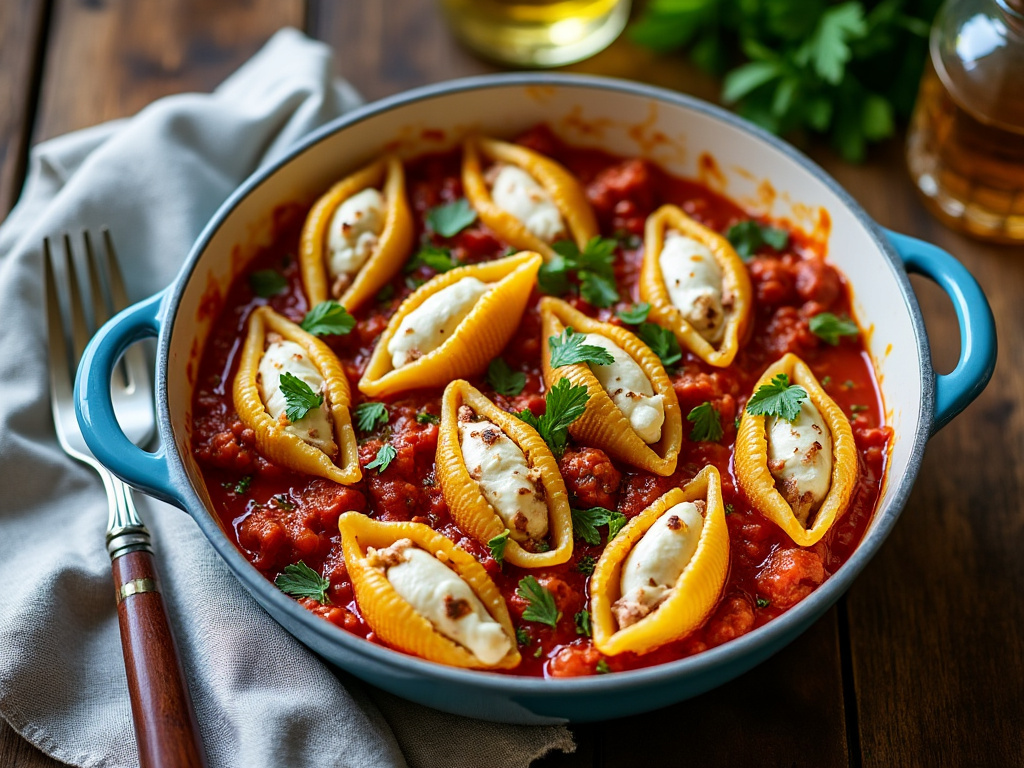
Baked Ricotta-Stuffed Shells with Spicy Sausage Ragù
Giant pasta shells stuffed with herbed ricotta, baked in a spicy Italian sausage ragù. A crowd-ready dinner that reheats beautifully.
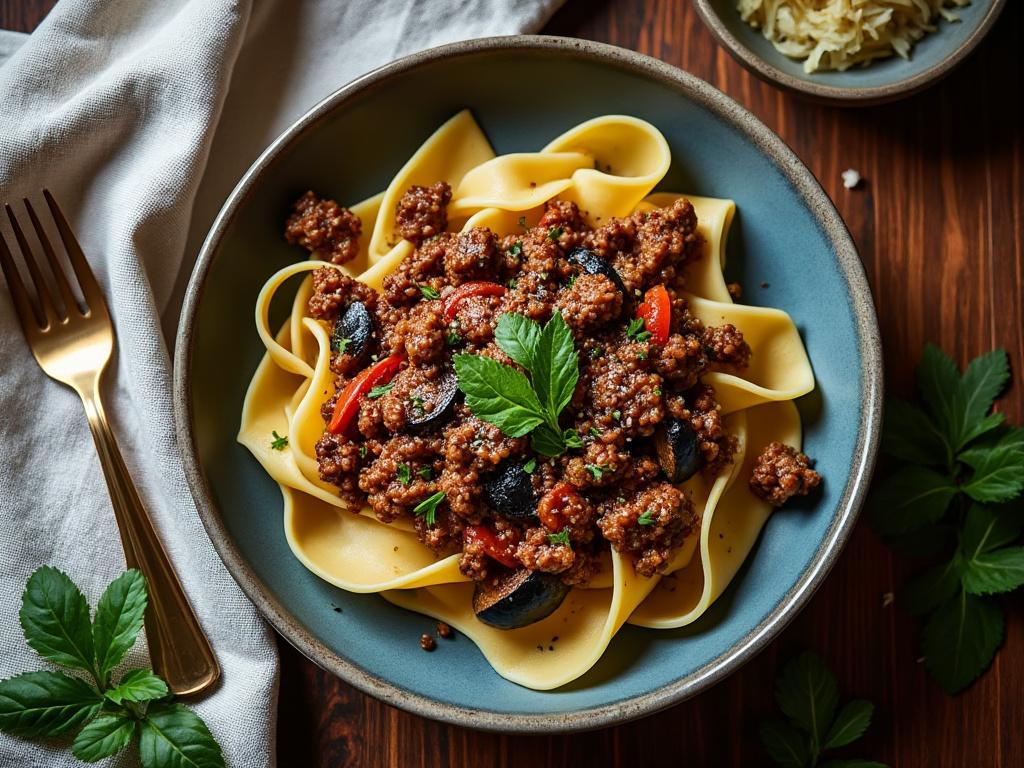
Smoky Eggplant and Lamb Bolognese
Ground lamb and charred eggplant make a deeply savory bolognese. Rich, meaty sauce with pappardelle — ready in under 80 minutes.
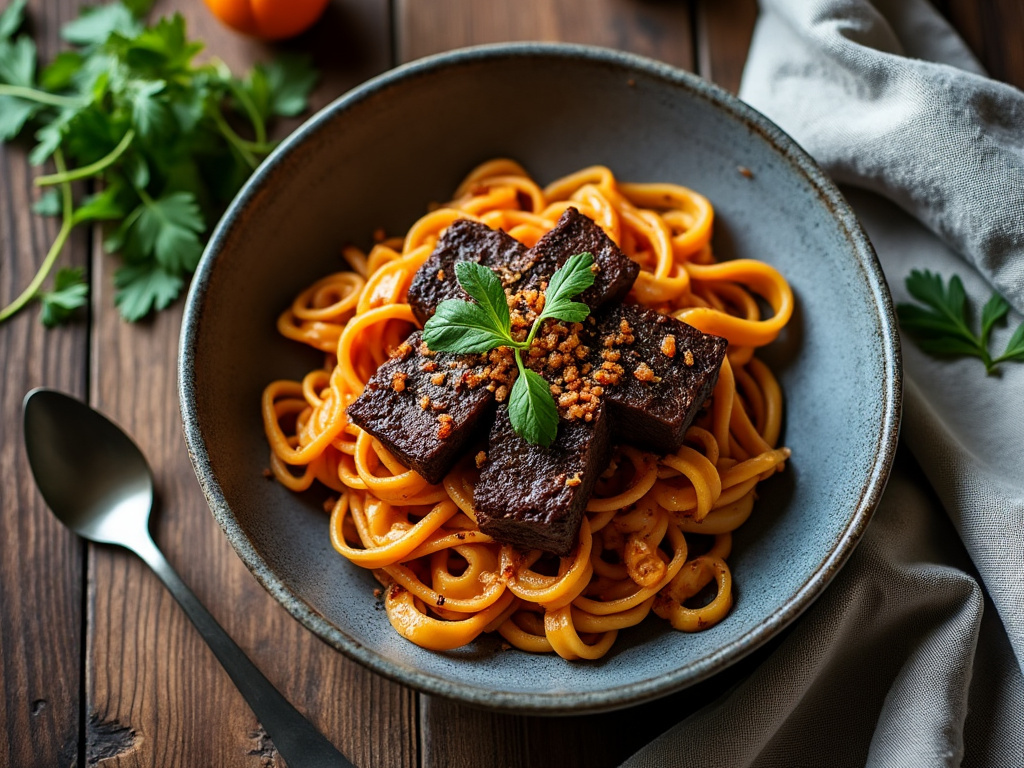
Gochujang Braised Beef Short Rib Ragu with Pappardelle and Crispy Shallots
Deep, sticky short rib ragu with gochujang heat and wide pappardelle. A slow braise that pays off hard on a weekend dinner table.