Brown Butter Gnocchi with Pancetta, Roasted Grapes, and Sage
Pan-seared gnocchi in brown butter with crispy pancetta, blistered roasted grapes, and fried sage. A 45-minute skillet dinner that actually delivers.
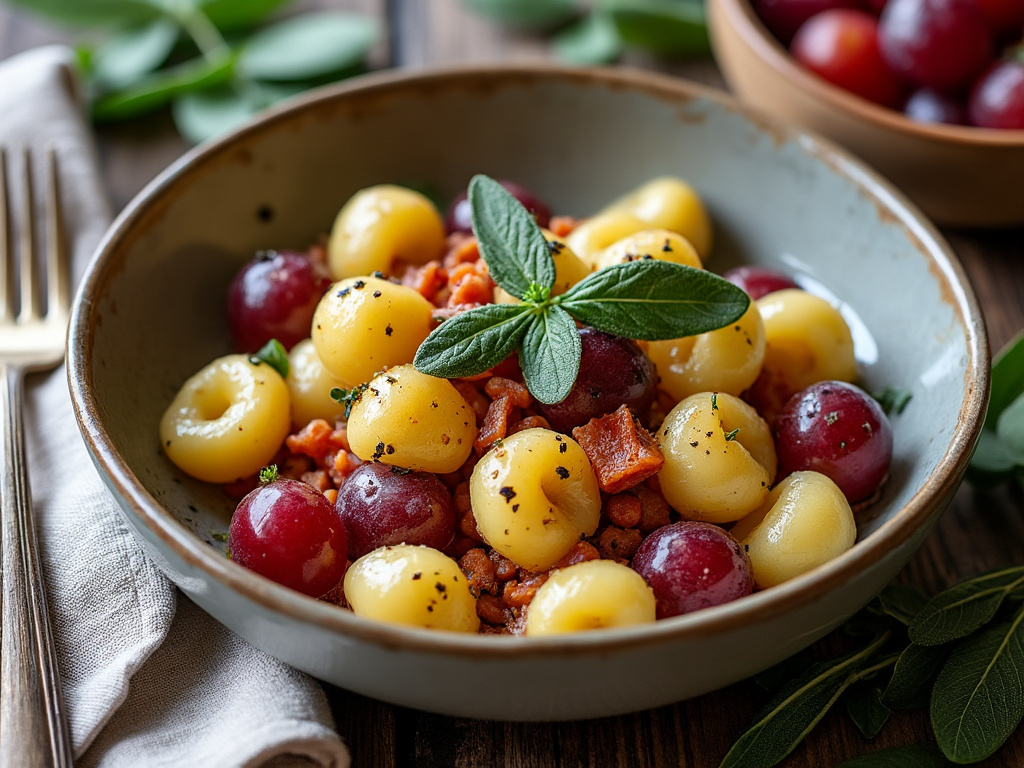
Store-bought gnocchi gets genuinely interesting when you treat it like pasta and finish it properly in the pan. The move here is roasting red grapes until they blister and release their juice — that juice deglazes the pan and cuts right through the richness of brown butter and salty pancetta. You end up with a sauce that's simultaneously fatty, tart, and faintly sweet, clinging to each pillow of gnocchi.
Use a good shelf-stable or refrigerated gnocchi — DeLallo or Rana both work well. Homemade is fine if you have it, but this recipe was designed for a fast weeknight with real-fridge ingredients. The whole thing comes together in about 45 minutes, one skillet, and hits the table as a proper dinner rather than a side dish. If your grapes release too much liquid and the sauce looks watery, just crank the heat and reduce for 60 seconds — it will tighten fast.
Ingredients
- ▸ 1.5 lbs refrigerated potato gnocchi (DeLallo or Rana)
- ▸ 4 oz pancetta, cut into 1/4-inch cubes
- ▸ 1.5 cups red seedless grapes, halved
- ▸ 4 tbsp unsalted butter (Kerrygold recommended)
- ▸ 12 fresh sage leaves
- ▸ 2 tbsp olive oil, divided
- ▸ 1/4 cup dry white wine (such as Pinot Grigio)
- ▸ 1/4 cup finely grated Parmigiano-Reggiano, plus more for serving
- ▸ 1/2 tsp Diamond Crystal kosher salt, plus more to taste
- ▸ 1/4 tsp freshly ground black pepper
- ▸ 1/8 tsp crushed red pepper flakes
- ▸ 1 tbsp fresh lemon juice
🛒 Links may earn us a small commission at no cost to you.
Recommended Gear
🛒 We may earn a small commission at no extra cost to you. We only recommend gear we'd use ourselves.
Instructions
Prep
- 1. Preheat the oven to 425°F. Toss the halved grapes with 1 tbsp olive oil, 1/4 tsp salt, and the red pepper flakes directly on the rimmed quarter sheet pan. Spread in a single layer, cut-side up. Roast for 15–18 minutes until the skins are wrinkled and blistered and the cut edges are beginning to caramelize — you'll see purple-red juice pooling around them. Set aside. Don't drain that juice.
- 2. Pat the gnocchi dry with paper towels. This is not optional — surface moisture is the enemy of the crust you want. Set on a clean towel in a single layer while you cook the pancetta.
Cook the Pancetta
- 1. Heat the skillet over medium heat. Add the pancetta cubes — no oil needed yet — and cook, stirring occasionally, for 6–8 minutes until the fat has fully rendered and the cubes are deep golden and crispy. They should sizzle steadily and shrink by about half. Transfer to a paper towel-lined plate with a slotted spoon. Leave the rendered fat in the pan.
Sear the Gnocchi
- 1. Add the remaining 1 tbsp olive oil to the pancetta fat in the skillet and raise the heat to medium-high. Once the oil shimmers and you can see faint wisps of smoke, add the gnocchi in a single layer — work in batches if needed. Do not stir for the first 3 minutes. You want a golden-brown crust to form; they'll release cleanly from the pan when ready. Flip and sear the other side for 2 minutes. Transfer seared gnocchi to the plate with the pancetta.
Make the Brown Butter Sauce
- 1. Reduce the heat to medium. Add the butter to the same skillet. It will foam immediately — that's fine. Swirl the pan constantly. After 2–3 minutes, the foam will subside and the butter will turn amber-gold; you'll smell toasted hazelnuts. The moment that happens, add the sage leaves in one layer. They'll spit and crisp in 20–30 seconds — they should turn translucent and stop sizzling. Remove them with a slotted spoon and set aside. Do not let the butter darken further.
- 2. Working quickly, add the white wine to the brown butter. It will steam aggressively — stand back. Scrape up any browned bits from the bottom of the pan with a wooden spoon. Cook for 1 minute until the wine smell mellows and the liquid reduces by half.
- 3. Add the roasted grapes and all their pan juices to the skillet. Stir gently for 1–2 minutes over medium heat until the sauce comes together — it should look glossy, not soupy. If it looks thin, raise the heat and reduce for 60 seconds. Add the lemon juice and taste for salt.
Finish and Serve
- 1. Return the seared gnocchi and pancetta to the skillet. Toss to coat over medium-low heat for 1 minute — every piece should be glossy and coated. Remove from heat, add the Parmigiano-Reggiano, and toss once more until the cheese melts into the sauce. The sauce should cling to the gnocchi rather than pool at the bottom.
- 2. Divide among four warm bowls. Top each with 3 crispy sage leaves, an extra grating of Parmigiano, and a few cracks of black pepper. Serve immediately.
Cook's Notes
- Don't skip drying the gnocchi — even refrigerated gnocchi has surface moisture that will cause it to steam rather than sear, and you'll lose the crust entirely.
- The roasted grape step can be done up to 2 hours ahead. Hold the grapes and their juices at room temperature and add directly to the butter sauce when called for.
- Use a stainless steel skillet rather than nonstick for this recipe — you need the fond (those browned bits) that builds up from searing the gnocchi and pancetta. Nonstick won't develop it.
- Kerrygold or any European-style butter with higher fat content browns faster and more evenly than standard American butter. Watch it closely — the window between golden and burnt is narrow.
- Taste before adding salt at the end — pancetta and Parmigiano both carry significant sodium, and the dish may need none at all.
Pro Tips
- → If the sauce breaks and looks greasy rather than glossy, it's usually because the pan was too hot when you added the cheese. Pull it fully off the heat, add 1 tsp cold water, and toss vigorously — the emulsion will come back together.
- → Searing gnocchi in batches is worth the extra 4 minutes. Crowding the pan drops the temperature, and the gnocchi will steam and stick instead of developing a crust. Aim for at least 1/2 inch of space between each piece.
- → The grape halves should be roasted cut-side up, not down. Roasting cut-side up concentrates the juice in the grape rather than caramelizing it into the pan, which means more sauce-building liquid when you deglaze.
- → If your pancetta releases very little fat (this happens with leaner-cut versions), add 1 extra tbsp of olive oil before searing the gnocchi. The gnocchi needs fat contact across its full surface to brown evenly.
- → Brown butter and sage is a classic combination, but the sage leaves will go from crispy to burned fast. Fry them in the butter for no more than 30 seconds and remove them — they'll continue to carry-over cook on the spoon.
- → For a deeper, more complex sauce, substitute 2 tbsp of the white wine with 2 tbsp of dry sherry. The oxidative notes in the sherry play well with brown butter and make the sauce taste like it took longer to make than it did.
What to Serve With This
A dry, medium-bodied white wine is the right call here. Vermentino from Sardinia (try Argiolas Costamolino) has the acidity to cut through the brown butter and enough stone-fruit character to echo the roasted grapes without competing. If you'd rather go red, a light-bodied Barbera d'Asti — low tannin, high acid — works cleanly and won't bulldoze the delicate sweetness of the sauce.
For a non-alcoholic option, sparkling water with a long squeeze of lemon and a few fresh sage leaves muddled in does real work here. The carbonation scrubs the palate between bites of rich, fatty gnocchi.
A simple arugula salad dressed with lemon juice, 1 tbsp of good olive oil, and shaved Parmigiano is the best side. The bitter greens and citrus contrast the butter sauce directly — it's a palate reset between bites, not just a garnish plate. Skip creamy dressings; they'll pile richness on top of richness.
Crusty bread is worth having on the table — a sourdough boule or ciabatta — strictly to swipe the pan clean. The brown butter and grape juice pooling at the bottom of the skillet is the best part of the meal.
Variations & Substitutions
For a vegetarian version, skip the pancetta entirely and replace it with 3 oz of thinly sliced shiitake mushrooms sautéed in 1 tbsp olive oil until crispy and deeply browned, about 6–8 minutes. Add 1/4 tsp smoked paprika to approximate the savory depth the pancetta provides. Everything else in the recipe stays identical.
To make it gluten-free, swap in a cauliflower gnocchi (Trader Joe's frozen cauliflower gnocchi works) or a certified GF potato gnocchi. Note that cauliflower gnocchi releases more moisture during cooking — pat them dry with paper towels before searing and give them an extra 2 minutes in the skillet to develop a crust. Verify your pancetta is gluten-free labeled if celiac is a concern.
For a heartier cold-weather version, add 2 oz of crumbled Gorgonzola dolce off the heat after tossing the gnocchi with the sauce. The cheese melts into the brown butter and grape juice, making the sauce creamier and more assertive. Reduce the kosher salt by half since Gorgonzola brings significant salinity.
To scale up to 6 servings, increase gnocchi to 24 oz and use a 14-inch skillet or work in two batches — overcrowding the pan is the main failure point. Brown butter quantity scales linearly: use 4 tbsp. Grape and pancetta quantities only need to increase by 50% since they're flavoring agents, not bulk.
Frequently Asked Questions
Can I use fresh homemade gnocchi instead of store-bought? ▼
Yes, but handle them carefully — homemade gnocchi are more delicate and can break apart during the sear. Cook them in boiling salted water first, drain well, and let them air-dry on a wire rack for 5 minutes before adding to the skillet. They'll still get a good crust if the pan is hot and dry before they go in.
What kind of grapes work best — red, green, or Concord? ▼
Red seedless grapes (like Crimson or Red Globe) are ideal because their skin has enough structure to blister without bursting completely, and their juice is tart-sweet rather than cloying. Green grapes work but taste sharper and less complex once roasted. Concord grapes, if you can find them seasonally, are excellent — intensely flavored — but their seeds require straining the sauce.
Can I make this ahead for a dinner party? ▼
Partially. Roast the grapes up to 2 hours ahead and hold them at room temperature. Cook the pancetta ahead too and set aside. When guests arrive, brown the butter, add the grapes and pancetta back in, sear the fresh gnocchi, and finish — the final assembly takes under 10 minutes. Don't fully assemble and reheat: gnocchi gets gluey when it sits in sauce.
How do I store and reheat leftovers? ▼
Store leftovers in an airtight container in the fridge for up to 2 days. Reheat in a nonstick skillet over medium heat with 1 tsp of water and a small pat of butter — this re-emulsifies the sauce. Microwave reheating works in a pinch but makes the gnocchi softer and the sauce greasy rather than glossy.
Can I freeze this dish? ▼
Not recommended. The butter sauce breaks on freezing and thawing, and gnocchi develops a grainy, watery texture after being frozen and reheated. Make this fresh; it's fast enough that freezing isn't worth it.
What can I substitute for pancetta if I can't find it? ▼
Thick-cut bacon (about 3 slices, cut into lardons) is the most accessible swap — it's smokier than pancetta but works well with the sweet grapes. Guanciale is a more authentic substitute and renders beautifully. Prosciutto can work but crisps up much faster, so add it at the very end rather than rendering it at the start.
My brown butter burned. What happened? ▼
Brown butter goes from nutty and golden to acrid and black in under 30 seconds if the heat is too high. Use medium heat and swirl the pan constantly once the foaming subsides. The moment you smell hazelnuts and see amber foam, pull it off the heat — residual pan heat will carry it the rest of the way. If it smells bitter, discard it and start over; there's no recovering burnt butter.
Do I need to boil the gnocchi before searing it? ▼
Not with most store-bought shelf-stable or refrigerated gnocchi — they're designed to be pan-seared directly. Check the package: if it says 'cook in boiling water,' do that first, then drain and dry before searing. DeLallo and Rana refrigerated gnocchi can go straight into the hot skillet from the package.
Can I add a green vegetable to make it more balanced? ▼
Wilted baby spinach or arugula stirred in off the heat works well — add 2 packed cups and toss until just wilted, about 30 seconds. Broccolini, roasted until crisp-tender on a sheet pan at 425°F for 12 minutes, is another option added at plating. Avoid anything watery like zucchini or tomatoes, which will thin the sauce.
Can I use a different herb instead of sage? ▼
Fresh thyme is the best alternative — add 4–5 sprigs to the butter at the same stage as the sage. Rosemary works but is more assertive; use only 1 sprig and remove before serving. Dried sage is not a good substitute here since frying fresh sage leaves in the butter is both a flavoring step and a textural element — the crispy leaves are part of the dish.
Enjoyed this recipe?
Daily Home Cookery is self-funded. If something you cooked here made dinner a little better, a coffee keeps the kitchen running.
☕ Buy me a coffeeYou Might Also Like
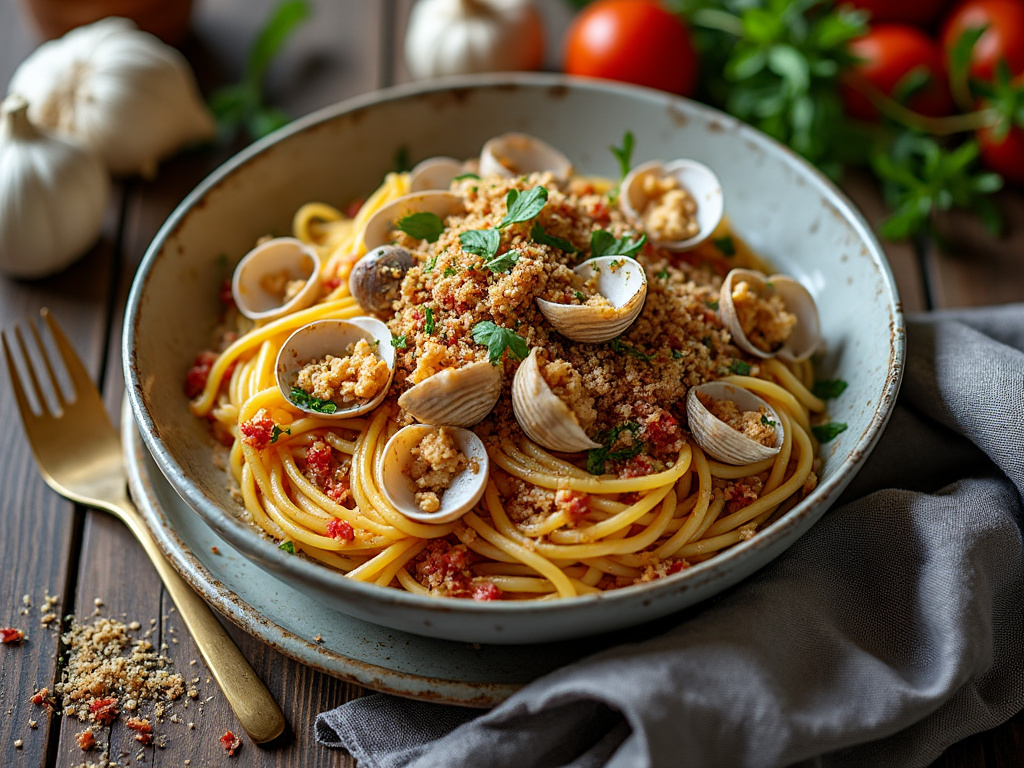
Clams Casino Linguine with Pancetta and Roasted Garlic Breadcrumbs
Clams casino meets pasta: linguine with fresh clams, crispy pancetta, roasted garlic, white wine, and crunchy buttered breadcrumbs.
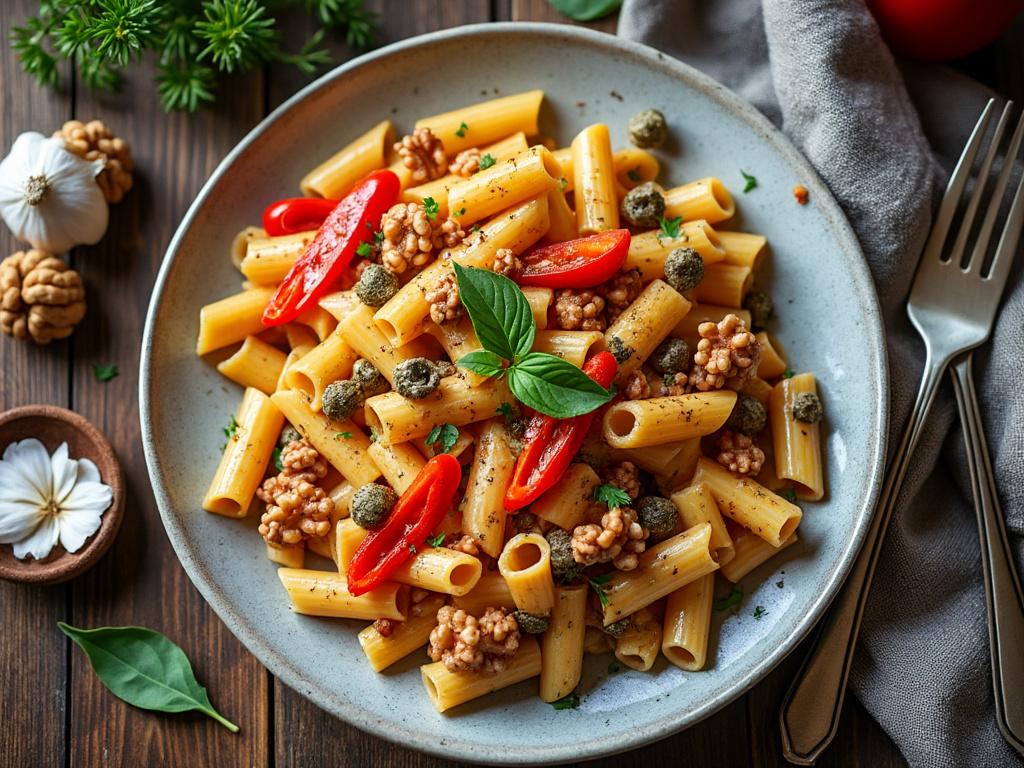
Creamy Roasted Red Pepper and Walnut Pasta with Crispy Capers
A bold, nutty pasta sauce built on charred peppers and toasted walnuts — weeknight-fast, pantry-friendly, and completely vegetarian.
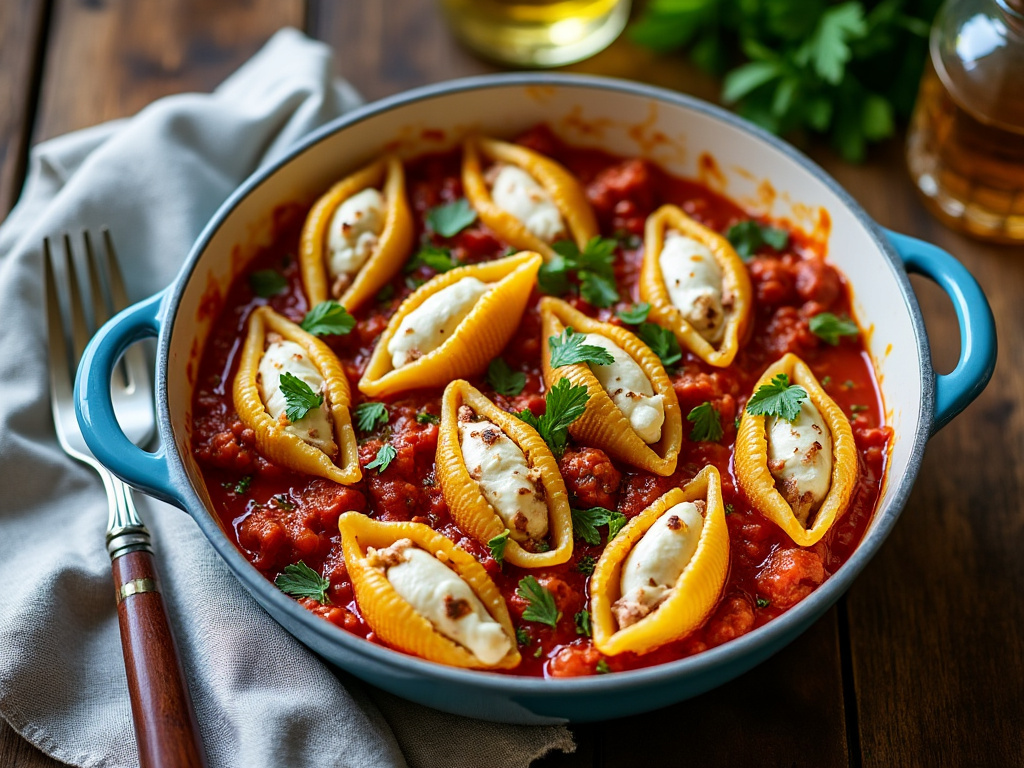
Baked Ricotta-Stuffed Shells with Spicy Sausage Ragù
Giant pasta shells stuffed with herbed ricotta, baked in a spicy Italian sausage ragù. A crowd-ready dinner that reheats beautifully.