Creamy Roasted Red Pepper and Walnut Pasta with Crispy Capers
A bold, nutty pasta sauce built on charred peppers and toasted walnuts — weeknight-fast, pantry-friendly, and completely vegetarian.
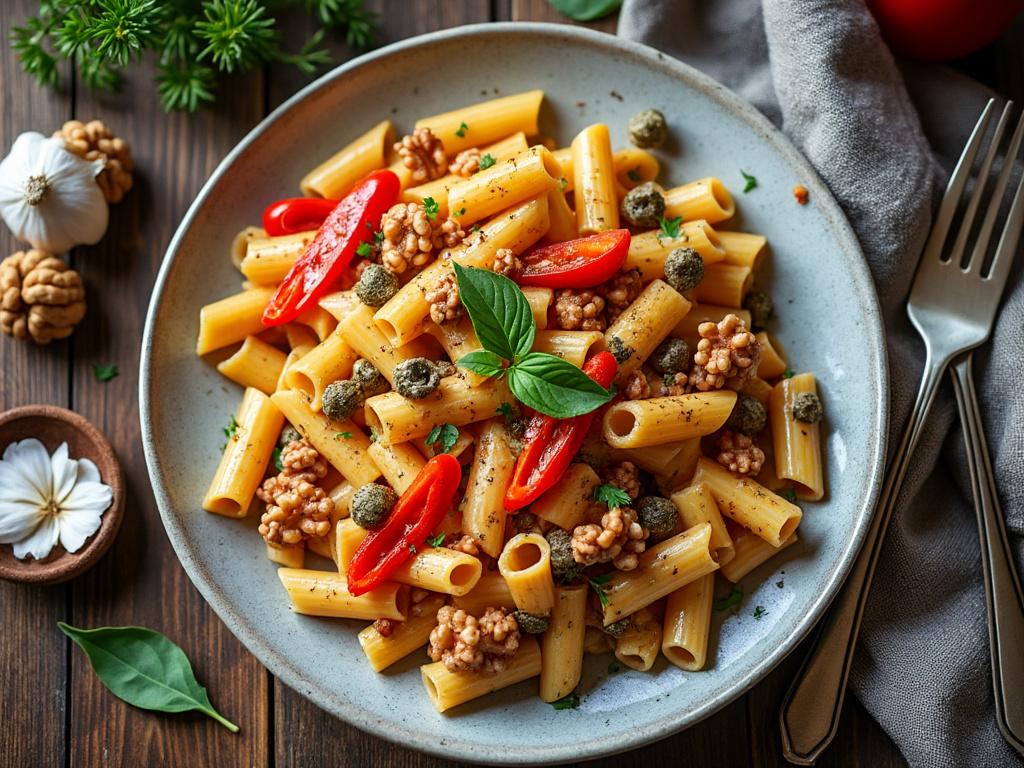
This sauce is essentially a riff on muhammara — the Syrian roasted pepper and walnut dip — blitzed into a pasta coating that clings to every ridge of rigatoni. The walnuts do two things here: they thicken the sauce without cream or starch, and they add a slight bitter edge that keeps the sweetness of roasted peppers from becoming cloying. Expect a smoky, slightly tangy sauce with a velvety texture that's rich without feeling heavy. Finish it with pan-fried capers, which turn into tiny salty crackers that crack against your teeth — a textural contrast that makes the whole dish work. This comes together in about 45 minutes and is weeknight-solid, but put it in front of guests and nobody complains.
Use jarred roasted red peppers on a Tuesday; char your own on a gas burner on a weekend when you have 10 extra minutes — the char depth is noticeably better. If the sauce seizes up and looks grainy when you add the pasta water, add another splash and toss hard over medium heat for 30 seconds. It will come back together.
Ingredients
- ▸ 1 lb rigatoni
- ▸ 3 cups jarred roasted red peppers, drained and patted dry (about 16 oz jar)
- ▸ 1 cup raw walnut halves
- ▸ 4 cloves garlic, smashed
- ▸ 3 tbsp extra-virgin olive oil, divided
- ▸ 1 tbsp tomato paste
- ▸ 1 tsp smoked paprika
- ▸ 1/4 tsp red pepper flakes
- ▸ 2 tbsp sherry vinegar
- ▸ 1/2 tsp Diamond Crystal kosher salt, plus more for pasta water
- ▸ 1/4 tsp freshly ground black pepper
- ▸ 1/4 cup pasta cooking water, reserved
- ▸ 3 tbsp capers, rinsed and patted completely dry
- ▸ 2 tbsp fresh flat-leaf parsley, roughly chopped
- ▸ 2 oz Parmigiano-Reggiano, finely grated (optional, for serving)
🛒 Links may earn us a small commission at no cost to you.
Recommended Gear
🛒 We may earn a small commission at no extra cost to you. We only recommend gear we'd use ourselves.
Instructions
Toast the Walnuts
- 1. Place the walnuts in a dry 12-inch skillet over medium heat. Spread them in a single layer and toast, shaking the pan every 90 seconds, until they are deeply golden brown with a nutty, slightly smoky aroma — about 6 to 8 minutes. They should look darker than you think is right; pale walnuts taste flat in the sauce. Tip them immediately onto a plate to stop the cooking and let them cool for 5 minutes.
Build the Sauce
- 1. Return the skillet to medium heat and add 2 tbsp of the olive oil. Add the smashed garlic cloves and cook, stirring occasionally, until they are soft and golden at the edges — about 3 to 4 minutes. You should smell the garlic turning sweet and mellow, not sharp. Add the tomato paste and stir constantly for 60 seconds until it darkens to a brick-red color and smells slightly caramelized.
- 2. Add the drained roasted red peppers to the skillet. Stir to coat with the garlic and tomato paste mixture. Cook for 3 minutes, stirring occasionally, until the peppers are hot and beginning to sizzle at the edges. Add the smoked paprika, red pepper flakes, and sherry vinegar; stir and cook for another 30 seconds until the vinegar smell sharpens then mellows. Remove from heat.
- 3. Transfer the pepper mixture and the toasted walnuts to a food processor or blender. Add 1/2 tsp kosher salt and 1/4 tsp black pepper. Process on high for 60 to 90 seconds, scraping down the sides once, until the sauce is very smooth and creamy — it should look like a thick, rust-orange puree with no visible walnut chunks. Taste and adjust salt.
Cook the Pasta
- 1. Bring a large pot of water to a rolling boil over high heat. Salt it aggressively — it should taste like mild seawater, which typically takes about 1 tbsp kosher salt per 4 quarts of water. Add the rigatoni and cook according to package directions until 1 minute shy of al dente. The pasta should still have a faint white dot in the center when you bite it.
- 2. Before draining, ladle out at least 1/2 cup of the starchy pasta water into a liquid measuring cup. Drain the pasta through a colander — do not rinse it.
Fry the Capers
- 1. While the pasta cooks, wipe the skillet dry and add the remaining 1 tbsp olive oil over medium-high heat. When the oil shimmers and a drop of water flicked in sputters immediately, add the patted-dry capers in a single layer. Fry without stirring for 2 to 3 minutes until they are visibly puffed, crispy, and golden brown — they should sound like a gentle crackle in the pan. Remove with a slotted spoon to a paper towel-lined plate. They will crisp further as they cool.
Combine and Finish
- 1. Return the skillet to medium heat. Pour in the blended red pepper sauce and let it warm through, about 2 minutes, stirring until it is bubbling gently and smells aromatic. Add 1/4 cup of the reserved pasta water and stir to loosen the sauce to a consistency that coats the back of a spoon.
- 2. Add the drained rigatoni directly to the skillet. Toss vigorously with tongs or a large spoon over medium heat for 60 to 90 seconds, until every piece of pasta is evenly coated in the sauce and the sauce has tightened slightly around the noodles. If it looks tight or dry, add pasta water 2 tbsp at a time. The finished pasta should look glossy and cling together.
- 3. Remove from heat. Divide among four warmed bowls. Top each serving with a generous scatter of crispy capers, fresh parsley, and grated Parmigiano-Reggiano if using. Serve immediately while the capers are still crunchy.
Cook's Notes
- Pat the capers completely dry before frying — any residual brine will cause violent oil splatter and steaming instead of crisping.
- The sauce can be blended up to 4 days ahead and refrigerated. Reheat it gently in the skillet with a splash of water before adding pasta.
- Don't skip reserving pasta water before draining — you need it to finish the sauce, and tap water won't do the same job since it lacks starch.
- If you can only find dry-packed capers rather than brine-packed, soak them in cold water for 15 minutes before patting dry and frying.
- Sherry vinegar is worth tracking down here — it's rounder and more complex than red wine vinegar and brings the sauce into balance without tasting acidic.
Pro Tips
- → If the sauce looks grainy or broken after you add it to the skillet, the heat was too high or there wasn't enough emulsifying liquid — add 3 tbsp pasta water and toss hard over medium heat for 45 seconds. The starch will bind it back.
- → Toast the walnuts darker than feels comfortable — the oil in the nut develops a roasty depth at a deep golden-brown that lighter toasting misses entirely, and that depth is what keeps the sauce from tasting flat.
- → The food processor works, but a high-powered blender (Vitamix) produces a noticeably silkier sauce because it fully breaks down the walnut cell walls. If using a standard blender, blend for a full 2 minutes and don't skip scraping down.
- → Season the sauce before it goes into the blender, not just after — salt that is blended into the sauce integrates more fully than salt sprinkled on at the end, which sits on the surface.
- → Rigatoni should be pulled from the water 1 full minute before the package's al dente time — it finishes cooking in the hot skillet with the sauce, and if you start with properly done pasta, it overcooks by the time it's sauced.
- → If your capers aren't crisping and are just sizzling and softening, the oil isn't hot enough or they're still wet. Increase heat to medium-high and wait until the oil shimmers actively before adding them, and re-dry them on fresh paper towels.
What to Serve With This
A simple arugula salad dressed with lemon juice, 1 tsp Dijon, and good olive oil is the right green here. The peppery bitterness of arugula cuts through the walnut richness in a way that spinach or romaine won't. Keep it undressed until the last second so it doesn't wilt.
For wine, reach for a medium-bodied Italian red — a Montepulciano d'Abruzzo under $20 works well, as does a Nero d'Avola from Sicily. Both have enough fruit to match the sweetness of roasted pepper without overpowering the walnut earthiness. If you prefer white, a skin-contact Pinot Grigio (orange wine style) from Friuli brings tannin and texture that holds up to the sauce's weight.
Beer-wise, a malty amber ale like Tröegs Brewing's Nugget Nectar or any good märzen-style lager provides malt sweetness that mirrors the roasted pepper without the bitterness of an IPA competing with the walnuts.
For non-alcoholic, try sparkling water with a squeeze of blood orange and a few drops of pomegranate juice. The light acidity and mild fruit echo the pepper without overwhelming it. A slice of crusty sourdough to drag through any leftover sauce in the bowl is non-negotiable.
Variations & Substitutions
To make this vegan, the recipe is already nearly there — just ensure you skip any Parmesan garnish or swap it for 2 tbsp nutritional yeast stirred into the sauce before blending. It adds the same savory, slightly funky note without dairy. The walnut body holds the sauce together just fine without cheese.
For a gluten-free version, use Barilla's gluten-free rigatoni or De Cecco's corn-and-rice blend (both hold their shape better than most GF pasta under sauce). Reserve an extra 1/4 cup of pasta water — GF pasta releases more starch, so the sauce may loosen slightly and need more tossing time over heat, about 90 seconds instead of 60.
To add protein, toss in 6 oz of Italian turkey sausage, casings removed and crumbled into the skillet after the garlic step. Cook it until browned, about 5 minutes, before deglazing with white wine. The sausage drippings become part of the sauce base and deepen the overall flavor considerably.
For a spicier version, replace the 1/4 tsp red pepper flakes with 1 full tsp Calabrian chili paste stirred into the blender with the sauce. It shifts the heat from sharp and immediate to slow and oily — a different but equally good direction.
Frequently Asked Questions
Can I make the sauce ahead of time? ▼
Yes — the roasted red pepper and walnut sauce keeps well in an airtight container in the fridge for up to 4 days. Store it separately from the pasta and reheat it gently in a skillet over medium-low heat with a splash of water or pasta cooking liquid to loosen it before tossing with freshly cooked noodles.
Can I freeze the sauce? ▼
The sauce freezes well for up to 2 months. Let it cool completely, then pour it into a zip-top freezer bag laid flat. Thaw overnight in the fridge and reheat in a skillet over medium-low, stirring with a bit of pasta water to bring it back to a smooth consistency. The capers should always be fried fresh.
What pasta shape works best besides rigatoni? ▼
Any ridged or hollow short pasta works — penne rigate, casarecce, or paccheri are all excellent because the sauce catches in the grooves and tubes. Avoid smooth pasta like penne lisce or linguine; the sauce slides right off and pools at the bottom of the bowl.
Can I use raw walnuts instead of toasting them? ▼
Technically yes, but don't. Raw walnuts have a grassy, slightly astringent flavor that comes through in the sauce. Toasting takes 6-8 minutes and develops a deep nuttiness that's the backbone of the dish. It's not a step to skip.
My sauce turned out too thick. How do I fix it? ▼
Add reserved pasta water, 2 tbsp at a time, while tossing the pasta over medium heat. The starch in the water helps the sauce emulsify and cling rather than just thin out. Go slowly — it's easier to add liquid than to cook it back down.
Can I use pre-roasted walnuts from the store? ▼
You can, but reduce the toasting time in the pan to 2-3 minutes just to warm them and refresh their aroma. Pre-roasted nuts can go from warm to burnt quickly because they've already lost some moisture. Keep the heat at medium and watch them closely.
How do I char my own peppers instead of using jarred? ▼
Place whole red bell peppers directly over a gas burner flame on medium-high. Turn them with tongs every 2-3 minutes until the skin is fully blackened all over, about 10-12 minutes total. Transfer to a bowl, cover tightly with plastic wrap, and let steam for 15 minutes. The skin peels off easily by hand — don't rinse under water, or you'll wash away the smoky flavor.
The capers are splattering everywhere when I fry them. What am I doing wrong? ▼
The capers need to be as dry as possible before they hit the oil — pat them thoroughly with paper towels after rinsing. Even one drop of water in hot oil creates aggressive splattering. Use a splatter screen if you have one, and don't crowd the pan; fry in a single layer with enough oil to surround them.
Is this recipe easy to double for a crowd? ▼
Yes, doubling works well. Use a full-size blender for the sauce rather than a food processor when doubling, as it handles larger volumes more smoothly. Cook the pasta in the largest pot you have — at least 8 quarts — to keep the water temperature from dropping too much when you add double the pasta.
Can I substitute another nut for walnuts? ▼
Pecans are the closest substitute — same fat content, similar bitterness, and they toast at the same rate. Almonds work but produce a lighter, slightly drier sauce; add 1 tbsp extra olive oil to compensate. Avoid cashews, which make the sauce too sweet and push it in a completely different flavor direction.
Enjoyed this recipe?
Daily Home Cookery is self-funded. If something you cooked here made dinner a little better, a coffee keeps the kitchen running.
☕ Buy me a coffeeYou Might Also Like
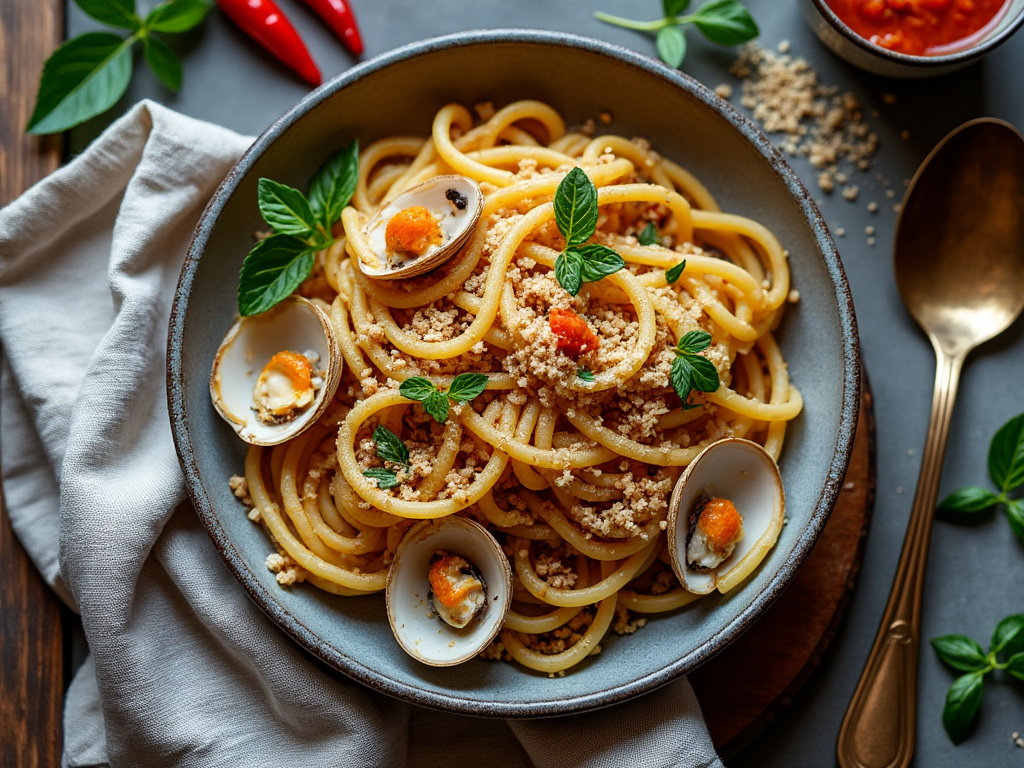
Brown Butter Clam Linguine with Crispy Breadcrumbs and Calabrian Chili
Briny canned clams, nutty brown butter, and Calabrian chili come together in this bold 45-minute weeknight linguine with crunchy herbed breadcrumbs.
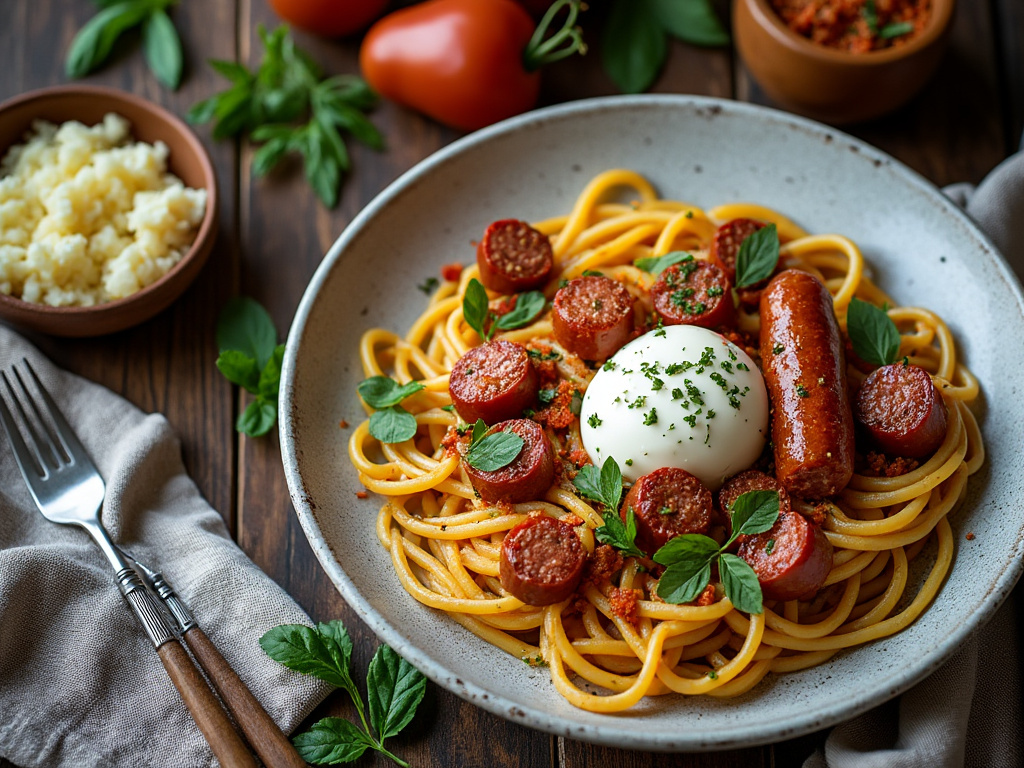
Mafaldine with Slow-Cooked Fennel Sausage, Nduja, and Burrata
Mafaldine pasta with slow-cooked fennel sausage, spreadable nduja, and torn burrata. Rich, spicy, and ready in under an hour.
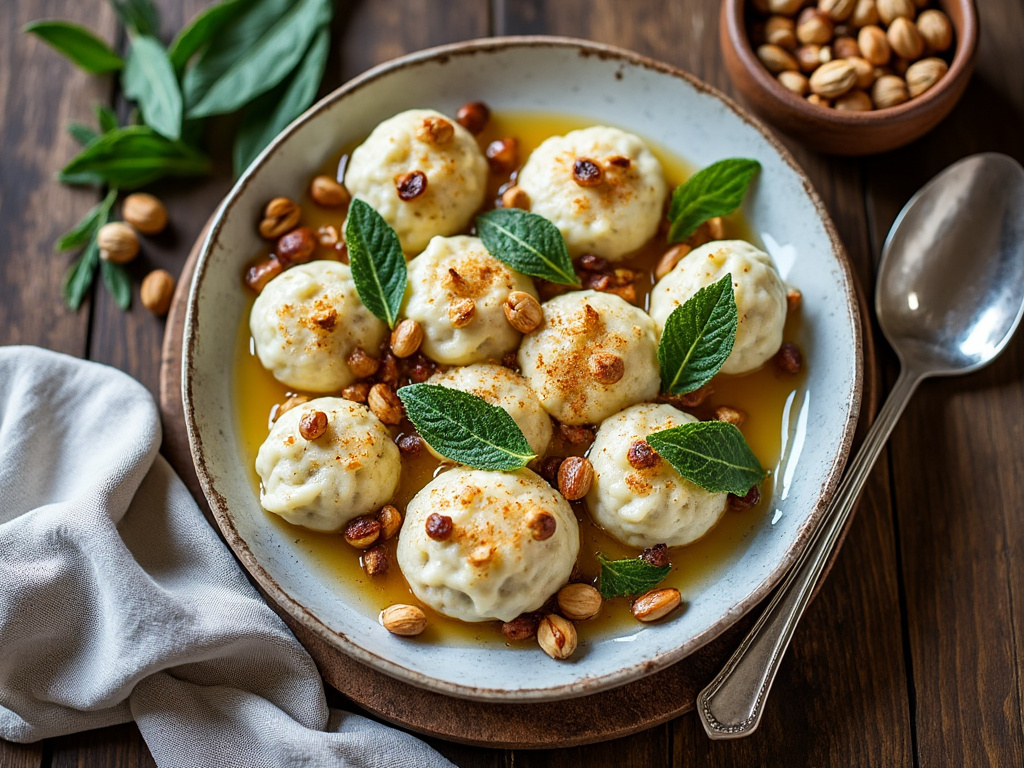
Ricotta Dumplings with Brown Butter, Sage, and Toasted Hazelnuts
Pillowy ricotta dumplings tossed in nutty brown butter with crispy sage and toasted hazelnuts. Ready in 45 minutes, no pasta machine needed.