Brown Butter Clam Linguine with Crispy Breadcrumbs and Calabrian Chili
Briny canned clams, nutty brown butter, and Calabrian chili come together in this bold 45-minute weeknight linguine with crunchy herbed breadcrumbs.
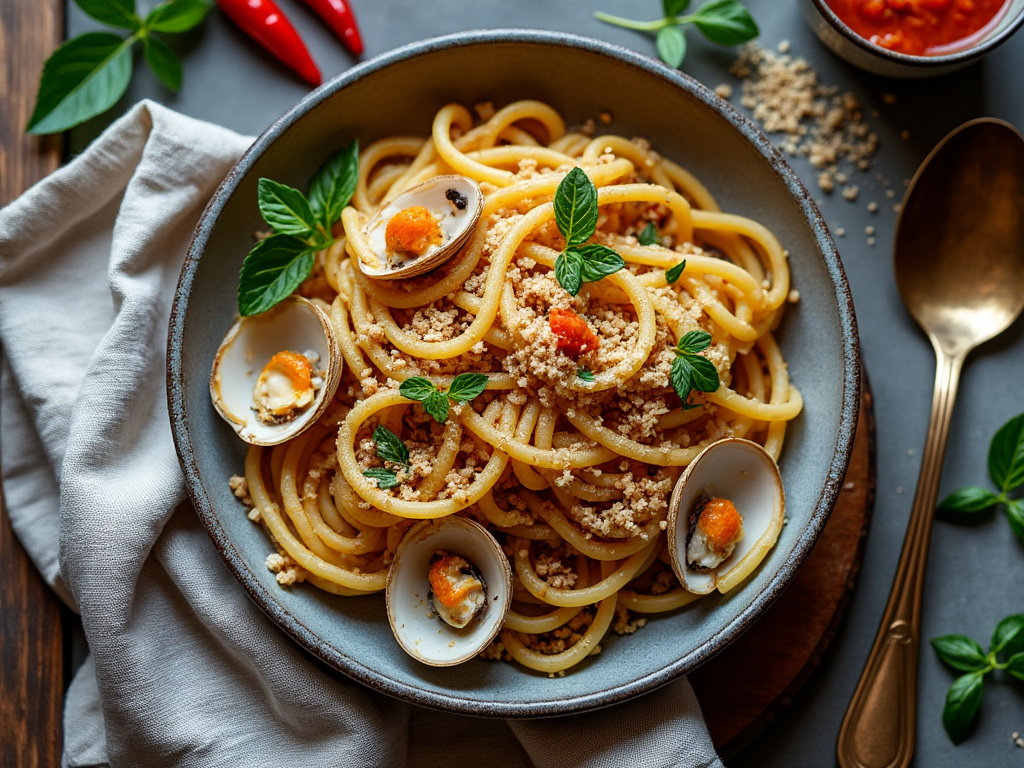
<p>Clam linguine is one of those dishes that tastes deeply considered without being fussy — and this version leans into canned clams without apology. Good-quality canned clams (Bar Harbor whole baby clams are worth the extra dollar) carry real brininess and cook in seconds, making this a legitimate weeknight pasta. The move that holds everything together is brown butter: you build the sauce in the same pan you toast the garlic and chili in, so the nutty fat coats every strand of pasta.</p><p>Expect al dente linguine with a glossy, lightly spicy sauce — not creamy, not soupy, just clam juice, white wine, and butter pulled together with starchy pasta water. Crunchy herbed breadcrumbs on top add texture where the dish needs it most. This feeds four in about 45 minutes, and it scales down cleanly for two. If the sauce looks greasy and broken before you add the pasta, splash in two tablespoons of pasta water and stir vigorously over low heat — it will come back together.</p>
Ingredients
- ▸ 1 lb dried linguine
- ▸ 4 tbsp unsalted butter (Kerrygold recommended)
- ▸ 4 tbsp extra-virgin olive oil, divided
- ▸ 6 garlic cloves, thinly sliced
- ▸ 1 tbsp Calabrian chili paste
- ▸ 1/2 tsp red pepper flakes
- ▸ 1/2 cup dry white wine (Pinot Grigio or Vermentino)
- ▸ 2 (6.5 oz) cans whole baby clams in juice, drained with juice reserved (Bar Harbor recommended)
- ▸ 1/2 tsp Diamond Crystal kosher salt, plus more for pasta water
- ▸ 1/4 tsp freshly ground black pepper
- ▸ 3/4 cup reserved pasta water, divided
- ▸ 2 tbsp fresh flat-leaf parsley, finely chopped
- ▸ 1 tbsp fresh lemon juice
- ▸ 1 tsp lemon zest
- ▸ 3/4 cup panko breadcrumbs
- ▸ 2 tbsp extra-virgin olive oil (for breadcrumbs)
- ▸ 1 tsp fresh thyme leaves
- ▸ 1 garlic clove, finely grated (for breadcrumbs)
- ▸ 1/4 tsp Diamond Crystal kosher salt (for breadcrumbs)
- ▸ 2 tbsp finely grated Parmigiano-Reggiano (for breadcrumbs)
🛒 Links may earn us a small commission at no cost to you.
Recommended Gear
🛒 We may earn a small commission at no extra cost to you. We only recommend gear we'd use ourselves.
Instructions
Prep
- 1. Bring a large pot of water to a rolling boil over high heat — it should be actively churning, not just steaming. Salt it generously: the water should taste like mild seawater, roughly 1 tablespoon of kosher salt per gallon. Drain the canned clams through a fine-mesh strainer set over a bowl; reserve the clam juice separately and set both aside.
- 2. Make the breadcrumbs: heat a small skillet over medium heat and add 2 tbsp olive oil. Once the oil shimmers, add the panko, grated garlic, and thyme leaves. Stir constantly for 3 to 4 minutes until the breadcrumbs turn deep golden and smell nutty and toasty — they should crunch when you press a few between your fingers. Remove from heat immediately, stir in the Parmigiano and 1/4 tsp salt, and transfer to a small bowl. Set aside at room temperature.
Cook the Pasta
- 1. Drop the linguine into the boiling water and cook until 2 minutes shy of al dente — the pasta should still have a firm, chalky center when you bite through it. It will finish cooking in the sauce. Before draining, use a ladle to scoop out at least 1 cup of the cloudy, starchy pasta water into a heatproof measuring cup. Drain the pasta but do not rinse it.
Build the Sauce
- 1. While the pasta cooks, melt the butter in a 12-inch skillet over medium heat. Swirl the pan occasionally and watch the foam: first it will bubble vigorously, then subside. When the milk solids turn amber and the butter smells like toasted hazelnuts — about 4 to 5 minutes — it's ready. Don't walk away at this stage; it goes from brown to burnt in under 30 seconds.
- 2. Add 3 tbsp of the olive oil to the brown butter (this lowers the temperature slightly and prevents the garlic from scorching immediately). Add the sliced garlic and cook over medium-low heat, stirring frequently, until the garlic is pale gold at the edges and the fat smells sweet and garlicky — about 2 minutes. The garlic should sizzle gently, not aggressively pop.
- 3. Add the Calabrian chili paste and red pepper flakes directly to the pan. Stir into the butter for 30 seconds until the paste darkens slightly and the kitchen starts to smell fruity and spicy.
- 4. Pour in the white wine and the reserved clam juice. Raise the heat to medium-high and let it boil actively for 3 to 4 minutes, scraping up any browned bits from the bottom of the pan, until the liquid reduces by roughly half and you can drag a spoon through the center and see the bottom of the pan for a full second before it fills back in.
Finish and Emulsify
- 1. Add the drained clams to the pan and stir to coat them in the sauce. Cook just 1 minute over medium heat — the clams are already cooked and only need to warm through. Overcooking turns them rubbery.
- 2. Add the under-cooked linguine directly to the skillet using tongs. Pour in 1/4 cup of the reserved pasta water and toss everything together over medium heat. The pasta will finish cooking in the sauce — about 2 minutes — and the starchy water will help the sauce cling to each strand. Add more pasta water, a tablespoon at a time, if the sauce tightens up too fast or looks dry. You want a glossy, lightly saucy consistency that falls off the pasta in ribbons, not a thick coating.
- 3. Remove the pan from heat. Add the lemon juice, lemon zest, parsley, 1/2 tsp salt, and black pepper. Toss once more with tongs. Taste and adjust salt — the clam juice is already salty, so go carefully here.
Serve
- 1. Divide the pasta among four warmed bowls using tongs — twirl each portion into a mound so the clams distribute evenly rather than sinking to the bottom. Spoon any sauce left in the pan over the top.
- 2. Scatter a generous tablespoon of the crispy breadcrumbs over each bowl immediately before serving. Add the breadcrumbs at the very last second so they stay crunchy — if they sit on hot pasta for more than a couple of minutes, they steam and turn soft.
Cook's Notes
- Reserve more pasta water than you think you need — at least 1 full cup. You'll likely only use 1/3 to 1/2 cup, but having extra on hand is the difference between a saucy, cohesive pasta and a dry, clumpy one.
- Don't rinse the drained pasta. The surface starch is what allows the sauce to emulsify and cling; rinsing washes it off and you'll end up with greasy, slippery noodles.
- The breadcrumbs can be made up to 3 days ahead and stored in an airtight container at room temperature — they actually crisp up further as they cool.
- Taste the clam juice before adding it to the pan. If it smells fishy or sharp rather than clean and briny, discard it and substitute with 1/3 cup of bottled clam juice (Snow's brand is widely available) mixed with 1/3 cup of water.
- This dish tightens up fast once off heat — serve immediately. If dinner is running late, undercook the pasta by an extra minute and hold it in a bowl tossed with a teaspoon of olive oil while you finish the sauce.
Pro Tips
- → The single most common failure point is overcooking the garlic in the brown butter — if it turns deep brown or smells bitter, the fat is ruined. Start over with fresh butter; a burnt sauce cannot be rescued by adding more liquid.
- → If the sauce breaks and looks greasy before you add the pasta, reduce the heat to low, add 2 tablespoons of pasta water, and stir vigorously in tight circles. The starch emulsifies the fat back into suspension — it takes about 30 seconds of active stirring.
- → Canned clam juice varies significantly in saltiness by brand. Add salt to the finished sauce only after you've tasted it with the clam juice fully incorporated — what seems under-salted during the reduction often lands correctly once the pasta and lemon juice go in.
- → Brown butter cooks fastest in a light-colored stainless steel pan because you can see the milk solid color change clearly. In a dark non-stick or cast iron pan, you're going mostly by smell — pull it off heat the moment it smells like popcorn and hazelnuts, before you can confirm the color visually.
- → If your skillet isn't large enough to toss the pasta properly, transfer everything into the drained pasta pot instead. Use the residual heat from the pasta water to keep it warm while you toss — the wider surface area of the pot makes emulsification much easier.
- → For a more intense clam flavor, reduce the reserved clam juice in a small saucepan by half before adding it to the main sauce. It concentrates the brine without adding more salt, and makes the dish taste like you used twice as many clams.
What to Serve With This
<p>A crisp, high-acid white wine is essential here. Vermentino from Sardinia or a Muscadet Sèvre et Maine from the Loire Valley both have the salinity and citrus snap to echo the clam brines without competing. Avoid oaky Chardonnay — it will flatten the dish. If you want something more accessible, pick up a Pinot Grigio from Friuli, not the watery Santa Margherita style, but something with actual mineral backbone like Livio Felluga.</p><p>For a non-alcoholic option, sparkling water with a squeeze of lemon and a couple of ice cubes works better than you'd expect — the effervescence acts as a palate cleanser between bites of the rich brown butter sauce. A light cucumber-mint agua fresca also cuts through the fat cleanly.</p><p>A simple arugula salad dressed with lemon juice, olive oil, and shaved Parmigiano-Reggiano pairs well because the bitterness of the arugula contrasts the richness of the butter sauce. Keep it undressed until the pasta hits the table so it stays sharp and crisp.</p><p>Crusty bread is the right call for soaking up the sauce left in the bowl — a half-baguette warmed in a 350°F oven for 8 minutes works perfectly. Skip anything heavily flavored like garlic bread; you don't want to compete with the Calabrian chili already in the dish.</p>
Variations & Substitutions
<p>To make this dairy-free, swap the butter entirely for 4 tablespoons of good olive oil. You won't get the nutty brown butter notes, but if you let the olive oil heat until it shimmers and smells faintly toasty (about 3 minutes over medium), you'll build enough depth to carry the dish. Use De Cecco linguine — it holds the lighter oil-based sauce better than thinner pasta.</p><p>For a gluten-free version, use Jovial brown rice linguine and replace the panko with gluten-free panko (Ian's brand holds up better than most). The pasta releases more starch during cooking, so start with only 1/3 cup of pasta water when emulsifying the sauce, and add more as needed — the sauce thickens faster than with semolina pasta.</p><p>If you want to use fresh clams instead of canned, buy 2 pounds of littleneck clams. Scrub them under cold water, then add them to the pan after the wine reduces — cover and steam 4 to 5 minutes until they open. Discard any that stay shut. The sauce will be slightly less concentrated, so reduce the wine by an extra minute and taste for salt before serving.</p><p>For a spicier version, double the Calabrian chili paste to 2 tablespoons and add 1/4 teaspoon of red pepper flakes with the garlic. To mellow the heat for kids or spice-sensitive eaters, swap the Calabrian chili paste for 1/2 teaspoon of sweet smoked paprika — you lose the fruity heat but keep a pleasant warmth.</p>
Frequently Asked Questions
Can I use fresh clams instead of canned? ▼
Yes. Buy 2 pounds of littleneck clams and scrub them well under cold running water. Add them to the pan after the wine reduces, cover with a lid, and steam 4 to 5 minutes until they open wide. Discard any that don't open. The broth they release is the sauce base — you may not need as much additional pasta water.
What can I substitute for Calabrian chili paste? ▼
Sambal oelek works in a 1:1 swap and delivers similar heat, though with less of the fruity, briny depth of Calabrian chili. A pinch of red pepper flakes (1/4 to 1/2 teaspoon) also works but gives a drier, less integrated heat. If you want zero heat, use 1/2 teaspoon of sweet smoked paprika instead.
Can I make this ahead of time? ▼
The pasta itself doesn't hold well — clam linguine is a cook-and-serve dish. You can prep the breadcrumbs up to 3 days ahead and store them in an airtight container at room temperature. You can also mince the garlic and measure out the clams and wine in advance so the actual cook goes faster.
How do I store leftovers? ▼
Store leftovers in an airtight container in the refrigerator for up to 2 days. The pasta will absorb the sauce as it sits, so when reheating, add a splash of water (2 to 3 tablespoons) and warm in a skillet over medium-low heat, stirring frequently. Microwave reheating tends to make the clams rubbery — skillet reheating is worth the extra two minutes.
Can I freeze this pasta? ▼
Freezing is not recommended. The clams become tough and the pasta turns mushy when thawed and reheated. This is best made fresh and eaten the same day.
My sauce looks greasy and separated. How do I fix it? ▼
Add 2 to 3 tablespoons of reserved pasta water directly to the pan and stir vigorously with tongs or a wooden spoon over low heat. The starch in the pasta water acts as an emulsifier and pulls the fat and liquid back into a cohesive sauce. Don't add too much — go slowly, a tablespoon at a time.
Can I double this recipe for a larger crowd? ▼
Yes, it scales to 8 servings well. Use a 12-inch or wider skillet and a large pot so the pasta has room to cook evenly. Brown the butter in two batches if your pan runs small — crowding causes steaming rather than proper browning. Reserve an extra 1/2 cup of pasta water since the larger volume of pasta will need more emulsifying liquid.
What pasta shape works if I don't have linguine? ▼
Spaghetti is the closest substitute and works essentially the same way. Bucatini is another strong option — the hollow center holds the sauce well. Avoid short pasta like penne or rigatoni; the sauce is too thin and light to cling properly to short shapes.
Is there a way to make this richer and creamier? ▼
Stir in 3 tablespoons of heavy cream after you add the clams, before the pasta goes in. Let it simmer 1 minute to integrate. It shifts the dish toward a vodka-sauce style texture — still good, but a different dish. Don't use cream cheese or crème fraîche; they break at high heat.
What's the best canned clam brand to use? ▼
Bar Harbor whole baby clams are consistently the best widely available option — the clams are meaty and the juice is genuinely briny, not watery. Crown Prince is a reliable runner-up. Avoid generic store-brand canned clams; the juice is often bland and the clams are rubbery.
Enjoyed this recipe?
Daily Home Cookery is self-funded. If something you cooked here made dinner a little better, a coffee keeps the kitchen running.
☕ Buy me a coffeeYou Might Also Like
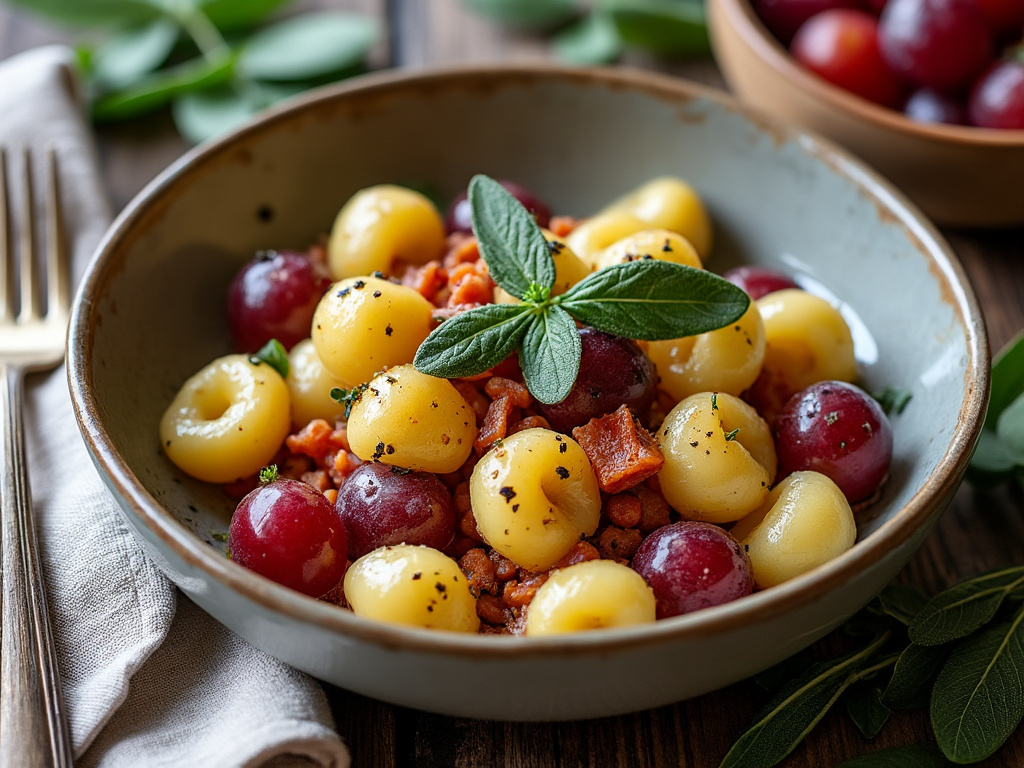
Brown Butter Gnocchi with Pancetta, Roasted Grapes, and Sage
Pan-seared gnocchi in brown butter with crispy pancetta, blistered roasted grapes, and fried sage. A 45-minute skillet dinner that actually delivers.
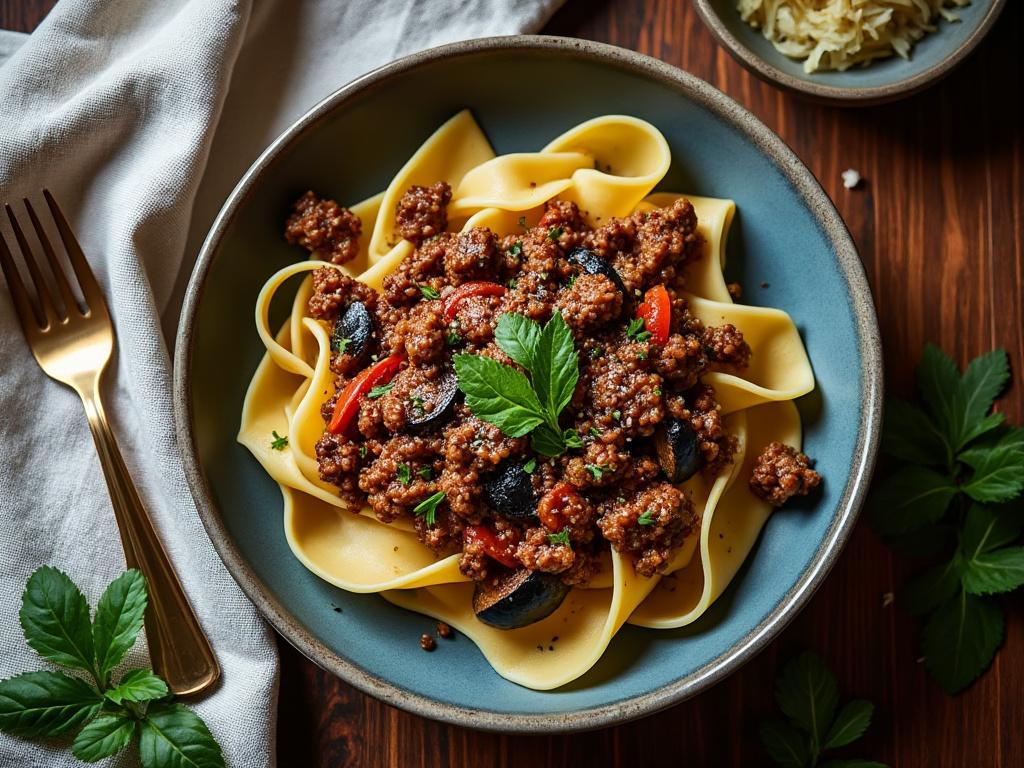
Smoky Eggplant and Lamb Bolognese
Ground lamb and charred eggplant make a deeply savory bolognese. Rich, meaty sauce with pappardelle — ready in under 80 minutes.
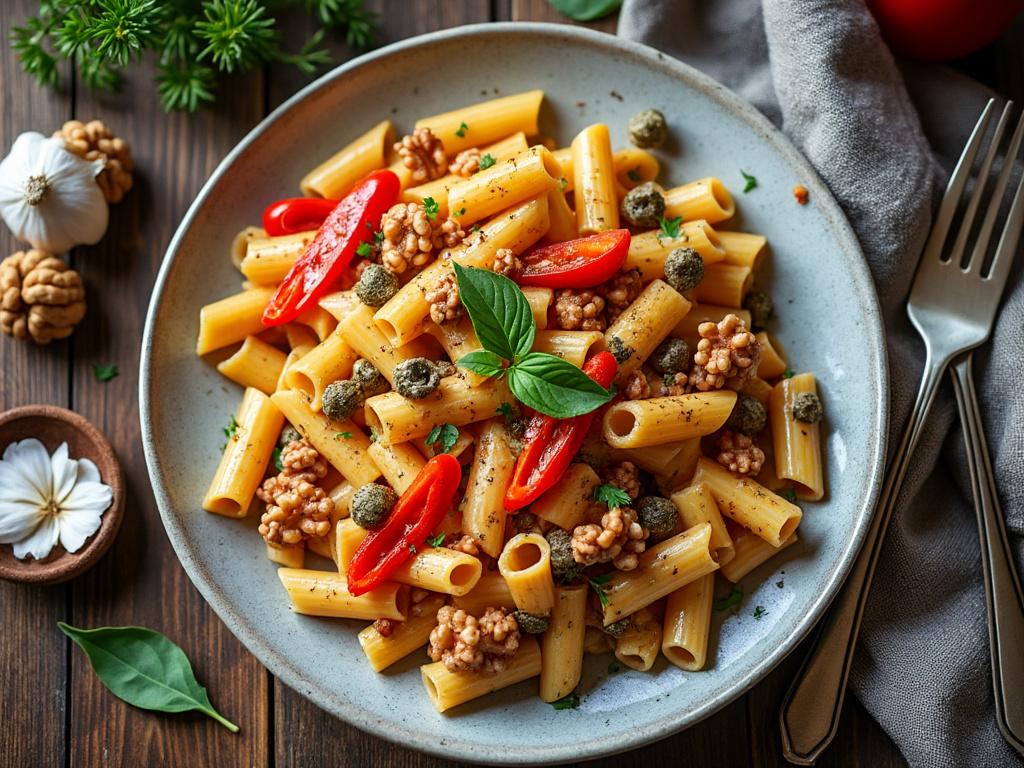
Creamy Roasted Red Pepper and Walnut Pasta with Crispy Capers
A bold, nutty pasta sauce built on charred peppers and toasted walnuts — weeknight-fast, pantry-friendly, and completely vegetarian.