BBQ Smash Burgers
Crispy-edged smash burgers with sharp cheddar, BBQ sauce, and tangy quick-pickled onions — ready in 20 minutes on a cast iron skillet.
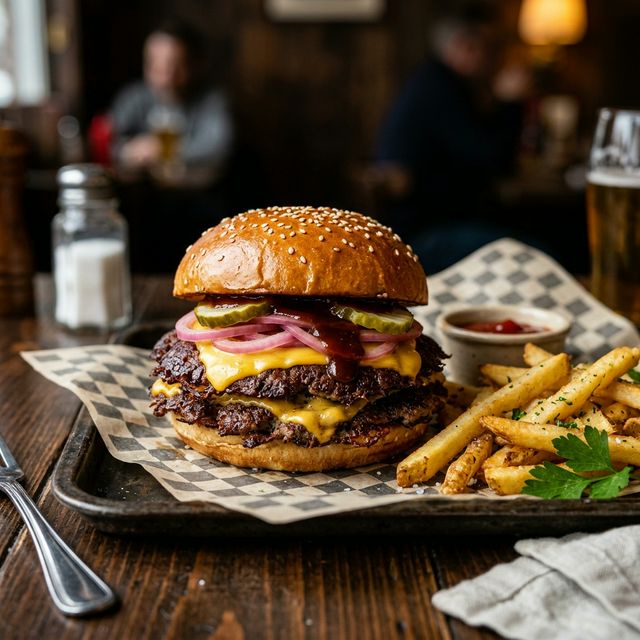
A smash burger lives or dies by contact with the pan. The hard press against a screaming-hot skillet creates a lacy, craggy crust through the Maillard reaction — something a loosely shaped patty sitting in a grill grate simply cannot replicate. The fat in 80/20 beef renders fast into that crust, so you get crispy edges in under three minutes.
These come together in about 20 minutes, which makes them a strong weeknight option when you want something better than a fast food run. The quick-pickled red onions cut through the richness of the beef and the sweetness of the BBQ sauce — without them, the whole thing leans cloying. Expect a salty, smoky, tangy bite with a tender brioche backdrop. If your skillet isn't smoking before you add the beef, the patties will steam instead of sear; wait an extra minute and try again.
Ingredients
- ▸ 1 lb ground beef (80/20)
- ▸ 4 brioche buns
- ▸ 4 slices sharp cheddar
- ▸ 1/4 cup BBQ sauce
- ▸ 1 small red onion, thinly sliced
- ▸ 2 tbsp apple cider vinegar
- ▸ 1 tsp sugar
- ▸ Dill pickle slices
- ▸ Butter lettuce leaves
- ▸ Salt and pepper
- ▸ 1 tbsp vegetable oil
🛒 Links may earn us a small commission at no cost to you.
Recommended Gear
🛒 We may earn a small commission at no extra cost to you. We only recommend gear we'd use ourselves.
Instructions
Quick-Pickle the Onions
- 1. Toss sliced red onion with vinegar and sugar. Let sit while you cook.
Smash and Cook
- 1. Divide beef into 4 equal balls (about 4 oz each). Do NOT season yet.
- 2. Heat skillet over high heat until smoking. Add a thin layer of oil.
- 3. Place a beef ball on the skillet. Cover with parchment and press HARD with a spatula until very thin. Season with salt and pepper.
- 4. Cook 2-3 minutes until edges are deeply crispy and brown. Flip.
- 5. Add cheese immediately. Cook 1-2 more minutes.
- 6. Assemble: bun, lettuce, patty, BBQ sauce, pickled onions, pickles, top bun.
Cook's Notes
- Use a heavy stainless steel or cast iron skillet — nonstick pans can't handle the sustained high heat required for a proper sear and may warp or off-gas at smoking temperatures.
- Press the beef ball within the first 10 seconds of hitting the pan — after that, the exterior protein begins to set and you won't get a thin, even smash.
- Toast the cut sides of the brioche buns in the same skillet after cooking, using the leftover beef fat. Thirty seconds on medium heat is all you need.
- The pickled onions need at least 10 minutes of rest to soften enough to eat comfortably — start them first, before you heat the skillet.
- Butter lettuce holds up better under sauced patties than iceberg or romaine; it won't slip out and provides a slight sweetness that works with the BBQ sauce.
Pro Tips
- → If the edges of your smashed patty aren't crisping up by the 90-second mark, your pan was not hot enough before you added the beef — this is the single most common failure mode. Let the pan heat until you see faint wisps of smoke before adding oil, and add oil only 30 seconds before the beef goes in.
- → Do not move the patty after smashing — any shifting breaks the developing crust off the pan surface. The patty will release naturally when the bottom is properly seared; if it resists, it's not ready to flip.
- → Use a thin, flexible metal spatula (a fish spatula works well) for flipping. A thick spatula slides under the crust unevenly and can tear it. Get low, get flat, and slide decisively.
- → If cheese slides off during assembly because the patty is too greasy, blot the patty once with a paper towel immediately after removing it from heat, then add cheese while the surface is still very hot.
- → For double smash burgers, use two 2 oz balls per serving instead of one 4 oz ball — two thin layers with cheese in between gives you more crust surface area per bite and better cheese coverage.
- → Avoid pressing down on the patty a second time after the initial smash — re-pressing squeezes out moisture and fat you want in the burger, leading to a tougher, drier result.
What to Serve With This
Classic shoestring fries are the default for a reason — their crunch and salt echo the crispy burger crust. For something faster, grab a bag of Kettle Brand sea salt chips. If you want a vegetable on the plate, a simple slaw made with green cabbage, a little mayo, and apple cider vinegar (you already have the bottle open) takes five minutes and balances the richness.
For beer, go with a cold American lager — something like Modelo Especial or PBR. The carbonation scrubs grease off the palate between bites, and you don't want a beer complex enough to compete with the BBQ sauce. If you'd prefer something darker, a malty amber ale like Alaskan Amber works well too.
For a non-alcoholic option, a ginger beer over ice is the move. The ginger's sharpness and slight sweetness mirror the pickled onions and the BBQ sauce without flattening the palate the way a sweet soda would.
If you're rounding out the meal for a gathering, a simple iceberg wedge with blue cheese dressing and some halved cherry tomatoes is fast and provides contrast — the cold crunch of iceberg against a hot burger is a combination that holds up.
Variations & Substitutions
To make these gluten-free, swap the brioche buns for a sturdy GF option like Schar Hamburger Buns, which hold together under the sauce without dissolving. Check your BBQ sauce label too — many commercial sauces contain malt vinegar or wheat-derived additives. Stubb's Original and Primal Kitchen are both reliably GF.
For a dairy-free version, skip the cheddar and add a half-slice of ripe avocado per patty. The fat and creaminess fill a similar textural role to the cheese. Most brioche contains butter or dairy, so dairy-free eaters should source a vegan brioche or use a standard sesame seed bun instead.
For a vegetarian swap, use a smash-friendly patty like the Impossible Burger (the ground version, not pre-formed patties). It responds well to the smash technique and gets real crust. Season it more aggressively — about 1/2 tsp salt and a few cracks of pepper per patty — since it lacks the beefy depth of 80/20.
To scale up to 8 burgers, double everything and cook in batches. Do not crowd the skillet — two patties per 12-inch pan maximum. Rest finished patties in a 200°F oven on a rack while you cook the remaining ones. For a regional spin, swap the sharp cheddar for pepper jack and use a chipotle-spiked BBQ sauce for a Southwest angle.
Frequently Asked Questions
Can I make these on an outdoor grill instead of a skillet? ▼
Technically yes, but you lose most of the smash effect. A flat griddle attachment over a gas grill works well. Standard grill grates don't provide the flat surface contact that creates the signature crust, so you'll end up with a more conventional thin patty instead of a proper smash burger.
Can I prep anything ahead of time? ▼
The pickled onions are the best make-ahead component — they keep in the fridge for up to a week and actually get better after 24 hours. Portion the beef balls in advance and store them covered in the fridge for up to a day. Don't smash and hold the cooked patties; they lose their crust quickly and should be served immediately.
How do I store and reheat leftover cooked patties? ▼
Wrap patties in foil and refrigerate for up to two days. Reheat in a dry skillet over medium-high heat for about 90 seconds per side — the microwave turns them rubbery and eliminates any remaining crust. The brioche buns don't hold well once assembled, so store components separately.
Can I freeze the raw beef balls? ▼
Yes. Form the balls, place them on a sheet pan lined with parchment, freeze solid (about 2 hours), then transfer to a zip-lock bag for up to 3 months. Thaw overnight in the fridge before cooking — never smash frozen beef, it won't thin out evenly and the center will stay cold.
Why do the instructions say NOT to season the beef before smashing? ▼
Salt draws out moisture and begins to break down proteins if applied too early, which changes the texture of the raw beef and can lead to a denser patty. Seasoning immediately after smashing — while the beef is already in contact with the hot pan — gives you proper flavor without altering the grind structure.
What if I don't have parchment paper for smashing? ▼
A small square of plastic wrap also works in a pinch to keep the spatula from sticking to the raw beef. Some cooks use a second flat spatula pressed down directly, but you risk the beef pulling up with the spatula. Parchment is the cleanest method.
Can I use leaner ground beef like 90/10? ▼
You can, but the crust will be less developed and the patty will be drier. The fat in 80/20 is what renders into the skillet and creates that crispy, lacey edge. If 80/20 is all you have access to, add a thin brush of vegetable oil to the pan, though the results won't be quite the same.
Which BBQ sauce works best here? ▼
A tangy, not overly sweet sauce performs best — something like Lillie's Q Carolina Gold or Sweet Baby Ray's Hickory & Brown Sugar applied sparingly. Sauces that are too sweet amplify the brioche and can overwhelm the patty's savory crust. About 1 tablespoon per burger is the right amount.
My cheese isn't melting fast enough — what should I do? ▼
After adding the cheese, place a metal bowl or a pan lid over the patty for 30 to 45 seconds. The trapped steam melts the cheese fully without overcooking the patty. This works especially well with thicker-cut cheese slices.
Enjoyed this recipe?
Daily Home Cookery is self-funded. If something you cooked here made dinner a little better, a coffee keeps the kitchen running.
☕ Buy me a coffeeYou Might Also Like
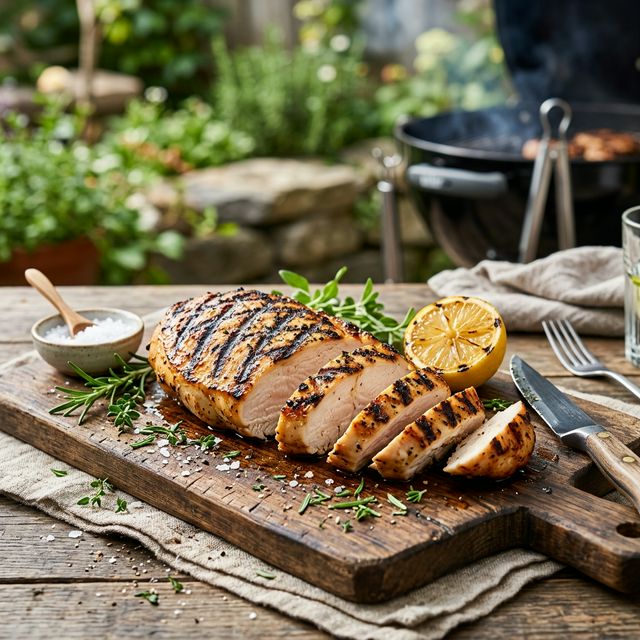
Perfect Grilled Chicken Breast
A simple saltwater brine keeps these grilled chicken breasts juicy. Smoked paprika rub, 12 minutes on the grill, pull at 160°F. Weeknight-ready.
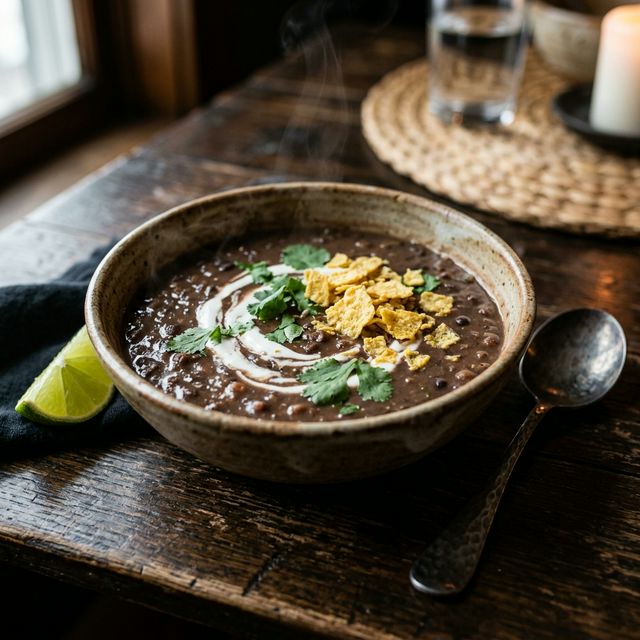
One-Pot Smoky Black Bean Soup
A thick, smoky black bean soup made in one Dutch oven in 30 minutes. Partial blending gives it a creamy-chunky texture. Great for weeknights and meal prep.
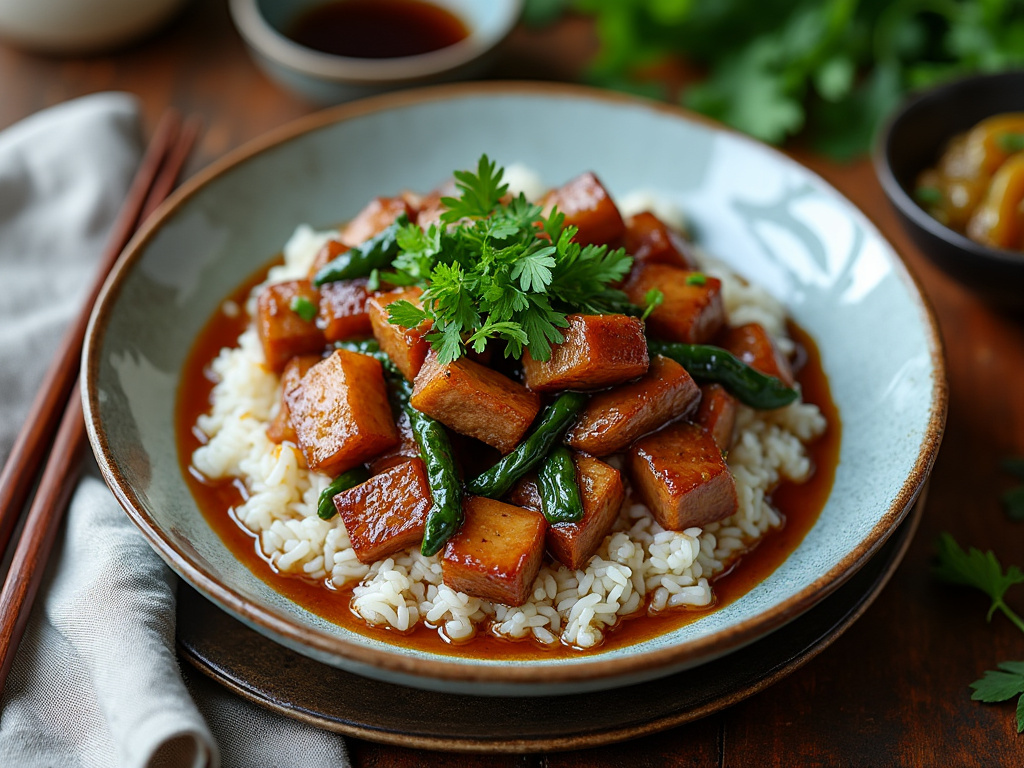
Taiwanese Braised Pork Rice (Lu Rou Fan) with Pickled Mustard Greens
Meltingly tender soy-braised pork belly over steamed rice with pickled mustard greens — a Taiwanese comfort food classic ready in 90 minutes.