Perfect Grilled Chicken Breast
A simple saltwater brine keeps these grilled chicken breasts juicy. Smoked paprika rub, 12 minutes on the grill, pull at 160°F. Weeknight-ready.
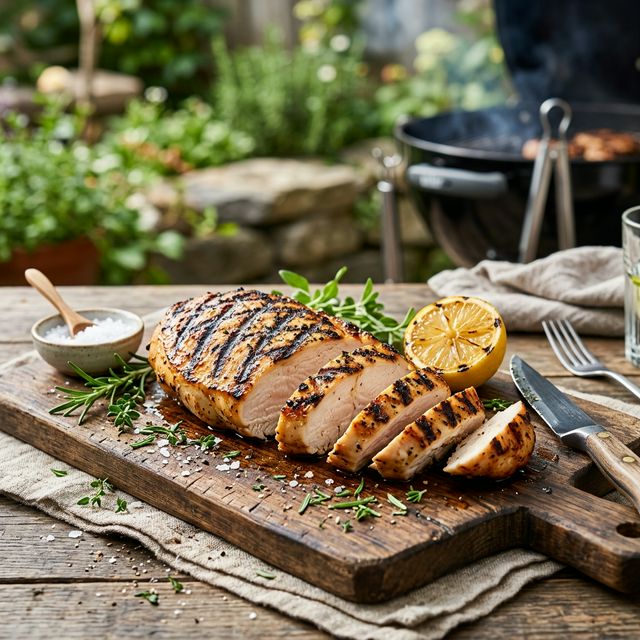
Boneless, skinless chicken breasts have a reputation for turning into dry, flavorless slabs on the grill — and that reputation is usually earned. The fix is a simple saltwater brine. Even 30 minutes in a 3-tablespoon kosher salt solution restructures the proteins enough to hold moisture through direct heat, and patting the chicken completely dry afterward is what gets you a proper sear instead of steam. The spice rub here — smoked paprika, garlic powder, onion powder, black pepper — builds a lightly caramelized crust at 400–450°F without scorching. The result is chicken that's actually juicy, with a smoky, savory exterior and enough flavor to work sliced over a salad or straight off the grate at a weeknight dinner. Pull it at 160°F internal and let it rest five minutes; carryover cooking finishes the job. If your grill runs hot and the exterior is charring before the inside is done, move the chicken to an indirect zone and close the lid.
Ingredients
- ▸ 4 boneless, skinless chicken breasts
- ▸ 4 cups water
- ▸ 3 tbsp kosher salt (for brine)
- ▸ 2 tbsp olive oil
- ▸ 1 tsp garlic powder
- ▸ 1 tsp smoked paprika
- ▸ 1/2 tsp onion powder
- ▸ 1/2 tsp black pepper
🛒 Links may earn us a small commission at no cost to you.
Recommended Gear
🛒 We may earn a small commission at no extra cost to you. We only recommend gear we'd use ourselves.
Instructions
Brine
- 1. Dissolve salt in water. Submerge chicken breasts. Refrigerate 30 minutes to 2 hours.
- 2. Remove, rinse briefly, and pat very dry with paper towels.
Season and Grill
- 1. Rub chicken with olive oil. Season with garlic powder, paprika, onion powder, and pepper.
- 2. Preheat grill to medium-high (400-450°F).
- 3. Grill 5-6 minutes per side. Do NOT press down on the chicken.
- 4. Remove when internal temperature reaches 160°F. Rest 5 minutes (carryover will bring it to 165°F).
Cook's Notes
- Use a instant-read thermometer like a Thermapen or ThermoPop — guessing doneness by touch or timing alone is how you end up with dry chicken or an undercooked center.
- If your grill has hot spots (most do), rotate the chicken 90 degrees halfway through each side for even cooking and better grill marks.
- Smoked paprika, not sweet or hot paprika — the smokiness is doing real work in this rub and the substitution will noticeably change the flavor.
- Let the grill preheat fully before the chicken goes on. A cold grate means the chicken sticks and tears when you try to flip it.
Pro Tips
- → If the chicken sticks when you try to flip it at the 5-minute mark, give it another 60–90 seconds. Properly seared chicken releases on its own — forcing it pulls the crust off.
- → Pound breasts to an even thickness before brining if they're large or tapered. A 1-inch even thickness is the target; anything thicker than that will take longer and risk a scorched exterior before the center reaches 160°F.
- → After patting dry, let the seasoned chicken sit on a wire rack at room temperature for 10 minutes before it hits the grill. Cold meat straight from the refrigerator drops grate temperature and extends cook time unevenly.
- → If a breast is coming up to temperature too slowly and the outside is getting dark, move it to an indirect heat zone, close the lid, and let indirect heat finish it to 160°F — usually 3–4 additional minutes.
- → Oil the chicken, not the grill grate. Brushing oil onto a hot grate burns off before the chicken even makes contact. Coating the protein directly is what prevents sticking and encourages browning.
- → Resting isn't optional. Cutting into the chicken immediately after pulling it from heat causes the juices to run out onto the cutting board. Five minutes is enough for a breast this size — use that time to plate your sides.
What to Serve With This
Grilled corn on the cob is the obvious move here, and it's obvious for good reason — the char and sweetness cut through the savory paprika crust cleanly. Brush ears with butter and grill them alongside the chicken during the last 5–6 minutes. A simple cucumber and red onion salad dressed with red wine vinegar and olive oil works for the same reason: the acid balances the richness of the olive oil rub.
For something more substantial, serve with roasted baby potatoes or a farro salad tossed with cherry tomatoes and herbs. Both hold up well if you're meal-prepping and eating the chicken over a few days, since neither gets soggy sitting next to the protein.
On the drink side, a chilled Albariño or an unoaked Chardonnay mirrors the smoky, lightly charred notes without overwhelming them. If you want beer, go with a Czech-style Pilsner — crisp, not too bitter, won't fight the smoked paprika. For a non-alcoholic option, sparkling water with a squeeze of lemon or a lightly sweetened iced tea with mint keeps the palate clean between bites.
Warm pita or a sliced baguette rounds things out if you're feeding a crowd and want to stretch the meal. The chicken slices well and works directly in a sandwich build with some arugula and a smear of Dijon.
Variations & Substitutions
This recipe is naturally gluten-free and dairy-free as written — nothing to swap there. If you're cooking for someone avoiding oil, you can skip the olive oil rub, but know that the spices won't adhere as well and you'll get less crust development. A thin coat of plain Greek yogurt is a functional substitute that also adds a slight tang and helps the surface char evenly.
For a regional flavor shift, swap the smoked paprika and onion powder for 1 teaspoon of ground cumin, 1/2 teaspoon of coriander, and a pinch of cayenne. That profile skews toward a Yucatán-style adobo and works well sliced into tacos with pickled jalapeños and cabbage slaw. Alternatively, use 1 teaspoon of dried oregano, 1/2 teaspoon of lemon zest, and the garlic powder for a Greek-leaning version that pairs with tzatziki.
Scaling up is straightforward — double or triple the brine (keeping the 3-tablespoon-per-4-cups water ratio) and brine in a large zip-top bag or a deep baking dish. Don't stack the breasts; they need full submersion. Grill time stays the same per piece, but work in batches if your grill surface is crowded. Overcrowding drops the grate temperature and you'll lose the sear.
For a vegetarian substitute, thick-cut cauliflower steaks or portobello caps take the same brine-and-season approach well. Use the same spice ratios and grill portobellos 4 minutes per side, cauliflower 6–7 minutes per side.
Frequently Asked Questions
How long can I store leftover grilled chicken? ▼
Refrigerate in an airtight container for up to 4 days. Slice it before storing if you plan to use it in salads or wraps — it'll be easier to portion cold than to cut a whole breast.
What's the best way to reheat this without drying it out? ▼
Add sliced chicken to a covered skillet with 2 tablespoons of water or chicken broth over medium-low heat for 3–4 minutes. The steam keeps it from drying out. The microwave works in a pinch — cover loosely and reheat in 30-second bursts.
Can I brine the chicken overnight? ▼
Two hours is the upper limit recommended here. Beyond that, the texture starts to turn slightly mushy from over-brining. If you want to prep ahead, brine for 30–60 minutes, then pat dry, season, and refrigerate uncovered overnight — the dry surface will actually improve your crust the next day.
Can I freeze the cooked chicken? ▼
Yes. Cool completely, slice or leave whole, and freeze in a zip-top bag with as much air removed as possible for up to 2 months. Thaw overnight in the refrigerator before reheating.
Can I use a grill pan instead of an outdoor grill? ▼
A cast-iron grill pan on high heat works fine. Preheat it for at least 3 minutes before the chicken goes in — it should smoke slightly when the chicken hits the surface. Cook times stay roughly the same, but ventilate your kitchen.
Do I have to rinse the chicken after brining? ▼
A brief rinse removes surface salt that would otherwise make the exterior too salty. Don't skip it, and don't skip patting dry after — moisture on the surface steams instead of sears.
Can I use table salt instead of kosher salt for the brine? ▼
You can, but table salt is denser — use half the amount (about 1.5 tablespoons) to avoid over-salting. Diamond Crystal and Morton kosher salts also differ in density, so if using Morton, reduce to 2 tablespoons.
My chicken is thick on one end and thin on the other — what do I do? ▼
Pound the thick end lightly with a meat mallet or the flat side of a heavy pan until the breast is an even thickness throughout, about 3/4 to 1 inch. Uneven thickness means one part will be overcooked before the other hits 160°F.
Why shouldn't I press down on the chicken while it grills? ▼
Pressing squeezes out the juices the brine worked to retain. Let it sit undisturbed and you'll see clean grill marks and hear a consistent sizzle. If it's sticking, it's not ready to flip yet.
Can I make this recipe for a crowd of 8 or 12? ▼
Scale the brine proportionally and grill in batches rather than crowding the grate. Finished chicken holds well loosely tented with foil for up to 20 minutes — the resting period is built in, so you have flexibility to finish multiple batches before serving.
Enjoyed this recipe?
Daily Home Cookery is self-funded. If something you cooked here made dinner a little better, a coffee keeps the kitchen running.
☕ Buy me a coffeeYou Might Also Like
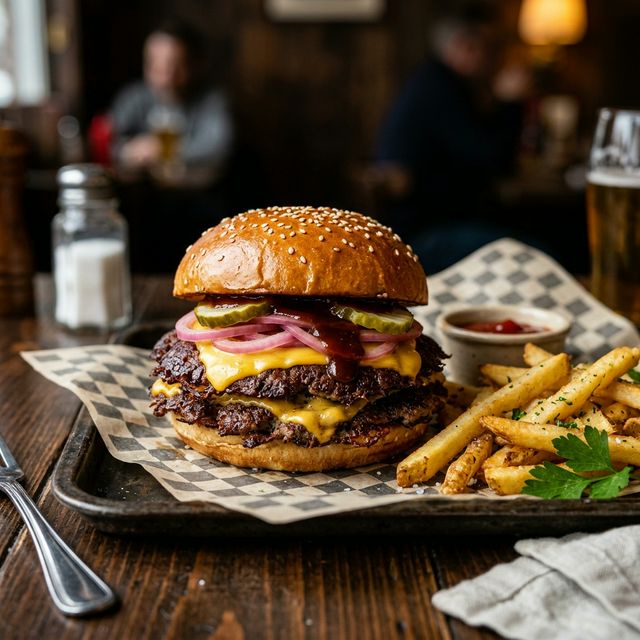
BBQ Smash Burgers
Crispy-edged smash burgers with sharp cheddar, BBQ sauce, and tangy quick-pickled onions — ready in 20 minutes on a cast iron skillet.
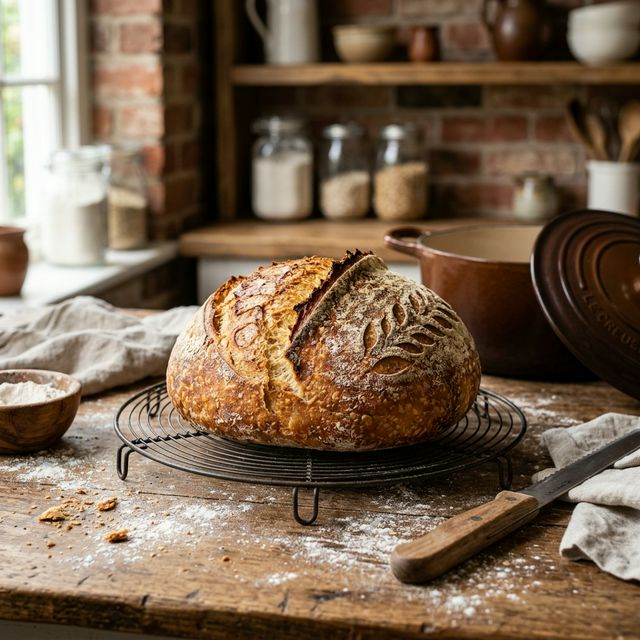
No-Knead Dutch Oven Bread
Crusty, chewy Dutch oven bread with just flour, salt, yeast, and water. Mix it the night before — no kneading, no fuss. Step-by-step with troubleshooting tips.
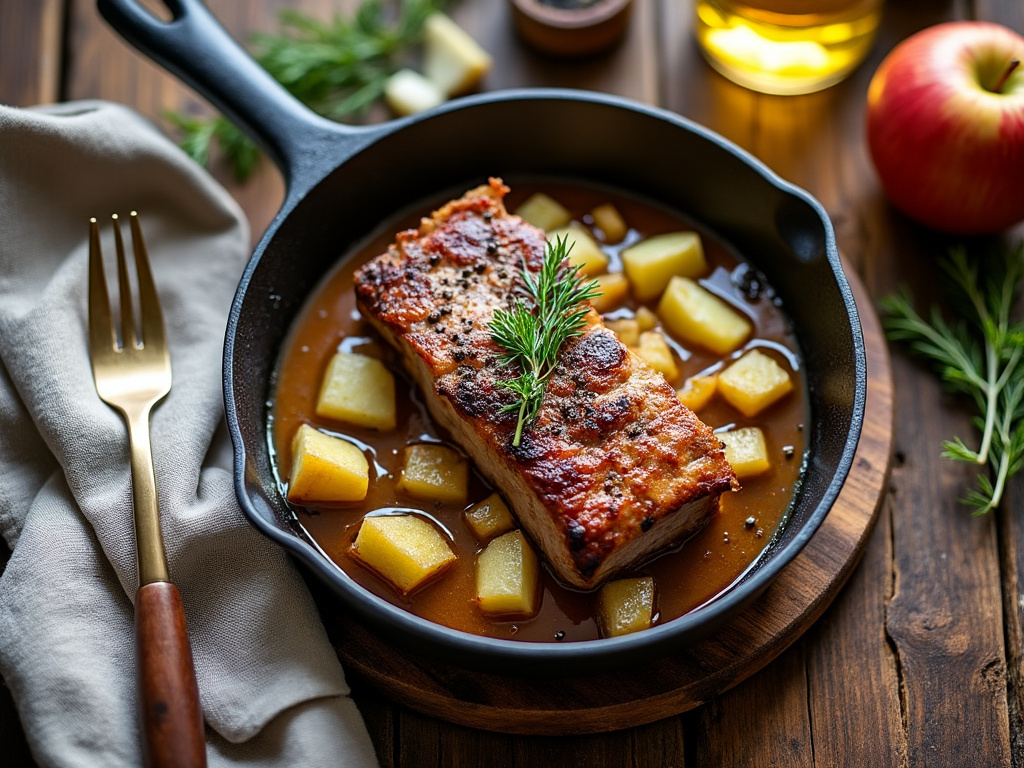
Cider-Braised Pork Shoulder with Fennel and Apple
Tender braised pork shoulder slow-cooked in hard cider with fennel and apple. A hands-off Sunday dinner with incredible pan sauce.