Charred Corn and Poblano Green Chile Enchiladas with Tomatillo Cream Sauce
Charred corn and poblano enchiladas smothered in a tangy tomatillo cream sauce. A vegetarian weeknight dinner that delivers real depth.
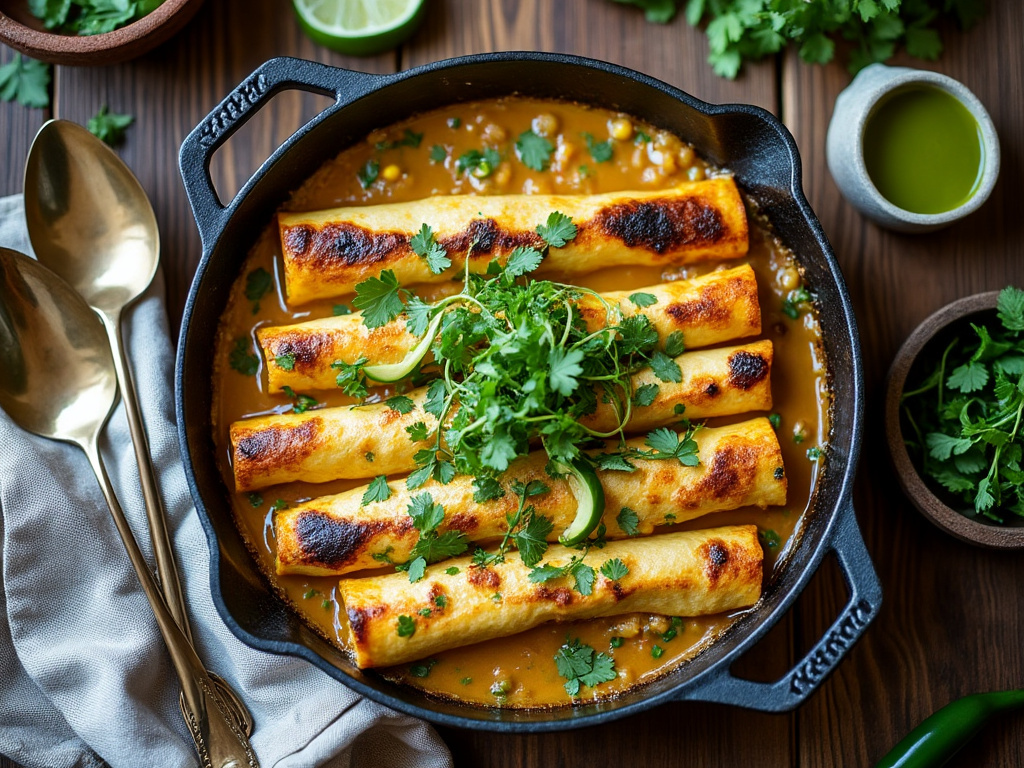
Enchiladas made with a jarred red sauce and pre-shredded cheese are fine — but they're not this. The filling here is built around charred corn and roasted poblanos, two ingredients that go from bland to smoky-sweet the moment they hit dry heat. The tomatillo cream sauce is the anchor: a blend of charred tomatillos, garlic, and Mexican crema that's bright, tangy, and rich without being heavy. It takes about 15 minutes to pull together and replaces anything you'd reach for from a can.
Expect a filling that's substantive enough to feel like a full meal — corn and black beans give it bulk, while Monterey Jack melts into a pull-apart layer under the sauce. This feeds four comfortably on a weeknight with almost no cleanup if you use the same skillet to char, sauté, and finish. If your tomatillo sauce looks too thick before baking, thin it with two tablespoons of water — it should pour like a loose gravy, not sit like a paste.
Ingredients
- ▸ 2 cups fresh or thawed frozen corn kernels (from about 3 ears)
- ▸ 3 medium poblano peppers
- ▸ 1 tbsp neutral oil (such as avocado or vegetable oil) for filling
- ▸ 1/2 medium yellow onion, diced (about 3/4 cup)
- ▸ 3 garlic cloves, minced
- ▸ 1 tsp ground cumin
- ▸ 1/2 tsp garlic powder
- ▸ 1/2 tsp Diamond Crystal kosher salt, plus more to taste
- ▸ 1/4 tsp black pepper
- ▸ 1 can (15 oz) black beans, drained and rinsed
- ▸ 2 tbsp fresh lime juice (from 1-2 limes)
- ▸ 12 small (6-inch) corn tortillas
- ▸ 2 cups shredded Monterey Jack cheese, divided
- ▸ 1.5 lbs fresh tomatillos, husked and rinsed (about 12-14 medium)
- ▸ 1 jalapeño pepper
- ▸ 4 garlic cloves, unpeeled (for sauce)
- ▸ 1/2 cup Mexican crema
- ▸ 1/2 cup low-sodium vegetable broth
- ▸ 1/4 cup fresh cilantro leaves, packed
- ▸ 1 tsp sugar
- ▸ 1 tsp Diamond Crystal kosher salt (for sauce)
- ▸ 1 tbsp neutral oil (for sauce)
- ▸ 1/4 cup Mexican crema for serving
- ▸ 2 tbsp fresh cilantro leaves for garnish
- ▸ 1/4 medium white onion, finely diced for garnish
🛒 Links may earn us a small commission at no cost to you.
Recommended Gear
🛒 We may earn a small commission at no extra cost to you. We only recommend gear we'd use ourselves.
Instructions
Char the Poblanos and Corn
- 1. Set your oven broiler to high and position a rack 6 inches from the element. Place the poblanos directly on the rimmed sheet pan and broil for 12-15 minutes, turning with tongs every 4-5 minutes, until the skin is blistered black all over and the peppers are collapsed and soft. You should hear them hissing and smell a sweet-smoky char. Transfer to a bowl, cover tightly with plastic wrap, and let steam for 10 minutes.
- 2. While the poblanos steam, heat the cast iron skillet over high heat until smoking — about 2 minutes dry. Add the corn kernels in a single layer (no oil) and press down with a spatula. Cook undisturbed for 3-4 minutes until deeply charred and golden on the bottom. Stir once, cook 1-2 minutes more, then transfer to a bowl. The kernels should smell nutty and sweet with visible dark spots.
- 3. Peel and discard the charred skin from the cooled poblanos. Remove the stem and seeds, then dice the flesh into roughly 1/2-inch pieces. Set aside with the charred corn.
Make the Tomatillo Cream Sauce
- 1. Line the sheet pan with foil. Arrange the tomatillos, jalapeño, and unpeeled garlic cloves on the pan. Broil on high for 8-10 minutes, turning once at the 5-minute mark, until the tomatillos are blackened in spots, split open, and pooling liquid. The jalapeño should be blistered all over. Remove from broiler and let cool 5 minutes.
- 2. Squeeze the roasted garlic cloves out of their skins directly into the blender. Add the tomatillos and all their juices, jalapeño (stem removed, seeds optional for heat level), crema, vegetable broth, cilantro, sugar, and kosher salt. Blend on high for 30-45 seconds until completely smooth and pale green. Taste and adjust salt — the sauce should be bright, tangy, and creamy with a good hit of acidity.
- 3. Heat 1 tablespoon of neutral oil in the skillet over medium heat. Pour the blended sauce into the skillet and cook, stirring often, for 4-5 minutes until it deepens slightly in color and thickens just enough to coat the back of a spoon. You'll hear it bubbling actively. Remove from heat.
Build the Filling
- 1. In the same skillet (wiped clean), heat 1 tablespoon of oil over medium heat. Add the diced onion and cook for 4-5 minutes, stirring occasionally, until translucent and just starting to turn golden at the edges. Add the minced garlic, cumin, garlic powder, salt, and pepper. Stir constantly for 60 seconds — the garlic should turn fragrant and slightly golden, not brown.
- 2. Add the charred corn, diced poblanos, and black beans to the skillet. Stir to combine and cook for 2-3 minutes until everything is heated through and the flavors have melded. Add the lime juice, stir once more, then remove from heat. Taste for salt. The filling should be savory, smoky, and bright — not wet or soupy.
Assemble and Bake
- 1. Preheat the oven to 375°F. Spread about 1/2 cup of the tomatillo cream sauce across the bottom of the 9x13-inch baking dish in a thin, even layer.
- 2. Warm the corn tortillas: wrap them in a damp paper towel and microwave for 45-60 seconds until pliable and steaming. Work with 3-4 at a time and keep the rest covered. Lay a warm tortilla flat, add about 3 tablespoons of filling down the center, and sprinkle with 1 heaping tablespoon of Monterey Jack. Roll tightly and place seam-side down in the baking dish. Repeat with remaining tortillas — you'll fit 12 snugly in the dish in two rows.
- 3. Pour the remaining tomatillo cream sauce evenly over the rolled enchiladas, making sure the ends are covered. Scatter the remaining 1 cup of Monterey Jack evenly over the top. Cover the dish tightly with foil.
- 4. Bake covered at 375°F for 20 minutes, then remove the foil and bake uncovered for another 12-15 minutes until the cheese is bubbling and beginning to brown in spots at the edges. The sauce should be visibly bubbling around the sides of the dish. Let rest 5 minutes before serving.
Garnish and Serve
- 1. Drizzle the reserved 1/4 cup of Mexican crema over the top in thin lines. Scatter the fresh cilantro leaves and finely diced white onion over everything. Serve immediately while the cheese is still pulling.
Cook's Notes
- Char the corn in a completely dry, ripping-hot pan — any oil will steam the kernels instead of blackening them, and you'll lose the nutty, smoky depth the dish depends on.
- Don't skip the 10-minute steam on the poblanos after broiling; it loosens the skin so it peels cleanly in large pieces rather than tearing off in frustrating scraps.
- Warm your tortillas immediately before rolling — even five minutes of cooling makes them brittle enough to crack mid-roll.
- The assembled dish can be refrigerated overnight without the sauce; pour it on right before baking to prevent soggy tortillas.
- This recipe makes about 2.5 cups of tomatillo cream sauce — if you have leftovers after coating the enchiladas, serve the extra warm on the side for dipping.
Pro Tips
- → If your tomatillo sauce tastes too tart straight out of the blender, don't add more crema — it'll make the sauce heavy. Add the 1 teaspoon of sugar and a small pinch of salt instead; it rounds out the acid without muting the brightness.
- → The sauce will look thin when you first blend it, but it thickens noticeably during the 4-5 minute skillet cook — if you skip that step and pour raw blended sauce over the enchiladas, it'll be watery after baking.
- → If the cheese on top is browning too fast before the 12-minute uncovered bake is done, loosely tent the dish with foil and reduce oven to 350°F for the remaining time; the sides of the dish need that uncovered time to bubble and caramelize.
- → Corn tortillas vary significantly by brand in how pliable they get when warmed. Mission brand tears more easily than thicker regional brands — if yours are cracking even after warming, heat each one for 20 seconds in a dry skillet with a tiny smear of oil, which adds just enough fat to give them flexibility.
- → For cleaner presentation, use a thin, offset spatula to lift enchiladas out of the baking dish — a regular spoon tears the tortillas. Slide it under the rolled seam, not the top.
- → If the filling seems underseasoned after combining all components, add salt before rolling — not after baking. Salt added post-bake sits on the surface and tastes sharp rather than integrated.
What to Serve With This
A cold Mexican lager — Modelo Especial or Pacifico — cuts through the richness of the cream sauce without competing with the tomatillo's tang. If you want something with a bit more character, a dry, mineral-forward Grüner Veltliner from Austria does the same job with more elegance. The peppery note in the wine actually echoes the poblano in the filling.
On the side, keep it simple: a quick-dressed shredded cabbage slaw with lime juice, a pinch of salt, and a drizzle of neutral oil. The crunch and acidity balance the soft, saucy enchiladas and reset your palate between bites. Avoid anything creamy on the side — the dish already has crema baked in.
Warm, lightly charred flour tortillas on the side work if people want to scoop up extra sauce, but corn tortillas feel redundant since they're already the vehicle. A small pot of refried pinto beans — either homemade or a good canned brand like Señor Rico — rounds out the plate with earthy depth without overwhelming the vegetable-forward filling.
For a non-alcoholic option, a agua fresca made with fresh pineapple, lime juice, and a pinch of chili salt is genuinely good here. The sweetness of the pineapple mirrors the charred corn, and the acid cuts through the sauce in exactly the right way.
Variations & Substitutions
For a chicken version, shred two poached or rotisserie chicken breasts and fold them directly into the corn-poblano filling at the mixing stage — use about 1.5 cups of shredded chicken and reduce the black beans to 1/2 cup to keep the ratio balanced. Season the chicken with the same cumin and garlic powder used in the base filling so it integrates rather than reads as an afterthought.
To make this fully dairy-free, swap the Mexican crema for full-fat coconut cream (not coconut milk — too thin) in a 1:1 ratio in the tomatillo sauce, and skip the Monterey Jack in favor of a 1/4 cup of nutritional yeast stirred into the filling for a savory, cheesy note. The sauce will be slightly sweeter, so add an extra tablespoon of lime juice to compensate. The baked texture won't be identical, but it's still deeply satisfying.
For a smoky chipotle variation, blend one canned chipotle pepper in adobo into the tomatillo sauce before pouring it over the enchiladas. This shifts the flavor profile from bright and tangy to deeply smoky with heat. Reduce the poblanos to one (or substitute a green bell pepper if heat-sensitive) to avoid the dish tilting too spicy.
Scaling up for a crowd: this recipe doubles cleanly into a 9x13-inch baking dish. Use 16 tortillas total and make the tomatillo sauce in a full batch — multiply all sauce ingredients by 1.75, not 2, since the larger pan surface doesn't need as much extra coverage. Add 5 minutes to the covered bake time and check for bubbling before uncovering.
Frequently Asked Questions
Can I make the tomatillo cream sauce ahead of time? ▼
Yes — the sauce keeps well in the refrigerator for up to 4 days in an airtight container. Reheat it gently in a small saucepan over low heat, stirring occasionally, before using. If it thickens up too much after refrigerating, whisk in 1-2 tablespoons of water until it's pourable again.
Can I assemble the enchiladas ahead of time and bake later? ▼
You can assemble the filled, rolled enchiladas in the baking dish up to 24 hours ahead and refrigerate them covered without the sauce. Pour the tomatillo cream sauce over right before baking — adding it too early causes the tortillas to get soggy and fall apart in the dish. Add 5 extra minutes to the covered bake time if baking straight from cold.
How do I store and reheat leftovers? ▼
Store leftovers covered tightly in the baking dish or in an airtight container for up to 3 days in the refrigerator. Reheat in a 350°F oven covered with foil for about 15-20 minutes until warmed through — microwaving works in a pinch but softens the tortillas further. Add a spoonful of fresh crema over the top after reheating to bring some brightness back.
Can I freeze these enchiladas? ▼
Freeze the assembled, unbaked enchiladas without the sauce — the crema in the tomatillo sauce doesn't freeze cleanly and will separate on reheating. Wrap the dish tightly in plastic and then foil and freeze for up to 2 months. Make a fresh batch of sauce on the day you bake, thaw the enchiladas in the fridge overnight, then pour sauce and bake as directed, adding 10 minutes to the covered bake time.
My corn tortillas keep cracking and splitting when I roll them. What am I doing wrong? ▼
Cold or dry corn tortillas crack immediately — they need to be warmed before rolling. Wrap them in a damp paper towel and microwave in 30-second bursts, or heat them one by one directly on a dry skillet over medium heat for 20-30 seconds per side until pliable. Work fast once they're warm; they stiffen as they cool.
Can I use flour tortillas instead of corn? ▼
You can, but the dish loses some of its characteristic flavor and texture — corn tortillas have an earthy, slightly mineral quality that complements the tomatillo sauce. If you use flour tortillas, go with small 6-inch ones and expect a softer, more pasta-like final texture. The bake time stays the same, though the dish won't need the foil as long since flour tortillas don't need to steam to stay tender.
Can I use canned tomatillos instead of fresh? ▼
Yes — one 28-ounce can of whole tomatillos, drained well, substitutes for 1.5 pounds of fresh. Skip the broiling step for the tomatillos specifically (you still char the garlic and jalapeño on the skillet), and blend directly. The sauce will be slightly less bright in flavor, so add an extra teaspoon of lime juice at the end to compensate.
Is this recipe spicy? ▼
Moderately, but the heat is manageable. Poblanos are mild — closer to a bell pepper than a jalapeño — and the one jalapeño in the sauce gives background warmth rather than front-and-center heat. For a milder version, remove the jalapeño seeds and ribs before charring, or omit the jalapeño entirely. For more heat, add a second jalapeño or blend in half a serrano pepper.
What if I don't have a broiler for charring the tomatillos? ▼
Use a dry cast iron skillet or grill pan over high heat. Place the tomatillos, garlic, and jalapeño directly in the dry pan and cook for 4-6 minutes per side, pressing lightly, until blackened in spots and softened. It takes a few extra minutes compared to the broiler but gives a similar result — you want the tomatillos collapsing and slightly blistered.
Can I make this recipe vegan? ▼
Yes, with two swaps: replace the Mexican crema in the sauce with full-fat coconut cream (use the solid part from a chilled can) in a 1:1 ratio, and omit the Monterey Jack or use a vegan melting cheese like Violife's Mexican-style shreds. Add 1/4 cup of nutritional yeast to the filling for a savory depth that partially replaces the cheese. The sauce will read slightly sweeter, so adjust with extra lime juice.
Enjoyed this recipe?
Daily Home Cookery is self-funded. If something you cooked here made dinner a little better, a coffee keeps the kitchen running.
☕ Buy me a coffeeYou Might Also Like
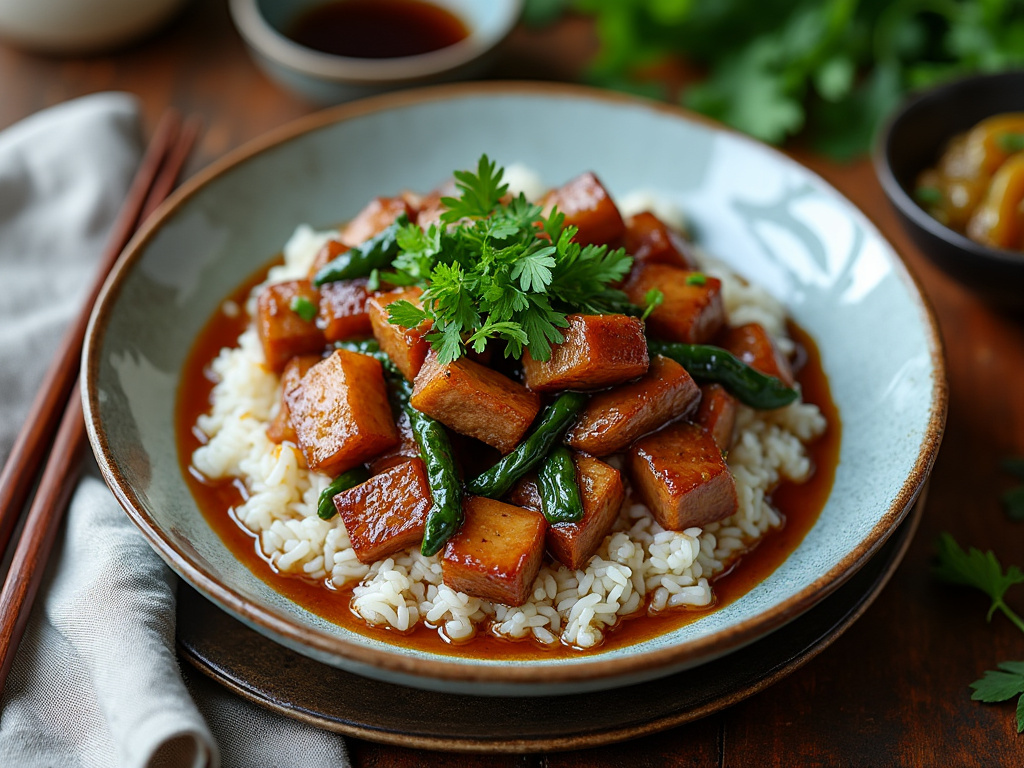
Taiwanese Braised Pork Rice (Lu Rou Fan) with Pickled Mustard Greens
Meltingly tender soy-braised pork belly over steamed rice with pickled mustard greens — a Taiwanese comfort food classic ready in 90 minutes.
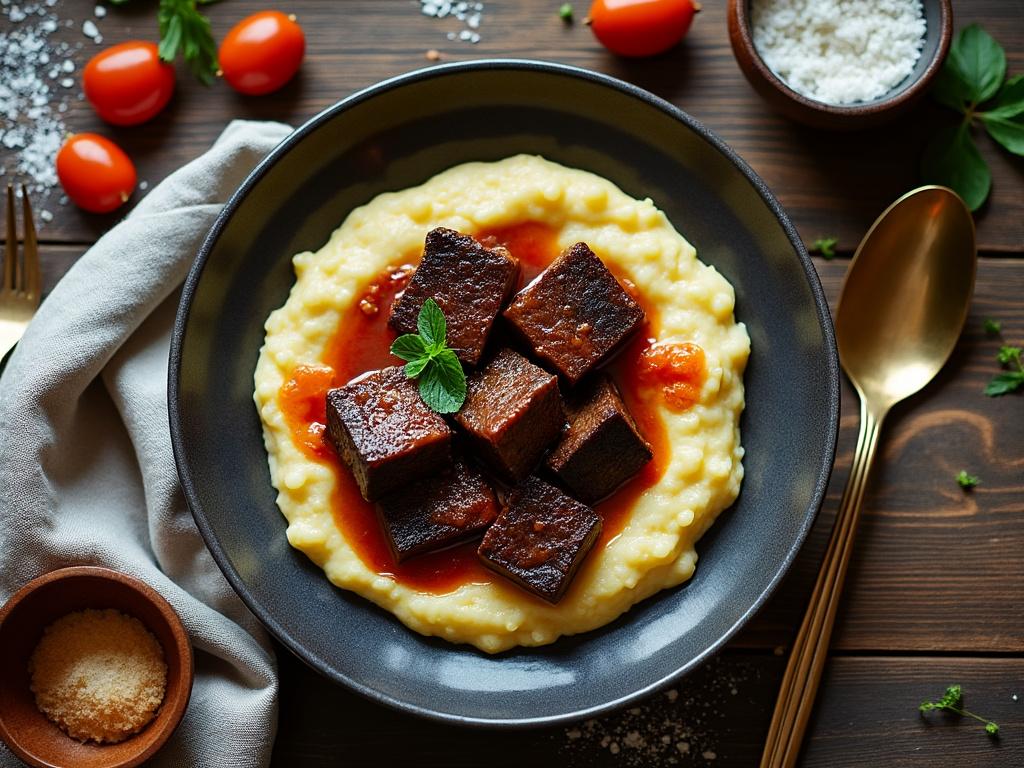
Smoked Paprika Braised Short Ribs with Creamy Polenta
Fall-off-the-bone braised beef short ribs with smoked paprika, red wine, and silky Parmesan polenta. A proper weekend dinner worth every minute.
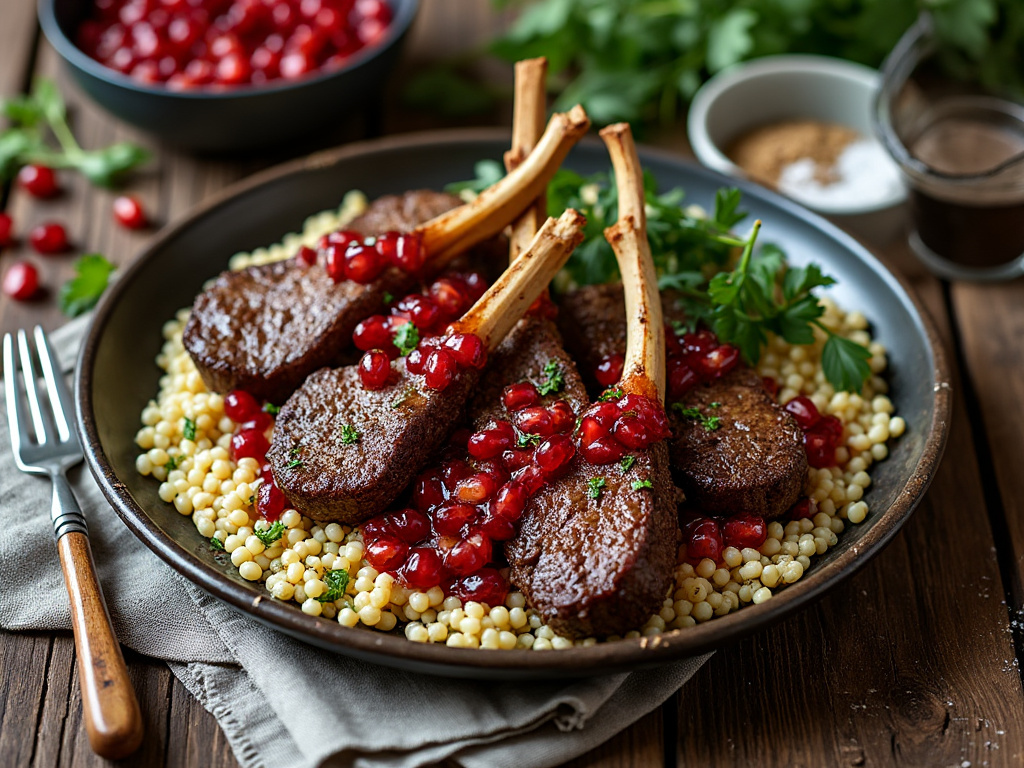
Cumin-Spiced Lamb Chops with Pomegranate Walnut Sauce and Herbed Couscous
Seared lamb loin chops with a tangy pomegranate-walnut pan sauce and fluffy herbed couscous. Ready in under an hour.