Crispy Skin Branzino with Brown Butter Capers, White Beans, and Wilted Escarole
Pan-seared branzino with crackling skin, nutty brown butter capers, creamy white beans, and wilted escarole — weeknight-ready in 45 minutes.
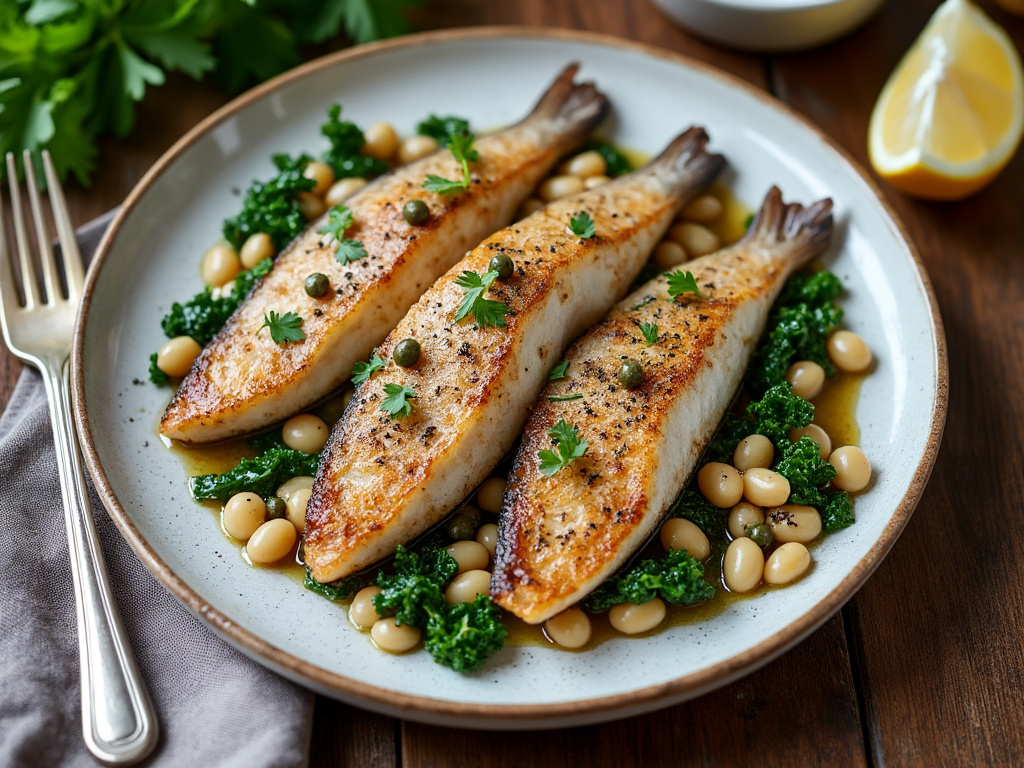
Branzino is one of the most forgiving fish you can cook in a skillet — the skin crisps reliably, the flesh stays moist, and the whole thing is done in under ten minutes per fillet. The real work here is the pan sauce: brown the butter until it smells like hazelnuts, add capers that pop and sizzle, and you have a sauce that does double duty — it finishes the beans and wilts the escarole in the same pan.
This is a weeknight dinner that reads as dinner-party-worthy. The escarole turns silky with a faint bitterness that cuts straight through the richness of the butter. White beans add substance without weight. If your fillets are sticking when you try to flip them, they're not ready — leave them another 30 seconds and they'll release cleanly. Serve immediately; crispy skin waits for no one.
Ingredients
- ▸ 4 whole branzino fillets, skin-on (about 6 oz each)
- ▸ 1.5 tsp Diamond Crystal kosher salt, divided
- ▸ 0.5 tsp freshly ground black pepper
- ▸ 2 tbsp neutral oil (avocado or grapeseed)
- ▸ 4 tbsp Kerrygold unsalted butter, divided
- ▸ 3 tbsp capers, drained and patted dry
- ▸ 4 garlic cloves, thinly sliced
- ▸ 1 can (15 oz) cannellini beans, drained and rinsed
- ▸ 0.5 cup dry white wine (Pinot Grigio or Vermentino)
- ▸ 0.25 tsp crushed red pepper flakes
- ▸ 1 small head escarole (about 10 oz), torn into large pieces
- ▸ 2 tbsp fresh lemon juice (about 1 large lemon)
- ▸ 1 tsp lemon zest
- ▸ 2 tbsp flat-leaf parsley, roughly chopped
- ▸ 1 tbsp extra-virgin olive oil, for finishing
🛒 Links may earn us a small commission at no cost to you.
Recommended Gear
🛒 We may earn a small commission at no extra cost to you. We only recommend gear we'd use ourselves.
Instructions
Prep
- 1. Pat the branzino fillets completely dry with paper towels — press firmly on both sides. Moisture is the enemy of crispy skin. Season the skin side with 1 tsp Diamond Crystal kosher salt and the flesh side with the remaining 0.5 tsp salt and black pepper. Let the fillets sit uncovered at room temperature for 10 minutes while you prep the other ingredients.
- 2. Slice the garlic, drain and pat the capers dry (wet capers splatter violently in hot butter), tear the escarole into large pieces, and zest and juice the lemon. Set each component aside in small bowls so the cooking moves fast.
Sear the Branzino
- 1. Heat the neutral oil in a 12-inch stainless or carbon steel skillet over medium-high heat until the oil shimmers and a drop of water flicked in pops immediately — about 2 minutes. Lay the fillets skin-side down in the pan. Press each one firmly with a fish spatula for 10 seconds to prevent curling.
- 2. Cook undisturbed until the skin is deep golden and the flesh has turned opaque about two-thirds of the way up the side — 4 to 5 minutes. Do not rush this. If the fillet resists the spatula, it's not ready. Flip, cook flesh-side down for 60 to 90 seconds until just cooked through — the flesh should flake with gentle pressure. Transfer to a warm plate, skin-side up, and tent loosely with foil.
Brown Butter and Caper Sauce
- 1. Reduce heat to medium. Add 2 tbsp butter to the same skillet. Swirl constantly until the foam subsides and the butter turns amber and smells distinctly nutty — about 2 minutes. Watch closely; it goes from brown to burnt in 15 seconds.
- 2. Add the dry capers. They'll hiss and spit — stand back slightly. Cook, stirring, until the capers have opened and crisped slightly, about 90 seconds. Add the sliced garlic and cook until just golden at the edges and fragrant, about 1 minute.
- 3. Pour in the white wine. It will steam aggressively — scrape up any browned bits on the pan bottom with a wooden spoon. Cook until the wine is reduced by half and smells less sharp, about 2 minutes.
Beans and Escarole
- 1. Add the remaining 2 tbsp butter, crushed red pepper flakes, and the cannellini beans. Stir to coat in the sauce. Cook until the beans are warmed through and beginning to absorb the pan liquid, about 2 minutes — they should be glossy, not soupy.
- 2. Add the torn escarole in two batches, turning with tongs. Cook until wilted and deep green, about 2 to 3 minutes total. It will reduce dramatically — that's expected. The escarole should be tender but still have a slight bite.
- 3. Remove the pan from heat. Stir in the lemon juice, lemon zest, and parsley. Taste and adjust salt. The sauce should taste bright and nutty with a clean acidity.
Plate and Serve
- 1. Divide the bean and escarole mixture among four shallow bowls or wide plates. Lay a branzino fillet skin-side up over each portion. Drizzle the remaining pan sauce over everything and finish with a thin drizzle of extra-virgin olive oil. Serve immediately — the skin loses its crunch within a few minutes.
Cook's Notes
- Dry skin is non-negotiable: even 10 minutes of air-drying on a paper towel-lined plate makes a measurable difference in crispiness compared with cooking straight from the package.
- Escarole can be swapped for lacinato kale (add 1 minute extra cook time) or baby spinach (add it off heat — it only needs 30 seconds).
- Use a stainless or carbon steel pan, not nonstick — you need the fond (browned bits) that builds up during searing to flavor the butter sauce.
- If you can't find branzino, skin-on sea bass or red snapper fillets work at the same thickness; trout works well too but cooks about 1 minute faster per side.
- This dish doesn't hold well — plan to eat it within 5 minutes of plating. Make the bean and escarole component up to an hour ahead and reheat gently while the fish cooks.
Pro Tips
- → The single biggest failure mode is a cold, wet fillet hitting the pan — the skin steams instead of crisps. Room temperature, bone-dry fish is the baseline; skip either step and you'll get pale, chewy skin.
- → If your fillet has a thick belly flap that curls away from the pan, fold it under itself and press it flat with the spatula for the first 30 seconds — it will stay put once it sets.
- → Brown butter moves fast near the end; pull it off heat the moment you see the first amber color and the hazelnut smell hits. Residual heat in the pan will carry it the rest of the way.
- → Patting capers dry isn't optional — wet capers hitting hot butter cause violent spattering and can lower the pan temperature enough to prevent the capers from crisping.
- → If the white wine sauce looks broken and greasy (fat pooling separately from liquid), add a splash — about 2 tbsp — of cold water or chicken stock and swirl off heat. The emulsion will come back together.
- → For bone-in whole branzino (if your fish counter has them), score the skin with 3 diagonal cuts before seasoning — this prevents the skin from tightening and buckling during searing, and the presentation is dramatic at a dinner party.
What to Serve With This
A crisp, mineral-driven white wine is the natural match here. Vermentino from Sardinia (look for Sella & Mosca Vermentino di Sardegna) has the salinity and citrus lift to mirror the lemon-caper sauce without competing with the brown butter richness. Alternatively, a Muscadet Sèvre et Maine sur Lie from the Loire Valley — aged on its lees for yeasty depth — echoes the nuttiness of the brown butter and holds up to the escarole's bitterness.
For beer, a dry Belgian saison (Dupont Saison is the standard) works surprisingly well — its peppery carbonation cuts the butter and its light fruity notes don't overwhelm the delicate fish. Avoid IPAs; the bitterness clashes with capers.
On the side, a simple grilled or toasted sourdough is all you need — something to drag through the pan sauce pooling at the bottom of the bowl. If you want a second vegetable, roasted asparagus or broccolini with just olive oil and salt won't fight the main. A lightly dressed frisée salad with a sherry vinegar vinaigrette adds crunch and a contrasting sharpness that cleanses the palate between bites.
For a non-alcoholic option, sparkling water with a squeeze of blood orange and a slice of cucumber is light enough to not dull the flavors, and the carbonation does the same palate-cleansing job as the wine.
Variations & Substitutions
For a dairy-free version, replace all butter with a good-quality extra-virgin olive oil. You won't get the nutty brown butter flavor, but the caper-garlic-white wine base is still excellent on its own. Use 3 tbsp olive oil total for the sauce — add it in one go after the capers have crisped, and deglaze immediately with wine.
To make this gluten-free, no changes are needed — the recipe is naturally gluten-free as written. Just confirm your capers aren't packed with any added starch (most aren't, but check the label if you're cooking for someone with celiac).
For a richer, more cold-weather version, swap the white beans for butter beans and add 0.25 cup heavy cream to the sauce after the wine reduces. The cream rounds out the acidity and turns the whole dish more indulgent. This variant pairs better with a full-bodied white like white Burgundy or oaked Chardonnay.
To scale for two people, use two fillets and halve all sauce ingredients, but keep the pan size the same — a full 12-inch skillet gives you the surface area needed for proper searing. Crowding two fillets into a smaller pan traps steam and kills the skin. For six people, sear the fish in two batches (hold the first batch in a 200°F oven on a wire rack while the second sears), then make the sauce once in a single large batch.
Frequently Asked Questions
Can I use frozen branzino fillets? ▼
Yes, but thaw them overnight in the refrigerator — never under warm water, which partially cooks the outer flesh. After thawing, pat them extremely dry with paper towels and let them air-dry uncovered in the fridge for 30 minutes before cooking. Frozen-thawed fish releases more moisture than fresh, so extra drying time is essential for crispy skin.
How do I know when the branzino is fully cooked? ▼
The clearest visual cue is opacity: the flesh should have changed from translucent to opaque about three-quarters of the way up the side before you flip it. After flipping, press gently with a finger — if it flakes with light pressure and feels firm rather than squishy, it's done. Branzino is a thin fillet; it typically overcooks before people realize it, so err on the side of pulling it 30 seconds early.
Can I make the bean and escarole base ahead of time? ▼
Yes — you can make the entire bean and escarole component up to 2 hours ahead and reheat it gently in the skillet with a splash of water or white wine over medium-low heat until warmed through, about 3 minutes. Cook the fish fresh to order, plate it over the reheated base. Do not reheat the fish; it will dry out and the skin will not re-crisp.
What if I can't find escarole? ▼
Lacinato (Tuscan) kale is the closest substitute — tear it off the stems and add it at the same stage, cooking about 1 minute longer. Curly endive also works and maintains a pleasant bitterness. Baby spinach is the easiest swap: add it completely off heat, stir for 30 seconds, and it's done. Avoid regular iceberg or romaine — they don't hold up to heat.
My skin stuck to the pan and tore. What went wrong? ▼
Three likely causes: the pan wasn't hot enough before the fish went in, the fish was too wet, or you tried to flip too early. Branzino skin releases from a properly preheated stainless pan on its own when it's ready — if it pulls back, leave it another 30 to 45 seconds. A fish spatula (thin, flexible blade) is also much better than a standard spatula for this; a thick-edged spatula tends to tear the skin as it slides under.
Can I use a nonstick pan instead of stainless or carbon steel? ▼
You can, and the fish will release easily — but you'll sacrifice two things: the depth of the crispy skin (nonstick pans don't generate the same searing heat safely) and the fond that flavors the butter sauce. If a nonstick pan is all you have, use it for the fish and make the sauce in a separate small stainless saucepan. It still works; it's just a different workflow.
How do I store and reheat leftovers? ▼
Store the fish and the bean-escarole base separately in airtight containers in the refrigerator for up to 2 days. Reheat the bean base gently in a skillet over medium-low heat. The fish is best eaten cold (flaked over a salad or in a sandwich) rather than reheated — reheated fish in a microwave becomes rubbery and loses all the textural contrast that makes this dish work.
Is this recipe suitable for someone who doesn't like fishy-tasting fish? ▼
Branzino is one of the mildest, least "fishy" white fish available — it's often recommended as a gateway fish for people who are hesitant. The brown butter, capers, lemon, and garlic are all assertive enough that they lead the flavor; the fish is more of a clean, delicate base. If someone is still uncertain, sea bass or red snapper have a similarly mild profile.
Can I add a starch to make this more filling? ▼
Yes — serve the bean and escarole base over a shallow pool of creamy polenta or alongside a slice of toasted sourdough to drag through the sauce. Orzo cooked al dente and stirred into the bean base before plating also works well and keeps the dish in one bowl. If you go the pasta route, reduce the beans to half a can and add 1 cup cooked orzo.
Can this be doubled for a larger dinner party? ▼
Double the sauce and bean components — those scale without issue. For the fish, sear in two separate batches rather than crowding the pan; overcrowding drops the pan temperature and creates steam instead of a sear. Hold the first batch on a wire rack in a 200°F oven (skin-side up) for up to 10 minutes while the second batch cooks, then serve all at once.
Enjoyed this recipe?
Daily Home Cookery is self-funded. If something you cooked here made dinner a little better, a coffee keeps the kitchen running.
☕ Buy me a coffeeYou Might Also Like
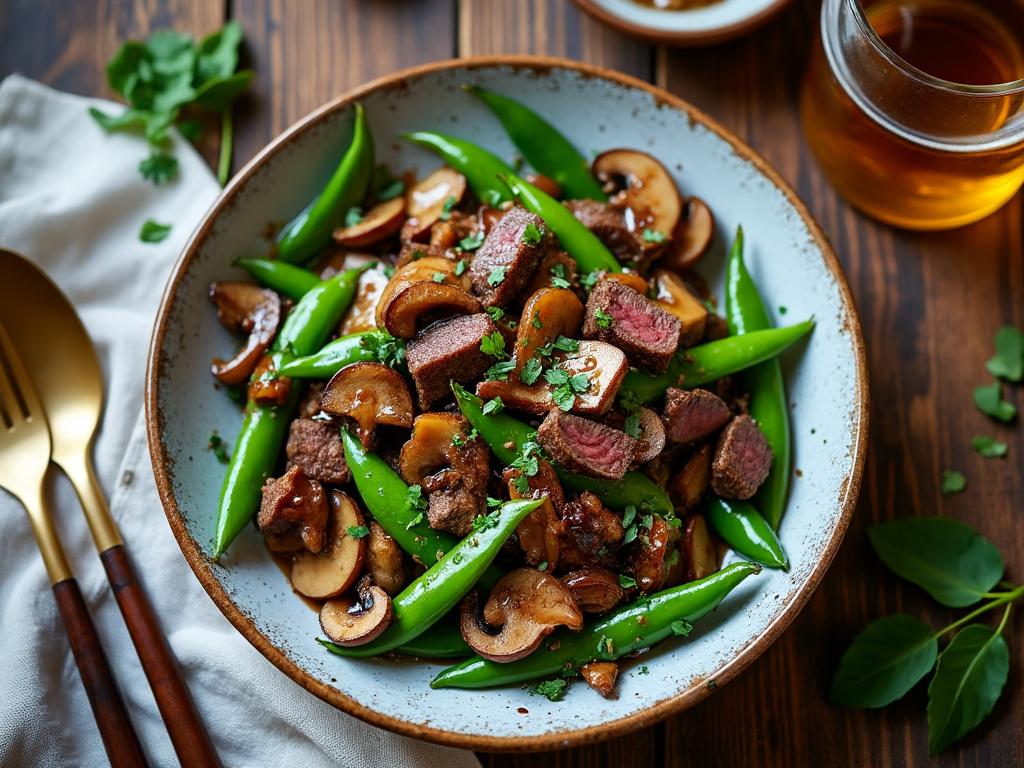
Soy-Ginger Beef Stir-Fry with Snap Peas and Mushrooms
Tender seared beef sirloin, crisp snap peas, and cremini mushrooms tossed in a soy-ginger sauce. Ready in 27 minutes — one wok, weeknight-fast.
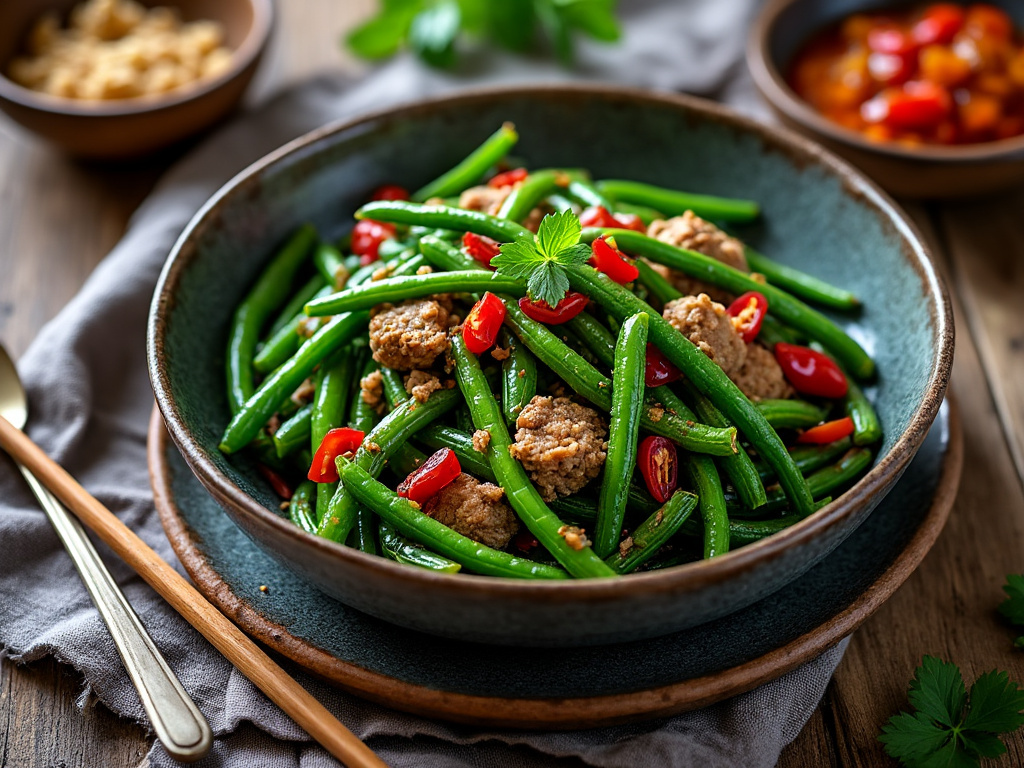
Szechuan Dry-Fried Green Beans with Ground Pork and Pickled Chilies
Blistered green beans, savory ground pork, and pickled chilies in a numbing Szechuan sauce. Ready in 35 minutes, better than takeout.

Skillet Pork Chops with Apple-Cider Pan Sauce
Bone-in pork chops seared golden, finished in a tangy apple-cider Dijon pan sauce. Ready in 30 minutes with one skillet.