Fluffy Scrambled Eggs with Chives
Low-heat scrambled eggs made with butter, heavy cream, and fresh chives. Technique-driven recipe for soft, glossy curds every time.
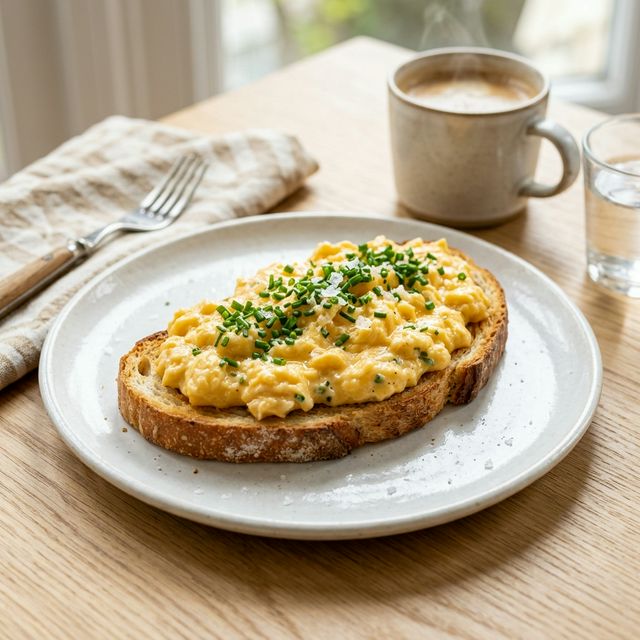
Scrambled eggs are one of those dishes where technique matters more than ingredients — and most people cook them too fast. The key here is sustained low heat and pulling the pan off the burner while the eggs still look underdone. That 80%-set moment is not a suggestion: carryover heat does the rest, and the difference between glossy-soft and rubbery-dry is about 30 seconds of impatience.
The heavy cream slows the protein set slightly and adds richness without making things dense. Fresh chives bring a mild onion note that doesn't compete. Flaky salt — Maldon works well — added at the end gives occasional bursts of seasoning rather than uniform saltiness. These eggs are a weekday breakfast worth slowing down for, and they're equally at home on a brunch spread alongside smoked salmon and toast. If your eggs look pale and watery at the 4-minute mark, your heat is too low — nudge it up slightly and keep moving them.
Ingredients
- ▸ 4 large eggs
- ▸ 2 tbsp butter
- ▸ 2 tbsp heavy cream
- ▸ 1 tbsp fresh chives, snipped
- ▸ Pinch of flaky sea salt
- ▸ Freshly ground black pepper
🛒 Links may earn us a small commission at no cost to you.
Recommended Gear
🛒 We may earn a small commission at no extra cost to you. We only recommend gear we'd use ourselves.
Instructions
Scramble
- 1. Crack eggs into a bowl. Add cream. Whisk until completely uniform — no streaks of white.
- 2. Heat butter in a non-stick skillet over low heat until just foaming.
- 3. Pour in the eggs. Wait 30 seconds, then gently push eggs from edge to center with a rubber spatula.
- 4. Continue pushing gently every 20 seconds. When eggs are 80% set but still glossy and slightly wet, remove from heat.
- 5. The residual heat will finish cooking them. Top with chives, flaky salt, and pepper.
Cook's Notes
- Use a rubber or silicone spatula, not a wooden spoon — the flexible edge lets you sweep the entire pan bottom cleanly with each push.
- Flaky sea salt added after cooking gives better texture than kosher or fine salt stirred in beforehand, which can draw out moisture.
- Have your toast ready before you start cooking the eggs — once you pour them into the pan, you don't have time to look away.
- Room temperature eggs cook more evenly than cold eggs straight from the fridge; if you have 10 extra minutes, set them out.
Pro Tips
- → If the butter starts to brown before you add the eggs, your heat is already too high — wipe out the pan, reduce the burner, and start again with fresh butter. Brown butter flavor doesn't belong here.
- → The 30-second wait after pouring in the eggs before you touch them is important: it lets the bottom just begin to set so your first push creates actual curds instead of liquid smearing around the pan.
- → Push from the outer edge to the center in slow, deliberate strokes — frantic stirring breaks curds into tiny pieces. Larger, fewer strokes give you soft folds rather than fine grain.
- → If you overshoot and eggs look fully set in the pan, immediately transfer them to a cold plate to stop cooking. They're past optimal, but you can prevent them from going further.
- → Whisking until completely uniform — no visible egg white streaks — is non-negotiable. Unwhisked whites cook into rubbery white patches surrounded by softer yolk-heavy sections.
- → Don't salt the eggs before they go into the pan. Salt draws out moisture from the proteins and can make the final texture slightly weepy; season at the table with flaky salt instead.
What to Serve With This
Toast is the obvious move, and it earns its place here. A thick slice of sourdough or a toasted English muffin gives you something to drag through the soft curds. The slight tang of sourdough specifically plays well against the richness of the cream and butter — a plain white sandwich loaf is too neutral and goes soggy fast.
For a more substantial plate, serve alongside roasted cherry tomatoes (burst them in the same pan after the eggs come off) or thin-sliced smoked salmon. Both add acidity and cut through the fat. Avocado on the side works too — halved, salted, with a squeeze of lemon.
On the drinks side, a bright, acidic coffee like a pour-over or light-roast espresso drink balances the richness without overpowering it. For a weekend brunch with drinks, a classic mimosa works — the orange acidity lifts the eggs — or a light, dry sparkling wine like a Cava or Crémant d'Alsace if you want something drier. Avoid anything heavily tannic.
Fresh orange juice or grapefruit juice are strong non-alcoholic options. Both cut through fat well and bring enough brightness to reset your palate between bites.
Variations & Substitutions
To make this dairy-free, swap the butter for a neutral-flavored vegan butter (Miyoko's holds up well in a hot pan) and replace the heavy cream with full-fat oat milk or unsweetened coconut cream — not coconut milk from a can, which is too thin. The texture will be slightly less rich but still soft and custardy if you keep the heat low.
For a flavor shift, replace the chives with finely chopped tarragon and a teaspoon of Dijon mustard whisked into the eggs — this gives a French bistro profile. Alternatively, add a pinch of smoked paprika and swap chives for scallions for something with a little more warmth. A tablespoon of crumbled goat cheese folded in during the last 30 seconds of cooking adds tang and makes the eggs noticeably creamier.
This recipe is already gluten-free as written. No swaps needed.
Scaling up works, but don't try to cook more than 6 eggs at once in a standard 10-inch skillet — the volume increases faster than the pan can handle, and you lose the gentle, even heat that makes these work. For 8 servings, use two pans simultaneously rather than doubling into one. Keep the cream ratio at 1 tablespoon per 2 eggs.
Frequently Asked Questions
Can I make scrambled eggs ahead of time? ▼
Scrambled eggs don't hold well — the texture degrades quickly as they continue cooking in their own residual heat. If you're serving a crowd, pull them off heat even earlier than the recipe states (around 70% set) and serve immediately. Anything held in a warming tray or covered dish will be overcooked within 10 minutes.
How do I store and reheat leftovers? ▼
Store cooled leftover scrambled eggs in an airtight container in the fridge for up to 2 days. Reheat gently in a non-stick pan over low heat with a small knob of butter, stirring constantly — the microwave turns them rubbery unless you go in 15-second bursts at 50% power. They won't be as soft as fresh, but they're serviceable.
Can you freeze scrambled eggs? ▼
Technically yes, but the texture suffers significantly — they become watery and grainy after thawing. For a dish this quick to make, freezing isn't worth it. Cook fresh when possible.
Can I use milk instead of heavy cream? ▼
Whole milk works as a substitute at the same ratio — 2 tablespoons. The eggs will be slightly less rich and may set a little faster, so watch them closely. Skim or low-fat milk isn't worth using; the lower fat content doesn't add much and the texture becomes watery.
What if I don't have a non-stick skillet? ▼
A well-seasoned cast iron or carbon steel pan works, but requires more butter and even lower heat to prevent sticking. Stainless steel is difficult for scrambled eggs at low heat — you'll spend more time dealing with sticking than cooking the eggs. If that's all you have, add an extra teaspoon of butter and keep the heat very low.
My eggs turned out watery. What went wrong? ▼
Watery scrambled eggs usually mean the heat was too low for too long, or you added too much liquid. Stick to the 1 tablespoon of cream per 2 eggs ratio and make sure the butter is actively foaming before you pour in the eggs — that's your signal the pan is hot enough to start.
My eggs turned out rubbery. What went wrong? ▼
Rubbery eggs mean they were overcooked, almost always from too-high heat or leaving them in the pan too long. Pull them off the burner when they still look slightly underdone and wet — they'll finish from residual heat. Once they're fully set in the pan, it's already too late.
Can I use dried chives instead of fresh? ▼
You can, but dried chives are significantly less flavorful and lack the fresh, grassy note that makes this recipe work. If that's what you have, use 1 teaspoon of dried chives in place of 1 tablespoon fresh and add them to the eggs before cooking rather than as a topping.
How do I scale this recipe for two people? ▼
Halve everything: 2 eggs, 1 tablespoon butter, 1 tablespoon cream. Use an 8-inch skillet so the egg layer isn't too thin, which would cause it to cook too fast. Cook time will be slightly shorter — watch for the same visual cues rather than timing.
Enjoyed this recipe?
Daily Home Cookery is self-funded. If something you cooked here made dinner a little better, a coffee keeps the kitchen running.
☕ Buy me a coffeeYou Might Also Like
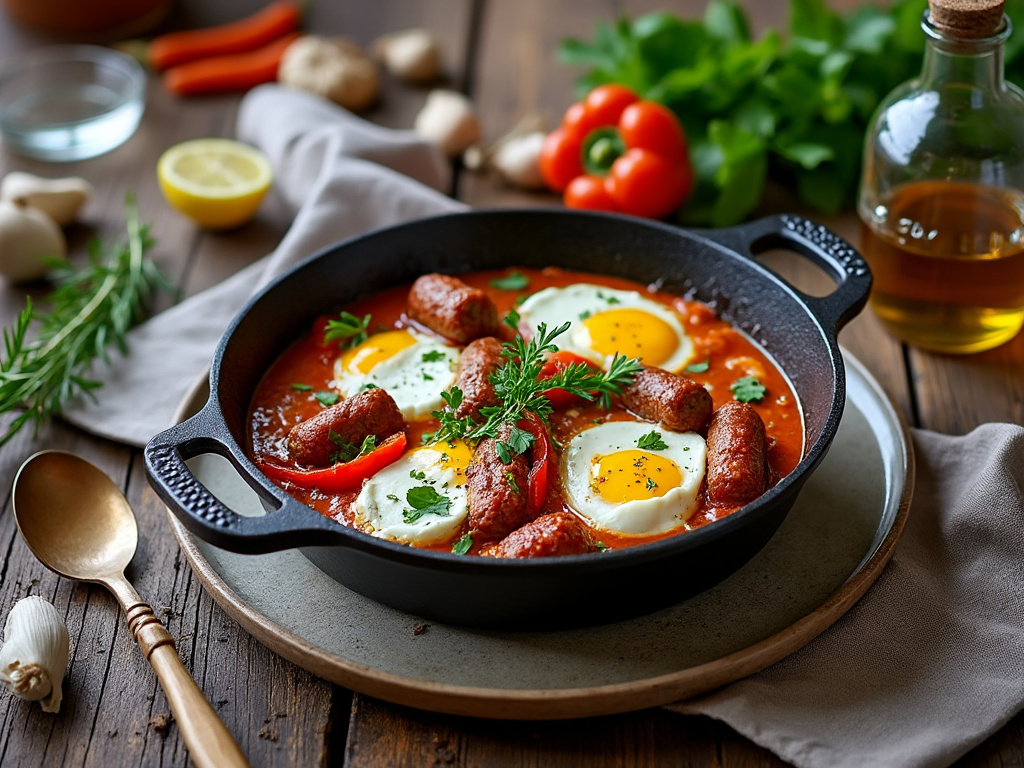
Tunisian Shakshuka with Merguez and Feta
Spiced tomato sauce, crumbled merguez sausage, and soft-set eggs topped with feta. A bold one-skillet breakfast ready in 45 minutes.
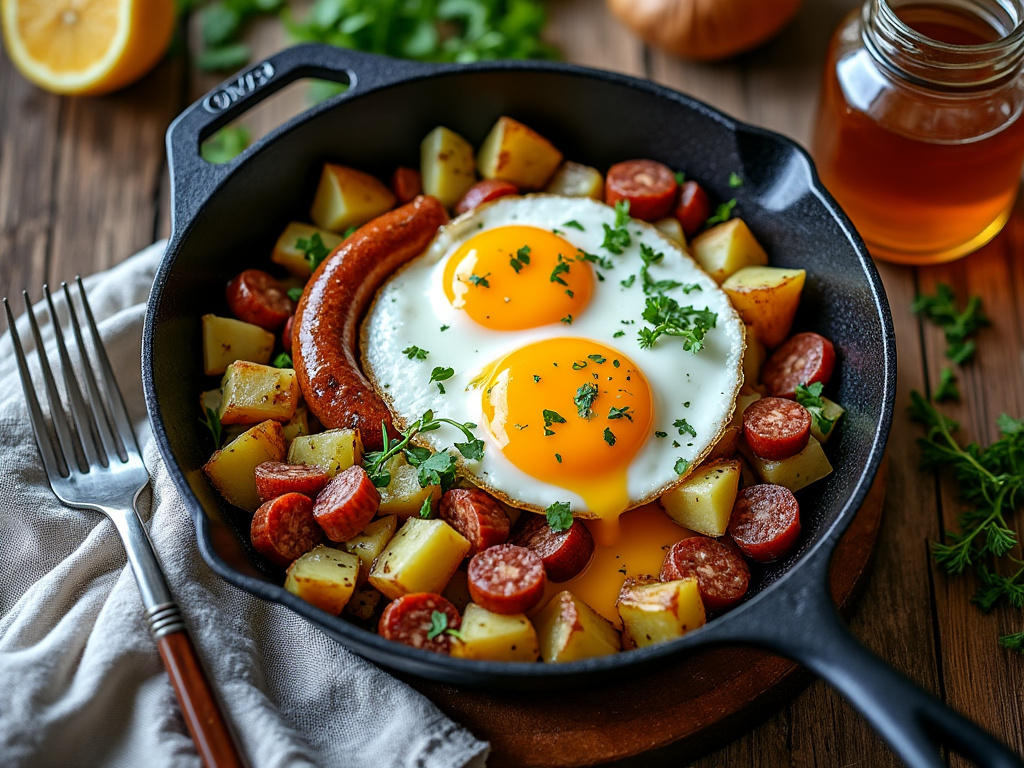
Crispy Cabbage and Andouille Hash with Fried Eggs and Hot Honey
Smoky andouille, caramelized cabbage, and crispy potatoes topped with fried eggs and hot honey. A fast, savory skillet breakfast worth waking up for.
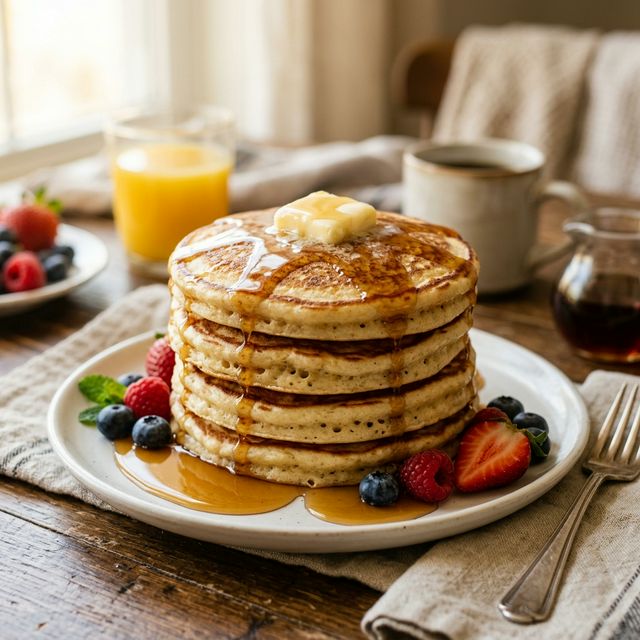
Classic Buttermilk Pancakes
Tender, golden buttermilk pancakes with a crisp edge and open crumb. Undermix the batter, rest it 5 minutes, and cook on medium heat.