Miso-Glazed Black Cod with Sesame Cucumber Slaw and Steamed Rice
Broiled miso-glazed black cod with a crisp sesame cucumber slaw. A 35-minute dinner that tastes like serious effort.
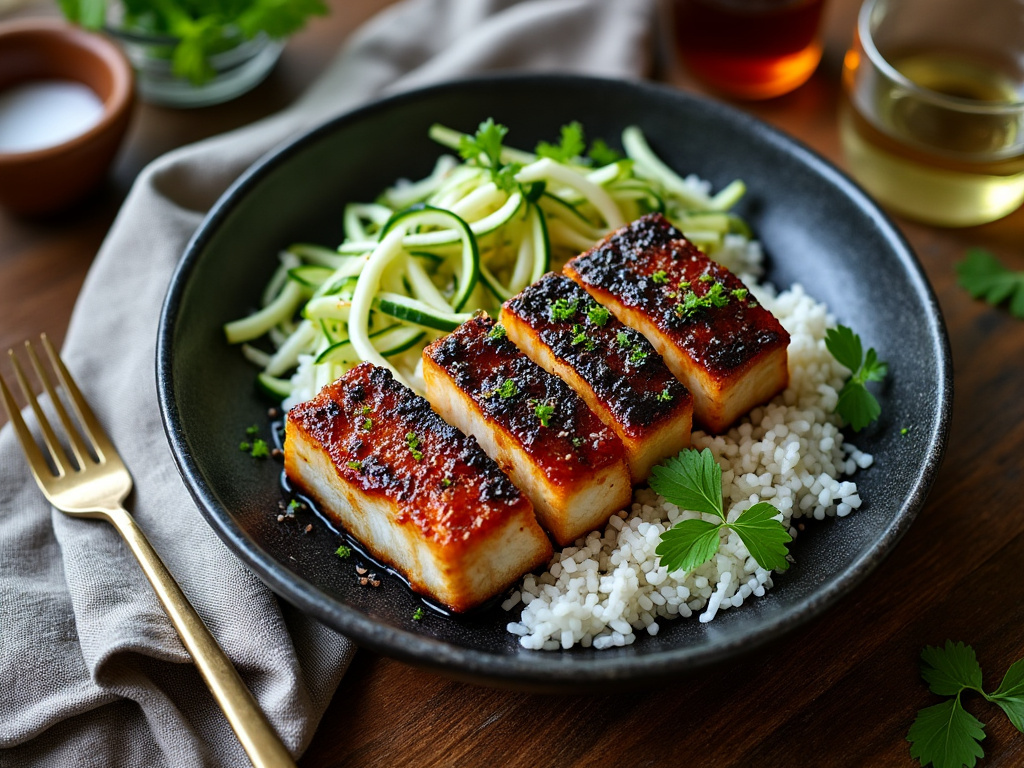
Black cod — also sold as sablefish — has a fat content closer to salmon than most white fish, which means it can take an aggressive broiler without drying out. That richness is exactly what makes it the right canvas for a salty-sweet miso glaze: the sugars caramelize into a lacquered, almost amber crust while the interior stays silky and barely set.
The glaze is a classic Nobu-style ratio — white miso, mirin, and sake reduced with sugar — but the whole thing comes together in one small saucepan in under five minutes. You marinate the fish for at least an hour (overnight is better), then broil for 10-12 minutes total. No flipping, no fuss. The sesame cucumber slaw adds crunch and acid to cut through the rich fish. Serve this on a weeknight when you want something that feels deliberate without requiring two hours of work. If your broiler runs hot and the glaze darkens too fast, drop the rack one position lower and cover loosely with foil for the last two minutes.
Ingredients
- ▸ 4 black cod fillets (about 6 oz each, skin-on)
- ▸ 4 tbsp white miso paste
- ▸ 3 tbsp mirin
- ▸ 3 tbsp sake
- ▸ 2 tbsp granulated sugar
- ▸ 1 tbsp neutral oil (such as grapeseed or avocado oil)
- ▸ 2 English cucumbers
- ▸ 1 tsp Diamond Crystal kosher salt
- ▸ 2 tbsp rice vinegar
- ▸ 1 tbsp toasted sesame oil
- ▸ 1 tbsp soy sauce
- ▸ 1 tsp granulated sugar
- ▸ 1 tbsp toasted sesame seeds
- ▸ 3 scallions, thinly sliced on the bias
- ▸ 1 tsp fresh ginger, finely grated
- ▸ 1/4 tsp crushed red pepper flakes
- ▸ 2 cups short-grain white rice (such as Koshihikari)
- ▸ 2.5 cups water
- ▸ 1/2 tsp kosher salt (for rice)
🛒 Links may earn us a small commission at no cost to you.
Recommended Gear
🛒 We may earn a small commission at no extra cost to you. We only recommend gear we'd use ourselves.
Instructions
Make the Miso Glaze
- 1. Combine the white miso, mirin, sake, and sugar in a small saucepan over medium heat. Whisk constantly until the sugar dissolves and the glaze thickens slightly, about 3-4 minutes — it should coat the back of a spoon and smell nutty and lightly caramel-sweet. Remove from heat and let cool to room temperature.
- 2. Pat the black cod fillets completely dry with paper towels — moisture is the enemy of a lacquered crust. Coat each fillet generously on all sides with the cooled miso glaze, then place them in a zip-lock bag or a shallow baking dish. Marinate in the refrigerator for at least 1 hour, or up to 24 hours for deeper flavor.
Prep the Cucumber Slaw
- 1. Slice the cucumbers on a sharp diagonal into thin, 1/8-inch rounds — or use a mandoline set to 2mm for even thickness. Place them in a colander, toss with 1 tsp kosher salt, and let them drain for 15-20 minutes. You'll see water beading on the surface. Rinse briefly and pat dry with paper towels.
- 2. Whisk together the rice vinegar, toasted sesame oil, soy sauce, 1 tsp sugar, grated ginger, and red pepper flakes in a medium bowl until the sugar dissolves. Add the drained cucumbers and half the scallions, toss well to coat, and refrigerate until ready to serve. The slaw should smell sharp and bright, with a clean sesame note underneath.
Cook the Rice
- 1. Rinse the rice in a fine-mesh strainer under cold water until the water runs clear — about 45 seconds. This removes excess starch and prevents a gluey texture. Combine with 2.5 cups water and 1/2 tsp salt in a medium saucepan. Bring to a boil over high heat, then reduce to the lowest possible setting, cover tightly, and cook for 12 minutes. Remove from heat and let steam, lid still on, for 10 more minutes — do not lift the lid early.
Broil the Fish
- 1. Set your oven rack about 6 inches from the broiler element and preheat the broiler on high for at least 5 minutes. Line a rimmed half sheet pan with foil and place a lightly oiled wire rack on top — this lets heat circulate under the fish and prevents sticking.
- 2. Remove the fillets from the marinade and shake off any thick excess — you want a thin, even coat, not clumps. Place skin-side down on the prepared rack. The fillets should not touch each other.
- 3. Broil for 10-12 minutes without flipping. Watch closely after the 7-minute mark: the glaze will start bubbling, then transition from pale tan to a deep amber-mahogany. When the surface looks lacquered and slightly charred at the edges, and the flesh flakes easily at the thickest point (or reads 130-135°F on an instant-read thermometer), the fish is done.
Plate and Serve
- 1. Fluff the rice with a fork or rice paddle and divide among four bowls. Use a thin spatula to slide each cod fillet off the rack — the skin will likely stick, which is fine, just leave it behind if needed. Lay the fish over the rice, glaze-side up.
- 2. Pile the sesame cucumber slaw alongside the fish, scatter the remaining scallions and toasted sesame seeds over the top, and serve immediately while the glaze is still glossy and the fish is hot. The contrast of the warm, caramelized fish against the cold, crisp cucumber is the whole point of this dish.
Cook's Notes
- White miso varies significantly in saltiness between brands — taste your glaze before marinating. If it's very salty, add an extra 1/2 tsp of sugar to balance.
- Don't skip patting the fish dry before coating with glaze. Wet fish surfaces prevent the miso from adhering properly and lead to an uneven, steamed crust rather than a lacquered one.
- The glaze can be made up to one week ahead and stored in a sealed jar in the refrigerator. Bring it to room temperature and whisk before using — it stiffens when cold.
- If you can only find frozen black cod (common at Asian grocery stores), thaw it overnight in the refrigerator on a wire rack set over a plate to allow air circulation — this keeps the texture firm rather than waterlogged.
- The cucumber slaw is best eaten the same day. After 4+ hours, the cucumbers continue releasing water even after salting, which dilutes the dressing noticeably.
Pro Tips
- → The biggest failure mode with miso-glazed fish is a burnt, bitter crust with an undercooked center — this happens when the broiler rack is too close. Six inches from the element is the sweet spot; 4 inches will scorch the sugar before the fish cooks through.
- → Black cod fillets are often uneven in thickness. If one end is significantly thinner, fold it underneath the fillet before broiling — this gives you a more uniform cook without the tail end drying out.
- → If your glaze hasn't fully reduced during the first cook and looks thin, the fish will absorb it rather than wear it. Return the saucepan to medium heat for another 2-3 minutes until it visibly coats the spoon — then let it cool before coating the fish.
- → For the slaw dressing, grate the ginger on a microplane directly over the bowl rather than mincing it — you get the juice along with the pulp, which carries more flavor and blends into the dressing more evenly.
- → If the fish sticks to the wire rack when you try to lift it, let it sit for 30 seconds — the proteins relax slightly off heat and it will release more easily. Forcing it while still searingly hot tears the flesh.
- → Sake and mirin are worth buying for this recipe rather than substituting. Dry sherry is an acceptable sake swap in a pinch, but skip the 'cooking sake' sold in the international aisle — it's loaded with salt and will throw off the glaze balance.
What to Serve With This
Steamed short-grain rice is the obvious move here — it soaks up any glaze that pools in the pan and balances the salt of the miso. Use a Japanese-style rice like Koshihikari for the right sticky, slightly sweet texture. A drizzle of toasted sesame oil over the rice right before serving ties the bowl together.
For wine, go with a dry, unoaked white with some body. White Burgundy (a village-level Mâcon-Villages works perfectly) has the acidity to slice through the fat in the fish without competing with the miso's umami. If you prefer something closer to home, a Washington State Chenin Blanc does the same job. Avoid oaked Chardonnay — it fights the glaze.
Japanese lager — Sapporo or Asahi — is the easiest non-wine option. The clean bitterness scrubs the palate between bites without adding any competing flavor. For a non-alcoholic option, yuzu sparkling water or a cold hojicha (roasted green tea) over ice works beautifully — the slight bitterness of the tea mirrors the fermented depth of the miso.
Round out the plate with a small bowl of miso soup (use the same white miso you already have open) or a simple wakame salad dressed with rice vinegar, sesame oil, and a pinch of sugar. Either option echoes the Japanese flavor profile without redundancy.
Variations & Substitutions
For a dairy-free and gluten-free version, this recipe is already both — just confirm your miso is labeled gluten-free (many are, but some brands add barley). Tamari can replace any soy-adjacent ingredient if needed, though this recipe doesn't call for soy directly.
Salmon fillets (skin-on, about 6 oz each) are the most practical substitute if black cod is unavailable or out of budget. The fat content is similar enough that the glaze behaves the same way. Halibut works too, but it's leaner — reduce broil time by 2 minutes and watch it closely, as it can turn dry fast. For mahi-mahi, add 1 extra teaspoon of neutral oil to the glaze to compensate for the lower fat content.
For a vegetarian swap, use thick slabs of firm tofu (press them for 30 minutes first) or large portobello mushrooms, gill side up. The miso glaze works identically. Tofu will need 8-10 minutes under the broiler; portobellos take about 12 minutes and release liquid, so blot them dry before glazing.
Want more heat? Add 1 teaspoon of gochujang or 1/2 teaspoon of sambal oelek to the glaze when you cook it. It doesn't change the texture — just adds a low, building warmth that works particularly well with the cucumber slaw. Scale this recipe down to 2 portions easily by halving all glaze ingredients; the marinade ratio stays the same.
Frequently Asked Questions
Can I marinate the fish overnight? ▼
Yes, and it actually improves the result. An overnight marinade (up to 24 hours) gives the miso more time to penetrate the flesh, deepening the flavor and helping the glaze set more evenly under the broiler. Keep the fish tightly covered in the refrigerator and pat it dry with paper towels before broiling to remove excess marinade that could burn.
Where do I find black cod at the supermarket? ▼
Black cod is sold as sablefish at most well-stocked fish counters, Whole Foods, and Asian grocery stores. It's often in the freezer section at Costco as well, which is a great value buy. If your local store doesn't carry it, ask the fish counter to order it — it's a common enough species that most can source it within a day or two.
My glaze burned before the fish was cooked through. What happened? ▼
This usually means your broiler rack was too close to the heating element, or the fish had excess marinade on the surface. Move the rack down one position (about 6-7 inches from the element instead of 4-5 inches) and make sure you shake off or wipe away the extra glaze before broiling. A thin, even coat is what you want — thick glaze pools and scorches.
Can I cook this in a skillet instead of under the broiler? ▼
Yes. Heat a nonstick or cast iron skillet over medium-high until very hot, add 1 tablespoon of neutral oil, and sear the fish presentation-side down for 3-4 minutes until the glaze sets and caramelizes. Flip once and cook for another 2-3 minutes. The broiler gives a more even lacquer, but the skillet method produces a better sear on the exterior.
How do I store and reheat leftovers? ▼
Store cooked fish in an airtight container in the refrigerator for up to 2 days. Reheat gently in a 275°F oven for 8-10 minutes — microwaving will make it rubbery and can cause the glaze to separate into a sticky mess. The cucumber slaw should be stored separately and not reheated; add it fresh to any leftover fish.
Can I freeze the marinated fish before cooking? ▼
Yes. Coat the fish in the glaze, seal it in a zip-lock freezer bag, and freeze for up to one month. Thaw overnight in the refrigerator and pat dry before broiling. Don't freeze after cooking — the texture of cooked black cod degrades significantly once frozen and reheated.
What's the difference between white miso and red miso, and does it matter here? ▼
White miso (shiro miso) is fermented for a shorter time, giving it a milder, sweeter flavor that works perfectly in this glaze without overpowering the fish. Red miso is more intensely salty and funky — if you use it, reduce the quantity by half (use 2 tablespoons instead of 4) and taste the glaze before marinating. The color of the final crust will also be darker.
Can I make the cucumber slaw ahead of time? ▼
Make it up to 2 hours ahead, but don't salt the cucumbers until 20 minutes before serving or they'll release too much water and the slaw will go limp. Dress it and store it uncovered in the refrigerator to prevent condensation from diluting the dressing. Give it a quick toss before plating.
How do I know when the black cod is done? ▼
Black cod is ready when the glaze is a deep amber-mahogany color and the thickest part of the fillet flakes easily when pressed with a fork. The internal temperature should reach 130-135°F — it continues cooking slightly off the heat. Unlike leaner fish, black cod can tolerate being slightly over 145°F without drying out, thanks to its high fat content.
Can I double this recipe for a dinner party? ▼
Absolutely. Double all ingredients and marinate the fish in a single layer in a large baking dish. Broil on two racks simultaneously if your oven allows, rotating the pans halfway through. Don't crowd the fish — each fillet needs space for the glaze to caramelize rather than steam. The slaw also doubles cleanly with no adjustments needed.
Enjoyed this recipe?
Daily Home Cookery is self-funded. If something you cooked here made dinner a little better, a coffee keeps the kitchen running.
☕ Buy me a coffeeYou Might Also Like

Spiced Beef and Lentil Stuffed Sweet Potatoes
Roasted sweet potatoes loaded with cumin-spiced ground beef, green lentils, and diced tomatoes. Topped with lime Greek yogurt. Ready in 50 minutes.
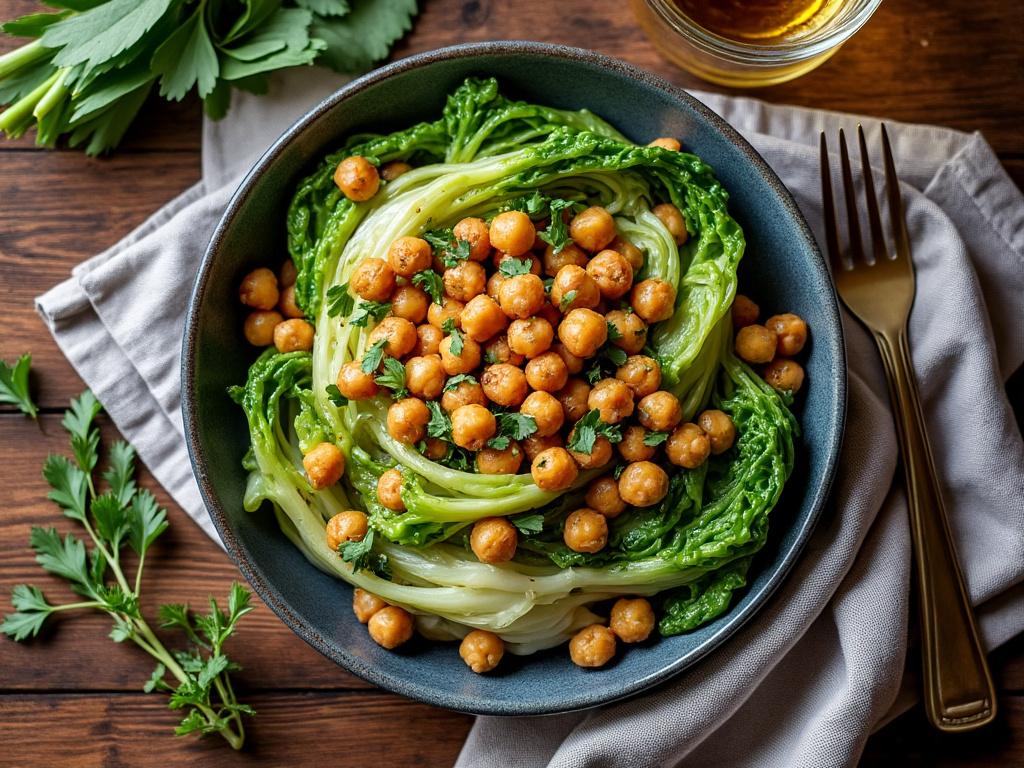
Weeknight Miso Butter Braised Cabbage with Crispy Chickpeas
Deeply savory miso butter braised cabbage topped with shatteringly crispy chickpeas. A fast, pantry-friendly weeknight vegetarian dinner.
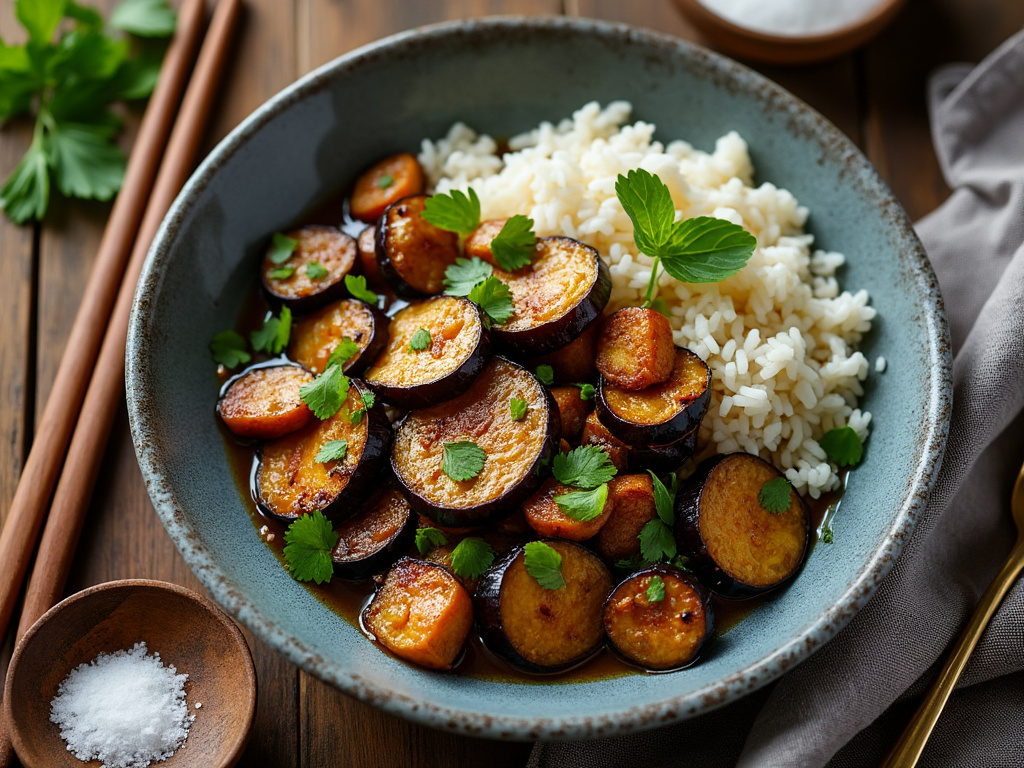
White Miso and Ginger Braised Eggplant with Crispy Tofu and Scallion Rice
Silky miso-braised eggplant, golden crispy tofu, and scallion rice — a deeply savory vegetarian weeknight dinner ready in 60 minutes.