Saffron-Scented Seafood Paella with Socarrat Crust
Authentic saffron seafood paella with crispy socarrat bottom, shrimp, mussels, and squid — made in a 15-inch skillet at home.
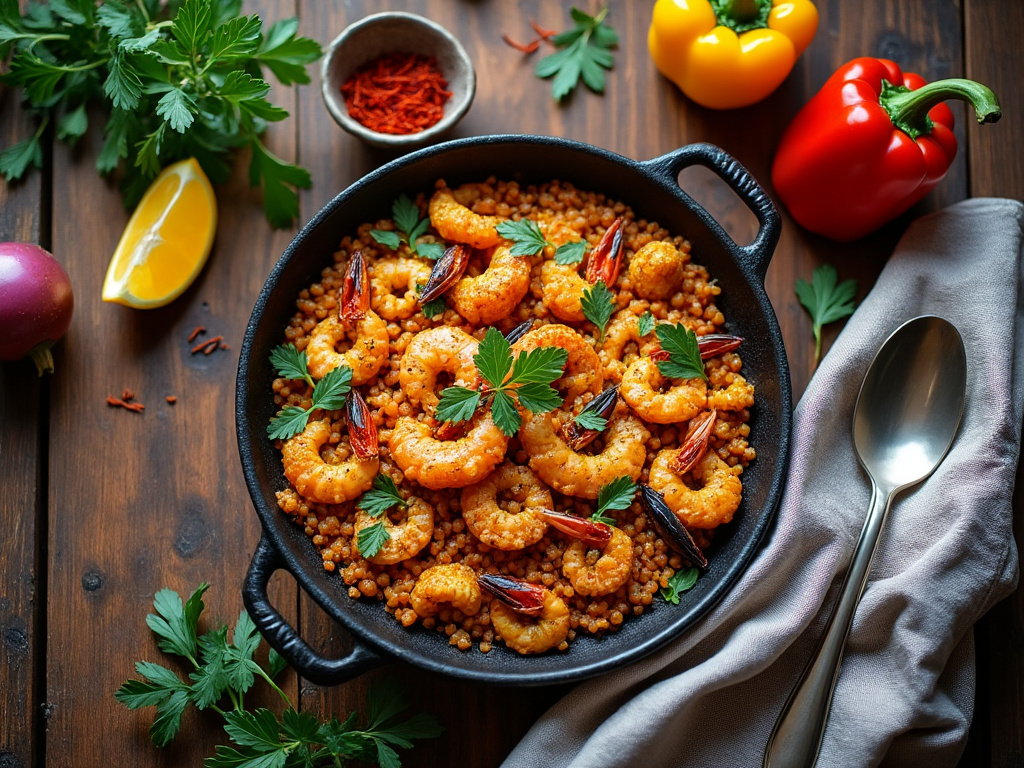
Paella lives or dies by its bottom layer — that deep-golden, slightly charred crust of rice called socarrat. It's not a mistake; it's the goal. Most home cooks stir the rice out of habit and kill the crust before it forms. Don't stir this. Not once after the broth goes in.
The technique here relies on a wide, shallow pan and a short blast of high heat at the end to develop that crust without burning the top. You'll use a quick homemade sofrito base with canned whole tomatoes, dry-toasted saffron threads, and smoked paprika to build a broth that tastes like it simmered for hours. Expect firm, separate rice grains infused red-orange, tender shellfish, and that unmistakable crackling bottom when you scrape your spoon across the pan. This is a weekend centerpiece dish — it needs your attention for 45 minutes, but nothing is technically difficult. If your rice finishes cooking before the socarrat develops, simply crank the heat for 90 seconds and listen for the rice to crackle.
Ingredients
- ▸ 1/2 tsp saffron threads (loosely packed)
- ▸ 4.5 cups seafood stock (or clam juice mixed with water, 2:1 ratio)
- ▸ 3 tbsp extra-virgin olive oil
- ▸ 1 medium yellow onion, finely diced (about 1 cup)
- ▸ 1 red bell pepper, finely diced (about 3/4 cup)
- ▸ 6 garlic cloves, minced
- ▸ 1 cup canned whole peeled tomatoes, crushed by hand with juices
- ▸ 1.5 tsp smoked paprika (La Vera brand preferred)
- ▸ 1/2 tsp sweet paprika
- ▸ 1/4 tsp cayenne pepper
- ▸ 1.5 cups Bomba rice (or Arborio as substitute)
- ▸ 3/4 cup dry white wine (such as Albariño or Pinot Grigio)
- ▸ 1 lb large shrimp (21-25 count), peeled and deveined, tails on
- ▸ 1 lb fresh mussels, scrubbed and debearded
- ▸ 8 oz squid rings and tentacles, cleaned
- ▸ 1 tsp Diamond Crystal kosher salt, divided
- ▸ 1/2 tsp black pepper
- ▸ 2 tbsp fresh flat-leaf parsley, roughly chopped
- ▸ 1 lemon, cut into wedges for serving
- ▸ 1/4 cup roasted piquillo peppers, sliced into strips
🛒 Links may earn us a small commission at no cost to you.
Recommended Gear
🛒 We may earn a small commission at no extra cost to you. We only recommend gear we'd use ourselves.
Instructions
Prep
- 1. Toast the saffron threads in a dry skillet over low heat for 30–45 seconds, stirring constantly, until they darken slightly and smell intensely floral and honeyed. Immediately transfer to a small bowl and crush to a rough powder with the back of a spoon. Add 1/4 cup warm water and let steep for at least 10 minutes — the liquid will turn deep amber-gold.
- 2. Warm the seafood stock in a small saucepan over low heat until steaming but not boiling, about 160°F. Stir in the bloomed saffron and its liquid. Keep warm on the lowest burner setting throughout the cook.
- 3. Pat the shrimp and squid dry with paper towels. Season with 1/2 tsp kosher salt and 1/4 tsp black pepper. Dry seafood browns; wet seafood steams — this step matters.
Build the Sofrito
- 1. Heat 3 tbsp olive oil in the paella pan over medium-high heat until shimmering, about 90 seconds. Add the onion and red bell pepper. Cook, stirring occasionally, until softened and the onion edges begin to turn golden, about 6–7 minutes — it should smell sweet and slightly caramelized.
- 2. Add the minced garlic and cook 60 seconds until fragrant and just turning golden at the edges. Add the crushed tomatoes with juices, smoked paprika, sweet paprika, and cayenne. Stir well and cook, pressing the tomatoes flat, until the mixture thickens and turns a deep brick-red, about 5–6 minutes. You should see the oil separating around the edges of the sofrito — that's the signal it's ready.
Cook the Rice
- 1. Add the dry Bomba rice directly to the sofrito. Stir to coat every grain in the tomato mixture, cooking 1–2 minutes until the rice looks slightly translucent at the edges and smells nutty. Pour in the white wine and stir once, scraping any bits from the bottom — let it sizzle and reduce by half, about 2 minutes.
- 2. Pour all the warm saffron broth into the pan at once. Add remaining 1/2 tsp kosher salt. Stir once to distribute the rice evenly in a single, flat layer — this is the last time you stir. Shake the pan gently to level the surface. Bring to a vigorous boil over high heat, about 3 minutes.
- 3. Reduce heat to medium. Arrange the piquillo pepper strips across the surface. Cook uncovered and without stirring for 12 minutes — you should see small bubbles across the surface gradually slowing as the broth absorbs. The rice surface will start to look matte and dimpled rather than soupy.
Add the Seafood
- 1. Nestle the mussels hinge-side down into the rice, pressing them in slightly so they're partially submerged. Arrange the shrimp in a spoke pattern across the top. Scatter the squid rings and tentacles in the gaps. Cover loosely with foil and cook 7–8 minutes over medium heat — mussels should open fully and shrimp should be pink and just curled. Discard any mussels that remain shut after 10 minutes.
Develop the Socarrat
- 1. Remove the foil. If liquid remains in the pan, continue cooking uncovered over medium heat 2–3 minutes until absorbed. Then crank the heat to high and cook exactly 2 minutes without touching the pan — listen carefully. You'll hear a faint crackle and pop from the bottom that builds in intensity. The edges of the rice nearest the pan wall will begin to smell toasty and slightly smoky. This is the socarrat forming.
- 2. Remove from heat immediately. Slide a thin spatula under the edge of the rice — it should lift cleanly, revealing a deep golden-amber crust. Let the paella rest uncovered for 5 minutes; this allows the steam to redistribute moisture and the crust to set firm.
Serve
- 1. Scatter chopped flat-leaf parsley across the top. Bring the entire pan to the table. Serve directly from the pan with lemon wedges alongside, making sure each portion gets a scrape of the bottom crust. The socarrat is the point — make sure everyone gets some.
Cook's Notes
- Use Bomba rice, not converted or parboiled rice — Bomba absorbs nearly 3x its volume in liquid and holds its shape. Arborio will work in an emergency but go slightly creamy.
- Never stir the rice after the broth goes in. Stirring activates starch and turns the rice gummy, destroying any chance of socarrat.
- If your mussels are very large, nestle them in 2 minutes earlier than the shrimp so everything finishes at the same time.
- Make-ahead: the sofrito (step 5) can be made up to 3 days ahead and refrigerated. Reheat before adding rice.
- The saffron bloom is not optional — adding threads directly to hot liquid releases color but not full flavor. Always dry-toast and steep in warm water first.
Pro Tips
- → If the socarrat smells sharp and acrid before the 2 minutes are up, pull the pan off heat immediately and let residual heat finish it — the line between socarrat and burned is about 30 seconds at high heat.
- → If your broth absorbs too quickly and the rice is still chalky at the 12-minute mark, add 1/2 cup warm broth in a thin stream around the edges (never center) and give it 3 more minutes — adding cold liquid at this stage shocks the rice and halts the cook.
- → The pan width is critical: in a pan narrower than 12 inches, the rice layer is too deep and the bottom crust forms before the top grains cook through. If all you have is a 12-inch skillet, reduce rice to 1 cup and broth to 3 cups and accept a smaller serving.
- → Squid turns rubbery when overcooked past 2 minutes OR when undercooked — it needs to hit the 7–8 minute covered window fully. If your squid rings are thicker than 1/4 inch, add them with the mussels, not with the shrimp.
- → If the sauce breaks during the sofrito stage and the oil pools separately in a greasy puddle rather than emulsifying with the tomato, you cooked it too fast on too high heat. Lower to medium and stir in 2 tbsp of the warm broth to re-integrate before adding rice.
- → For an extra-deep socarrat, after removing from heat, place a clean kitchen towel over the pan (not foil) for the 5-minute rest — the towel absorbs steam instead of condensing it back onto the rice, keeping the crust dry and crackling.
What to Serve With This
A dry, unoaked Albariño from Rías Baixas is the natural match here — its saline minerality and stone-fruit brightness cut right through the richness of the saffron broth without overwhelming the seafood. If you want a Spanish red, a young Garnacha from Navarra served slightly chilled works better than a full Rioja, which can overpower the delicate shellfish.
For beer, a crisp lager like Estrella Damm or Moritz (both Catalan staples) provides exactly the palate-cleansing carbonation you want between bites of rich, saffron-stained rice. Avoid IPAs — the bitterness fights the sweetness of the shrimp.
Non-alcoholic: sparkling water with a squeeze of lemon and a few drops of orange blossom water sounds unusual but mirrors the floral-citrus notes in the saffron beautifully. Serve it ice-cold.
On the table alongside the paella, keep it simple. A green salad with shaved fennel, shaved radish, and a sherry vinegar vinaigrette provides crunch and acidity that the rice dish lacks. Crusty bread — a day-old baguette or Spanish-style pan de cristal — is essential for mopping the pan. Skip heavy sides; the paella is the centerpiece and shouldn't compete.
Variations & Substitutions
For a chicken and chorizo paella, swap the seafood entirely. Use 1 lb bone-in chicken thighs (cut into thirds) and 6 oz sliced Spanish chorizo. Sear the chicken in the pan first until golden, about 5 minutes per side, then remove and build the sofrito in the rendered fat. Add the chicken back in with the rice and broth; the cook time stays the same. Omit the seafood stock and use low-sodium chicken broth instead.
For a vegetarian version, use 4 cups good vegetable broth and add 1 cup drained canned artichoke hearts, 1 cup frozen peas (added in the last 5 minutes), and 8 oz cremini mushrooms sautéed with the sofrito. The socarrat still forms — mushrooms release moisture, so spread them evenly so they don't steam the rice in one spot.
To make this gluten-free, the base recipe already qualifies — just verify your smoked paprika brand is certified GF, as some are processed on shared lines. La Chinata brand is safe.
For scaling to 6 servings, use a 17-inch paella pan, increase rice to 2 cups, broth to 5 cups, and extend the covered simmer by 3–4 minutes. Don't try to double in the same pan — the rice depth changes everything and the socarrat won't form properly.
Frequently Asked Questions
What rice should I use for paella? ▼
Use short- to medium-grain rice with high starch absorption: Bomba rice is the gold standard and absorbs 3x its volume in liquid without turning mushy. Calasparra is a close second. In a pinch, Arborio works but tends to go slightly creamy — reduce broth by 1/4 cup and watch it closely. Do not use jasmine, basmati, or long-grain rice; they won't absorb the broth evenly and won't develop socarrat.
How do I know when the socarrat is ready? ▼
Listen for a crackling, popping sound from the bottom of the pan — it starts subtle and gets louder. After 2 minutes on high heat, slide a thin spatula under the edge of the rice; it should lift slightly and feel firm, not wet. The underside should be deep golden-amber, not black. If it smells burned before you see color, pull it immediately — socarrat is 10 seconds from magnificent to ruined.
Can I make this ahead of time? ▼
Paella is best eaten immediately out of the pan — the socarrat softens as it sits. You can make the sofrito and saffron broth up to 2 days ahead and refrigerate them separately. Bring both to a simmer before adding rice so you don't start the cook with cold liquid, which throws off the timing.
Can I freeze leftover paella? ▼
Technically yes, but the texture suffers significantly — the shellfish rubbery, the rice mealy. If you must freeze, pick out the mussels and shrimp first (they don't freeze well) and freeze just the saffron rice in an airtight container for up to 1 month. Reheat in a skillet with a splash of broth over medium heat, pressing flat to re-form a light crust.
My rice is cooked but there's still liquid in the pan — what do I do? ▼
Crank the heat to high, uncovered, and let it cook off — this usually takes 2–3 minutes and is also when you develop the socarrat. If there's more than 1/2 cup liquid left after the rice is tender, you used too much broth or your pan was too small. Next time reduce broth by 1/4 cup.
Can I substitute frozen mussels or shrimp? ▼
Frozen shrimp work well — thaw overnight in the fridge and pat completely dry before adding. Frozen mussels in the half-shell (common at Costco and Whole Foods) also work; they're already cooked, so add them in the last 3 minutes just to heat through. Fresh mussels give better flavor and open dramatically in the pan, which looks great at the table.
I don't have a paella pan. What can I use? ▼
A 15-inch stainless steel skillet or a 12-inch cast iron skillet both work. Cast iron retains heat better, which helps socarrat development, but the narrower base means you'll need to increase broth by 1/4 cup and extend the simmer by 4–5 minutes. Avoid non-stick — you need metal-to-rice contact for crust formation, and high heat damages non-stick coatings.
How do I reheat leftover paella? ▼
Spread leftovers in a skillet over medium heat with 3 tbsp water or broth. Cover for 3 minutes until steamed through, then uncover and press flat with a spatula. Cook another 2 minutes until the bottom re-crisps. Microwave reheating makes the rice gummy and steams out all remaining texture — avoid it.
What can I use instead of saffron? ▼
Saffron is genuinely irreplaceable for authentic flavor and color. That said, if cost is a barrier, use 1/2 tsp sweet smoked paprika plus 1/4 tsp turmeric and a pinch of dried thyme — this mimics the color and adds depth, but the floral quality of saffron won't be there. Don't use saffron-flavored seasoning packets; they taste artificial.
How do I store leftover paella? ▼
Transfer to an airtight container and refrigerate within 2 hours of cooking. Consume within 2 days — shellfish degrades quickly in the fridge and the rice absorbs moisture, softening overnight. Always reheat fully to steaming before eating; don't eat paella cold or room-temperature the next day.
Enjoyed this recipe?
Daily Home Cookery is self-funded. If something you cooked here made dinner a little better, a coffee keeps the kitchen running.
☕ Buy me a coffeeYou Might Also Like

Tuscan White Bean and Sausage Skillet with Wilted Greens
A hearty one-pan dinner of Italian sausage, cannellini beans, and wilted greens with a garlicky tomato broth. Done in 45 minutes.
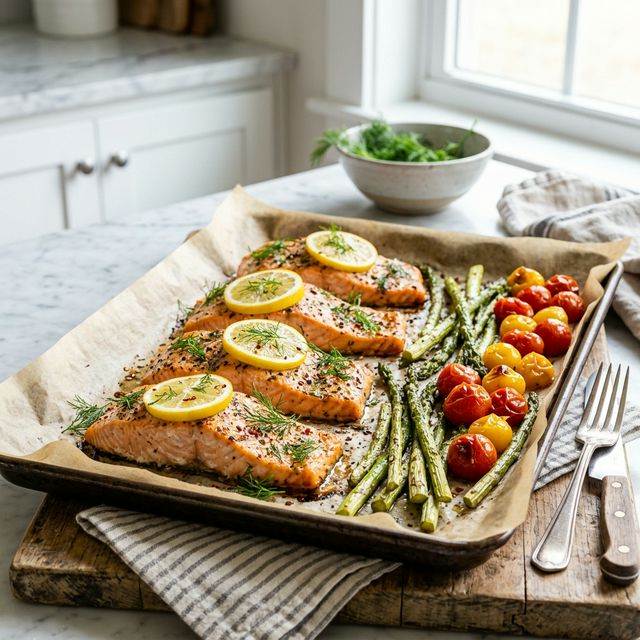
One-Pan Lemon Herb Salmon
Sheet pan salmon with asparagus, cherry tomatoes, and a Dijon-lemon-dill glaze. Ready in 30 minutes, one pan to wash.
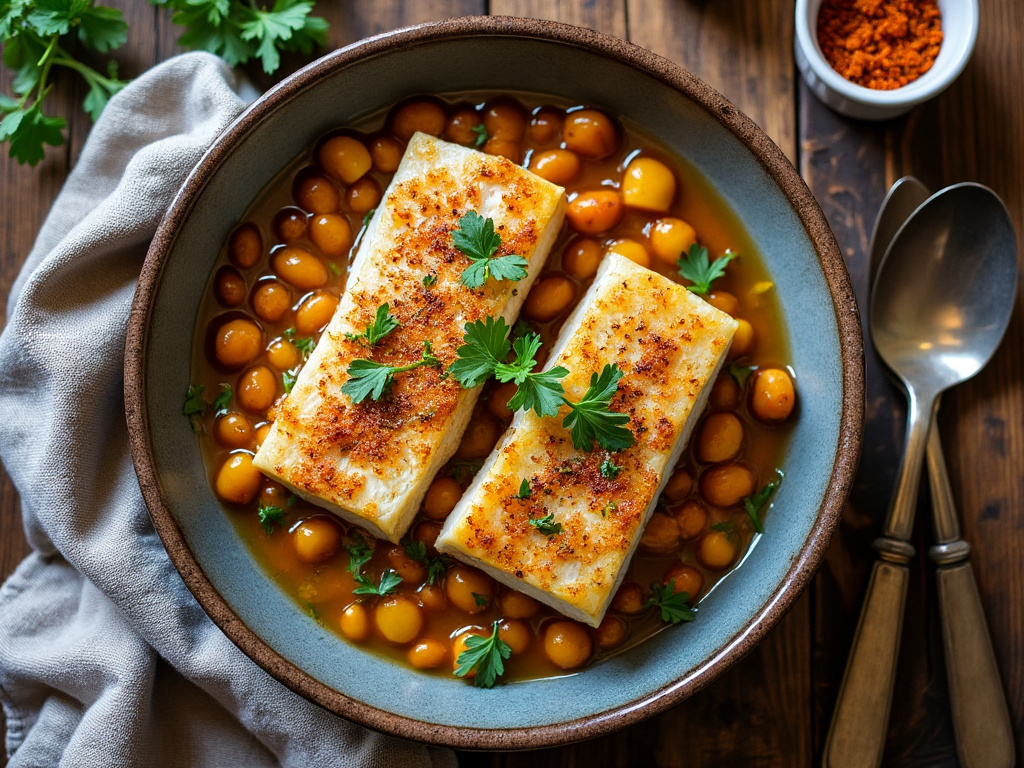
Smoked Paprika and Lemon Braised White Fish with Saffron Butter Beans
Tender cod braised over saffron-stained butter beans with smoked paprika and lemon — a one-pot weeknight dinner ready in 50 minutes.