Tuscan White Bean and Sausage Skillet with Wilted Greens
A hearty one-pan dinner of Italian sausage, cannellini beans, and wilted greens with a garlicky tomato broth. Done in 45 minutes.
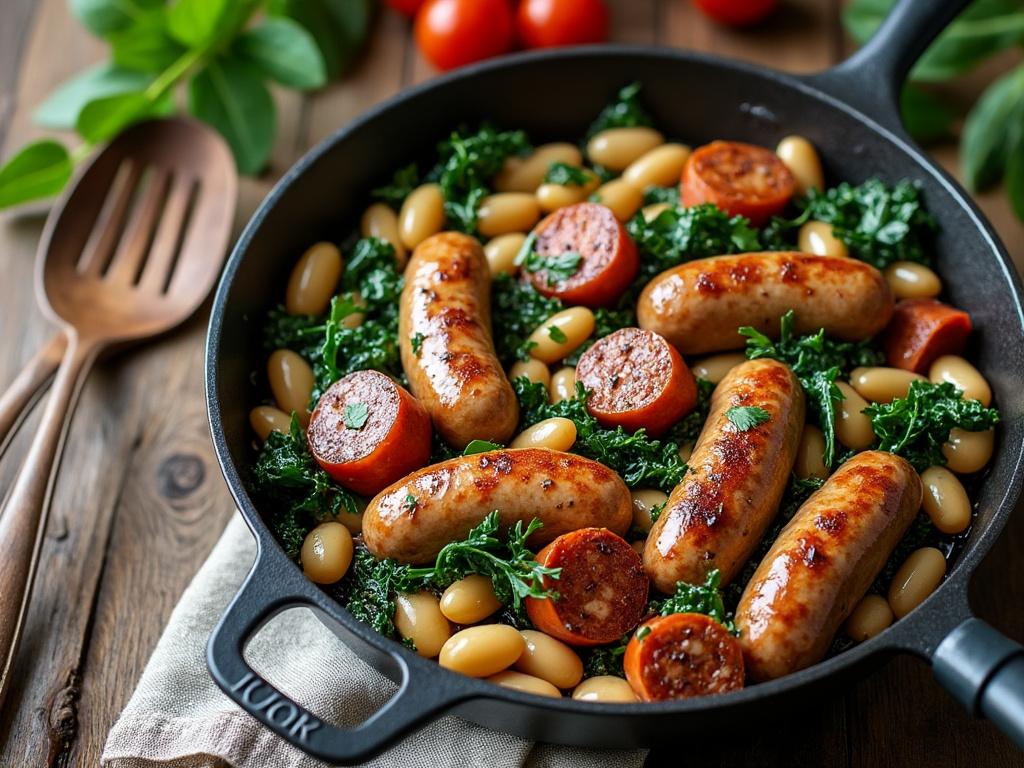
Cannellini beans have a particular talent for absorbing braising liquid without turning to mush — and that's the whole engine of this recipe. The beans soak up a garlicky, herb-loaded tomato broth while the sausage stays crispy on the outside and juicy inside. The result is somewhere between a braise and a thick stew: deeply savory, with a velvety sauce that wants to be mopped with bread.
Use hot or mild Italian sausage links (not bulk sausage) so you get distinct slices that hold their sear. Two cans of cannellini beans and one bunch of escarole or lacinato kale make this comfortably feed four without any pasta or grain on the side. This is a weeknight workhorse — one 12-inch skillet, 45 minutes start to finish, and virtually no cleanup. If your broth reduces too aggressively and the beans start sticking, splash in ¼ cup of water and lower the heat; the beans will release enough starch to re-emulsify everything.
Ingredients
- ▸ 1.5 lbs mild or hot Italian sausage links (about 5-6 links)
- ▸ 2 tbsp extra-virgin olive oil
- ▸ 1 medium yellow onion, diced small (about 1 cup)
- ▸ 6 garlic cloves, thinly sliced
- ▸ 1 tsp red pepper flakes
- ▸ 1 tsp dried oregano
- ▸ 1 tbsp tomato paste
- ▸ 0.5 cup dry white wine (such as Pinot Grigio)
- ▸ 2 cans (15 oz each) cannellini beans, drained and rinsed
- ▸ 1.5 cups low-sodium chicken stock
- ▸ 1 can (14.5 oz) diced fire-roasted tomatoes
- ▸ 1 bunch escarole or lacinato kale (about 6 cups loosely packed), roughly chopped
- ▸ 0.5 tsp kosher salt, plus more to taste
- ▸ 0.25 tsp black pepper
- ▸ 2 tbsp unsalted butter
- ▸ 0.33 cup freshly grated Parmigiano-Reggiano, for serving
- ▸ 2 tbsp fresh flat-leaf parsley, roughly chopped, for serving
🛒 Links may earn us a small commission at no cost to you.
Recommended Gear
🛒 We may earn a small commission at no extra cost to you. We only recommend gear we'd use ourselves.
Instructions
Prep
- 1. Slice the sausage links on a diagonal into ¾-inch rounds — this creates more surface area for browning and keeps the pieces substantial enough to hold up in the braise. Pat them dry with a paper towel; any surface moisture will steam instead of sear.
- 2. Dice the onion into small, even pieces (about ½-inch). Thinly slice all 6 garlic cloves — not minced, sliced, so they melt into the broth rather than burning. Roughly chop the escarole or kale, discarding any thick, woody stems.
Sear the Sausage
- 1. Heat the olive oil in a 12-inch skillet over medium-high heat until shimmering and a sausage piece dropped in sizzles immediately, about 1.5 minutes. Add the sausage rounds in a single layer — do not stir. Sear undisturbed for 3-4 minutes until deeply browned and the fond (browned bits) is building on the pan bottom. Flip and sear the other side for 2-3 minutes until equally browned. Transfer to a plate; the sausage won't be fully cooked through yet.
Build the Base
- 1. Reduce heat to medium. Add the diced onion to the rendered fat in the skillet (add a small drizzle more olive oil if the pan looks dry). Cook, stirring occasionally, for 5-6 minutes until the onion softens and turns translucent with golden edges — you'll smell it turn sweet.
- 2. Add the sliced garlic, red pepper flakes, and dried oregano. Stir constantly for 60-90 seconds until the garlic turns pale gold and smells toasted but not sharp. Watch carefully — garlic goes from golden to bitter fast on a hot pan.
- 3. Push everything to the edges and add the tomato paste directly onto the pan surface. Cook it, pressing and spreading with a spoon, for 90 seconds until it darkens from bright red to a brick-rust color and smells concentrated. Stir it into the aromatics.
- 4. Pour in the white wine and scrape the pan bottom vigorously with a wooden spoon. The fond will release immediately — you'll hear a sharp sizzle and the liquid will pick up deep color within about 30 seconds. Let it reduce by half, about 1-2 minutes, until the sharp alcohol smell softens.
Braise
- 1. Add the drained cannellini beans, chicken stock, and fire-roasted tomatoes with their juices. Stir to combine, then nestle the seared sausage pieces back into the liquid. Season with ½ tsp kosher salt and ¼ tsp black pepper. Bring to a simmer — look for bubbling around the edges and rising steam.
- 2. Reduce heat to medium-low, cover with a lid or foil, and simmer for 12-15 minutes until the sausage is cooked through (internal temp of 160°F) and the beans have softened slightly and started absorbing the broth. The liquid will thicken noticeably.
- 3. Uncover and add the chopped escarole or kale in two or three handfuls, stirring each addition in before adding the next. Cook uncovered for 4-5 minutes until the greens are fully wilted and tender, with a deep olive-green color. The broth should be loose but not watery — if it looks thin, simmer 2 more minutes uncovered to reduce.
Finish and Serve
- 1. Remove from heat and swirl in the butter until it disappears into the sauce — this adds gloss and rounds out the acidity. Taste and adjust salt. Ladle into wide, shallow bowls, finish each with a generous handful of grated Parmigiano-Reggiano and a scatter of fresh parsley. Serve immediately with crusty bread.
Cook's Notes
- Don't skip patting the sausage dry before searing — even a small amount of surface moisture causes steaming instead of browning, and you lose the fond that builds the sauce.
- Fire-roasted diced tomatoes (Muir Glen is the most widely available) make a real difference here; they bring a subtle smokiness that regular diced tomatoes lack.
- Escarole is milder and more tender than kale and is the traditional choice for Italian bean dishes — look for it near the endive at most grocery stores.
- The dish thickens further as it sits; if serving as leftovers, always add a splash of stock when reheating.
- For a more substantial meal, serve over thick slices of toasted country bread placed in the bottom of the bowl — the bread soaks up the broth from below.
Pro Tips
- → The single biggest mistake in this recipe is searing sausage in a cold or insufficiently hot pan — you need shimmering oil before the first piece goes in, or the sausage will stick and the skin may tear before browning.
- → If the sauce breaks and looks greasy (pools of orange fat separating from the broth), it's usually because the heat was too high during the braise. Take it off the heat, add 2 tbsp of cold water, and stir vigorously — the starch from the beans re-emulsifies it within 30 seconds.
- → Slice the garlic, don't mince it — minced garlic in a long braise turns grainy and disappears; sliced garlic melts into the sauce while leaving soft, sweet, barely-there pieces that contrast with the beans.
- → Swirl the butter in off heat only; butter added to a boiling liquid breaks immediately and you get a greasy surface instead of a glossy sauce.
- → If the greens are releasing too much water and diluting the broth significantly, remove the lid entirely and increase the heat to medium for the last few minutes of cooking — you want rapid evaporation, not a slow steam.
- → Rinsing canned beans removes excess sodium and the canning liquid, which can make the sauce cloudy and slightly tinny. Always rinse and drain them well before adding.
What to Serve With This
A rough, crusty loaf is non-negotiable here — the broth is too good to leave in the pan. Acme Bakery-style sourdough or a good ciabatta will hold up to dipping without going soggy immediately. Toast slices directly over a gas burner for about 30 seconds per side if you want char without turning on the broiler.
For wine, go with a medium-bodied Italian red that has enough acidity to cut through the sausage fat. A Barbera d'Asti (Braida is reliable at most wine shops) is the move — it's bright enough to contrast the richness but not so tannic it fights the beans. If you want white, a Vermentino from Sardinia has a slightly bitter, herbal note that mirrors the greens beautifully.
For a non-alcoholic pairing, try a sparkling water with a squeeze of Meyer lemon and a few fresh thyme sprigs muddled in. The citrus acid does what wine acid would — it resets your palate between bites.
On the side, a simple fennel-and-arugula salad dressed with lemon juice, olive oil, and shaved Parmigiano-Reggiano takes three minutes to make and provides a crisp, slightly bitter contrast to the soft, rich beans. Avoid heavy sides — this dish is filling on its own.
Variations & Substitutions
For a fully vegetarian version, swap the sausage for two 15-oz cans of drained chickpeas and increase the smoked paprika to 1½ tsp. Add 1 tbsp of tomato paste to the skillet at the same point you'd add the garlic — it mimics the deeper, roasted notes that sausage fat provides. The texture won't be identical, but the flavor profile holds up well.
To make this gluten-free, the base recipe is already there — just confirm your chicken stock is certified GF (Swanson's regular stock is fine; their flavored varieties may not be). No other swaps are needed.
For a spicier version with a Calabrian-style profile, add 1 tbsp of Calabrian chili paste (Tutto Calabria brand is widely available) along with the garlic, and use hot Italian sausage. This version works especially well with rapini instead of escarole — the bitterness of the rapini plays against the chili heat.
Scaling up to 8 servings: use a 7-quart Dutch oven instead of a skillet, double everything, and add 5 minutes to the final simmering step. The beans will take slightly longer to soften into the broth at larger volume. Do not crowd the sausage — sear it in two batches or it steams instead of browns.
Frequently Asked Questions
Can I use bulk Italian sausage instead of links? ▼
You can, but you'll lose the textural contrast of crispy sausage slices against soft beans. If using bulk sausage, brown it in crumbles, break it up well, and drain off about half the fat before adding the aromatics. The dish becomes more of a unified stew rather than a composed skillet.
Can I make this ahead of time? ▼
Yes — it actually improves overnight as the beans absorb more of the broth. Store in an airtight container in the fridge for up to 4 days. When reheating, add 2-3 tbsp of water or stock per serving because the beans will have soaked up most of the liquid. Reheat gently over medium-low so the sausage doesn't toughen.
Can I freeze leftovers? ▼
Freeze it in portioned containers for up to 3 months. The beans may soften further after freezing and thawing, which is fine — the texture shifts from firm to creamy, which some people prefer. The greens will lose some color but the flavor stays intact. Thaw overnight in the fridge before reheating.
What greens work best besides escarole? ▼
Lacinato (dinosaur) kale is the closest substitute — sturdy, slightly bitter, holds up well to the broth. Baby spinach works in a pinch but wilts almost instantly and adds no textural bite. Rapini adds more bitterness and a slightly vegetal note that pairs especially well with hot sausage. Avoid regular curly kale; it stays tough unless you add 10 extra minutes of cooking time.
What if I don't have dry white wine for the deglaze? ▼
Use an equal amount of low-sodium chicken stock with a squeeze of lemon juice (about 1 tsp) added in. The acid does the same deglazing work and brightens the sauce. Avoid cooking wine — it's loaded with sodium and will throw off the balance of the dish.
Can I use dried beans instead of canned? ▼
Yes, but cook them separately first. Soak 1 cup of dried cannellini beans overnight, then simmer in unsalted water for 60-90 minutes until just tender but not falling apart. One cup dried yields roughly the equivalent of two 15-oz cans. Add them to the skillet at the same step — they'll absorb more broth, so have an extra ½ cup of stock ready.
How do I keep the sausage from drying out? ▼
Don't overcook it during the initial sear — you're aiming for color, not full doneness, since it continues cooking in the broth. Pull it off the skillet as soon as it's browned on both sides (about 3-4 minutes per side) and return it only for the final 10 minutes of simmering. Sausage that simmers too long in liquid firms up and loses its juicy texture.
Is this recipe spicy? ▼
With mild Italian sausage, it's not spicy at all — savory and herby, with a slight heat from the red pepper flakes. If you're sensitive to spice, reduce the red pepper flakes to ¼ tsp or omit entirely. If you want more heat, use hot Italian sausage and keep the full ½ tsp of flakes.
What skillet size do I need? ▼
A 12-inch skillet is the minimum for four servings — anything smaller and the sausage won't sear properly because it'll be crowded. A 12-inch cast iron or stainless steel skillet with 2-inch sides works best. If you only have a 10-inch skillet, sear the sausage in batches and use a wide, high-sided sauté pan for the braise step.
Enjoyed this recipe?
Daily Home Cookery is self-funded. If something you cooked here made dinner a little better, a coffee keeps the kitchen running.
☕ Buy me a coffeeYou Might Also Like
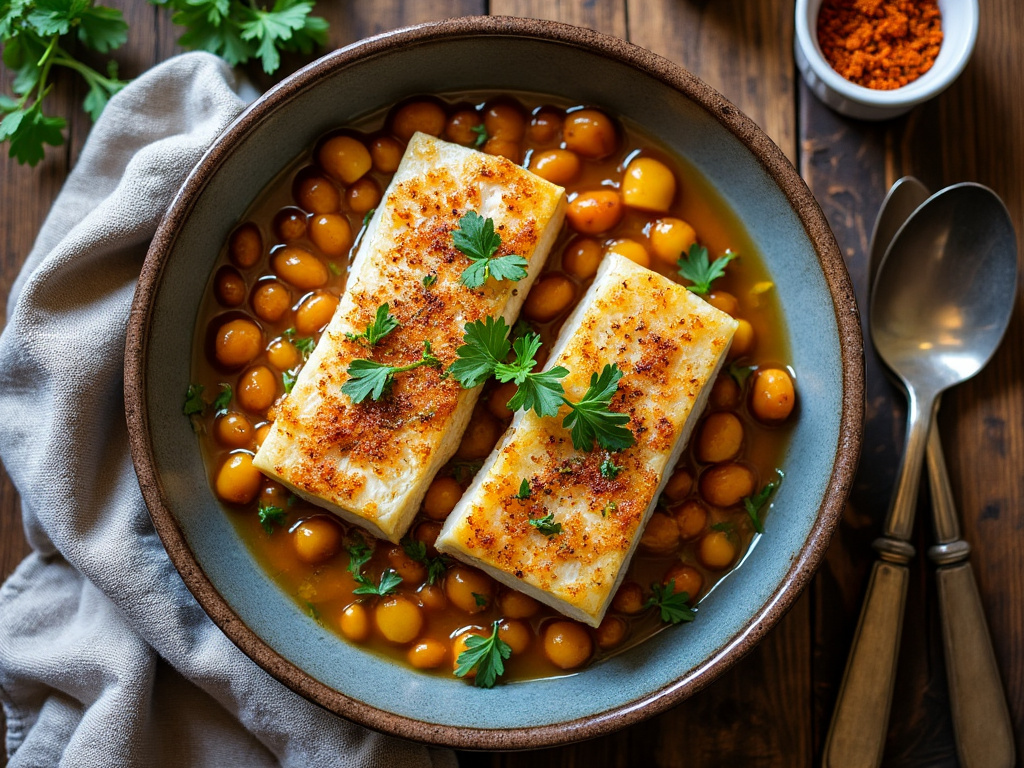
Smoked Paprika and Lemon Braised White Fish with Saffron Butter Beans
Tender cod braised over saffron-stained butter beans with smoked paprika and lemon — a one-pot weeknight dinner ready in 50 minutes.
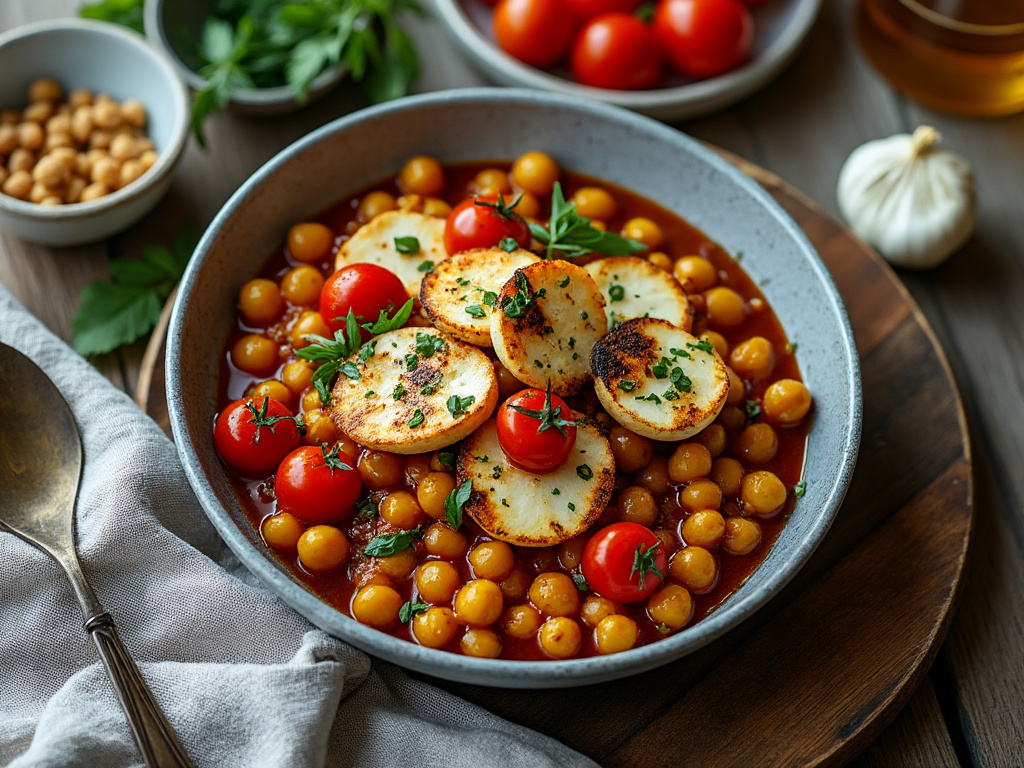
Spicy Coconut Braised Chickpeas with Charred Tomatoes and Crispy Halloumi
Creamy coconut-braised chickpeas with charred tomatoes and golden halloumi. A bold, vegetarian one-pot dinner ready in 45 minutes.
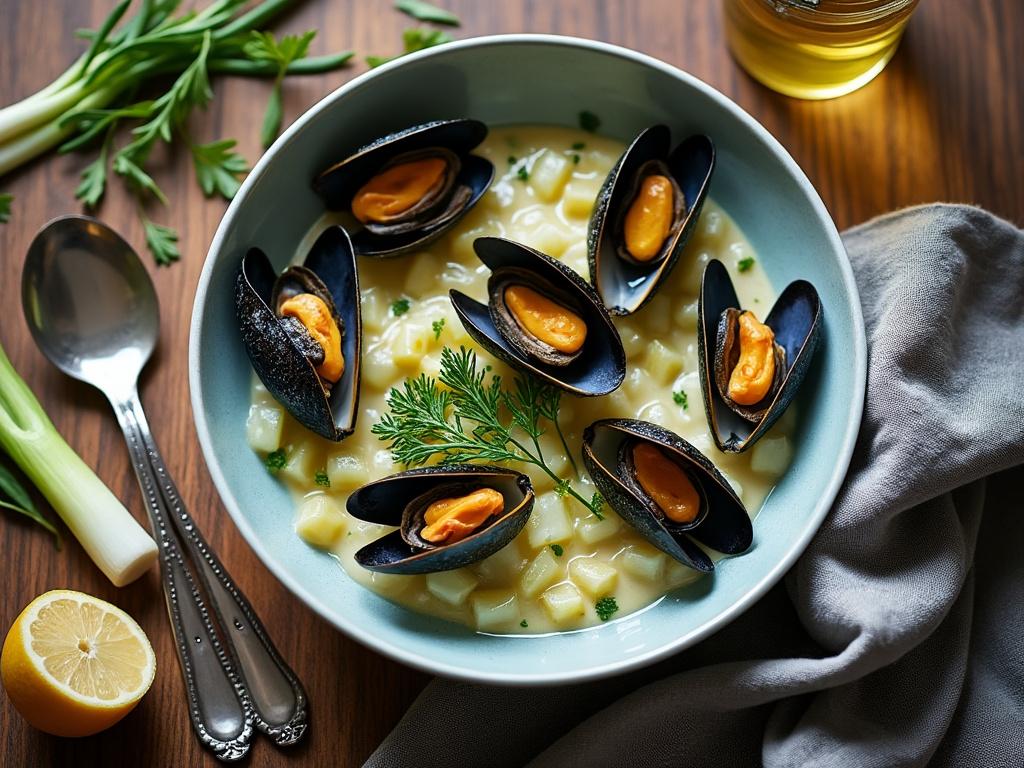
Creamy White Wine Mussels with Fennel and Leeks
Steam mussels in a white wine cream broth with fennel and leeks — ready in 35 minutes, stunning enough for a dinner party.