Seared Halloumi and Roasted Vegetable Grain Bowl with Lemon-Tahini Dressing
Crispy halloumi, roasted cauliflower and chickpeas over farro with a punchy lemon-tahini dressing. A satisfying vegetarian bowl ready in under an hour.
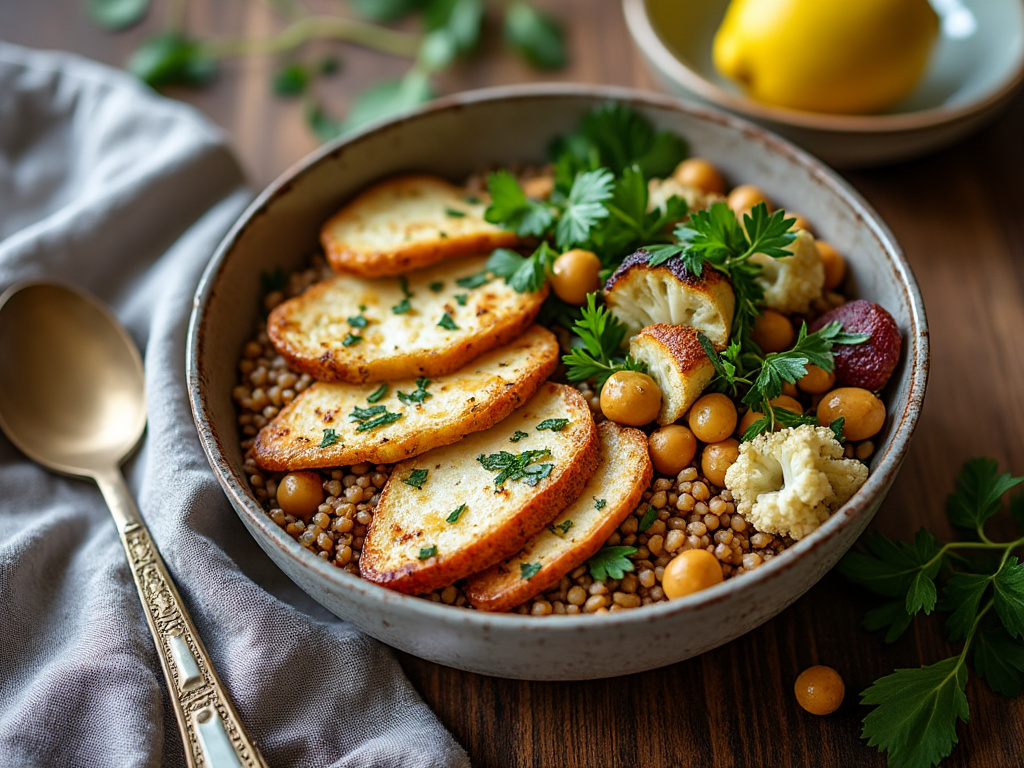
Halloumi has a narrow window of perfection: golden and crisp outside, yielding and squeaky inside. Miss it by 90 seconds and you've got rubbery slabs. Get it right and it anchors this grain bowl better than most proteins. The key is a dry, screaming-hot pan and cheese that's been patted completely dry — any surface moisture and it steams instead of sears.
The rest of the bowl is built for texture contrast: nutty farro, caramelized roasted cauliflower, crunchy chickpeas, and a tahini dressing sharp enough with lemon to cut through the halloumi's salt. This is a strong weeknight meal-prep candidate — the components hold separately in the fridge for four days. If your tahini dressing seizes up too thick after sitting, whisk in cold water one tablespoon at a time until it loosens back to a pourable consistency.
Ingredients
- ▸ 1.5 cups dry farro
- ▸ 3.5 cups water
- ▸ 1 tsp Diamond Crystal kosher salt (for farro cooking water)
- ▸ 1 medium head cauliflower (about 2 lbs), cut into 1.5-inch florets
- ▸ 1 15-oz can chickpeas, drained, rinsed, and patted completely dry
- ▸ 4 tbsp olive oil, divided
- ▸ 1 tsp ground cumin
- ▸ 1 tsp Aleppo pepper
- ▸ 0.75 tsp Diamond Crystal kosher salt (for vegetables)
- ▸ 0.5 tsp smoked paprika
- ▸ 8 oz halloumi cheese, sliced into 0.5-inch planks
- ▸ 1 tsp za'atar
- ▸ 1 tbsp olive oil (for searing halloumi)
- ▸ 3 tbsp well-stirred tahini (Soom brand recommended)
- ▸ 3 tbsp fresh lemon juice (from about 1.5 lemons)
- ▸ 1 small garlic clove, finely grated on a Microplane
- ▸ 2 tbsp cold water, plus more as needed
- ▸ 1 tsp honey
- ▸ 0.25 tsp fine sea salt
- ▸ 2 cups baby arugula
- ▸ 0.25 cup fresh flat-leaf parsley leaves, roughly chopped
- ▸ 0.25 cup pomegranate arils
- ▸ 2 tbsp toasted pumpkin seeds
- ▸ 1 lemon, cut into wedges for serving
🛒 Links may earn us a small commission at no cost to you.
Recommended Gear
🛒 We may earn a small commission at no extra cost to you. We only recommend gear we'd use ourselves.
Instructions
Prep
- 1. Preheat the oven to 425°F with a rack in the upper-middle position. Drain and rinse the chickpeas, then spread them on a clean kitchen towel or several layers of paper towel. Roll them around firmly and let them air-dry for at least 10 minutes — they should look dull and matte, not wet. This drying step is non-negotiable for crunch.
- 2. Cut the cauliflower into 1.5-inch florets, aiming for flat surfaces on at least one side. Those flat faces are what brown against the hot pan. Slice the halloumi into 0.5-inch planks and lay them on a double layer of paper towel. Press another layer of paper towel on top and let them dry while everything else cooks.
- 3. Make the lemon-tahini dressing: in a small jar or bowl, whisk together 3 tbsp tahini, 3 tbsp fresh lemon juice, 1 grated garlic clove, 1 tsp honey, 0.25 tsp fine sea salt, and 2 tbsp cold water. Whisk until smooth and pourable — it should ribbon off the spoon like honey. If it's too thick, add cold water 1 tbsp at a time. Taste and adjust salt or lemon. Set aside.
Cook the Farro
- 1. Combine 1.5 cups dry farro, 3.5 cups water, and 1 tsp kosher salt in a medium saucepan. Bring to a boil over high heat, then reduce to a steady simmer, cover, and cook for 25–30 minutes until the farro is tender with a slight chew — not mushy. It should look slightly swollen and the water mostly absorbed. Drain any excess water, then fluff with a fork and leave uncovered to steam dry for 5 minutes.
Roast the Vegetables and Chickpeas
- 1. Toss the dried chickpeas and cauliflower florets together on the sheet pan with 4 tbsp olive oil, 1 tsp cumin, 1 tsp Aleppo pepper, 0.75 tsp kosher salt, and 0.5 tsp smoked paprika. Spread into a single, uncrowded layer — use two pans if needed. Any overlapping pieces will steam, not roast.
- 2. Roast at 425°F for 28–32 minutes, flipping once at the 15-minute mark, until the cauliflower is deeply golden on its cut edges and the chickpeas are crisp and slightly shrunken. You should smell a nutty, toasty aroma and hear a faint sizzle when you open the oven door. If the chickpeas aren't crisping, push them to one edge of the pan away from the cauliflower and give them 3–5 more minutes.
Sear the Halloumi
- 1. Heat 1 tbsp olive oil in a 10- or 12-inch stainless steel or cast iron skillet over medium-high heat until the oil shimmers and the first wisps of smoke appear, about 2 minutes. Sprinkle 1 tsp za'atar evenly over the halloumi planks on one side.
- 2. Lay the halloumi za'atar-side down in the hot pan in a single layer. Do not move them. Cook for 90 seconds to 2 minutes until a dark golden crust forms — the cheese will release from the pan when it's ready. Flip and cook the second side for another 60–90 seconds until golden. Transfer immediately to a plate and serve within 5 minutes; halloumi firms up as it cools.
Assemble
- 1. Divide the warm farro among four bowls. Top each with a handful of baby arugula — the residual heat from the farro will slightly wilt it, which is what you want. Spoon the roasted cauliflower and chickpeas over the top.
- 2. Lay 2–3 seared halloumi planks on each bowl. Drizzle generously with the lemon-tahini dressing — don't be shy, the farro absorbs it fast. Scatter pomegranate arils, toasted pumpkin seeds, and fresh parsley over the top. Serve with a lemon wedge on the side for an extra squeeze at the table.
Cook's Notes
- Dry your halloumi and chickpeas thoroughly before cooking — surface moisture is the single biggest cause of steaming instead of searing or crisping.
- The tahini dressing can be made up to 5 days ahead and stored in the fridge. It will thicken; loosen with cold water before serving.
- Farro can be batch-cooked in large quantities and frozen in 1.5-cup portions for up to 2 months — thaw overnight in the fridge or microwave straight from frozen with a splash of water.
- If your oven runs hot, check the cauliflower at 22 minutes — you want golden edges, not burnt ones.
- Pomegranate arils can be swapped for dried cranberries (use 2 tbsp, as they're sweeter) or simply omitted if you don't have them.
Pro Tips
- → Halloumi sears properly only in a truly hot, dry-ish pan — if you add it to a lukewarm skillet, it sticks, tears, and releases liquid instead of forming a crust. Listen for an immediate, loud sizzle as a sign the pan is ready.
- → If the tahini dressing breaks or looks grainy, the garlic was probably added to hot tahini, or the ratio went off. Rescue it by starting with a fresh tablespoon of tahini in a clean bowl and slowly whisking the broken dressing into it in a thin stream.
- → Spacing on the sheet pan is critical — chickpeas and cauliflower need room for hot air to circulate. If you crowd them, the moisture has nowhere to go and you'll get pale, soft results. A second sheet pan is worth the extra dishes.
- → Soom tahini (or any Palestinian-style tahini made from single-origin sesame) stays fluid and has a clean, nutty flavor. Cheaper tahinis are often bitter or seize into paste. The dressing tastes noticeably different depending on brand.
- → The halloumi window is short — it's best eaten within 5 minutes of searing. If you're meal prepping, keep the halloumi uncooked in the fridge and sear it fresh in 3 minutes right before you eat.
- → Toast the pumpkin seeds in a dry skillet over medium heat for 2–3 minutes, tossing frequently, until they pop and turn light golden — the nutty depth they add when toasted versus raw is significant and worth the extra step.
What to Serve With This
A crisp, dry white wine is the natural move here. Grüner Veltliner from Austria — something like Loimer's Lois — brings a peppery, mineral edge that mirrors the za'atar and complements the lemon in the dressing without competing. A Picpoul de Pinet works equally well: high acidity, low oak, and enough citrus character to echo the tahini dressing. Avoid oaked Chardonnay; it will flatten everything.
For beer, go with a Belgian witbier — Allagash White or St. Bernardus Wit. The coriander and orange peel in those beers play directly off the roasted cauliflower and the lemon-tahini. The effervescence also cuts through halloumi's richness. A Lebanese-style lager like Almaza is another solid call if you want something lighter.
Non-alcoholic: make a quick sparkling lemon-mint agua fresca — 500ml sparkling water, juice of one lemon, a few torn mint leaves, and a teaspoon of honey. It's light, acidic, and refreshing against the salty cheese and earthy farro.
On the side, warm pita or laffa bread is the right move — you'll want something to drag through leftover tahini dressing. A simple cucumber-tomato salad with red onion and a splash of red wine vinegar rounds the plate out without adding more richness.
Variations & Substitutions
For a gluten-free version, swap farro 1:1 for cooked brown rice or millet. Millet is slightly nuttier and cooks in 20 minutes, making it faster than farro. Confirm your tahini is certified gluten-free — most are, but cross-contamination is a real risk in shared facilities.
To make this fully vegan, replace the halloumi with extra-firm tofu pressed for at least 30 minutes, then pan-fried in 2 tablespoons of olive oil over high heat until deeply golden on each side, about 4 minutes per side. Add 1 tablespoon of nutritional yeast and 1 teaspoon of soy sauce during the last minute of cooking to approximate the salty, savory depth halloumi provides naturally. The squeaky texture will be different, but the bowl still holds.
For a higher-protein version, add two soft-boiled eggs per serving (7 minutes in boiling water, then ice bath) sliced in half and laid over the top. The jammy yolk bleeds into the tahini dressing in a way that makes the whole bowl taste richer without adding more fat from another source.
In summer, swap roasted cauliflower for charred zucchini and halved cherry tomatoes. Toss the zucchini in 1 tablespoon of olive oil and grill over high heat for 3 minutes per side. The tomatoes can go directly under the broiler for 8 minutes until blistered. The bowl becomes noticeably lighter and more acidic in that form.
Frequently Asked Questions
Can I make the components ahead of time? ▼
Yes — this bowl is designed for meal prep. Cook the farro, roast the vegetables and chickpeas, and make the dressing separately. Store each component in an airtight container in the fridge for up to 4 days. Sear the halloumi fresh each time you serve, as it turns rubbery when reheated.
Why is my halloumi not getting crispy? ▼
Two likely causes: the pan wasn't hot enough, or the cheese had surface moisture. Pat the halloumi slices completely dry with paper towels before they go in the pan, and wait until the oil is shimmering and just starting to smoke. Don't move the slices for at least 90 seconds — let the crust form before flipping.
Can I freeze this recipe? ▼
The farro freezes well in a zip-lock bag for up to 2 months. The roasted vegetables lose their texture after freezing and are better made fresh or kept refrigerated for 4 days. Don't freeze halloumi or the tahini dressing.
My tahini dressing is too thick — how do I fix it? ▼
Tahini brands vary significantly in thickness. Add cold water one tablespoon at a time, whisking between additions, until the dressing reaches a pourable, honey-like consistency. You may need 2–4 tablespoons depending on the brand. Soom tahini is consistently fluid; Krinos tends to be thicker.
Can I use quinoa instead of farro? ▼
Yes — use 1.5 cups of dry quinoa for 4 servings. Rinse it well before cooking to remove the bitter saponin coating, then cook in 2.25 cups of water or vegetable stock for about 15 minutes. The bowl will be slightly lighter and less chewy, but still works well with the other components.
How do I keep the roasted chickpeas crispy? ▼
The biggest enemy of crispy chickpeas is steam — don't crowd the sheet pan, and make sure they're completely dry before roasting. Once out of the oven, let them cool on the pan uncovered. Store them separately from the other components at room temperature for up to 2 days; they'll soften quickly in the fridge.
Is this recipe spicy? ▼
As written, it's mild — the Aleppo pepper on the chickpeas adds warmth but not heat. For more kick, increase the Aleppo pepper to 1.5 teaspoons or add a pinch of cayenne to the dressing. For a completely mild version, omit the Aleppo entirely.
Can I double the recipe for a larger group? ▼
Yes, scale all ingredients directly. You'll need two sheet pans for the vegetables and chickpeas — don't stack everything on one pan or nothing will brown properly. The farro can cook in a larger pot with the same water-to-grain ratio (2.5 cups water per 1 cup dry farro). Make the dressing in a jar and shake to combine.
What can I use instead of za'atar if I can't find it? ▼
Mix 1 teaspoon dried thyme, 1 teaspoon dried oregano, 1 teaspoon sesame seeds, and a half teaspoon of sumac as a substitute for 1 tablespoon of za'atar. If you can't find sumac, a small squeeze of lemon zest rubbed into the mix adds a similar tartness.
Can I use a different cheese if I don't have halloumi? ▼
Paneer works as the closest substitute — it has a similar high melting point and will sear in the same way. Cut it into the same thickness and follow the identical process. Feta doesn't work here as it will crumble in the pan. Queso blanco is another option if you can find it.
Enjoyed this recipe?
Daily Home Cookery is self-funded. If something you cooked here made dinner a little better, a coffee keeps the kitchen running.
☕ Buy me a coffeeYou Might Also Like
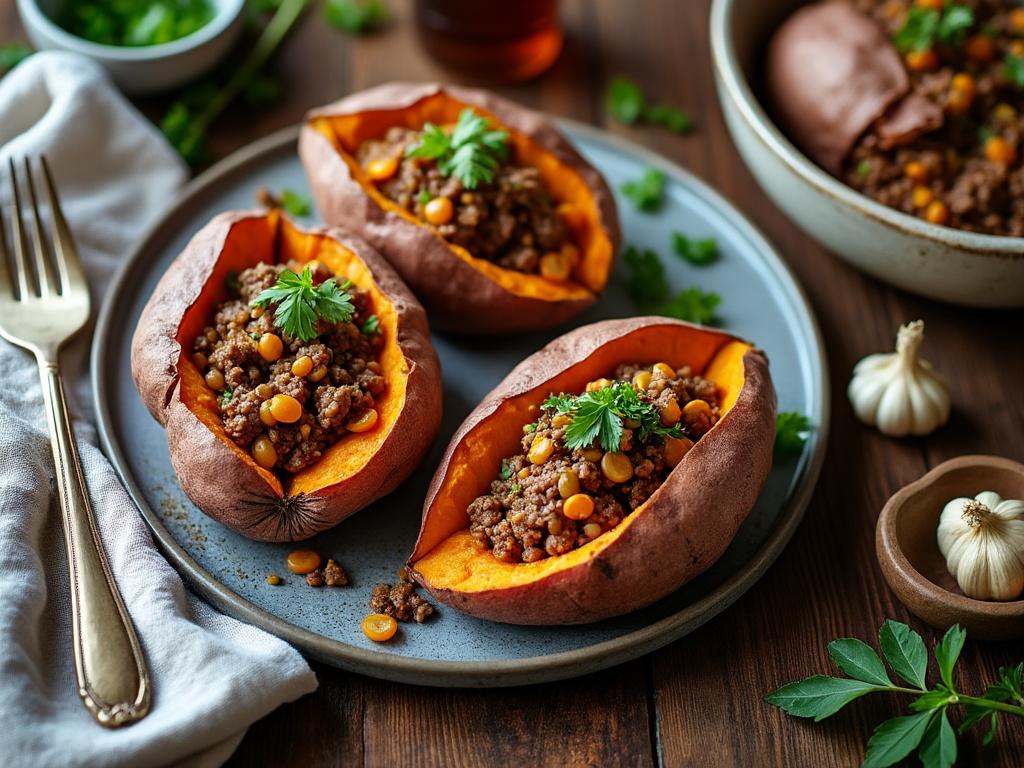
Spiced Beef and Lentil Stuffed Sweet Potatoes
Roasted sweet potatoes loaded with cumin-spiced ground beef, green lentils, and diced tomatoes. Topped with lime Greek yogurt. Ready in 50 minutes.
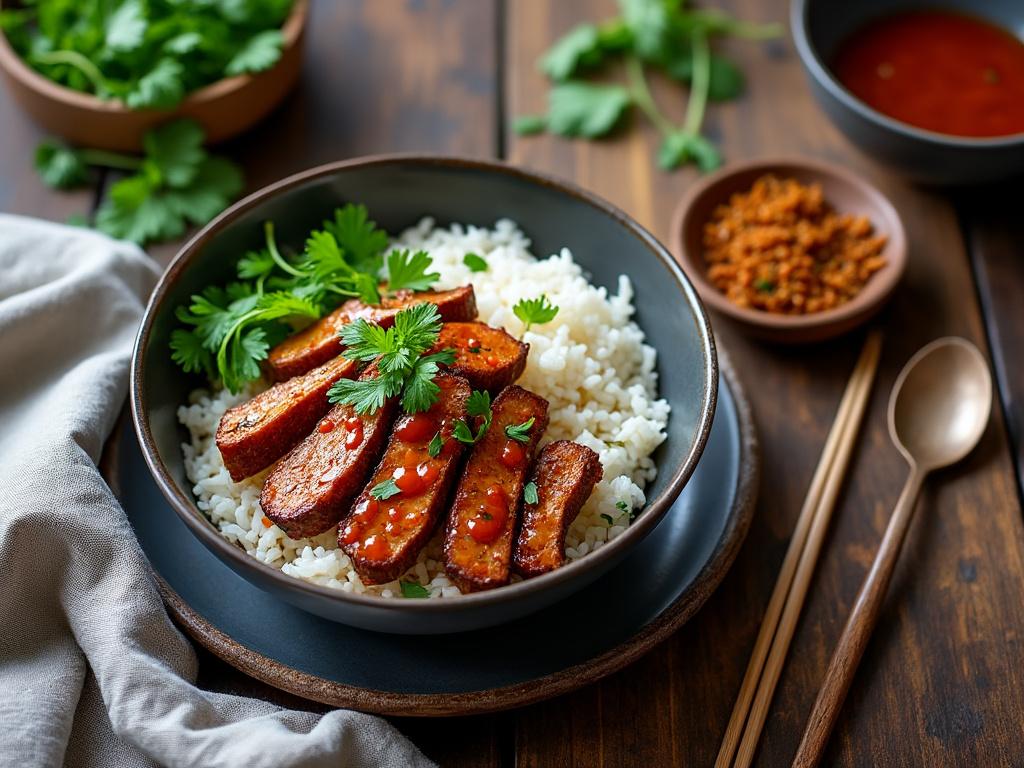
Spicy Korean Pork Bulgogi Rice Bowls
Tender gochujang-marinated pork, crispy-edged and caramelized, served over short-grain rice with pickled cucumbers and sesame spinach.
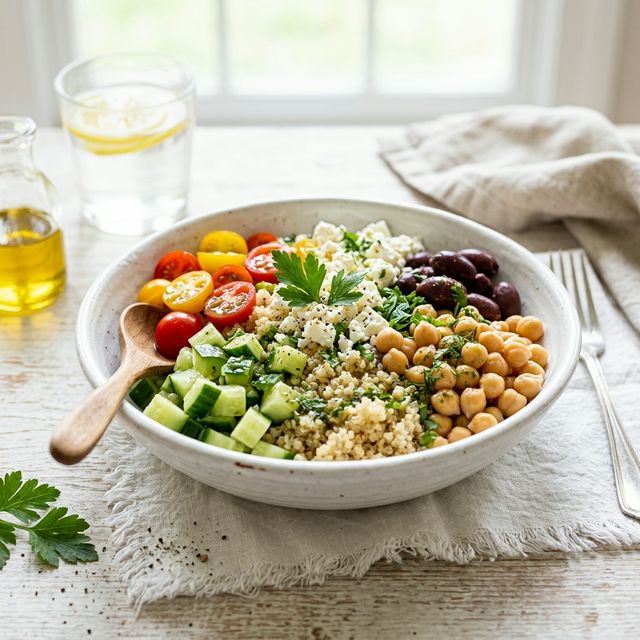
Mediterranean Quinoa Bowl
A meal-prep-friendly Mediterranean quinoa bowl with chickpeas, Kalamata olives, feta, and a sharp lemon-oregano dressing. Ready in 30 minutes.