Spicy Pork and Kimchi Jjigae with Silken Tofu
A deeply savory Korean pork and kimchi stew with silken tofu. Bold, funky, fiery — ready in under an hour on the stovetop.

Kimchi jjigae is one of those stews that rewards neglect — the longer fermented your kimchi, the funkier and more complex the broth gets. This version uses fatty pork shoulder, well-aged kimchi (look for jars that have been open in your fridge for at least two weeks), and silken tofu that melts into the broth like a second thickener. The key technique here is rendering the pork directly in the pot first, then using that fat to bloom the gochugaru before any liquid goes in. That step alone is what separates a murky, flat jjigae from one with real depth and a rust-red color that coats the back of a spoon.
Expect a broth that's sour, spicy, and savory all at once, with silken tofu that barely holds its shape and pork that shreds between your fingers. This is a hard-working weeknight meal — one pot, one cutting board, minimal fuss. Serve it straight from the pot over short-grain rice with a bowl of extra kimchi on the side. If your stew tastes flat halfway through cooking, add another tablespoon of gochujang and a splash more fish sauce rather than salt alone.
Ingredients
- ▸ 1 lb boneless pork shoulder, cut into 1-inch cubes
- ▸ 1.5 cups well-fermented napa cabbage kimchi, roughly chopped
- ▸ 3 tbsp kimchi brine (from the jar)
- ▸ 2 tbsp gochugaru (Korean red pepper flakes)
- ▸ 2 tbsp gochujang (Korean red pepper paste)
- ▸ 1 tbsp fish sauce
- ▸ 1 tbsp soy sauce
- ▸ 1 tsp sesame oil
- ▸ 4 cloves garlic, minced
- ▸ 1 tsp fresh ginger, grated
- ▸ 1 cup yellow onion, thinly sliced (about 1 small onion)
- ▸ 3.5 cups low-sodium chicken stock (or anchovy-kelp dashi)
- ▸ 14 oz silken tofu, cut into 1-inch blocks
- ▸ 3 scallions, thinly sliced (whites and greens separated)
- ▸ 1 tsp neutral oil (such as grapeseed or canola)
- ▸ 1/2 tsp granulated sugar
- ▸ 1/4 tsp ground white pepper
🛒 Links may earn us a small commission at no cost to you.
Recommended Gear
🛒 We may earn a small commission at no extra cost to you. We only recommend gear we'd use ourselves.
Instructions
Prep
- 1. Pat the pork shoulder cubes dry with paper towels — surface moisture is the enemy of a good sear. Season lightly with the white pepper. Slice the onion thin, mince the garlic, grate the ginger, chop the kimchi into rough 1-inch pieces, and separate your scallion whites from greens. Have everything at arm's reach before heat goes on.
- 2. Cut the silken tofu block into 1-inch cubes directly in its packaging or on a flat plate, using a sharp knife. Handle it gently — it will break if you rush it. Set aside at room temperature while you cook the stew.
Build the Base
- 1. Heat a 4-quart Dutch oven over medium-high heat. Add the neutral oil and let it shimmer, about 1 minute. Add the pork in a single layer — you should hear an immediate, aggressive sizzle. Sear without touching for 3 to 4 minutes until deeply browned on at least one side. The pork will smell nutty and caramelized. Work in batches if needed; crowding means steaming, not browning. Remove pork and set aside.
- 2. Reduce heat to medium. Add the sliced onion and scallion whites to the fat left in the pot. Cook, stirring occasionally, for 4 to 5 minutes until the onion softens and turns translucent at the edges — it should smell sweet and faintly savory. Add the garlic and ginger and stir for 60 seconds until fragrant and just beginning to stick to the bottom of the pot.
- 3. Add the chopped kimchi directly to the pot. Cook, stirring, for 3 to 4 minutes until the kimchi darkens slightly and loses its raw crunch — it will smell tangy and toasty, and the liquid in the pot will nearly evaporate. This step concentrates the flavor significantly; don't rush it.
- 4. Push the kimchi and aromatics to one side. Add the gochugaru and gochujang to the cleared space and let them sizzle in the residual oil for 30 to 45 seconds, stirring constantly, until the paste deepens to a brick-red and smells smoky and slightly sweet. Immediately stir everything together so the spices coat the kimchi and aromatics evenly.
Simmer
- 1. Return the seared pork to the pot. Pour in the chicken stock, kimchi brine, fish sauce, soy sauce, and sugar. Stir to combine. The broth should already look rust-red and smell intensely savory and spicy. Bring to a boil over high heat, then reduce to a steady simmer — small bubbles breaking the surface consistently, not a rolling boil.
- 2. Simmer uncovered for 20 to 25 minutes, stirring occasionally, until the pork is tender enough to break apart with light pressure and the broth has reduced and deepened in color. Skim any foam or excess fat from the surface after the first 10 minutes using a ladle. The broth should coat a spoon and smell deeply fermented and spicy.
- 3. Taste the broth. If it needs more heat, add another half tablespoon of gochujang. If it needs more depth, add a splash more fish sauce. If it tastes flat or one-dimensional, it likely needs more kimchi brine — add it one tablespoon at a time.
Finish and Serve
- 1. Reduce heat to low. Gently slide the silken tofu blocks into the broth in a single layer. Do not stir — use a spoon to nudge them under the surface, then leave them alone. Cook for 3 to 4 minutes until the tofu is heated through and just starting to puff slightly at the edges. It will be fragile; treat it gently.
- 2. Turn off the heat. Drizzle the sesame oil over the top and scatter the scallion greens across the surface. The oil will pool in glossy ribbons on the broth and smell nutty. Serve immediately, ladled directly into bowls, with short-grain rice on the side.
Cook's Notes
- Older kimchi is essential — jjigae made with fresh kimchi tastes flat and lacks the sour backbone the dish is built on. Buy two jars and intentionally let one age in the fridge for two to three weeks before using it.
- Do not substitute firm tofu for silken here. The silken tofu dissolves slightly at the edges and thickens the broth. Firm tofu gives you an entirely different (and less traditional) texture.
- Skimming the fat and foam during the first simmer matters — pork shoulder releases a fair amount of grey foam in the first 10 minutes, and leaving it in makes the broth taste muddy.
- Letting the stew rest for 5 minutes off heat before serving allows the flavors to settle and the tofu to firm up just slightly so it's easier to ladle without it shattering.
- If cooking for two, halve all ingredients but keep the cook time the same — the broth reduction timing doesn't change significantly with a smaller batch.
Pro Tips
- → The gochugaru bloom step (step 5) is where most home cooks lose time — they skip it or rush past it. Thirty seconds of direct heat on those flakes in the residual oil transforms the raw spice into something roasty and complex. Don't skip it, and don't let it burn — if it smells acrid rather than sweet, you've gone too far and should start the aromatics over.
- → If your broth tastes sour but one-dimensional at the 20-minute mark, it's usually because the kimchi wasn't cooked long enough in step 4. The fix mid-cook: crank the heat briefly and let the broth reduce for an extra 5 minutes uncovered before adjusting seasoning.
- → Silken tofu will turn grainy if the broth is at a hard boil when you add it — always drop the heat to low and let the stew settle before the tofu goes in. If it breaks apart, it's still edible, but you lose the visual contrast.
- → For a richer broth without extra ingredients, save the pork scraps and any bones from previous cuts and simmer them in the stock for 15 minutes before starting the recipe. Strain, then use that enriched liquid as your base.
- → Gochujang brands vary wildly in salt and sweetness levels. CJ Haechandle is the most common and has a reliable, balanced heat. Bibigo runs sweeter and less spicy — if that's what you have, add an extra pinch of gochugaru and reduce the sugar to a bare pinch.
- → If the stew tastes too spicy after the fact, stir in a tablespoon of unsalted butter off the heat — fat absorbs capsaicin and rounds the heat significantly without muddying the broth the way cream would.
What to Serve With This
Short-grain white rice is non-negotiable here. The starchy, slightly sticky texture of brands like Koshihikari or Nishiki absorbs the spicy broth and keeps each bite grounded. Cook it plain — no butter, no seasoning — so it contrasts rather than competes with the stew's intensity. A small bowl on the side lets each person control the ratio.
For a simple vegetable side, a plate of quick-blanched spinach dressed with sesame oil, soy sauce, and a pinch of sugar cuts the heat and adds a cooling green element without asking much of the cook. Pickled daikon (danmuji) or store-bought banchan also work well — the acidity echoes the kimchi without doubling down on the funk.
For drinks, an ice-cold Korean lager like Hite or Cass is the classic call — carbonation and neutral malt scrub the chili heat off your palate between bites. If you want something with more character, a dry, off-dry Riesling from Alsace handles the spice through residual sweetness without overwhelming the fermented notes in the broth. Avoid tannic reds; they clash hard with gochugaru.
For a non-alcoholic option, barley tea (boricha) served cold is traditional for good reason — its faintly toasty bitterness is a natural counterpoint to the stew's sourness and heat.
Variations & Substitutions
For a fully vegetarian version, swap the pork shoulder for 8 oz of extra-firm tofu cut into 1-inch cubes (use it in addition to or instead of the silken tofu), replace the fish sauce with 2 tbsp soy sauce plus 1 tsp rice vinegar, and use vegetable stock in place of the anchovy broth. Make sure your kimchi is vegan — many commercial brands contain fish sauce or salted shrimp. Nasoya and Wildbrine both make reliably vegan kimchi.
If you want a seafood variation, replace the pork entirely with 8 oz of littleneck clams and 6 oz of medium shrimp. Add the clams when the broth first comes to a boil, then the shrimp in the final 3 minutes. The broth will be lighter and brinier — reduce the gochugaru by half a tablespoon since seafood jjigae traditionally skews less aggressively spicy.
For a richer, more unctuous version closer to a restaurant-style sundubu jjigae, use 1 lb of pork belly instead of shoulder and skip browning it — slice it thin and let it poach directly in the broth. The fat renders into the liquid and creates a silkier, heavier texture. Add a whole dried shiitake mushroom to the broth for the first 20 minutes, then discard it.
To scale this up for six people, increase pork to 1.5 lbs, kimchi to 2 cups, and liquid to 5 cups total. Keep the gochujang and fish sauce the same and adjust seasoning at the end — the fermented ingredients scale more aggressively than you'd expect.
Frequently Asked Questions
What kind of kimchi works best for jjigae? ▼
Older, more fermented kimchi is ideal — look for a jar that's been open and refrigerated for at least two to three weeks, or specifically labeled 'ripe' or 'sour.' Fresh, crunchy kimchi hasn't developed the acidity and funk that makes jjigae broth complex. If your kimchi is very fresh, add an extra tablespoon of rice vinegar to compensate.
Can I use a different cut of pork? ▼
Yes. Pork belly is the most traditional choice and gives a richer broth, though it won't shred the same way. Pork loin works in a pinch but goes dry quickly — if you use it, cut the cook time by 10 minutes and pull it out before it tightens up. Shoulder is the most forgiving and the best all-around option for home cooks.
What is gochugaru and can I substitute it? ▼
Gochugaru is Korean red pepper flakes — coarser and less harsh than cayenne, with a fruity, smoky quality. Find it at any Asian grocery store or online. In a pinch, use 1 tablespoon of mild paprika plus 1 teaspoon of cayenne per 2 tablespoons of gochugaru, but the flavor won't be the same. Do not substitute straight red pepper flakes — they're sharper and will make the stew bitter.
How do I store and reheat leftovers? ▼
Store in an airtight container in the fridge for up to 4 days. Reheat gently on the stovetop over medium-low heat — the silken tofu will break apart more the longer it cooks, which is fine. Add a splash of water or stock if the stew has thickened too much overnight. The flavor actually improves on day two as the kimchi continues to meld with the broth.
Can I freeze kimchi jjigae? ▼
You can freeze it, but the silken tofu will completely disintegrate after thawing — the texture becomes grainy and watery. If you plan to freeze it, leave the tofu out entirely and add fresh tofu when you reheat. The pork and broth freeze well for up to 2 months. Thaw overnight in the fridge and reheat on the stovetop.
My stew doesn't taste sour enough. What went wrong? ▼
Almost certainly a fresh kimchi issue. Add 1 to 2 tablespoons of rice vinegar or kimchi brine directly to the pot and taste again. You can also add a small squeeze of lemon juice in a pinch. Next time, seek out older, more fermented kimchi — the sourness is the structural backbone of the dish.
What's the anchovy broth and can I skip it? ▼
Anchovy broth (made from dried anchovies and dried kelp) is the traditional base for jjigae and gives the stew a deep, oceanic umami backbone. You can buy dashi packets at most Asian grocery stores, or simply use low-sodium chicken stock as a substitute. Water works too, but the stew will taste noticeably thinner — add an extra teaspoon of fish sauce to compensate.
Can I make this in a slow cooker? ▼
Partially. Brown the pork and bloom the gochugaru on the stovetop first, then transfer everything except the tofu to the slow cooker. Cook on low for 6 hours or high for 3 hours. Add the silken tofu in the last 20 minutes on high. The stew will be slightly less punchy because slow cookers don't allow much evaporation — leave the lid slightly ajar in the last 30 minutes to concentrate the broth.
Is this dish gluten-free? ▼
It can be. Most gochujang contains wheat — look for a certified gluten-free gochujang like Mother-in-Law's or Wholly Gochujang. Soy sauce in the recipe can be replaced with tamari 1:1. Check your kimchi label as well, since some brands add small amounts of soy sauce during fermentation.
How spicy is this recipe and how do I dial it down? ▼
At full recipe amounts, this is moderately spicy — noticeable heat that builds over the meal, but not punishing. To reduce spice, cut the gochugaru to 1 tablespoon and the gochujang to 1 tablespoon, then add a teaspoon of sugar to balance. Do not skip both entirely or the broth loses its character entirely — the gochugaru does more for color and depth than pure heat.
Enjoyed this recipe?
Daily Home Cookery is self-funded. If something you cooked here made dinner a little better, a coffee keeps the kitchen running.
☕ Buy me a coffeeYou Might Also Like
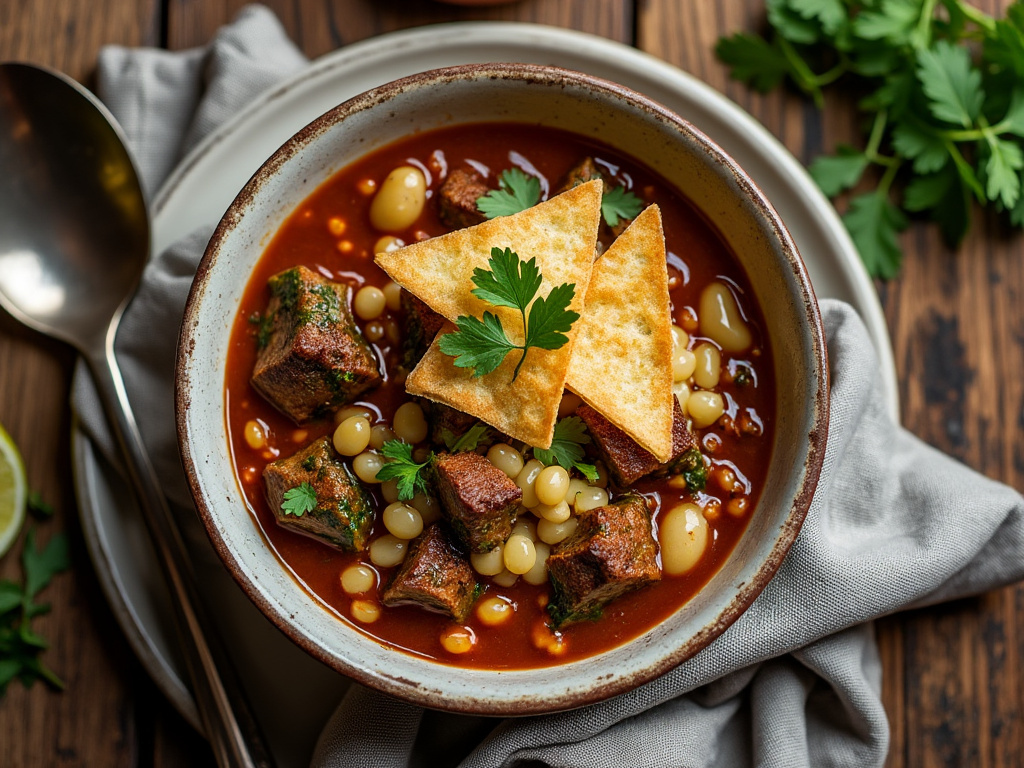
Green Chile Pork Posole with Hominy and Crispy Tortilla Strips
Hearty pork posole with roasted green chiles, chewy hominy, and crispy tortilla strips. A bold, satisfying stew ready in under 2 hours.
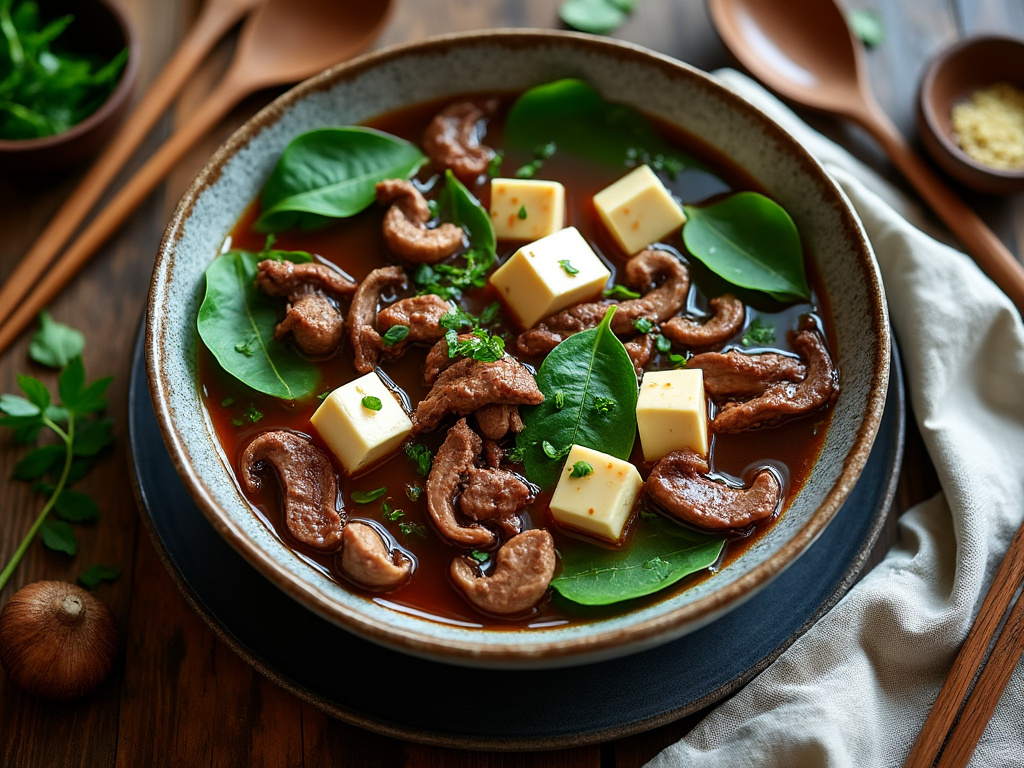
Sichuan-Spiced Beef and Tofu Hot Pot with Sesame Broth
A deeply aromatic Sichuan hot pot with thinly sliced beef, silken tofu, and a numbing sesame-chili broth. Ready in 65 minutes.
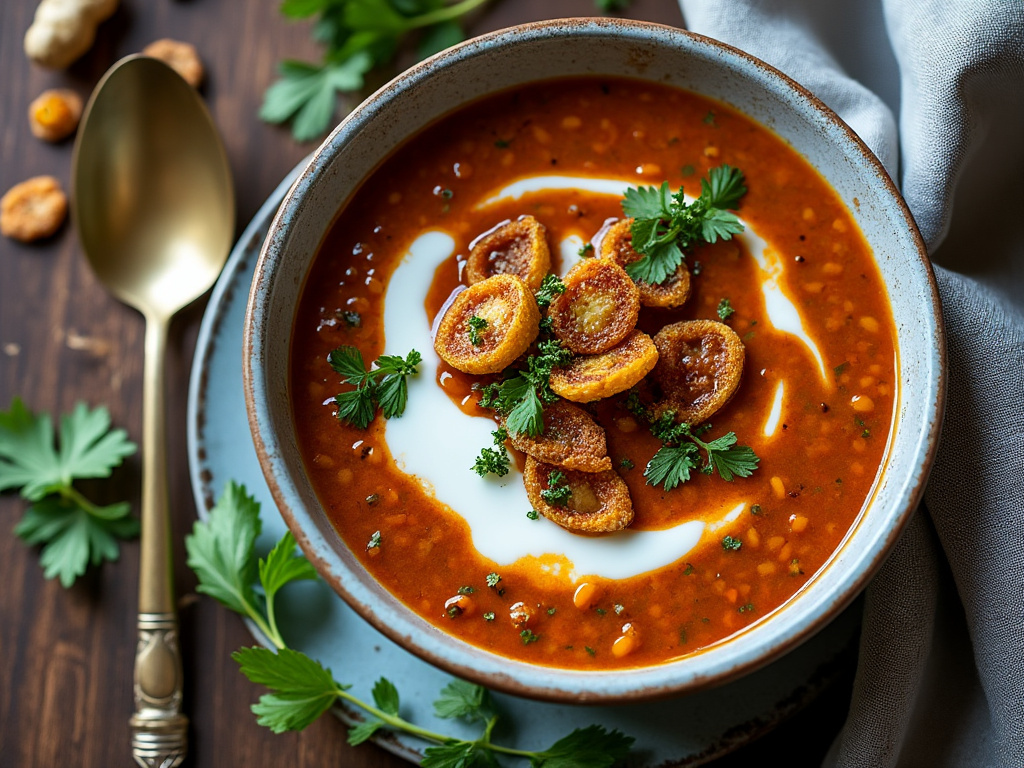
Berbere-Spiced Red Lentil Soup with Crispy Fried Shallots and Lemon Yogurt
A deeply spiced Ethiopian-inspired red lentil soup topped with crispy fried shallots and cool lemon yogurt — weeknight-fast, meal-prep friendly.