Szechuan Dry-Fried Green Beans with Ground Pork and Pickled Chilies
Blistered green beans, savory ground pork, and pickled chilies in a numbing Szechuan sauce. Ready in 35 minutes, better than takeout.
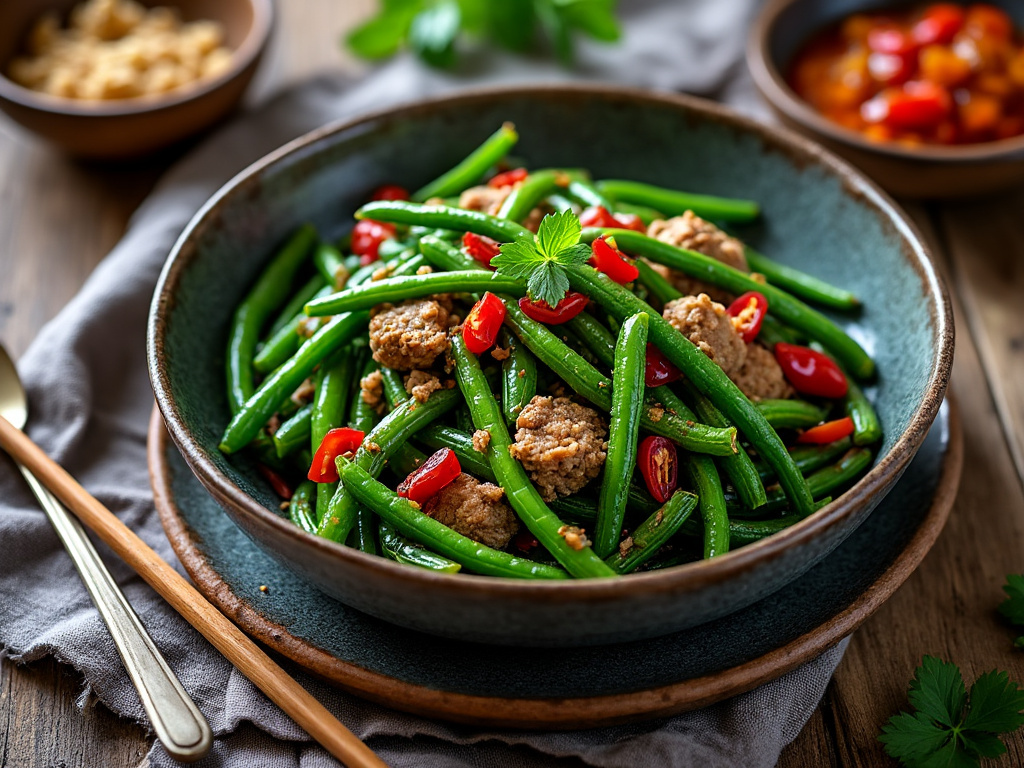
Dry-fried green beans are one of those dishes where the technique is everything — you're essentially searing the moisture out of the beans until they blister and wrinkle, which concentrates their flavor and gives them a meaty, almost smoky chew that steamed or blanched beans will never have. The key is a screaming-hot wok or skillet and the patience to leave the beans alone long enough to char properly. This version layers in ground pork seasoned with pickled chilies (pao jiao, sold in jars at most Asian grocery stores or online), Szechuan peppercorns for that signature mouth-numbing tingle, and a splash of Shaoxing wine that caramelizes fast in the residual heat. Expect bold, salty, slightly funky, and just enough heat to keep you eating. This is a weeknight dinner served over steamed white rice — two components, one pan, done in 35 minutes. If the beans aren't blistering in the first two minutes, your pan isn't hot enough; crank the heat and don't crowd the pan.
Ingredients
- ▸ 1 lb fresh green beans, stem ends trimmed, cut into 3-inch pieces
- ▸ 8 oz ground pork (80/20)
- ▸ 3 tbsp neutral oil (such as avocado or grapeseed), divided
- ▸ 3 tbsp pao jiao (Chinese pickled chilies), roughly chopped
- ▸ 4 cloves garlic, minced
- ▸ 1 tsp fresh ginger, finely grated
- ▸ 1 tsp Szechuan peppercorns, toasted and coarsely ground
- ▸ 2 tbsp Shaoxing rice wine
- ▸ 2 tbsp soy sauce
- ▸ 1 tbsp oyster sauce
- ▸ 1 tsp fish sauce
- ▸ 1 tsp toasted sesame oil
- ▸ 1 tsp sugar
- ▸ 0.5 tsp dried chili flakes
- ▸ 2 scallions, thinly sliced (for garnish)
- ▸ 1 tsp toasted sesame seeds (for garnish)
🛒 Links may earn us a small commission at no cost to you.
Recommended Gear
🛒 We may earn a small commission at no extra cost to you. We only recommend gear we'd use ourselves.
Instructions
Prep
- 1. In a small bowl, combine the soy sauce, oyster sauce, fish sauce, Shaoxing wine, sugar, and sesame oil. Stir until the sugar dissolves — this is your sauce, and having it pre-mixed means you won't burn anything scrambling for bottles once the wok is hot.
- 2. Toast the Szechuan peppercorns in a dry skillet over medium heat for 90 seconds, shaking the pan constantly, until fragrant and just beginning to smoke. Transfer immediately to a mortar and pestle or spice grinder and crush to a coarse powder — you want texture, not a fine dust.
- 3. Pat the green beans completely dry with paper towels. Any surface moisture will cause violent spitting when they hit the hot oil and will prevent blistering. Dry beans blister; wet beans steam.
Blister the Beans
- 1. Heat a 12-inch stainless steel skillet or wok over high heat for 2 full minutes until the pan is visibly smoking. Add 2 tbsp of the neutral oil and swirl to coat. Add the green beans in a single layer — you should hear an immediate, aggressive sizzle. Leave them completely undisturbed for 2 minutes until the undersides are deeply blistered and dark in spots.
- 2. Toss the beans with tongs and continue cooking for another 3-4 minutes, tossing every 60 seconds, until the beans are wrinkled all over, spotted with char, and have reduced noticeably in volume. Transfer to a plate and set aside — they'll look almost shriveled, which is exactly right.
Cook the Pork
- 1. Return the pan to high heat. Add the remaining 1 tbsp oil. Add the ground pork in a single, flat layer — resist the urge to break it up immediately. Let it sear undisturbed for 90 seconds until the bottom develops a deep golden-brown crust and you can smell the fat rendering.
- 2. Break the pork apart with a wooden spoon into small, irregular pieces. Continue cooking for 2-3 minutes, stirring occasionally, until no pink remains and the pieces have crisp, caramelized edges. The pan should sound loud and sizzling throughout — if it goes quiet, the heat has dropped; turn it back up.
- 3. Add the pickled chilies, garlic, ginger, ground Szechuan peppercorns, and dried chili flakes directly to the pork. Stir-fry constantly for 60-90 seconds until the garlic smells toasted and sweet (not raw and sharp) and the chilies are fragrant.
Combine and Finish
- 1. Return the blistered green beans to the pan. Pour the pre-mixed sauce over everything. Toss aggressively with tongs or a spatula for 60-90 seconds — you want the sauce to coat every bean and reduce slightly until it clings rather than pools in the bottom of the pan. The beans should look glossy and dark.
- 2. Remove the pan from heat. Taste and adjust — if it needs salt, add a few drops more soy sauce; if it's too intense, a pinch more sugar rounds it out. Transfer to a serving platter, scatter the sliced scallions and sesame seeds over the top, and serve immediately over steamed white rice.
Cook's Notes
- Dry the green beans thoroughly before they hit the pan — this is the single most important prep step. Even a little surface moisture will cause steaming instead of blistering.
- Pre-mix your sauce before you start cooking. This whole dish moves fast once the pork goes in, and there's no time to measure while things are searing.
- Szechuan peppercorns lose their numbing potency quickly once ground — toast and grind them fresh each time, just before cooking.
- If your stove runs cool, cook the green beans in two batches to maintain pan temperature. A crowded pan drops the heat fast and you'll get braised, not blistered, beans.
- Pao jiao vary in salt level by brand — taste the sauce before adding any additional soy sauce at the end, especially if using a new jar.
Pro Tips
- → The beans need to be genuinely dry and genuinely hot — if they're hissing softly rather than crackling violently when they hit the oil, pull them out, let the pan reheat for another 90 seconds, and try again. Soft hissing means steam, not char.
- → If your sauce looks thin and watery after tossing with the beans, it's because too much moisture released from the beans during cooking. Crank the heat to high and toss for another 30-60 seconds — it should reduce and cling within a minute.
- → Ground pork with at least 20% fat is important here — leaner blends stick to the pan and turn dry before they can develop flavor. If you only have lean pork, add ½ tbsp extra oil when it goes into the pan.
- → The Szechuan peppercorn numbness hits about 30 seconds after you swallow — if you taste for seasoning and the heat seems low, wait before adding more. The tingle builds, and overdoing the peppercorn turns the dish medicinal.
- → Pao jiao add both salt and acid — if you substitute plain fresh or dried chilies, you're losing that fermented tang. Add ½ tsp of rice vinegar and a small pinch of extra salt to approximate the missing dimension.
- → If the garlic starts smelling sharp and bitter rather than sweet and toasted during the stir-fry step, your heat was too high and it's beginning to burn — deglaze immediately with the Shaoxing wine (even before adding the beans back) to halt the cooking.
What to Serve With This
Steamed jasmine rice is the obvious and correct choice — it absorbs the savory, oily pan sauce and tempers the Szechuan peppercorn heat. Use a rice cooker ratio of 1:1.25 rice to water for slightly firmer grains that hold up under the sauce rather than turning mushy. A simple egg drop soup or a clear miso broth alongside keeps the meal light and provides a palate reset between bites of the intensely flavored beans.
For drinks, a cold Tsingtao or Asahi lager cuts through the chili heat with low bitterness that won't compete. If you prefer wine, go for an off-dry German Riesling Spätlese — the residual sugar actively dampens capsaicin heat, and the high acidity mirrors the pickled chili tang in the dish. Avoid full-bodied reds here; tannins and Szechuan peppercorn numbness create an unpleasant metallic clash.
A non-alcoholic option that genuinely works: chilled jasmine tea with a squeeze of fresh lime. The floral notes echo the subtle perfume of the Szechuan peppercorns, and the slight astringency cleanses the palate without sweetness.
If you want a full spread, add a simple cucumber salad — smashed cucumbers dressed with rice vinegar, toasted sesame oil, and a pinch of sugar. The cool, acidic crunch plays directly against the hot, fatty beans and makes the whole meal feel balanced rather than one-note.
Variations & Substitutions
For a vegetarian version, replace the ground pork with 6 oz of finely crumbled extra-firm tofu (press it dry for 20 minutes first) or finely diced shiitake mushroom caps. Use the same quantity and cook them the same way — let them sit undisturbed in the hot oil until golden before breaking them up. Add 1 tsp of soy sauce directly to the tofu or mushrooms to compensate for the savory depth the pork provides. Swap the fish sauce for an additional ½ tsp of dark soy sauce.
No Szechuan peppercorns? Substitute ¼ tsp of black pepper plus ¼ tsp of finely grated lemon zest added at the end — it's not the same numbing quality, but it approximates the citrusy, aromatic edge. If you can't find pao jiao (pickled chilies), use 2 tbsp of finely chopped kimchi plus ½ tsp of white wine vinegar; it brings a similar fermented heat.
To scale for two people, halve all ingredients but keep the same pan size — don't downsize to a smaller skillet, because surface area is what drives the blistering. For a crowd of six to eight, cook in two separate batches rather than doubling into one pan; overcrowding is the single biggest reason dry-fried beans come out steamed and limp instead of charred.
For a gluten-free version, substitute tamari 1:1 for the soy sauce and use dry sherry in place of Shaoxing wine at the same measurement. Check your oyster sauce label — Lee Kum Kee makes a gluten-free oyster-flavored sauce that works identically here.
Frequently Asked Questions
Can I use frozen green beans instead of fresh? ▼
Frozen green beans have too much water content and will steam rather than blister — you'll end up with soft, pallid beans instead of the wrinkled, charred texture that defines this dish. Fresh green beans are non-negotiable here. If fresh beans look limp at the store, skip this recipe for the week rather than settling.
What are pao jiao and where do I find them? ▼
Pao jiao are Chinese pickled chilies — small, mildly spicy, fermented in brine with a tangy funk that's distinct from raw or dried chilies. Look for them in jars in the condiment aisle of any Asian grocery store, often labeled 'pickled peppers' or 'paojiao'. If you can't find them locally, they're widely available on Amazon. Once opened, they keep refrigerated for several months.
My beans aren't blistering — what am I doing wrong? ▼
Almost always, it's one of two things: the pan isn't hot enough, or you've crowded the beans. The pan should be smoking visibly before the beans go in. If you're cooking on an electric stove, preheat the skillet for at least 3-4 minutes on high. Cook in two batches if needed — a single layer wins every time.
Can I make this ahead for meal prep? ▼
The beans are best eaten immediately or within 2 hours — they lose their blister and turn soft in the refrigerator. That said, you can prep the pork mixture (seasoned, uncooked) up to 24 hours ahead and store it covered in the fridge. Blister the beans to order, then the whole dish comes together in under 10 minutes.
How do I store and reheat leftovers? ▼
Store leftovers in an airtight container in the refrigerator for up to 3 days. Reheat in a dry skillet over high heat for 2-3 minutes, tossing constantly, until the beans re-crisp slightly. Microwave reheating makes them rubbery and steamy — use the skillet. Add a tiny splash of water if the sauce has dried out and clumped.
Can I freeze this dish? ▼
Don't freeze it. The green beans become mushy and waterlogged once thawed, and the texture that makes this dish worth making is entirely gone. This recipe is designed for fresh, fast cooking — make only what you'll eat within a few days.
How spicy is this, and can I adjust the heat? ▼
As written, this is moderately spicy — enough heat to feel it, but not overwhelming. To dial it back, reduce the pickled chilies to 1 tbsp and omit the dried chili flakes. To increase the heat, add 1 tsp of chili bean paste (doubanjiang) with the pork for a deeper, fermented chili heat on top of the pickled chili brightness.
I don't have a wok. Can I use a regular skillet? ▼
Yes — a 12-inch stainless steel or cast iron skillet works well, though it holds heat differently than a wok. Stainless steel is actually preferable to nonstick here because you need the pan screaming hot, and most nonstick coatings degrade above 500°F. Cast iron retains heat well but heats slowly, so preheat it for an extra minute. Avoid using the beans-blistering method in a nonstick pan.
Can I use a different ground meat? ▼
Ground turkey works but needs a bit more fat — add an extra ½ tbsp of oil to the pan so it doesn't stick and turn chalky. Ground chicken is too lean and mild; it gets lost against the bold sauce. Ground beef at 80/20 fat ratio works well and adds a richer, earthier note that pairs nicely with the Szechuan peppercorns.
Do I need to trim both ends of the green beans? ▼
Trim the stem end (the tough, fibrous end that was attached to the plant) — that one is necessary. The tail end (the thin, tapered tip) is edible and fine to leave on, which saves time. Snap or cut the beans into roughly 3-inch lengths so they cook evenly and are easy to eat with chopsticks or a fork.
Enjoyed this recipe?
Daily Home Cookery is self-funded. If something you cooked here made dinner a little better, a coffee keeps the kitchen running.
☕ Buy me a coffeeYou Might Also Like
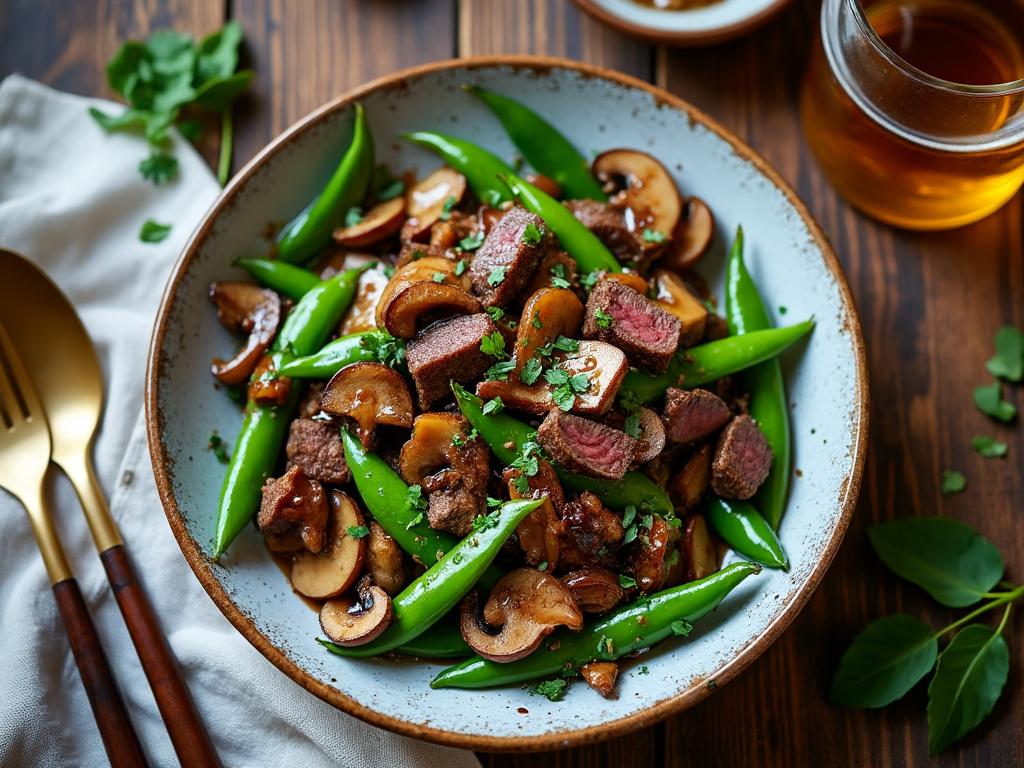
Soy-Ginger Beef Stir-Fry with Snap Peas and Mushrooms
Tender seared beef sirloin, crisp snap peas, and cremini mushrooms tossed in a soy-ginger sauce. Ready in 27 minutes — one wok, weeknight-fast.
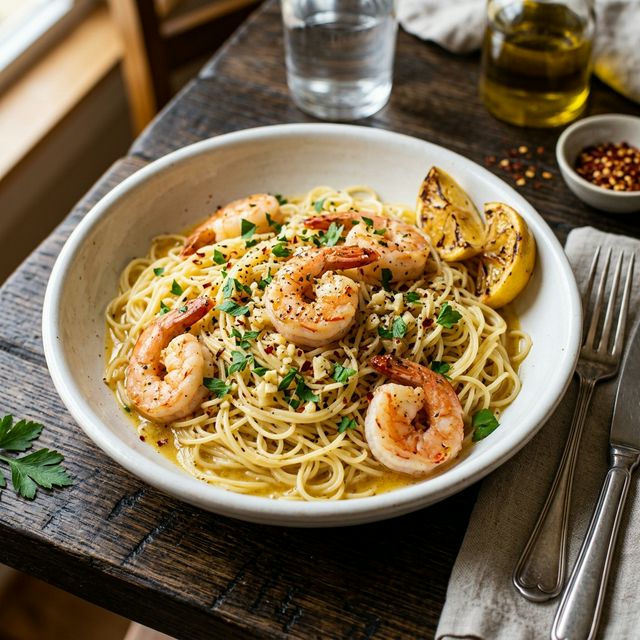
Garlic Butter Shrimp Scampi
Ready in 18 minutes, this shrimp scampi uses white wine, lemon, and a double butter technique for a glossy sauce that clings to angel hair pasta.
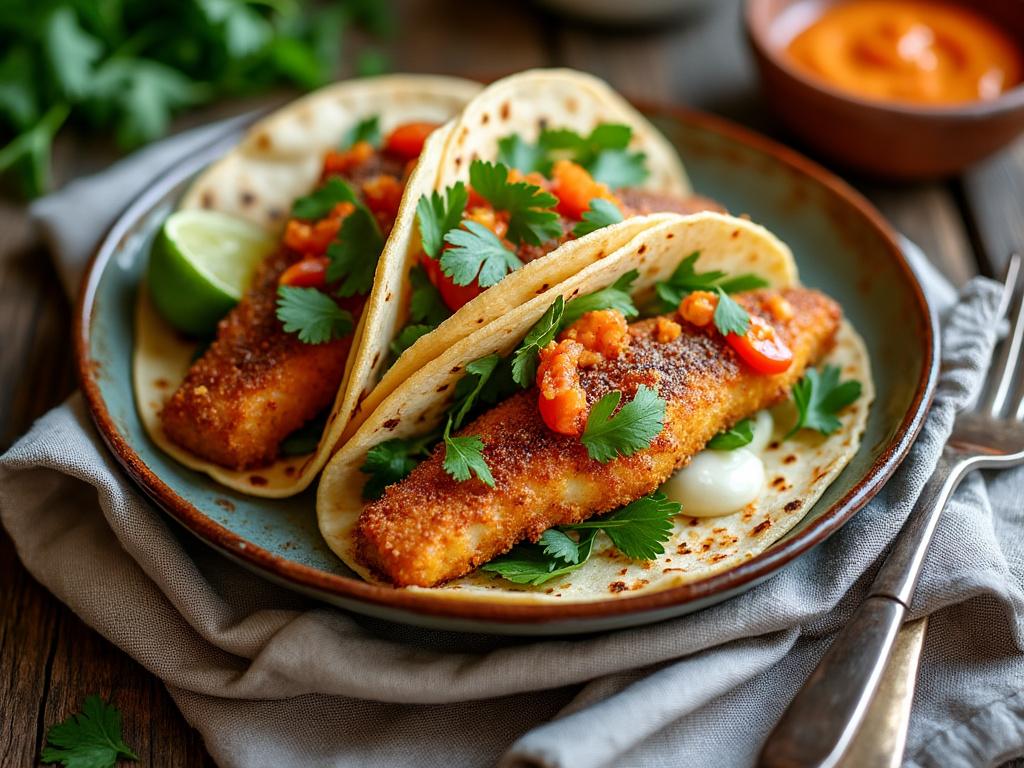
Crispy Fish Tacos with Chipotle Crema
Crispy double-dredged cod or mahi-mahi tacos with a smoky chipotle crema. Ready in 27 minutes — weeknight-fast with real crunch.