Taiwanese Three-Cup Chicken with Basil and Sticky Rice
Bold, lacquered Taiwanese three-cup chicken with sesame oil, soy, rice wine, and crispy basil — weeknight-ready in 45 minutes.
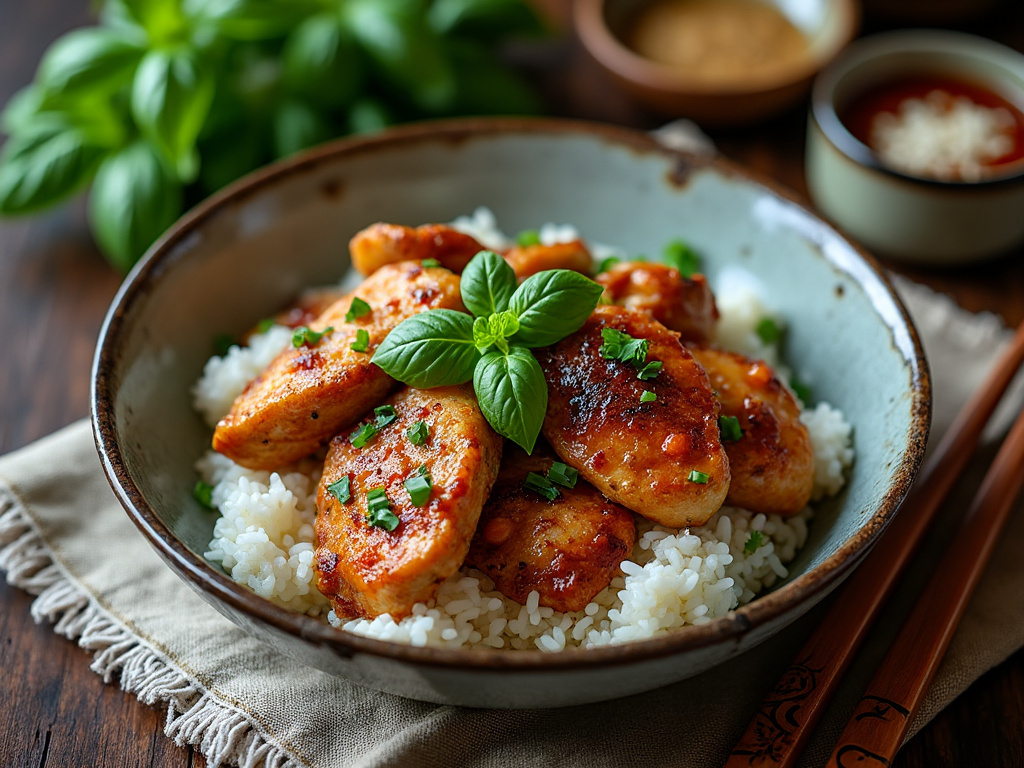
Three-cup chicken (san bei ji) is named for its three foundational liquids — sesame oil, soy sauce, and rice wine — and when they reduce together with garlic, ginger, and a pile of fresh Thai basil, they form a thick, almost candy-dark glaze that coats every piece of chicken. This is not a delicate dish. The sauce should be assertive, slightly sweet, and faintly smoky from the wok's heat. The technique that makes it work is cooking the sesame oil and aromatics in a cold wok, then building heat gradually — this blooms the garlic and ginger without scorching the sesame, which turns bitter fast over high heat. Expect tender bone-in chicken pieces with glossy, caramelized exteriors and crispy basil leaves that shatter when you bite them. Serve over sticky rice to catch every drop of sauce — this is a weeknight dinner, but it's also the kind of meal that makes people ask for the recipe. If your sauce reduces too fast and starts burning, splash in 2 tablespoons of water and lower the heat immediately.
Ingredients
- ▸ 2.5 lbs bone-in, skin-on chicken thighs (about 5–6 pieces)
- ▸ 3 tbsp toasted sesame oil (divided)
- ▸ 3 tbsp Shaoxing rice wine
- ▸ 2 tbsp dark soy sauce (Pearl River Bridge recommended)
- ▸ 1 tbsp regular soy sauce
- ▸ 1 tbsp oyster sauce
- ▸ 1 tbsp granulated sugar
- ▸ 8 cloves garlic, smashed and peeled
- ▸ 1 oz fresh ginger, peeled and sliced into 1/4-inch coins (about 10 slices)
- ▸ 3 dried whole Thai chilies
- ▸ 1.5 cups fresh Thai basil leaves, loosely packed
- ▸ 1/2 tsp ground white pepper
- ▸ 1/4 tsp kosher salt
- ▸ 2 tsp cornstarch
- ▸ 2 tbsp cold water
- ▸ 2 scallions, sliced thin on the bias (for garnish)
🛒 Links may earn us a small commission at no cost to you.
Recommended Gear
🛒 We may earn a small commission at no extra cost to you. We only recommend gear we'd use ourselves.
Instructions
Prep
- 1. Pat the chicken thighs completely dry with paper towels — every bit of surface moisture is the enemy of a good sear. Season both sides with 1/4 tsp kosher salt and 1/2 tsp ground white pepper. Set aside at room temperature for 15 minutes while you prep the aromatics.
- 2. Smash and peel the garlic cloves, slice the ginger into coins, and measure out the dried chilies. In a small bowl, whisk together the Shaoxing wine, dark soy, regular soy, oyster sauce, and sugar until the sugar dissolves. In a separate small bowl, stir the cornstarch into the cold water until smooth. Set both aside.
Sear the Chicken
- 1. Place the wok over medium heat. Add 2 tablespoons of sesame oil and let it heat for about 60 seconds — it should shimmer but not smoke. Lay the chicken thighs skin-side down in the wok. You should hear a steady sizzle, not an aggressive spit; if it's too loud, lower the heat slightly. Cook undisturbed for 6–7 minutes until the skin is deep golden and releases cleanly from the pan without tearing.
- 2. Flip the chicken with tongs and sear the flesh side for 4 minutes — it won't color as dramatically as the skin side, but look for light golden patches around the edges. Transfer the chicken to a plate; it won't be cooked through yet. Pour off all but about 1 tablespoon of the fat in the wok.
Build the Sauce
- 1. Add the remaining 1 tablespoon of sesame oil to the wok over medium heat. Add the garlic, ginger, and dried chilies. Cook, stirring constantly, for 2–3 minutes — the garlic edges will turn light gold and you'll smell a sweet, toasty aroma. If the garlic darkens past golden in under 90 seconds, your heat is too high; reduce it.
- 2. Pour the soy-wine mixture into the wok. It will bubble and steam immediately. Stir to combine with the aromatics, scraping up any browned bits on the bottom — this is flavor, don't waste it.
Braise and Glaze
- 1. Nestle the chicken thighs back into the wok, skin-side up. Bring the sauce to a steady simmer over medium-high heat, then cover loosely with a lid or foil and cook for 12 minutes. The liquid should be bubbling around the chicken, not boiling furiously.
- 2. Uncover the wok and increase heat to high. Let the sauce reduce for 5–8 minutes, spooning it over the chicken every minute or so. The sauce is ready when it coats a spoon heavily and the chicken looks lacquered and glossy rather than wet. Confirm the chicken is cooked through — it should reach 165°F on an instant-read thermometer inserted near the bone.
- 3. Give the cornstarch slurry a quick stir to re-suspend it, then pour it into the wok while stirring. The sauce will tighten to a thick glaze within 30–45 seconds. If it seizes up too fast, add a tablespoon of water and stir.
Finish and Serve
- 1. Remove the wok from heat. Add the Thai basil leaves all at once and fold them into the sauce with a spatula — they'll wilt and darken in about 20 seconds, turning glossy and deeply fragrant. Don't overcook them; you want crispy-edged leaves, not black mush.
- 2. Transfer the chicken to a serving platter or serve directly from the wok. Spoon all the remaining sauce and aromatics over the top. Scatter sliced scallions over everything. Serve immediately with steamed sticky rice.
Cook's Notes
- Don't skip drying the chicken skin — any moisture on the surface will cause the skin to steam instead of sear, and you'll end up with pale, flabby skin that won't absorb the glaze properly.
- The dried chilies in this recipe add aroma and gentle heat, not fire — leave them whole and they'll flavor the oil without making the dish spicy. If you want real heat, slice them open before adding.
- Thai basil is added off the heat for a reason: high direct heat will make it bitter and acrid. Residual heat from the sauce is enough to wilt and crisp it properly.
- This recipe scales well — double all ingredients and use a 16-inch wok or a wide braiser, but still sear the chicken in batches or the pan temperature will drop too much.
- Leftovers keep for 3 days refrigerated; the sauce thickens to almost jam-like consistency when cold, which makes it excellent the next day over plain rice with a fried egg on top.
Pro Tips
- → The biggest failure mode in this dish is a thin, watery sauce — it means the reduction phase was cut short. Resist the urge to cover the wok during the final 5–8 minutes; the steam needs to escape for the liquid to concentrate properly.
- → Bone-in thighs vary in thickness wildly by brand and butcher. If your thighs are particularly thick (over 1 inch at the thickest point), give them 2 extra minutes in the covered braise phase before uncovering to reduce. An undercooked thigh near the bone is the other common failure here.
- → Sesame oil has a low smoke point and burns fast — this is why you start it in a cold or medium-heat wok, not a screaming hot one. If you smell bitterness at any point during the aromatic-cooking step, your sesame oil has burned; wipe the wok and start the aromatics over with fresh oil.
- → If the sauce breaks into an oily, separated mess near the end, it usually means the heat was too high while the cornstarch slurry was added. Remove the wok from heat entirely, add the slurry off-heat, stir vigorously, and return to low heat — it should come back together.
- → For deeper wok hei (that smoky, charred breath that restaurant versions have), briefly crank the heat to maximum after the sauce has glazed the chicken and toss everything in the wok for 30–45 seconds. This requires a responsive gas burner — don't attempt it on a standard electric coil or you'll just dry out the sauce.
- → Save the fried garlic and ginger pieces from the sauce — they're completely edible and arguably the best bite in the dish. Don't strain them out before serving.
What to Serve With This
Sticky rice is non-negotiable here — the glutinous texture acts like a sponge for the dark, concentrated sauce. Rinse 1.5 cups of short-grain glutinous rice until the water runs clear and steam or rice-cook it plain. Regular jasmine rice works in a pinch, but you lose some of that satisfying chew. A simple stir-fried or blanched green vegetable cuts through the richness without competing: Chinese broccoli (gai lan) with oyster sauce, or plain blanched bok choy with a drizzle of sesame oil, both work beautifully.
For drinks, a cold Taiwanese lager like Taiwan Beer or a Japanese Sapporo echoes the rice wine used in cooking and provides a clean, effervescent contrast to the sticky glaze. If you prefer wine, a slightly off-dry Riesling from Alsace or Germany — something with 8–10g/L residual sugar — mirrors the sweet-savory balance in the dish without fighting the soy. Avoid tannic reds; they clash with the dark soy.
A non-alcoholic option: a tall glass of unsweetened barley tea (mugicha) served cold works surprisingly well. Its roasted, slightly bitter note cuts the richness of the sesame oil the same way beer would. Finish the meal with sliced cold mango or lychees from a can — both reset the palate cleanly after all that salty-sweet intensity.
Variations & Substitutions
For a boneless version, use 1.5 lbs of boneless, skinless chicken thighs cut into 2-inch pieces. Reduce the initial searing time to 3 minutes per side and cut the braising phase to 8–10 minutes, checking at the 8-minute mark — boneless pieces absorb the sauce faster and can turn rubbery if overcooked. The glaze will be slightly less dramatic without the collagen from bone-in pieces, but the flavor is identical.
To make this vegetarian, substitute 1 lb of extra-firm tofu (pressed for 30 minutes, then cubed) and 8 oz of king oyster mushrooms, halved lengthwise. Sear the tofu first until deeply golden on two sides, set aside, and cook the mushrooms separately until they release their liquid and begin to brown. Combine everything in the sauce for the final 5 minutes. Use a vegetarian oyster sauce (Lee Kum Kee makes one) and the same soy and sesame ratios — no other changes needed.
For a spicier version, add 2–3 dried whole Thai chilies to the wok with the garlic and ginger. They bloom in the sesame oil and build a low, building heat that doesn't overwhelm the basil. If you want a Sichuan-adjacent twist, add 1 teaspoon of doubanjiang (spicy bean paste) in place of 1 tablespoon of the dark soy — it adds fermented depth and a reddish color to the glaze.
To scale this up for 6–8 people, use a 14-inch wok or a wide braiser and increase all three liquids to 1/3 cup each. Do not crowd the pan for the initial sear — work in two batches or the chicken will steam instead of brown.
Frequently Asked Questions
Can I use chicken breast instead of thighs? ▼
You can, but bone-in, skin-on thighs are strongly recommended — the collagen in the bones enriches the sauce and the skin crisps in the sesame oil. Chicken breast cooks faster, dries out easily in this high-heat environment, and won't give you the same lacquered finish. If you must use breast, cut it into 2-inch chunks, add it after the sauce is already reduced, and cook for no more than 6 minutes total.
What's the difference between dark soy sauce and regular soy sauce? ▼
Dark soy sauce (Pearl River Bridge is a reliable brand) is thicker, less salty, and adds a deep mahogany color and slight molasses note. Regular soy sauce is thinner and saltier. In this recipe, using all regular soy will make the sauce too salty and pale. If you can't find dark soy, use 2 tablespoons regular soy plus 1 teaspoon molasses as a substitute — it's not perfect but gets you close.
What rice wine should I use? ▼
Shaoxing rice wine is the standard here — it's earthy, slightly sweet, and widely available in Asian grocery stores or online. Mijiu (Taiwanese rice wine) is more authentic to this dish and milder in flavor; use the same quantity. Dry sherry is an acceptable substitute in a pinch. Do not use rice wine vinegar — it will make the sauce sharp and acidic.
Can I make this ahead of time? ▼
The chicken reheats well, but the basil will lose its texture. Make the chicken and sauce up to 2 days ahead, refrigerate, and reheat gently in a skillet over medium-low with a splash of water to loosen the glaze. Add a fresh handful of Thai basil just before serving. The sauce will thicken further in the fridge, which is fine — just don't overheat it or it can turn bitter.
Can I freeze this? ▼
Yes, freeze the cooked chicken and sauce (without basil) in an airtight container for up to 2 months. Thaw overnight in the refrigerator. Reheat in a skillet over medium heat, adding 2–3 tablespoons of water to revive the sauce. The chicken texture holds reasonably well, though it won't be as crisp as when freshly made. Add fresh basil after reheating.
I can't find Thai basil — can I use Italian basil? ▼
Thai basil is worth seeking out; it has a faintly anise-like flavor and sturdier leaves that hold up in the hot oil without fully wilting to mush. Italian basil wilts almost immediately and tastes noticeably different — sweeter and less complex. If you're stuck, use Italian basil but add it off the heat at the very last second, stirring just to wilt. The dish will taste different but still be good.
My sauce is too thin and not glazing the chicken — what went wrong? ▼
This usually means the liquid hasn't reduced enough, or the wok temperature dropped when the chicken was added (common if using a flat-bottomed wok on a gas range). Crank the heat to high and let it bubble aggressively, stirring every 30 seconds, until the sauce coats the back of a spoon and looks shiny rather than watery. It typically takes 5–8 minutes of active reduction.
Is there a gluten-free version? ▼
Substitute tamari for both the dark soy and regular soy sauce in equal amounts — tamari has a similar depth without the wheat. Confirm your Shaoxing wine is gluten-free, or swap it for dry sherry labeled gluten-free. All other ingredients in this recipe are naturally gluten-free. Serve with rice as written.
What size wok do I need? ▼
A 14-inch carbon steel or cast iron wok is ideal for this recipe — it gives you enough surface area to sear the chicken without steaming it. A 12-inch wok will work but you may need to sear in two batches. A wide, heavy-bottomed skillet (cast iron or stainless) is a fine substitute; just expect slightly less wok hei smokiness in the final dish.
Enjoyed this recipe?
Daily Home Cookery is self-funded. If something you cooked here made dinner a little better, a coffee keeps the kitchen running.
☕ Buy me a coffeeYou Might Also Like
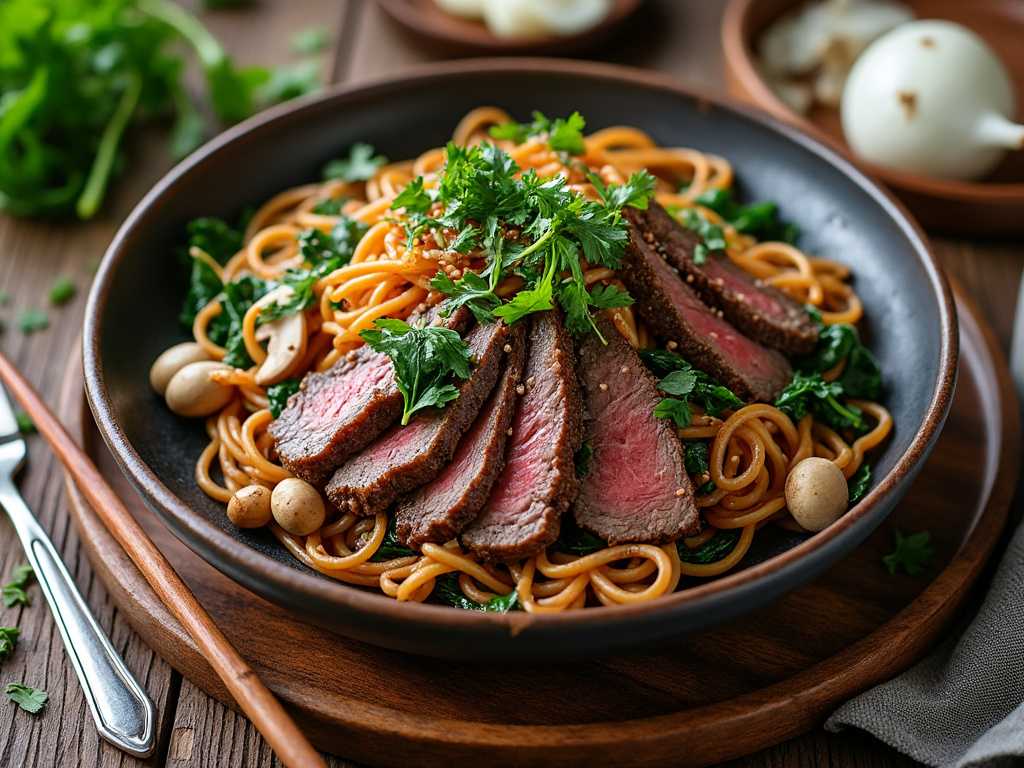
Japchae with Shiitake Mushrooms, Spinach, and Sesame-Soy Beef
Silky Korean glass noodles tossed with sesame-soy beef, shiitake mushrooms, and spinach. A weeknight-friendly japchae recipe with step-by-step technique.
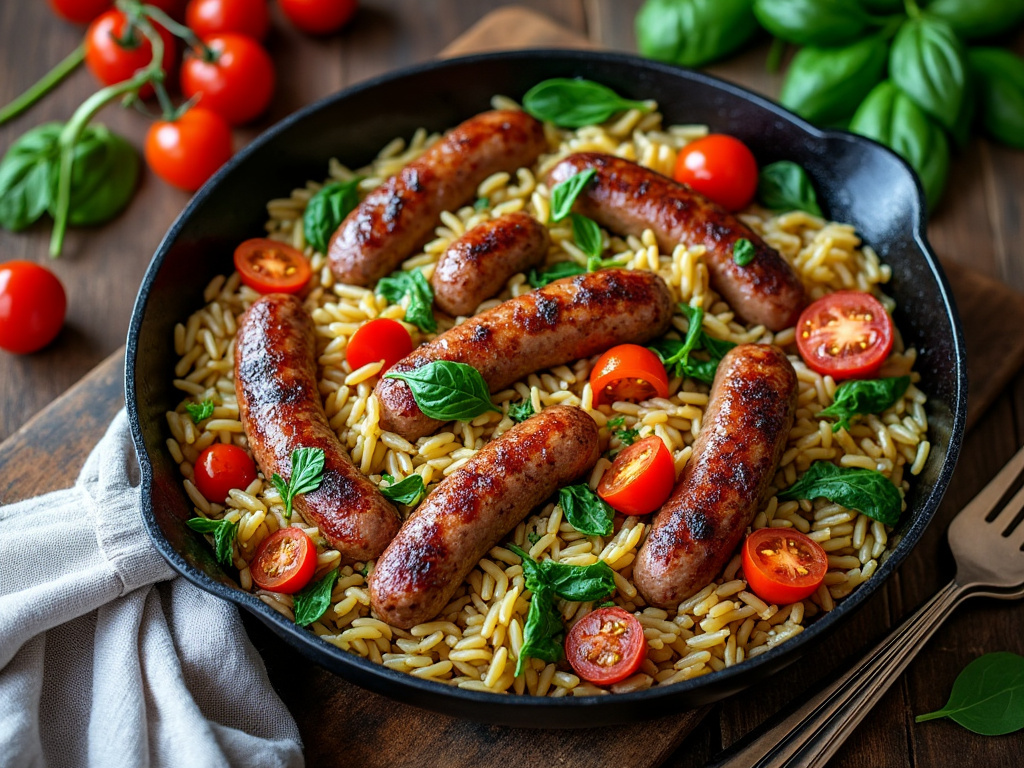
Smoked Sausage and Orzo Skillet with Blistered Tomatoes and Spinach
One-skillet smoked sausage and orzo with blistered cherry tomatoes and spinach — ready in 35 minutes, minimal cleanup.
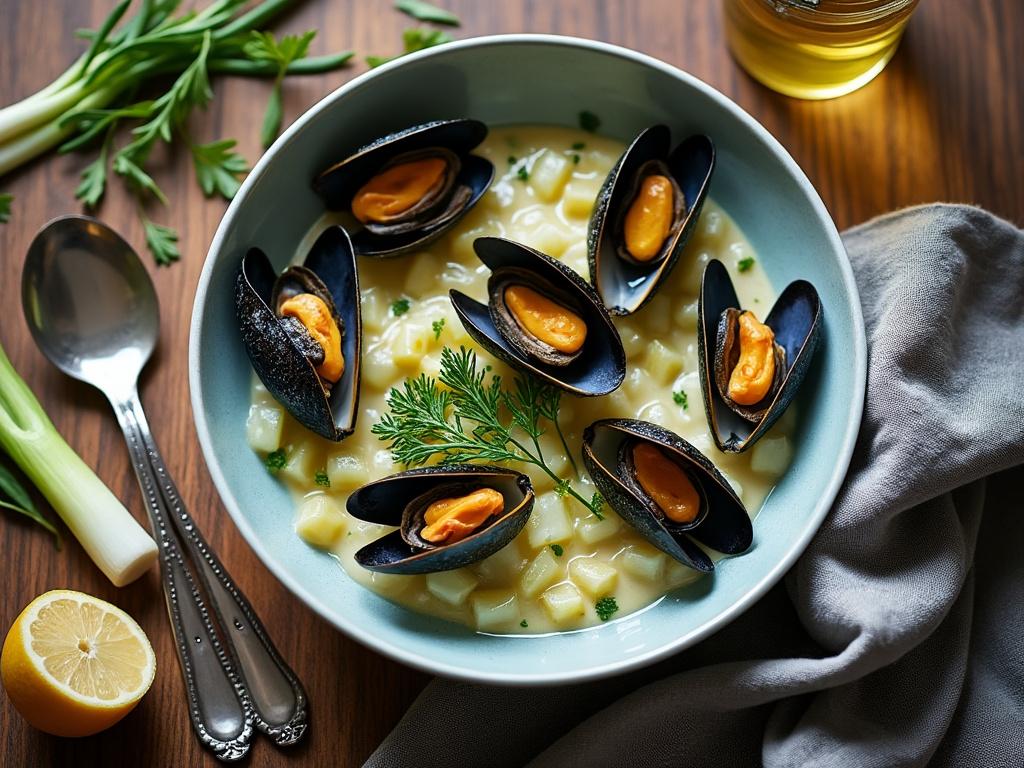
Creamy White Wine Mussels with Fennel and Leeks
Steam mussels in a white wine cream broth with fennel and leeks — ready in 35 minutes, stunning enough for a dinner party.