Braised Oxtail Ragù with Pappardelle and Gremolata
Slow-braised oxtail shredded into a glossy red wine ragù, tossed with wide pappardelle and finished with bright lemon-parsley gremolata.
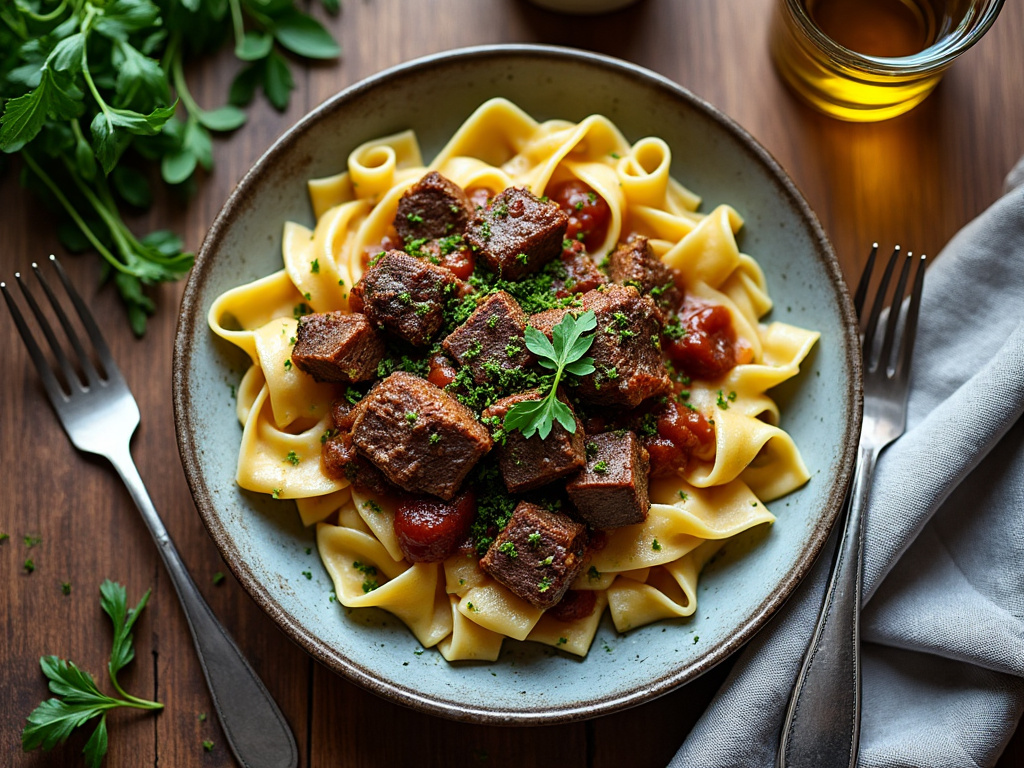
Oxtail is one of the most collagen-rich cuts you can buy, and that collagen is exactly what makes this ragù different from any ground-meat sauce. After three-plus hours of slow braising in red wine and tomatoes, the meat falls off the bone in thick, glossy ribbons that cling to wide pappardelle like they were made for each other — because they were. Brown the oxtail hard before any liquid goes in. That deep mahogany crust is where the flavor lives, and skipping it produces a ragù that tastes stewed rather than deeply savory. The final sauce is rich and unctuous with a bright hit of lemon-parsley gremolata stirred in at the end — that contrast is what keeps the dish from feeling heavy.
This is a weekend project or Sunday meal-prep situation: the braise is hands-off once it's going, and the ragù actually improves overnight in the fridge. Reheat it gently while you boil fresh pasta and dinner is on the table in 15 minutes flat. If the sauce looks greasy after braising, skim the fat cap off the surface with a wide spoon — oxtail renders a lot.
Ingredients
- ▸ 3.5 lbs oxtail, cut into 2-inch segments (ask your butcher)
- ▸ 2 tsp Diamond Crystal kosher salt, plus more for pasta water
- ▸ 1 tsp freshly ground black pepper
- ▸ 3 tbsp olive oil
- ▸ 1 medium yellow onion, finely diced (about 1 cup)
- ▸ 2 medium carrots, finely diced (about 3/4 cup)
- ▸ 3 celery stalks, finely diced (about 3/4 cup)
- ▸ 6 garlic cloves, minced
- ▸ 3 tbsp tomato paste
- ▸ 1.5 cups dry red wine (Chianti or Côtes du Rhône)
- ▸ 1 28-oz can crushed San Marzano tomatoes
- ▸ 1 cup beef broth
- ▸ 2 sprigs fresh rosemary
- ▸ 3 sprigs fresh thyme
- ▸ 2 bay leaves
- ▸ 12 oz dried pappardelle
- ▸ 2 tbsp fresh flat-leaf parsley, finely chopped
- ▸ 1 tbsp lemon zest (from 1 large lemon)
- ▸ 1 garlic clove, finely grated (for gremolata)
- ▸ 0.5 cup finely grated Parmigiano-Reggiano, plus more to serve
- ▸ 1 tbsp unsalted butter
🛒 Links may earn us a small commission at no cost to you.
Recommended Gear
🛒 We may earn a small commission at no extra cost to you. We only recommend gear we'd use ourselves.
Instructions
Prep
- 1. Pat the oxtail segments thoroughly dry with paper towels — wet meat won't sear, it'll steam. Season all sides generously with 2 tsp kosher salt and 1 tsp black pepper. Let the oxtail sit at room temperature for 20-30 minutes while you prep the vegetables.
- 2. Finely dice the onion, carrots, and celery into pieces no larger than 1/4 inch. Mince the 6 garlic cloves. In a small bowl, combine the 2 tbsp chopped parsley, 1 tbsp lemon zest, and 1 finely grated garlic clove — this is your gremolata. Set it aside.
Sear
- 1. Heat a 6-quart Dutch oven over medium-high heat until a drop of water evaporates instantly, about 2 minutes. Add 3 tbsp olive oil and swirl to coat. Working in two batches to avoid crowding, add the oxtail pieces flat-side down. Sear without moving for 4-5 minutes per side until deeply mahogany with a visible crust — you should hear a steady aggressive sizzle and see wisps of smoke. Transfer to a plate and repeat with remaining oxtail.
Build the Soffritto
- 1. Reduce heat to medium. Add the diced onion, carrot, and celery to the same pot with all the rendered fat still in it. Scrape up any browned bits from the bottom immediately — they'll loosen as the vegetables release moisture. Cook, stirring occasionally, for 8-10 minutes until the onion is soft and translucent and the vegetables smell sweet and slightly caramelized.
- 2. Add the minced garlic and 3 tbsp tomato paste. Stir constantly for 2 minutes until the paste darkens from bright red to a brick-rust color and smells slightly nutty — this step removes the raw tomato paste taste.
- 3. Pour in 1.5 cups red wine and scrape the bottom of the pot firmly. Let the wine bubble aggressively for 4-5 minutes until reduced by roughly half and the sharp alcohol smell fades, leaving a deeper, richer aroma.
Braise
- 1. Add the crushed tomatoes, 1 cup beef broth, rosemary sprigs, thyme sprigs, and bay leaves. Nestle the seared oxtail pieces back in — they should be at least 3/4 submerged. Bring to a boil, then reduce heat to the lowest setting that maintains a lazy, occasional bubble. Cover and braise for 2.5 to 3 hours, checking every 45 minutes, until the meat pulls away from the bone with no resistance when pressed with a fork.
- 2. Transfer the oxtail to a cutting board. Remove and discard the rosemary sprigs, thyme sprigs, and bay leaves. Use a wide spoon or fat separator to skim the orange fat layer from the surface of the braising liquid. Bring the liquid to a vigorous simmer over medium-high heat and reduce for 10-15 minutes until it coats the back of a spoon — it should be glossy and thick, not watery.
- 3. Pull all meat from the oxtail bones using two forks, discarding any large pieces of cartilage or bone. Shred the meat into chunky ribbons — not fine strands. Stir the meat back into the reduced sauce. Taste and adjust salt. The ragù is done when it smells deeply savory and the surface shimmers.
Cook the Pasta
- 1. Bring a large pot of water to a rolling boil. Salt it until it tastes like mild seawater — about 2 tbsp kosher salt per 6 quarts of water. Cook the pappardelle 1 minute less than the package directions for al dente. Before draining, scoop out at least 1 cup of starchy pasta water and reserve it.
Finish and Serve
- 1. Add 1 tbsp butter to the ragù over medium heat. Drain the pasta and add it directly to the pot with the ragù. Toss vigorously with tongs for 1-2 minutes, adding pasta water 2 tbsp at a time until the sauce clings to every strand and looks glossy — not soupy, not dry. You'll likely use about 1/4 cup total.
- 2. Add half the Parmigiano-Reggiano and toss once more to incorporate. Divide into warm bowls, spoon any extra sauce over the top, and finish each portion with a pinch of the lemon-parsley gremolata and another shower of Parmigiano. Serve immediately.
Cook's Notes
- Oxtail is typically sold at butcher counters, Latin or Caribbean grocery stores, and Asian supermarkets — call ahead if your regular store doesn't carry it.
- The ragù thickens as it cools. When reheating, add a splash of beef broth or pasta water over medium-low heat and stir until it loosens back to a saucy consistency.
- Don't rush the sear — each batch of oxtail needs a clear, uncrowded pan. Crowding drops the pan temperature and produces gray steamed meat instead of a seared crust.
- Make the gremolata fresh, right before serving. Lemon zest loses its brightness fast once it's zested, and the garlic turns sharp if it sits too long.
- If your ragù tastes flat after reducing, a 1/2 tsp of red wine vinegar stirred in at the end sharpens everything without making it taste acidic.
Pro Tips
- → The single biggest failure mode in this recipe is under-searing — if the oxtail sticks when you try to flip it, it's not done forming a crust yet. Leave it alone for another 60 seconds and it will release cleanly.
- → If the braising liquid reduces too far during cooking and the pot looks dry, add 1/4 cup of beef broth and continue — don't add water, which dilutes the flavor built up in the braising liquid.
- → Oven braising at 325°F (covered) for 3 hours produces more even heat than stovetop and reduces the risk of scorching the bottom of the pot — use this method if your stove runs hot.
- → The sauce breaks or looks greasy when tossing pasta if the ragù is too hot and you add butter too fast. Pull the pot off the heat for 30 seconds, add the butter, then toss — the slight temperature drop helps emulsify the fat into the sauce rather than pooling on top.
- → For maximum gelatin extraction and a silkier final sauce, add one split pig's trotter to the braise alongside the oxtail and remove it before shredding — this is the move if you want the ragù to set like jelly in the fridge.
- → Always toss pasta in the ragù on the heat, not off it — the residual starch from the pasta water needs a minute of gentle heat to bind with the fat in the sauce and create that glossy, restaurant-style finish.
What to Serve With This
A Barolo or Barbera d'Asti is the obvious Italian pairing here, and it works for a reason: the high acidity in both wines cuts through the fat in the ragù without overwhelming the beefy depth. If Barolo feels like too much of a commitment on a Sunday, reach for a Côtes du Rhône — the Grenache and Syrah blend brings a peppery, dark-fruit note that echoes the red wine already in the sauce.
For beer, go with a dry Irish stout or a dark Belgian dubbel. The roasty bitterness of a stout mirrors the fond from the seared oxtail, while a dubbel's caramel malt character plays well against the tomato sweetness. Avoid hoppy IPAs — they'll fight the richness and lose.
On the table, a sharp arugula salad dressed with lemon juice and shaved Parmigiano does the heavy lifting as a first course: the bitterness primes your palate and clears the way for the ragù. Crusty bread — sourdough or a wide ciabatta — is non-negotiable for chasing sauce around the bowl.
For a non-alcoholic option, a sparkling water with a squeeze of lemon and a splash of pomegranate juice mimics the acidity and tannic structure you'd get from wine without being cloying. Serve it ice-cold alongside the pasta.
Variations & Substitutions
To make this dairy-free, simply skip the Parmigiano in the ragù and at serving — the gremolata and a drizzle of your best extra-virgin olive oil carry enough richness and brightness on their own. The braising liquid is naturally dairy-free, so no other adjustments are needed.
For a gluten-free version, swap the pappardelle for a wide gluten-free pasta such as Jovial brand tagliatelle, or serve the ragù over creamy soft polenta (use 1 cup fine cornmeal, 4 cups water, 1 tsp Diamond Crystal kosher salt, and 2 tbsp Kerrygold butter). Polenta actually shows off the silky sauce better than rice would.
If oxtail is unavailable at your supermarket — ask the butcher counter, not the self-serve case — use 3 lbs of bone-in beef short ribs cut into 2-inch pieces. The collagen content is similar and the technique is identical. Reduce the braising time by about 30 minutes and check for tenderness at the 2-hour mark.
For a more aromatic, slightly North African profile, add 1/2 tsp cinnamon and 1/4 tsp allspice to the soffritto stage along with the tomato paste. It deepens the sauce without reading as overtly spiced, and pairs beautifully with the gremolata's lemon.
Frequently Asked Questions
Can I make the ragù ahead of time? ▼
Yes — this is one of those recipes that genuinely tastes better the next day. Cool the ragù completely, transfer it to an airtight container, and refrigerate for up to 4 days. The fat will solidify on top overnight; skim it off with a spoon before reheating over medium-low heat with a splash of pasta water or beef broth to loosen it.
Can I freeze the ragù? ▼
Absolutely. Portion the cooled ragù into freezer-safe containers or zip-lock bags and freeze for up to 3 months. Thaw overnight in the refrigerator, then reheat gently on the stovetop over medium-low heat. Do not freeze it already tossed with pasta — the noodles will turn mushy.
What if I can't find pappardelle? ▼
Use any wide, flat pasta: fresh tagliatelle, dried mafaldine, or even broken lasagna sheets work well. The wide surface area is the priority — it catches the chunky meat. Avoid thin pasta like spaghetti or angel hair, which will slide right through the ragù without picking up enough sauce.
My sauce looks oily and separated. What went wrong? ▼
Oxtail renders a significant amount of fat during a long braise — this is normal. After removing the meat, let the braising liquid sit for 5 minutes and use a wide spoon or fat separator to skim the orange-tinted fat off the surface before reducing. If you refrigerated the ragù overnight, the fat solidifies into a solid cap that lifts off cleanly.
Can I make this in a slow cooker? ▼
Yes, but still sear the oxtail in a skillet first — do not skip this step. After searing and building the soffritto on the stovetop, transfer everything to a slow cooker and cook on LOW for 8-10 hours or HIGH for 5-6 hours. Remove the lid for the last 30 minutes on HIGH to let the sauce reduce slightly.
Do I need to use an expensive wine? ▼
Use a wine you'd drink, but it doesn't need to be expensive — a $12-15 bottle of Chianti or a simple Côtes du Rhône is ideal. Avoid 'cooking wine' from the grocery store shelf; the added salt and preservatives will make the sauce taste flat and slightly metallic after reduction.
How do I know when the oxtail is done braising? ▼
The meat should pull away from the bone with zero resistance when you tug at it with two forks. If you feel any springback, give it another 30 minutes and check again. The connective tissue — which looks gelatinous and almost translucent when cooked — should have fully melted into the sauce by the time you're done.
Can I use canned whole tomatoes instead of crushed? ▼
Yes. Use one 28-oz can of San Marzano whole tomatoes, crush them by hand directly into the pot before adding, and proceed as written. Whole tomatoes tend to have better flavor than pre-crushed, and the extra texture breaks down completely during the long braise anyway.
How much pasta water should I save? ▼
Save at least 1 full cup before draining. You'll likely only use 1/4 to 1/2 cup to loosen the ragù when tossing, but pasta water is your insurance — if the sauce tightens up after you toss it, a splash more brings it right back without diluting the flavor the way plain water would.
Enjoyed this recipe?
Daily Home Cookery is self-funded. If something you cooked here made dinner a little better, a coffee keeps the kitchen running.
☕ Buy me a coffeeYou Might Also Like
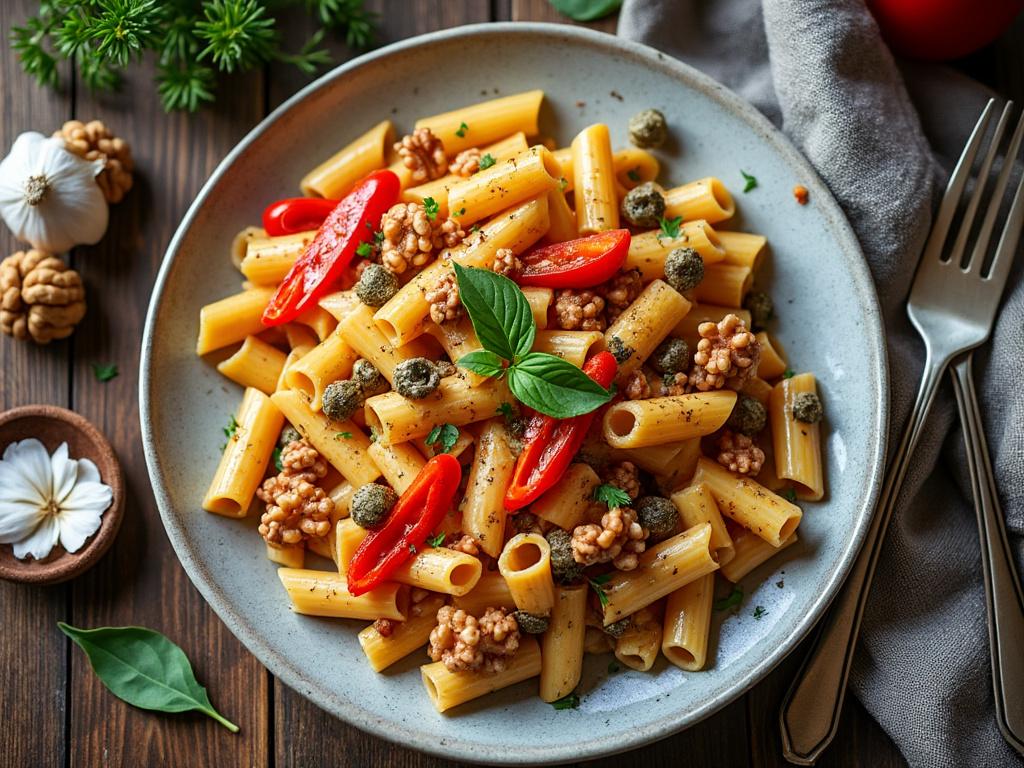
Creamy Roasted Red Pepper and Walnut Pasta with Crispy Capers
A bold, nutty pasta sauce built on charred peppers and toasted walnuts — weeknight-fast, pantry-friendly, and completely vegetarian.
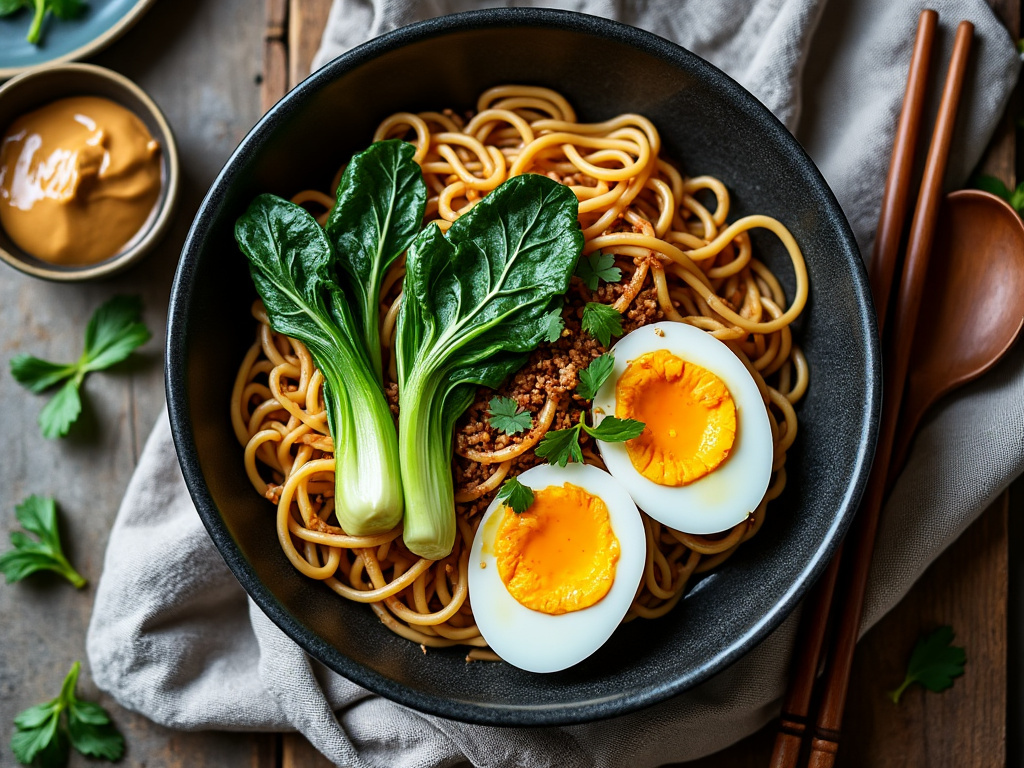
Spicy Peanut Noodles with Charred Bok Choy and Soft-Boiled Eggs
Bold, nutty peanut noodles with charred bok choy and jammy soft-boiled eggs. Ready in 45 minutes — weeknight-friendly and deeply satisfying.
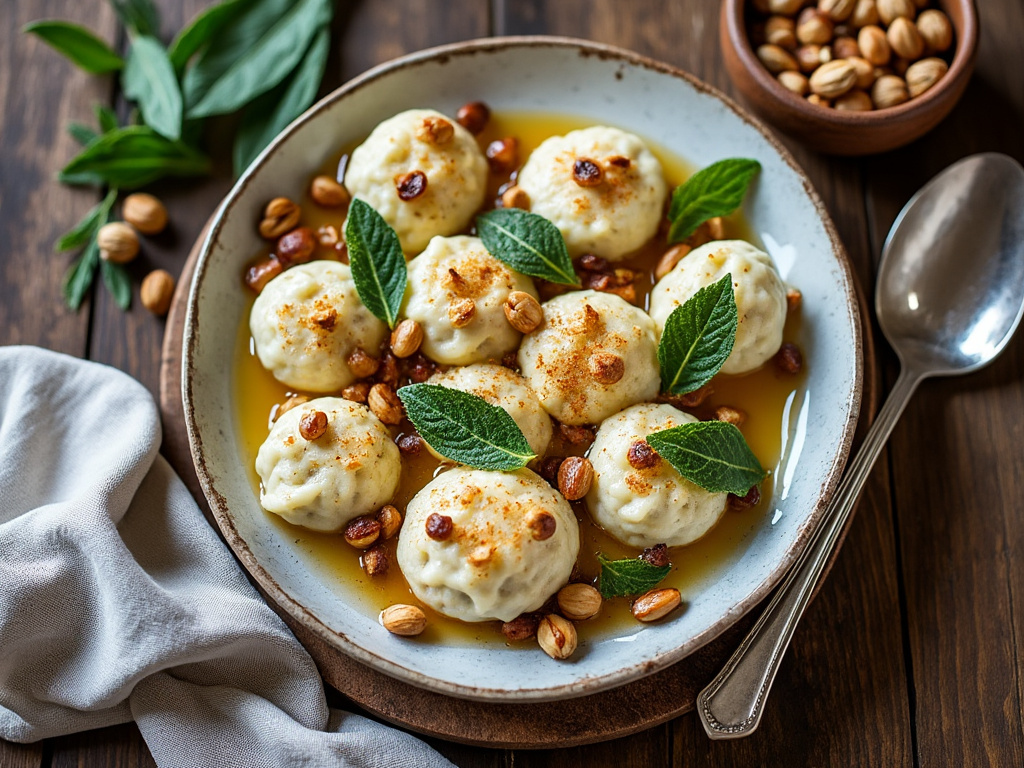
Ricotta Dumplings with Brown Butter, Sage, and Toasted Hazelnuts
Pillowy ricotta dumplings tossed in nutty brown butter with crispy sage and toasted hazelnuts. Ready in 45 minutes, no pasta machine needed.