Crispy Chickpea and Farro Soup with Rosemary Oil and Parmesan Rind
Hearty Italian chickpea and farro soup simmered with a Parmesan rind and finished with fragrant rosemary oil. Thick, savory, and weeknight-ready.
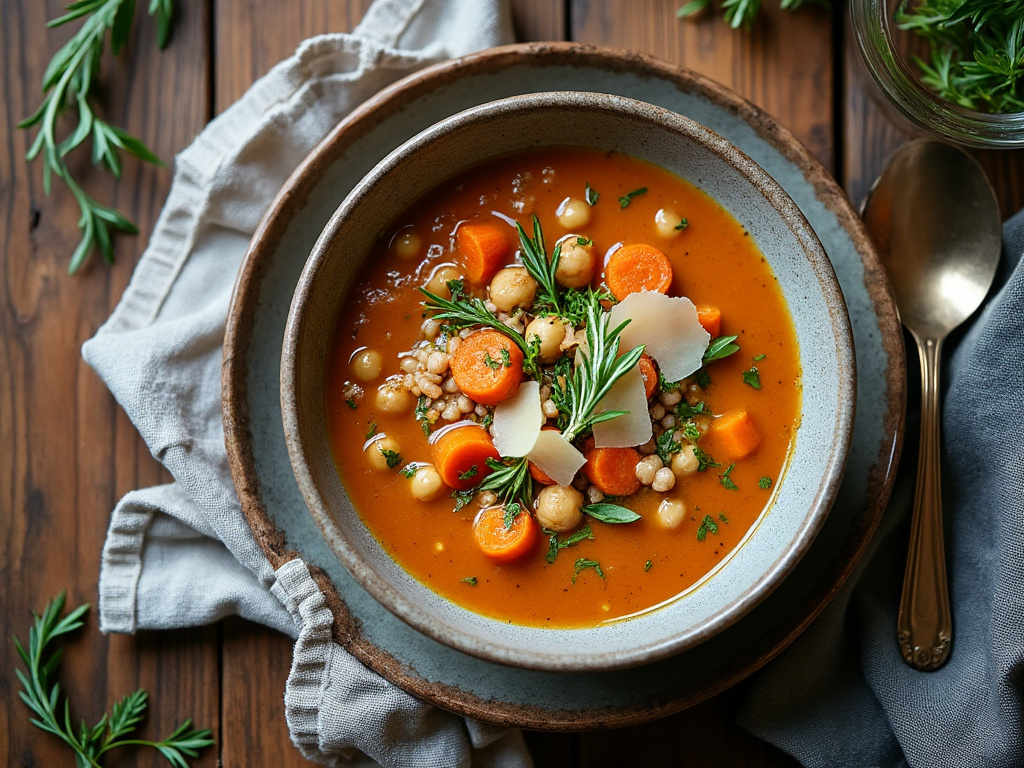
This is Italian peasant cooking at its most honest: a thick, hearty soup where farro swells into tender chew and chickpeas split their skins just enough to thicken the broth without any blending. The move that makes it work is a Parmesan rind simmered directly in the pot — it dissolves slowly into the broth, adding a savory, umami backbone that no bouillon cube can replicate. Save your rinds in the freezer; this soup is why.
The rosemary oil takes four minutes to make and does three jobs: it finishes the bowl with fragrance, adds a hit of richness, and crisps up the garnish chickpeas while they fry. Expect a broth that's silky and substantial, not thin — somewhere between a soup and a stew depending on how long the farro cooks. This is ideal for Sunday meal prep or a cold weeknight when you need something filling without much effort. If the soup thickens too much on reheating, add a splash of water or stock and stir over medium heat until loose again.
Ingredients
- ▸ 3 tbsp extra-virgin olive oil
- ▸ 1 medium yellow onion, diced (about 1 cup)
- ▸ 3 medium carrots, peeled and diced into 1/2-inch pieces
- ▸ 3 stalks celery, diced into 1/2-inch pieces
- ▸ 6 cloves garlic, thinly sliced
- ▸ 1/4 tsp red pepper flakes
- ▸ 2 tbsp tomato paste
- ▸ 2 cans (15 oz each) chickpeas, drained and rinsed
- ▸ 1 cup pearled farro
- ▸ 1 Parmesan rind (about 3 inches long)
- ▸ 5 cups low-sodium chicken stock
- ▸ 1 cup water
- ▸ 1 tsp Diamond Crystal kosher salt, plus more to taste
- ▸ 1/2 tsp freshly ground black pepper
- ▸ 1 can (14.5 oz) diced tomatoes, with juices
- ▸ 3 tbsp extra-virgin olive oil (for rosemary oil)
- ▸ 2 sprigs fresh rosemary
- ▸ 1/4 cup freshly grated Parmigiano-Reggiano, for serving
- ▸ 1 tbsp fresh lemon juice
🛒 Links may earn us a small commission at no cost to you.
Recommended Gear
🛒 We may earn a small commission at no extra cost to you. We only recommend gear we'd use ourselves.
Instructions
Prep
- 1. Dice the onion, carrots, and celery into uniform 1/2-inch pieces — consistent sizing means they soften at the same rate. Thinly slice the garlic. Set everything aside before you turn on the heat.
- 2. Drain and rinse the chickpeas under cold water. Pat them dry with a paper towel; surface moisture causes splattering when they hit the hot pot later.
Build the Base
- 1. Heat 3 tbsp olive oil in the Dutch oven over medium heat until shimmering, about 90 seconds. Add the onion, carrots, and celery. Cook, stirring every 2-3 minutes, until the vegetables are soft and the onion is translucent with light golden edges — about 10-12 minutes. You should hear a steady, gentle sizzle throughout; if it's aggressive, lower the heat.
- 2. Push the vegetables to the sides, add the sliced garlic and red pepper flakes to the center of the pot, and cook for 60-90 seconds until the garlic is fragrant and just starting to turn golden at the edges. Don't walk away here — garlic goes from golden to burnt in seconds.
- 3. Add the tomato paste. Stir it directly onto the hot pot bottom and cook, stirring constantly, for 2 minutes until it darkens from bright red to a deeper brick-red and smells slightly caramelized. This step removes the raw, tinny edge from the paste.
Simmer the Soup
- 1. Add the chickpeas, diced tomatoes with their juices, chicken stock, water, Parmesan rind, 1 tsp kosher salt, and black pepper. Stir everything together and bring to a boil over medium-high heat — this takes about 8-10 minutes. You'll see a few small bubbles appear at the edges first, then a full rolling boil.
- 2. Add the pearled farro, stir to combine, and reduce heat to a steady simmer (small, consistent bubbles — not boiling aggressively). Cook uncovered for 25-30 minutes, stirring every 8-10 minutes, until the farro is tender with a slight chew and the broth has thickened visibly. The surface will look slightly starchy and opaque rather than clear.
- 3. Fish out the Parmesan rind with tongs and discard it. Stir in the lemon juice. Taste and adjust salt — this soup often needs another 1/4-1/2 tsp once the farro has absorbed the initial seasoning.
Make the Rosemary Oil
- 1. While the soup finishes, heat 3 tbsp olive oil in a small saucepan over medium heat. Add the rosemary sprigs and cook for 2-3 minutes, pressing the sprigs against the pan occasionally, until the oil is fragrant and the rosemary begins to sizzle and darken — it should smell like a pine forest, not burnt herbs. Remove from heat and strain through a fine mesh strainer into a small bowl. Discard the rosemary.
Serve
- 1. Ladle the soup into bowls. Drizzle each bowl with about 1 tsp of rosemary oil, then finish with a generous amount of freshly grated Parmigiano-Reggiano. Serve immediately with crusty bread on the side for dragging through the broth.
Cook's Notes
- Parmesan rinds freeze perfectly in a zip-lock bag for up to 6 months — toss one in every time you finish a wedge. A single 3-inch rind makes a significant difference in broth depth.
- Pearled farro is labeled on the package — don't substitute semi-pearled without adding 10-15 minutes of cook time or the grains will be chewy in the wrong way.
- The soup thickens substantially as it sits. If serving later or the next day, add stock or water by the 1/2 cup while reheating until it reaches the consistency you want.
- Make the rosemary oil in double batch and store the extra in a sealed jar at room temperature for up to 5 days. It's excellent drizzled over white beans, roasted vegetables, or eggs.
- If your broth tastes flat even after salting, a second tablespoon of lemon juice added off heat often fixes it — acidity wakes up the other flavors without making the soup taste lemony.
Pro Tips
- → If the soffritto smells sharp or acrid rather than sweet and savory, your heat is too high — drop it immediately and add a splash of water to slow the cooking. Burnt aromatics will make the entire soup bitter and there's no fixing it.
- → For extra body without adding more starch, use the back of a wooden spoon to press 15-20 chickpeas against the side of the pot during the last 10 minutes of simmering. The crushed chickpeas dissolve into the broth and thicken it naturally.
- → The rosemary will turn army green and taste bitter if you overheat the oil — the target is gently sizzling, fragrant oil, not frying. If the rosemary turns very dark brown and the oil smells sharp, start over; it takes only 4 minutes and bitter rosemary oil ruins the finish of the bowl.
- → If you're cooking for a crowd and doubling the recipe, the farro will take the same time but the broth may not thicken as visibly because the surface-area-to-volume ratio shifts. Give it an extra 10-minute uncovered simmer at the end if it looks too thin.
- → Taste the soup before adding the lemon juice — the Parmesan rind adds significant salt over the simmer. If you salt aggressively early, you may end up with an oversalted pot by the time the broth reduces. Season conservatively in Step 6 and adjust at the end.
- → For a more textured garnish, pull out 1/4 cup of chickpeas before adding them to the soup and fry them in the rosemary oil instead of straining it off — they'll crisp in about 3-4 minutes and add crunch to each bowl.
What to Serve With This
Crusty bread is non-negotiable here. A thick slice of sourdough or a torn hunk of ciabatta dragged through the broth is the whole point — something with an open crumb that soaks fast without going to mush. Toast it under the broiler with olive oil for thirty seconds if you want texture contrast.
For wine, go with a medium-bodied Italian red that won't fight the earthiness of the farro. A Barbera d'Asti works well — it has enough acidity to cut through the richness of the Parmesan rind broth, and its low tannins don't clash with the chickpeas. If you want white, a Vermentino from Sardinia brings herbal brightness that echoes the rosemary oil. Avoid anything heavily oaked.
For a non-alcoholic option, a sparkling water with a squeeze of lemon serves the same palate-cleansing function. The carbonation refreshes between spoonfuls of the thick broth.
A simple bitter green salad — arugula with shaved Parmesan, lemon juice, and olive oil — pairs well because the bitterness contrasts the soup's savory depth. Keep the dressing light; this meal doesn't need competing richness. Alternatively, a platter of sliced cured meats like bresaola or coppa turns this into a proper dinner party spread with minimal extra effort.
Variations & Substitutions
For a fully vegan version, skip the Parmesan rind and add 1 tbsp of white miso stirred in off heat at the end — it provides similar umami depth without any dairy. Use 2 tbsp of nutritional yeast in place of the grated Parmesan for finishing. The rosemary oil is already vegan, so no changes needed there.
To make this gluten-free, swap the farro 1:1 with pearled sorghum or short-grain brown rice. Sorghum takes about 45-50 minutes to become tender, so add it earlier than the farro instructions call for. Brown rice will soften in roughly 35-40 minutes and gives a slightly stickier texture that makes the broth even thicker.
For a smoky, Spanish-inflected variation, add 1 tsp of smoked paprika and 1/2 tsp of cumin to the soffritto step, and stir in 2 oz of roughly chopped dry-cured chorizo along with the chickpeas. Skip the rosemary oil and finish instead with a drizzle of sherry vinegar and flat-leaf parsley. The chorizo renders fat into the broth and changes the character of the dish entirely — richer, redder, and distinctly Iberian.
To scale up for eight servings, double every ingredient and use a 7-8 quart Dutch oven. The cook time for the farro stays the same, but allow an extra 10 minutes for the larger volume of liquid to come to a simmer initially. Taste for salt at the end — doubling a recipe often needs a touch more seasoning than you'd expect.
Frequently Asked Questions
Can I use canned chickpeas instead of dried? ▼
Yes — two 15-oz cans of drained, rinsed chickpeas work perfectly. Add them when the recipe calls for the chickpeas and reduce the simmering time by about 15 minutes, since canned chickpeas are already cooked. The broth won't thicken quite as much from the chickpea starch, but the Parmesan rind compensates well.
What if I don't have a Parmesan rind? ▼
Add a 1-inch piece of Pecorino Romano rind instead — it has a sharper, saltier flavor but works the same way. If you have neither, stir in 2 tsp of white miso paste off heat for umami depth, and season conservatively since miso adds sodium. The broth will taste a little leaner, but still very good.
How do I store and reheat this soup? ▼
Store in an airtight container in the refrigerator for up to 4 days. The farro continues to absorb liquid as it sits, so the soup will be very thick when cold — almost porridge-like. Reheat gently over medium-low heat with a splash of water or chicken stock, stirring until it loosens to your preferred consistency. Season again after reheating.
Can I freeze this soup? ▼
You can, but farro changes texture after freezing — it gets a bit softer and slightly grainy. If you plan to freeze, undercook the farro by 5 minutes before freezing so it finishes cooking during reheating. Freeze flat in zip-lock bags for up to 2 months. Thaw overnight in the refrigerator and reheat slowly on the stovetop.
What's the difference between pearled and semi-pearled farro? ▼
Pearled farro has the bran fully removed and cooks in about 25-30 minutes — it's what this recipe uses. Semi-pearled has part of the bran intact and takes 35-40 minutes. Whole farro still has all the bran and can take up to an hour. Check your package and adjust liquid and timing accordingly; they're often labeled on the bag.
Can I make this in a slow cooker? ▼
Yes. Build the soffritto in a skillet first, then transfer everything to a slow cooker with 5 cups of stock and the Parmesan rind. Cook on LOW for 6-7 hours or HIGH for 3-4 hours. Add the farro in the last 1.5 hours on LOW or the last 45 minutes on HIGH so it doesn't turn mushy. Make the rosemary oil separately on the stovetop just before serving.
How do I make the soup thinner or thicker? ▼
For a thinner soup, add stock in 1/2-cup increments and simmer for 5 minutes before evaluating. For thicker, use a fork or potato masher to crush about 1 cup of the chickpeas directly in the pot — this releases starch and thickens the broth without blending. Alternatively, simmer uncovered for an extra 10-15 minutes.
Is this soup spicy? ▼
No — the base recipe has a pinch of red pepper flakes that adds background warmth, not heat. If you want more spice, increase the flakes to 1/2 tsp or add a fresh Calabrian chili, minced, with the aromatics. For a completely mild version, omit the red pepper flakes entirely; the soup is flavorful enough without them.
Can I use vegetable stock instead of chicken stock? ▼
Absolutely. A good-quality vegetable stock — look for one that lists actual vegetables rather than 'natural flavors' as the first ingredient — works well here. The Parmesan rind still provides the savory backbone, so the swap doesn't hollow out the flavor. This also makes the soup vegetarian (assuming you verify the rind is vegetarian-safe, as some Parmigiano-Reggiano uses animal rennet).
Can I add other vegetables to this soup? ▼
Yes. Diced celery root or parsnip added with the soffritto softens into the broth and adds subtle sweetness. A handful of baby spinach or roughly torn kale stirred in during the last 5 minutes wilts quickly and adds color and nutrition. Avoid anything watery like zucchini — it makes the broth cloudy and dilutes the flavor.
Enjoyed this recipe?
Daily Home Cookery is self-funded. If something you cooked here made dinner a little better, a coffee keeps the kitchen running.
☕ Buy me a coffeeYou Might Also Like
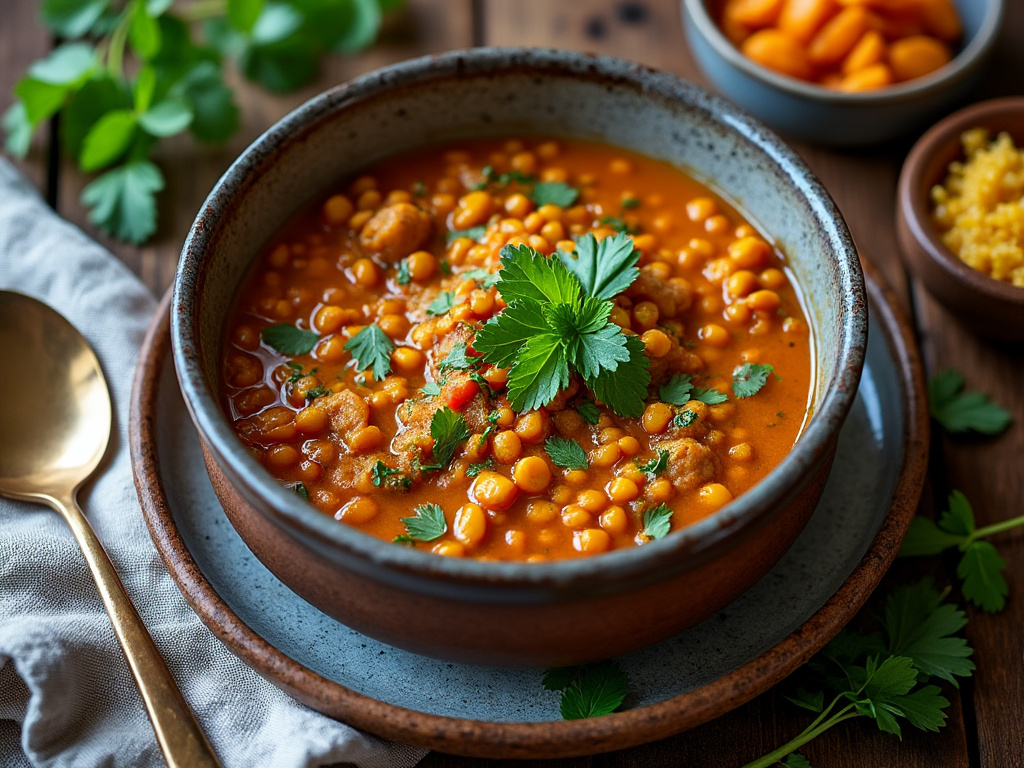
Spiced Red Lentil and Coconut Dahl with Crispy Curry Leaf Tadka
Silky red lentil dahl simmered with coconut milk and finished with a sizzling curry leaf tadka. Ready in 55 minutes, weeknight-friendly.
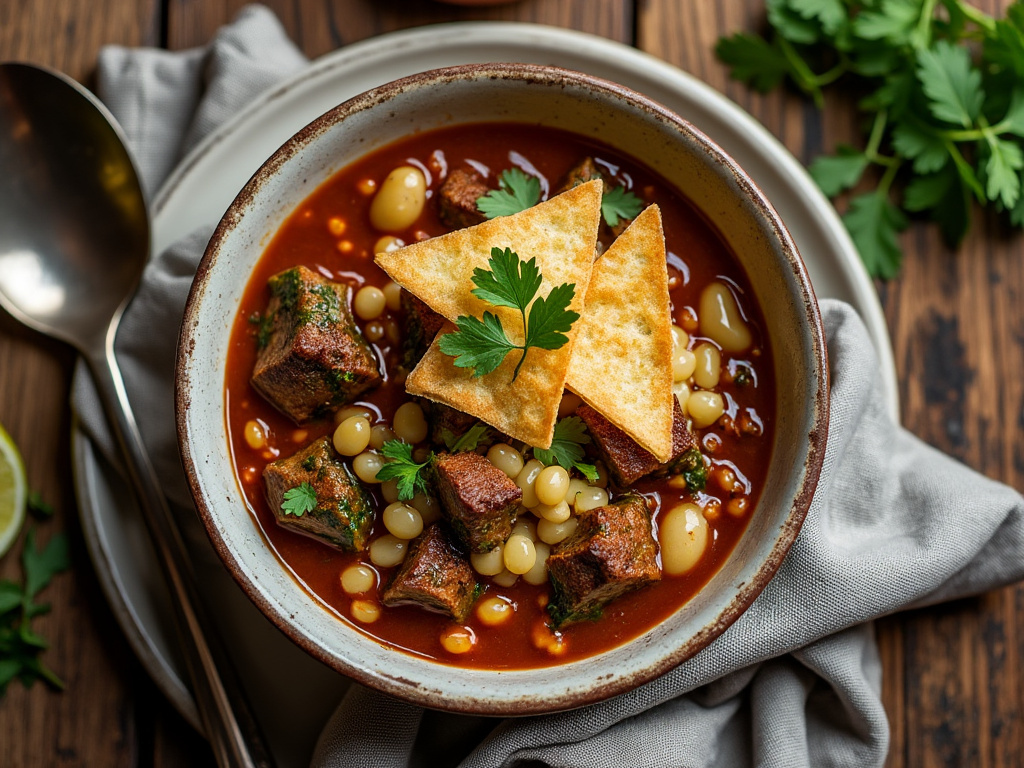
Green Chile Pork Posole with Hominy and Crispy Tortilla Strips
Hearty pork posole with roasted green chiles, chewy hominy, and crispy tortilla strips. A bold, satisfying stew ready in under 2 hours.

Charred Tomatillo and Chicken Pozole Verde
Smoky charred tomatillo pozole verde with tender pulled chicken and hominy — a bold, satisfying Mexican stew ready in under 90 minutes.