Ginger Scallion Steamed Cod with Silky Tofu and Chili-Sesame Broth
Silky steamed cod and soft tofu in a fragrant chili-sesame broth — a fast, clean weeknight dinner ready in 45 minutes.
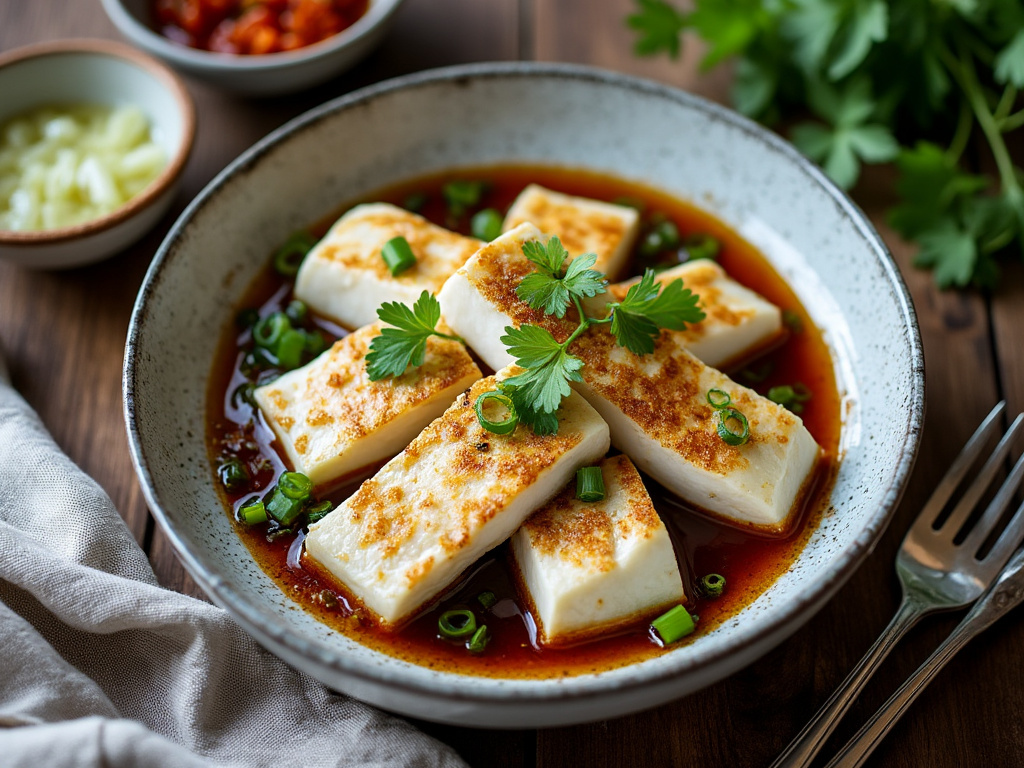
Steaming is one of the most underused techniques in the home kitchen, and cod is one of the best fish to prove it. The flesh stays impossibly moist — no searing, no babysitting — while the ginger-scallion broth does the heavy lifting on flavor. The trick here is a two-stage approach: build a deeply aromatic base first, then steam the cod directly over it so the fish absorbs every bit of that heat and fragrance as it cooks.
The finished dish is light but not sparse. Silken tofu soaks up the chili-sesame broth, the cod flakes in clean white layers, and a final pour of sizzling scallion oil over the top adds a sharp, smoky finish that pulls everything together. This works as a clean weeknight meal over steamed jasmine rice, or as an impressive low-effort dinner for guests. If your cod releases too much liquid during steaming and dilutes the broth, simply ladle some off and reduce it in the pan for 2 minutes before serving.
Ingredients
- ▸ 4 cod fillets (6 oz each, about 1 inch thick)
- ▸ 14 oz silken tofu (1 block), cut into 1-inch cubes
- ▸ 3 cups low-sodium chicken stock
- ▸ 2 tbsp soy sauce
- ▸ 1 tbsp Shaoxing rice wine
- ▸ 1 tsp toasted sesame oil
- ▸ 1 tsp chili oil (such as Lao Gan Ma)
- ▸ 1 tsp fish sauce
- ▸ 1 tsp granulated sugar
- ▸ 2 inch piece fresh ginger, peeled and julienned
- ▸ 4 cloves garlic, thinly sliced
- ▸ 1 tbsp neutral oil (such as grapeseed or avocado oil), for blooming aromatics
- ▸ 6 scallions, white and light green parts thinly sliced (reserve dark green tops for oil)
- ▸ 1/4 cup dark green scallion tops, thinly sliced (reserved from above)
- ▸ 3 tbsp neutral oil (for scallion oil)
- ▸ 1 tsp cornstarch mixed with 1 tbsp cold water (slurry)
- ▸ 1/4 tsp white pepper
- ▸ 1/2 tsp Diamond Crystal kosher salt
- ▸ 1 tbsp fresh cilantro leaves, for serving
- ▸ 1 tsp sesame seeds, toasted, for serving
🛒 Links may earn us a small commission at no cost to you.
Recommended Gear
🛒 We may earn a small commission at no extra cost to you. We only recommend gear we'd use ourselves.
Instructions
Prep
- 1. Pat the cod fillets completely dry on all sides with paper towels and season lightly with 1/2 tsp Diamond Crystal kosher salt and 1/4 tsp white pepper. Let them sit uncovered at room temperature for 10 minutes — this helps the fish steam evenly rather than seizing up from cold. Meanwhile, cube the silken tofu and drain it briefly on a clean kitchen towel.
- 2. Julienne the ginger into thin matchsticks and thinly slice the garlic. Separate the scallion whites and light greens (for the broth) from the dark green tops (for the scallion oil). Set everything in small bowls near the stove — this recipe moves quickly once the wok is hot.
Build the Broth
- 1. Set the wok over medium heat and add 1 tbsp neutral oil. When it shimmers and a piece of ginger sizzles immediately on contact, add the ginger and garlic. Stir constantly for 60-90 seconds until fragrant and barely golden — you'll smell a sharp, sweetening aroma. Don't let the garlic brown; it'll turn bitter.
- 2. Add the scallion whites and light greens and stir for 30 seconds. Pour in the chicken stock, soy sauce, Shaoxing wine, fish sauce, sugar, chili oil, and sesame oil. Raise heat to medium-high and bring to a simmer — you'll see small, consistent bubbles around the edges and a faint sesame-soy steam rising, about 3-4 minutes.
- 3. Taste the broth and adjust: it should be savory with a gentle background heat and subtle sweetness. Stir in the cornstarch slurry and cook, stirring, for 1 minute until the broth turns slightly glossy and just barely thickened — it coats a spoon lightly. Reduce heat to medium-low to maintain a gentle simmer.
Steam
- 1. Gently lower the silken tofu cubes directly into the simmering broth. Nestle them in without stirring — silken tofu breaks apart easily. Simmer for 3 minutes, undisturbed, until the tofu is warmed through and has taken on a pale golden color from the broth at its edges.
- 2. Set a collapsible steamer rack (or lay two pairs of chopsticks in a cross pattern) inside the wok above the broth level. The rack should sit at least 1 inch above the liquid. Place the heatproof plate on the rack and arrange the cod fillets in a single layer on the plate. Scatter half the julienned ginger over the top of each fillet.
- 3. Cover the wok with a tight-fitting lid and steam on medium heat — you want a steady, visible plume of steam escaping from the lid edges — for 10-12 minutes. At 10 minutes, lift the lid carefully (tilt away from you to avoid steam burns) and press the thickest part of a fillet gently with your finger. It should feel just firm and spring back slightly, and the flesh should be fully opaque white with no translucent center. If the center is still glassy, cover and steam 2 more minutes.
Make the Scallion Oil
- 1. While the fish steams, heat 3 tbsp neutral oil in a small saucepan over medium-high heat until the oil begins to shimmer and a single piece of scallion dropped in sizzles loudly on contact — about 2 minutes. Remove from heat immediately. Pour the dark green scallion tops into the saucepan all at once — they'll spit and sizzle dramatically for 10-15 seconds, turning bright green and fragrant. Stir once and set aside.
Assemble and Serve
- 1. Use tongs to carefully remove the steamer rack and plate from the wok. Pour any liquid that collected on the fish plate back into the broth and stir to combine. Ladle the broth and tofu into wide shallow serving bowls first.
- 2. Lay a cod fillet gently over the tofu in each bowl — the fish should be intact and flake into thick, glossy white layers when nudged with a spoon. Spoon 1-2 tablespoons of the sizzling scallion oil directly over each fillet — you want to hear a faint hiss as the oil hits the fish. Garnish with fresh cilantro leaves and toasted sesame seeds. Serve immediately with steamed jasmine rice.
Cook's Notes
- Don't skip patting the cod dry — surface moisture creates steam between the fish and the plate, which can cause uneven cooking and waterlog the broth.
- Silken tofu breaks apart with any vigorous stirring. Use a spoon to nudge it gently or just swirl the wok. Any broken pieces will dissolve into the broth, which is fine — it just won't look as clean.
- The scallion oil must be made right before serving. It loses its sharp, grassy aroma within 10 minutes; making it ahead defeats the purpose.
- If your wok lid doesn't seal tightly, fold a damp kitchen towel over the wok rim before setting the lid on top — this traps steam and ensures even cooking.
- Shaoxing rice wine adds a distinct fermented-grain depth to the broth. If unavailable, substitute dry sherry in an equal amount — not mirin, which is too sweet and will throw off the balance.
Pro Tips
- → If the broth looks thin after the cornstarch slurry, it's likely because your stock was very watery to start — simmer the broth uncovered for 3-4 minutes before adding the slurry to concentrate it first. A thin broth won't cling to the tofu or fish properly.
- → Cod fillets often vary wildly in thickness at the grocery store. If one end is noticeably thinner, fold it under before steaming so the entire fillet is roughly 1 inch thick throughout — this prevents the thin end from overcooking by the time the center is done.
- → The scallion oil will splatter when the greens hit the hot oil — use a high-sided saucepan and keep your face back. The sizzle should die down within 15 seconds; if it keeps going violently, your oil is too hot and you're risking burning the scallions.
- → If the broth tastes flat after assembly, it almost always needs more fish sauce — not more salt. Add it in 1/4 tsp increments. Fish sauce adds the savory depth that ties ginger, sesame, and soy together without making the dish taste 'fishy'.
- → Steaming directly over the broth (rather than over plain water) is the technique that makes this recipe work. The aromatic steam infuses the fish as it cooks. Don't substitute a separate steamer pot with plain water.
- → For the cleanest presentation, transfer the cod from the steaming plate to serving bowls using a wide, thin fish spatula in two motions — don't try to pick up a whole fillet in one scoop. Cod is delicate and will break; two-stage transfer keeps it intact.
What to Serve With This
Jasmine rice is the obvious call here, and for good reason — its slightly floral, sticky quality absorbs the chili-sesame broth without competing with it. Cook it in a 1:1.5 ratio of rice to water for tight, separate grains that hold up under the broth. A steamed or stir-fried gai lan (Chinese broccoli) with a splash of oyster sauce alongside adds a slightly bitter counterpoint to the richness of the sesame oil.
For wine, reach for a dry, unoaked Grüner Veltliner — its white pepper and citrus notes echo the ginger without clashing with the chili heat. A cold Taiwanese Tsingtao or a Sapporo lager also works well; carbonation cuts through the sesame fat and refreshes the palate between bites. Avoid anything heavily oaked or tannic.
If you want a non-alcoholic option, a chilled Taiwanese chrysanthemum tea (lightly sweetened) is the ideal match. Its subtle floral bitterness cleans the palate between bites and complements the ginger without sweetness overload. A sparkling yuzu water would also work.
Finish the table with a simple shredded cucumber salad dressed with 1 tbsp rice vinegar, 1 tsp sesame oil, and a pinch of sugar. The cool, acidic crunch provides textural contrast to the soft tofu and fish, and keeps the meal from feeling heavy.
Variations & Substitutions
For a gluten-free version, swap the 2 tbsp regular soy sauce for 2 tbsp tamari — Kikkoman makes a widely available certified GF tamari that behaves identically in this recipe. The hoisin used as a finishing drizzle contains wheat, so replace it with a mix of 1 tsp molasses and 1 tsp tamari stirred together. No other changes are needed.
To make this vegetarian, skip the cod entirely and replace it with two additional blocks (14 oz each) of silken tofu and a handful of fresh shiitake mushrooms, stems removed, placed cut-side down on the steaming plate. Steam for 10 minutes instead of 12, and add 1 tsp of white miso whisked into the broth at the end for umami depth that the fish would otherwise provide.
For a spicier profile, double the chili oil to 2 tsp in the broth base and add 1 tsp doubanjiang (Pixian brand if you can find it) when you bloom the ginger and garlic. This shifts the flavor toward Sichuan-style without overwhelming the delicate fish — just be aware it will also add more salt, so hold back on the soy sauce by about half a teaspoon and adjust at the end.
This recipe scales well for two: halve every ingredient and use a single 10-inch skillet with a tight-fitting lid instead of the wok. Reduce steaming time by 2 minutes and check for doneness at the 10-minute mark.
Frequently Asked Questions
Can I use frozen cod fillets? ▼
Yes, but thaw them completely in the refrigerator overnight first. Pat them very dry with paper towels before steaming — frozen fish releases more moisture, and excess liquid will dilute the broth. Don't thaw on the counter; uneven thawing makes the flesh mushy at the edges.
What type of tofu works best here? ▼
Silken tofu is essential — it's the only variety that takes on a custard-like texture when gently steamed in broth. Firm or extra-firm tofu will stay dense and won't absorb the broth flavors the same way. Look for silken tofu in shelf-stable Tetra Pak boxes (Mori-Nu brand is widely available) or refrigerated tubes in the produce section.
Can I make the broth base ahead of time? ▼
Yes. Build the aromatic broth (steps 1 through 4) up to 2 days in advance and refrigerate it in an airtight container. Reheat it to a simmer before adding the tofu and fish. Don't make the scallion oil ahead — it loses its fresh, sharp fragrance quickly and should be made right before serving.
How do I know when the cod is done steaming? ▼
Press the thickest part gently with a finger — it should feel just firm, not squishy, and the flesh will turn from translucent to opaque white. A thin metal skewer or cake tester inserted into the center for 3 seconds should feel warm (not hot) when touched to your lower lip. Overcooked cod turns rubbery and dry; err on the side of pulling it 30 seconds early.
Can I substitute another white fish for cod? ▼
Halibut works well but takes 2-3 extra minutes to steam because it's denser. Tilapia steams faster — check at the 8-minute mark. Avoid thin, delicate fish like sole or flounder; they'll overcook before the tofu is properly warmed through. Stick to fillets at least 1 inch thick at the center.
How do I store and reheat leftovers? ▼
Store the fish, tofu, and broth separately in airtight containers for up to 2 days. Reheat the broth in a saucepan over low heat and gently warm the fish and tofu in it for 3-4 minutes — don't boil or the tofu will fall apart and the fish will toughen. The scallion oil doesn't reheat well; make a fresh small batch if desired.
Can I freeze this dish? ▼
Freeze only the broth base, not the assembled dish. Silken tofu becomes grainy and watery when frozen, and steamed cod turns rubbery. The broth freezes well for up to 3 months in a sealed container. Thaw it overnight in the fridge, then proceed with fresh fish and tofu on cooking day.
What can I use instead of a wok for steaming? ▼
A large, deep (at least 4-inch sides) 12-inch skillet with a tight-fitting lid works fine. You need enough headroom for steam to circulate around the fish. Alternatively, use a wide Dutch oven with a collapsible steamer basket set inside. The key is a tight seal — if your lid doesn't fit snugly, drape a clean kitchen towel between the lid and pan to trap steam.
Is this recipe suitable for meal prep? ▼
Partially. The broth base and sliced aromatics can be prepped and refrigerated for up to 3 days. But steam the fish fresh each time you eat — it takes only 12 minutes and loses quality dramatically if cooked ahead and reheated. This makes it a great 'partial prep' weeknight dish: do the work once, then cook fast all week.
What if I can't find chili oil? ▼
Use 1 tsp of sambal oelek plus 1/2 tsp of toasted sesame oil as a substitute. It won't have the same crispy chili bits, but the heat and sesame aroma are close. Lao Gan Ma brand chili crisp is widely available at most grocery stores and is worth buying — it also stores for months and works on everything.
Enjoyed this recipe?
Daily Home Cookery is self-funded. If something you cooked here made dinner a little better, a coffee keeps the kitchen running.
☕ Buy me a coffeeYou Might Also Like

Mediterranean Quinoa Bowl
A meal-prep-friendly Mediterranean quinoa bowl with chickpeas, Kalamata olives, feta, and a sharp lemon-oregano dressing. Ready in 30 minutes.
Crispy Baked Parmesan Zucchini Fries
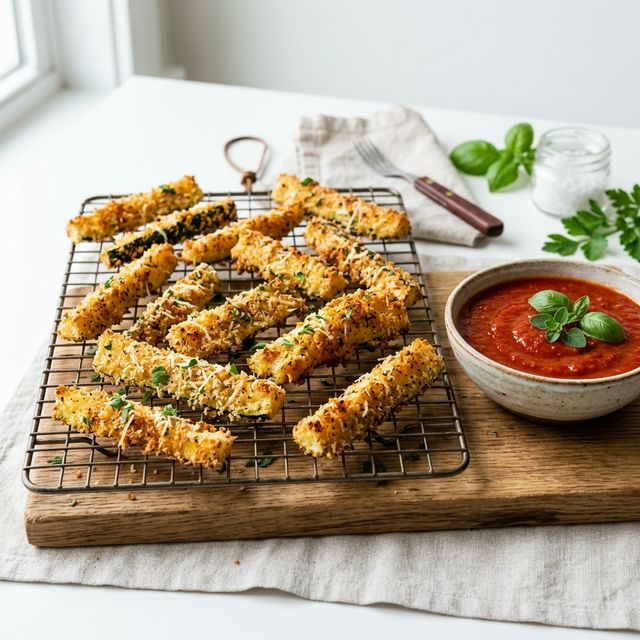
Wire rack baking gives these parmesan-panko zucchini fries real crunch on all sides. Ready in 35 minutes. Serve with warm marinara.
Miso-Glazed Black Cod with Sesame Cucumber Slaw and Steamed Rice
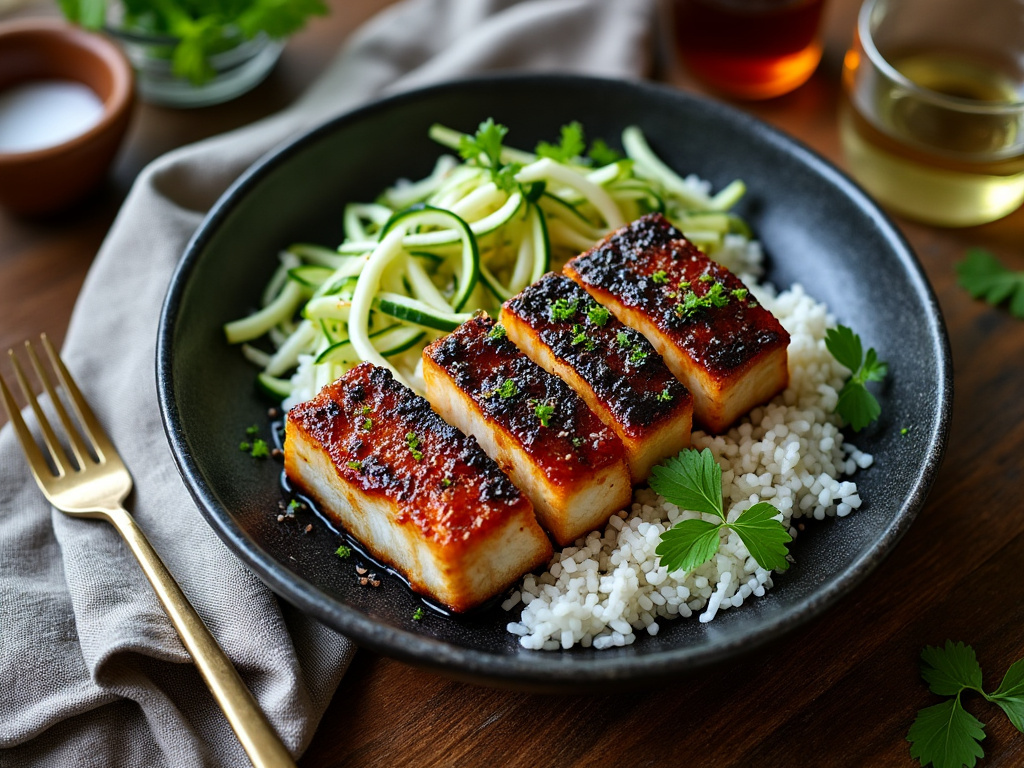
Broiled miso-glazed black cod with a crisp sesame cucumber slaw. A 35-minute dinner that tastes like serious effort.