Gochujang Braised Beef Short Rib Ragu with Pappardelle and Crispy Shallots
Deep, sticky short rib ragu with gochujang heat and wide pappardelle. A slow braise that pays off hard on a weekend dinner table.
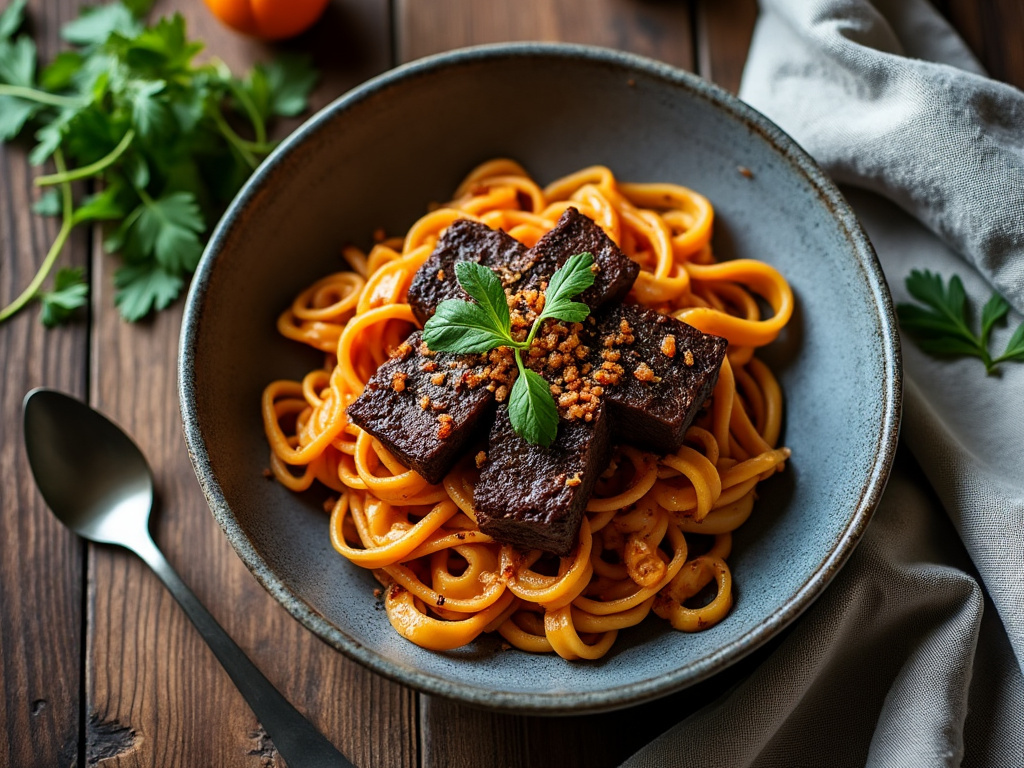
<p>Short rib ragu is fundamentally about collagen — the connective tissue that breaks down over three hours into a glossy, clinging sauce that coats pasta like nothing else. This version swaps the usual red wine-and-tomato base for gochujang, soy, and a small hit of rice vinegar, which together add fermented depth and a clean, low-level heat without turning the dish into a Korean-Italian novelty act. The fat renders, the meat shreds, and what's left in the pot is a sauce that clings to pappardelle's wide ribbons exactly the way it should.</p><p>Expect rich, spoonable, deeply savory pasta with a brick-red sauce and a subtle sweetness from caramelized onion and a touch of brown sugar. Finish with crispy fried shallots and a shower of fresh scallions for texture. This is a weekend project — three-plus hours of hands-off braising — that serves four generously, with enough ragu to freeze for a second weeknight dinner. If the sauce looks thin when you shred the beef, just simmer it hard for five minutes uncovered and it will tighten up fast.</p>
Ingredients
- ▸ 2.5 lbs bone-in English-cut short ribs (3-4 pieces)
- ▸ 1.5 tsp Diamond Crystal kosher salt
- ▸ 1 tsp freshly ground black pepper
- ▸ 2 tbsp neutral oil (such as grapeseed or avocado oil)
- ▸ 1 large yellow onion, finely diced
- ▸ 6 garlic cloves, minced
- ▸ 1 tbsp fresh ginger, grated on a microplane
- ▸ 3 tbsp gochujang paste
- ▸ 2 tbsp soy sauce
- ▸ 1 tbsp rice vinegar
- ▸ 1 tbsp brown sugar, packed
- ▸ 1 tbsp tomato paste
- ▸ 1 cup dry red wine (such as Barbera or Merlot)
- ▸ 1.5 cups beef stock
- ▸ 2 dried bay leaves
- ▸ 12 oz dried pappardelle pasta
- ▸ 1 tbsp kosher salt (for pasta water)
- ▸ 1 oz Parmigiano-Reggiano, finely grated, plus more for serving
- ▸ 3 large shallots, thinly sliced into rings
- ▸ 0.5 cup neutral oil (for frying shallots)
- ▸ 3 scallions, thinly sliced on a bias
- ▸ 1 tsp toasted sesame seeds
🛒 Links may earn us a small commission at no cost to you.
Recommended Gear
🛒 We may earn a small commission at no extra cost to you. We only recommend gear we'd use ourselves.
Instructions
Prep
- 1. Pat the short ribs completely dry with paper towels — moisture is the enemy of a good sear. Season all surfaces with 1.5 tsp Diamond Crystal kosher salt and 1 tsp black pepper, pressing the seasoning into the meat. Let them sit at room temperature for 20-30 minutes while you prep the aromatics.
- 2. Finely dice the onion, mince the garlic, and grate the ginger. In a small bowl, whisk together the gochujang, soy sauce, rice vinegar, and brown sugar until smooth. This paste goes in as one addition — pre-mixing now prevents scorching.
Fry the Shallots
- 1. In a small saucepan, heat 0.5 cup neutral oil over medium heat until it shimmers and a single shallot ring dropped in sizzles immediately. Add all the sliced shallots and fry, stirring occasionally, for 8-10 minutes until they turn deep golden brown and very crispy — they go from light gold to perfect to burnt quickly at the end, so watch carefully. Remove with a slotted spoon to a paper towel-lined plate and spread them out. They crisp further as they cool. Season lightly with salt.
Sear the Short Ribs
- 1. Heat 2 tbsp neutral oil in the Dutch oven over medium-high heat until the oil just begins to smoke. Add the short ribs fat-side down in a single layer — do not crowd them. If they don't all fit, sear in two batches. Sear without moving for 4-5 minutes per side until a deep mahogany crust forms and the ribs release cleanly from the pan. You should hear a sustained, aggressive sizzle the whole time. Sear all four sides, about 12-15 minutes total. Transfer to a plate.
Build the Braise
- 1. Reduce heat to medium. Pour off all but about 1 tbsp of fat from the pot, leaving the fond (the browned bits stuck to the bottom) intact. Add the diced onion and cook, stirring occasionally, for 6-8 minutes until softened and turning golden at the edges — the onion should smell sweet, not sharp.
- 2. Add the garlic and ginger. Stir constantly for 60-90 seconds until fragrant and the raw bite softens — you'll smell the garlic turning toasty. Don't let it brown past golden or it turns bitter.
- 3. Add the tomato paste and the gochujang mixture. Stir and cook for 2 minutes until the paste darkens slightly and sticks to the pan in places, smelling deeply savory and a little caramelized.
- 4. Pour in the red wine and scrape the bottom of the pot with a wooden spoon to deglaze every bit of fond — this is where a huge chunk of the flavor lives. Let the wine reduce by half, about 3-4 minutes. Pour in the beef stock and add the bay leaves. Bring to a simmer.
Braise
- 1. Nestle the seared short ribs back into the pot, bone-side up. The liquid should come about halfway up the ribs — not submerge them. Bring to a gentle simmer, then cover the Dutch oven and transfer to a 325°F (163°C) oven. Braise for 2.5 to 3 hours, checking once at the 2-hour mark. The ribs are done when they yield completely to tong pressure and the meat has visibly pulled back from the bones.
Finish the Sauce and Shred
- 1. Remove the pot from the oven. Transfer the ribs to a cutting board and discard the bay leaves. Skim the visible orange fat off the surface of the braising liquid with a spoon — there will be a lot of it. Place the pot over medium-high heat and simmer the braising liquid, uncovered, for 8-10 minutes until it reduces to a glossy, thick sauce that coats the back of a spoon. Meanwhile, shred the short rib meat off the bones using two forks, discarding the bones and any large pieces of hard fat. Stir the shredded beef back into the reduced sauce and reduce heat to low. Taste and adjust salt.
Cook the Pasta and Assemble
- 1. Bring a large pot of water to a rolling boil and add 1 tbsp kosher salt — it should taste noticeably salty. Cook the pappardelle for 1 minute less than the package directions, until just shy of al dente. Reserve 1 cup of pasta water before draining.
- 2. Using tongs, transfer the pasta directly from the pot into the ragu (don't rinse it). Add a splash of pasta water and toss over medium heat for 1-2 minutes, letting the pasta absorb the sauce and finish cooking. The sauce should cling tightly to every ribbon — if it looks dry, add pasta water a splash at a time. Remove from heat and stir in the grated Parmigiano-Reggiano until melted and glossy.
- 3. Divide immediately into wide bowls. Top each serving with a generous pile of crispy shallots, sliced scallions, a pinch of toasted sesame seeds, and extra Parmigiano. Serve right away — pappardelle absorbs sauce fast.
Cook's Notes
- The fat cap on short ribs is thick — searing fat-side down first helps render some of it out, which gives you better flavor and a less greasy final sauce. Don't skip skimming the fat from the braising liquid after the braise; it makes the difference between a glossy sauce and a slick, oily one.
- Gochujang brands vary wildly in heat and saltiness. If you're using Bibigo (milder and sweeter), you can go the full 3 tablespoons. If you're using a spicier Korean market brand, start with 2 tablespoons and adjust after reducing the sauce.
- Make the crispy shallots up to 24 hours ahead and store them uncovered at room temperature — they stay crispy. Storing them covered traps steam and makes them soggy.
- The ragu freezes beautifully for up to 3 months. Freeze it in 2-cup portions — that's roughly enough for two servings — so you can pull out exactly what you need for a fast weeknight dinner.
- Don't salt the pasta water as an afterthought. Under-salted pasta will taste flat no matter how good the sauce is. The water should taste like mild sea water — about 1 tbsp kosher salt per gallon.
Pro Tips
- → If the short ribs steam instead of sear when they hit the pan — wet sound, gray color instead of brown — your pan wasn't hot enough or the meat was too wet. Pull them out, dry them again with paper towels, and let the pan rip for another 2 minutes before trying again. A true sear takes patience.
- → The braising liquid reduces a lot in the oven even with the lid on. If it looks very low when you check at 2 hours (less than 1/2 inch in the pot), add another 1/4 cup beef stock. Running it dry leads to scorching and a metallic, bitter sauce.
- → If your sauce looks thin after reducing for 10 minutes post-braise, it usually means the ribs released a lot of water during cooking. Keep reducing — give it another 5 minutes uncovered on medium-high. Don't add cornstarch; just let evaporation do the work. The gelatin from the bones will thicken it naturally once it reduces enough.
- → Finishing the pasta in the ragu rather than just dumping sauce on top of drained pasta is non-negotiable for texture. The starchy pasta water helps the sauce emulsify and bind to the noodles. Skipping this step is why pasta sometimes tastes like noodles with sauce on top rather than a unified dish.
- → Pappardelle in the bowl seizes up fast — the wide surface area absorbs sauce rapidly. Don't plate until every person is at the table, and don't hold the plated pasta. If you're serving sequentially, keep the pasta and ragu separately over low heat and plate to order.
- → The Parmigiano must go in off the heat. If the pan is still on the burner when you add it, the cheese will seize into rubbery clumps rather than melting smoothly into the sauce. Pull the pan, add the cheese, and toss vigorously — residual heat is all you need.
What to Serve With This
<p>A medium-bodied red wine is the natural move here, but skip anything too tannic — the gochujang bitterness will amplify it. A Barbera d'Asti or Barbera d'Alba works well: its bright acidity cuts through the fat, and its low tannin doesn't fight the fermented heat. If you want something from the New World, a Chilean Carménère has the same soft tannin profile with earthy, slightly smoky notes that echo the braised beef.</p><p>For beer, go with a malty, not-too-hoppy amber ale or a Vienna lager. The slight caramel malt sweetness mirrors the brown sugar in the ragu, and the carbonation scrubs the richness off your palate between bites. Stay away from IPAs — the bitter hop load clashes with gochujang's fermented spice.</p><p>On the table, serve a simple underdressed arugula salad alongside — just lemon juice, good olive oil, and flaky salt. The bitterness of the arugula is exactly the contrast this rich pasta needs. Skip anything creamy or starchy next to it; the pasta is already doing all that work.</p><p>For bread, a torn hunk of crusty sourdough is genuinely useful here for sauce-mopping. No-Knead Dutch Oven Bread (see our site) is worth making the day before — the open crumb soaks up ragu without going soggy immediately.</p>
Variations & Substitutions
<p>To make this dairy-free, simply omit the Parmigiano-Reggiano finish. The ragu itself is already dairy-free, and the crispy shallots plus scallions give enough textural contrast that you won't miss the cheese. A drizzle of chili crisp over the plated bowl adds a punchy, oily richness that partially replaces what the cheese was doing.</p><p>For a lighter weeknight version using ground beef, brown 1.5 lbs of 80/20 ground beef in the same Dutch oven over high heat until deeply caramelized — about 8 minutes. Use the same aromatics and braise liquid, but cook covered on the stovetop for only 45 minutes, then simmer uncovered for 10 minutes to tighten. The texture is looser than shredded short rib but the flavor profile holds. Swap pappardelle for rigatoni, which traps ground meat better inside its tubes.</p><p>To scale up for six to eight people, increase the short ribs to 4 lbs bone-in, add an extra 1/2 cup beef stock, and extend the braise by 30 minutes. Everything else stays proportional. The Dutch oven must be at least 6 quarts to hold the extra volume comfortably — a 5.5-quart will overflow when you add liquid.</p><p>For a gluten-free version, use certified GF tamari in place of soy sauce (same quantity), and swap the pappardelle for a bronze-die-cut GF pasta like Jovial cassava fettuccine. Cook it to al dente per package directions — GF pasta overcooks faster than wheat pasta, so start checking it two minutes early.</p>
Frequently Asked Questions
Can I make the ragu ahead of time? ▼
Yes — and it's actually better the next day. Braise the short ribs, shred the beef, and store the finished ragu in an airtight container in the fridge for up to 4 days. The fat will solidify on top overnight; skim it off before reheating. Reheat in a wide skillet over medium heat with a splash of beef stock to loosen it up.
Can I freeze the ragu? ▼
Absolutely. Freeze the ragu (without the pasta) in quart-size freezer bags or airtight containers for up to 3 months. Lay the bags flat to freeze, which saves freezer space and speeds up thawing. Thaw overnight in the fridge, then reheat gently on the stovetop over medium-low, adding a splash of stock if it looks tight.
What if I can't find bone-in short ribs? ▼
Boneless short ribs work fine — use 2 lbs since there's no bone weight. The braise time stays the same. Chuck roast cut into 3-inch chunks is also a solid substitute; it's fattier and slightly less rich, but shreds just as well and is usually cheaper. Avoid lean cuts like eye of round — they turn dry and stringy in a braise.
My sauce looks greasy. What do I do? ▼
Short ribs are a fatty cut, and if you don't skim the fat from the braising liquid before reducing, the sauce will be greasy rather than glossy. After removing the beef to shred, let the braising liquid sit for 5 minutes and spoon off the orange fat pooling on the surface — there can be a lot. Alternatively, refrigerate overnight and lift off the solidified fat cap.
How spicy is this with gochujang? ▼
At 3 tablespoons, the heat is moderate — noticeable but not aggressive, similar to a mild arrabbiata. If you're cooking for heat-sensitive guests, drop to 2 tablespoons. To increase heat, add 1 teaspoon of gochugaru (Korean chili flakes) along with the gochujang. Different gochujang brands vary in heat level — Bibigo is milder, Wang brand is spicier.
Can I make this in a slow cooker? ▼
Yes. Sear the short ribs and build the sauce base in a skillet on the stovetop (don't skip the sear — it's essential for depth), then transfer everything to a 6-quart slow cooker. Cook on LOW for 8 hours or HIGH for 5 hours. Remove the beef, shred it, then pour the braising liquid into a wide skillet and reduce over high heat for 10-12 minutes until it thickens to a sauce consistency before combining.
Can I use a different pasta shape? ▼
Wide ribbons work best with this chunky, clingy ragu — pappardelle is ideal, but fresh tagliatelle is a close second. Dried mafaldine (the wavy-edged ribbon) is a good dried pasta alternative. Tubular shapes like rigatoni or paccheri also work because the sauce gets trapped inside. Avoid thin pasta like spaghetti or linguine — it can't support the weight of the shredded beef.
Do I have to use fresh pasta or will dried work? ▼
Dried pappardelle works well — look for De Cecco or Rustichella d'Abruzzo. Fresh pasta from the refrigerated section (like Rana) gives a silkier result since its softer texture absorbs the sauce better, but dried is more forgiving timing-wise. If using dried, cook it to just shy of al dente (1 minute less than the package says) and finish it in the sauce.
What cut of short rib should I buy? ▼
English-cut bone-in short ribs — the thick, single-bone pieces, not the thin flanken-cut strips used for Korean BBQ. English-cut ribs are typically 2-3 inches thick and hold their shape during a long braise before shredding. Ask your butcher if you're unsure which is which. Look for pieces with even marbling and a good fat cap on top.
How do I know when the short ribs are done braising? ▼
The meat should be completely fork-tender — when you press a piece with tongs, it should yield immediately with no resistance, and the meat should pull away from the bone without any tugging. If there's any chewiness, give it another 20-30 minutes. A thermometer is less useful here than the physical tenderness test; you're looking for texture, not a specific internal temp.
Enjoyed this recipe?
Daily Home Cookery is self-funded. If something you cooked here made dinner a little better, a coffee keeps the kitchen running.
☕ Buy me a coffeeYou Might Also Like
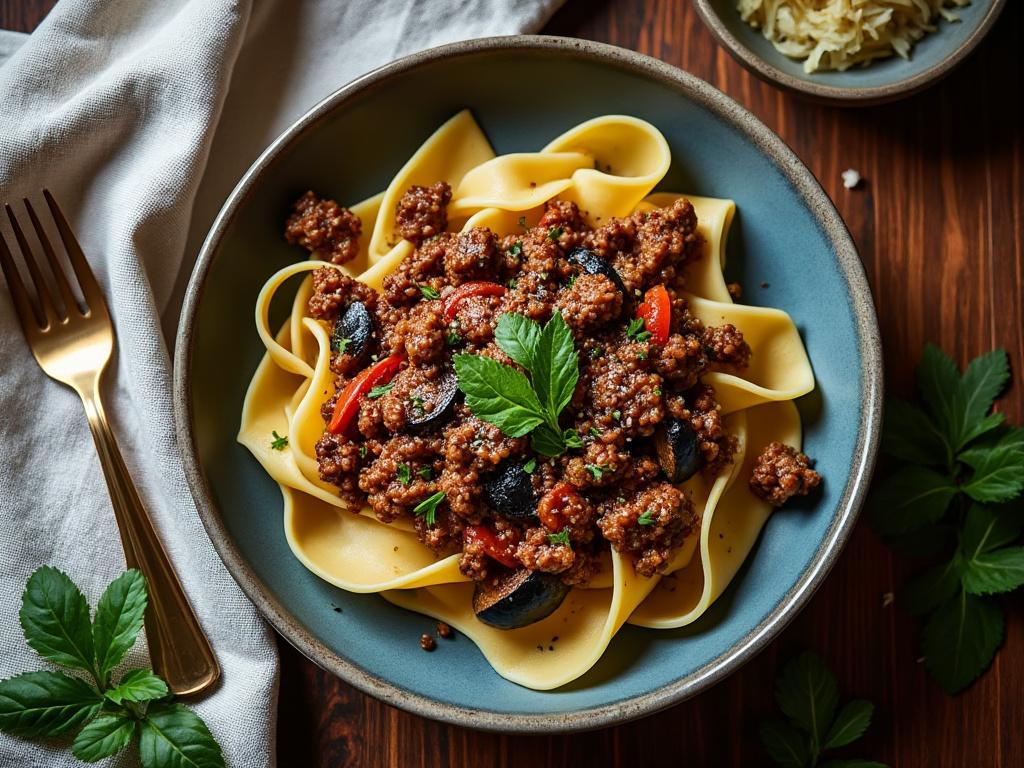
Smoky Eggplant and Lamb Bolognese
Ground lamb and charred eggplant make a deeply savory bolognese. Rich, meaty sauce with pappardelle — ready in under 80 minutes.
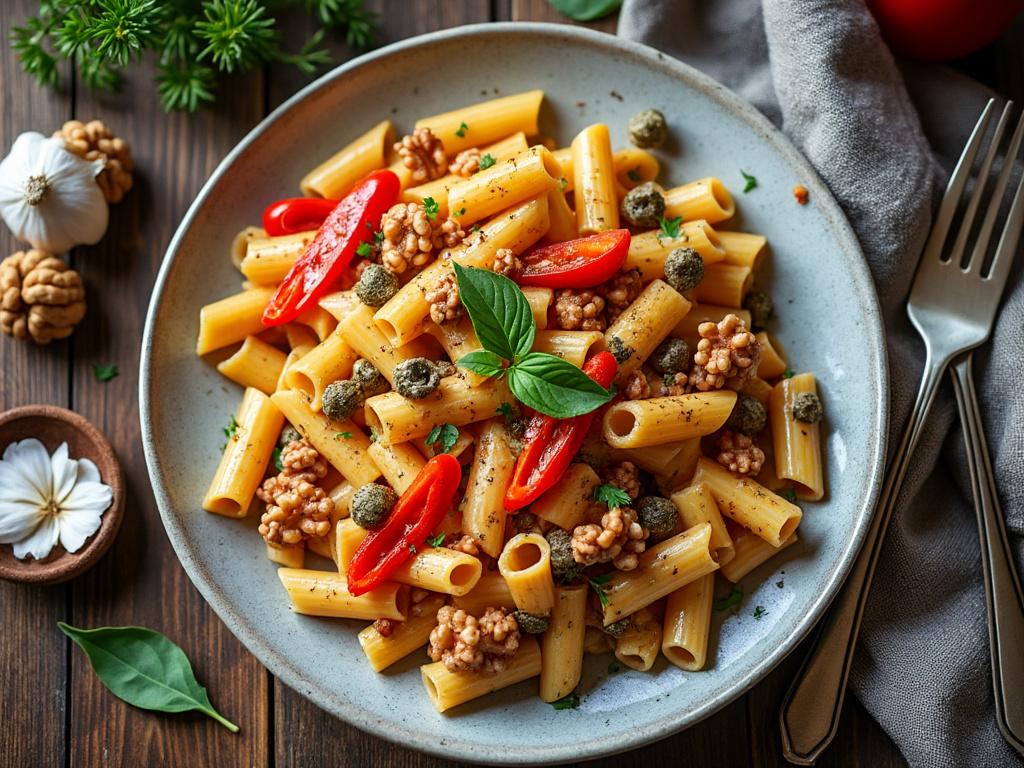
Creamy Roasted Red Pepper and Walnut Pasta with Crispy Capers
A bold, nutty pasta sauce built on charred peppers and toasted walnuts — weeknight-fast, pantry-friendly, and completely vegetarian.
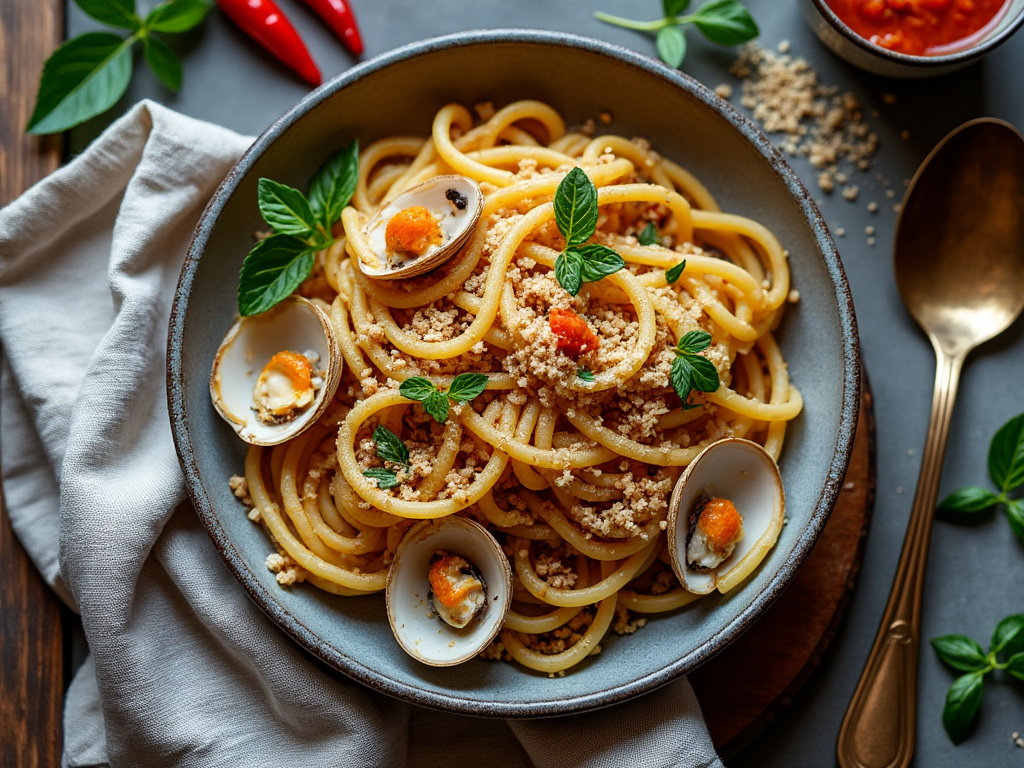
Brown Butter Clam Linguine with Crispy Breadcrumbs and Calabrian Chili
Briny canned clams, nutty brown butter, and Calabrian chili come together in this bold 45-minute weeknight linguine with crunchy herbed breadcrumbs.