Harissa-Glazed Roasted Carrots with Whipped Ricotta and Pistachio Dukkah
Harissa-glazed carrots roasted until caramelized, served on whipped ricotta with homemade pistachio dukkah. A stunning vegetarian dinner or side.
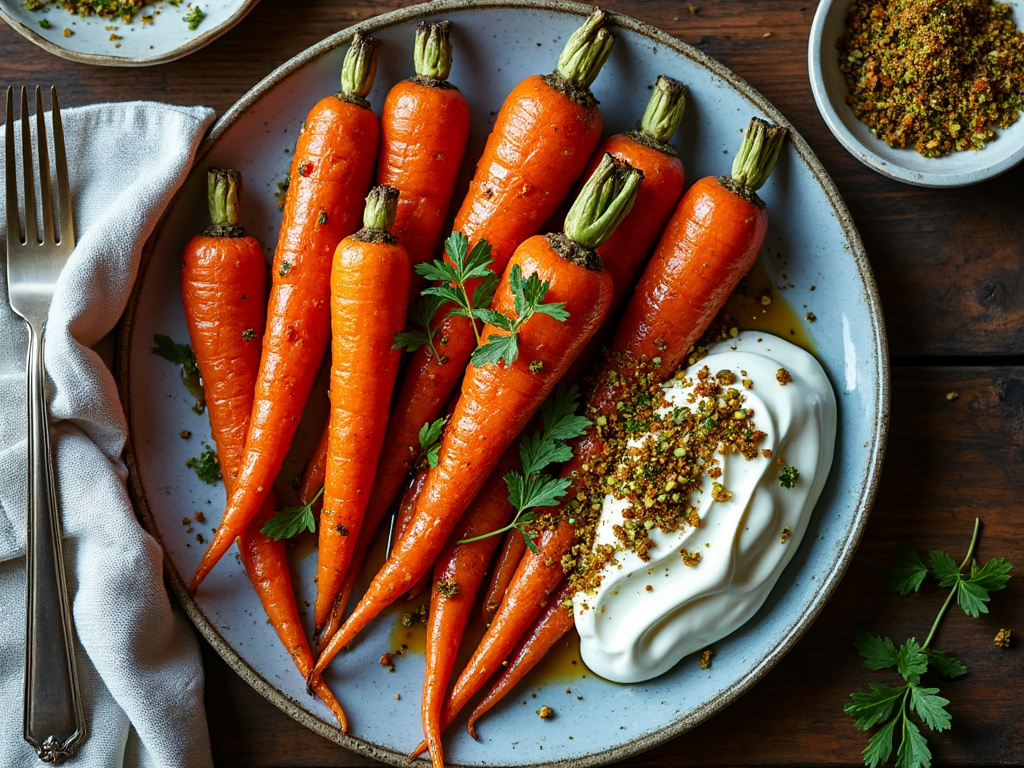
Carrots roasted at high heat do something that steamed or sautéed carrots never quite manage: they concentrate their sugars to near-jammy intensity while the edges char and crisp. Toss them in harissa — the Tunisian chili paste, not the mild American imitation — and that caramelization gains a smoky, brick-red depth that makes this dish feel like a complete meal rather than a side. The technique that makes this work is a two-stage roast: high heat to get color fast, then a brief blast of the broiler to set the glaze.
On the plate, the heat of the carrots melts into cold, lemony whipped ricotta and the whole thing is finished with pistachio dukkah — a coarse Egyptian spice-and-nut blend you make in five minutes with a food processor. Expect tender, slightly smoky carrots against cool, tangy cream, with crunch from the dukkah scattered over the top. This works as a vegetarian main for two, a starter for four, or a showstopper side at a dinner party. If your carrots are releasing a lot of liquid mid-roast and steaming instead of caramelizing, spread them further apart and increase the heat by 25°F.
Ingredients
- ▸ 2 lbs whole carrots, peeled and halved lengthwise (about 8-10 medium carrots)
- ▸ 2 tbsp harissa paste (New York Shuk or Mina brand)
- ▸ 2 tbsp olive oil
- ▸ 1 tbsp honey
- ▸ 1 tsp ground cumin
- ▸ 1/2 tsp Diamond Crystal kosher salt
- ▸ 1/4 tsp black pepper
- ▸ 1.5 cups whole-milk ricotta
- ▸ 2 tbsp extra-virgin olive oil (for ricotta)
- ▸ 1 tbsp fresh lemon juice
- ▸ 1 small garlic clove, finely grated
- ▸ 1/4 tsp Diamond Crystal kosher salt (for ricotta)
- ▸ 0.5 cup raw shelled pistachios
- ▸ 1 tsp coriander seeds
- ▸ 1 tsp cumin seeds
- ▸ 2 tbsp sesame seeds, toasted
- ▸ 1/4 tsp fine sea salt (for dukkah)
- ▸ 1/4 tsp Aleppo pepper flakes
- ▸ 2 tbsp fresh flat-leaf parsley leaves, roughly torn
- ▸ 1 tbsp extra-virgin olive oil (for finishing)
🛒 Links may earn us a small commission at no cost to you.
Recommended Gear
🛒 We may earn a small commission at no extra cost to you. We only recommend gear we'd use ourselves.
Instructions
Make the Pistachio Dukkah
- 1. Set a small dry skillet over medium heat. Add 1 tsp coriander seeds and 1 tsp cumin seeds. Toast, shaking the pan constantly, until fragrant and beginning to darken slightly — about 90 seconds. You'll smell a warm, earthy bloom the moment they're ready. Transfer immediately to a plate to stop cooking.
- 2. Add the toasted spices, 1/2 cup pistachios, 2 tbsp already-toasted sesame seeds, 1/4 tsp fine sea salt, and 1/4 tsp Aleppo pepper to a food processor. Pulse 8-10 times until you get a coarse, sandy crumble — some pieces should still be pea-sized. Do not over-process into a paste. Set aside.
Prep and Glaze the Carrots
- 1. Position an oven rack in the upper-middle position. Preheat the oven to 450°F — use an oven thermometer to confirm. Line a rimmed half-sheet pan with foil for easier cleanup.
- 2. In a large bowl, whisk together 2 tbsp harissa, 2 tbsp olive oil, 1 tbsp honey, 1 tsp ground cumin, 1/2 tsp kosher salt, and 1/4 tsp black pepper until combined and brick-red in color. Add the halved carrots and toss to coat thoroughly — every cut surface should be glazed.
- 3. Arrange the carrots cut-side down in a single layer on the prepared sheet pan, spaced at least 1/2 inch apart. Do not stack or crowd — that turns the oven into a steam chamber. Scrape any remaining glaze from the bowl over the tops.
Roast the Carrots
- 1. Roast at 450°F for 22-25 minutes, until the carrots are tender when pierced with a paring knife and the cut faces are deeply golden with some charred edges — you should see caramelized spots of dark red-brown. The sheet pan will smell of toasted chili and sweet carrot sugars.
- 2. Switch the oven to broil (high). Broil the carrots for 3-4 minutes, watching constantly, until the glaze tightens, bubbles, and chars in spots. The tops should look lacquered and slightly blistered — pull them at the first sign of smoke. Remove from oven and rest on the pan for 5 minutes.
Make the Whipped Ricotta
- 1. While the carrots roast, combine 1.5 cups whole-milk ricotta, 2 tbsp extra-virgin olive oil, 1 tbsp lemon juice, 1 finely grated garlic clove, and 1/4 tsp kosher salt in the bowl of a stand mixer fitted with the whisk attachment. Whip on medium-high for 90 seconds until lighter, fluffier, and spreadable — it should hold a soft peak when you lift the whisk. Taste and adjust salt or lemon. If using a hand mixer, same method works; just takes 30 extra seconds.
Assemble and Serve
- 1. Spoon the whipped ricotta onto a large serving platter or individual plates, spreading it in a thick swoosh with the back of a spoon — leave the center slightly shallower so the carrots have a landing pad. The ricotta should be at room temperature; if it came straight from the fridge, microwave the platter for 20 seconds so it doesn't chill the carrots on contact.
- 2. Arrange the roasted carrots over the ricotta, cut-side up, overlapping slightly. Drizzle 1 tbsp finishing olive oil over the top. Scatter 3-4 tbsp of the pistachio dukkah generously over the carrots and ricotta — be bold here, it's the texture layer the dish needs. Finish with torn parsley leaves and serve immediately while the carrots are still warm.
Cook's Notes
- Pat the carrots dry with paper towels before tossing in the glaze if they feel damp after peeling — surface moisture is the enemy of caramelization.
- The dukkah recipe makes more than you need; store the leftover in a sealed jar at room temperature for up to 2 weeks and use it on eggs, yogurt, or roasted vegetables.
- Don't skip the broil step — it's what sets the glaze from 'coated' to 'lacquered' and adds the char notes that give this dish its backbone.
- Whole-milk ricotta is non-negotiable here; part-skim versions have too much water and whip into something grainy and thin rather than creamy.
- If your harissa paste varies in thickness by brand, the glaze should coat a spoon thickly without dripping — if it's too loose, add 1 tsp tomato paste to tighten it.
Pro Tips
- → If the glaze starts burning before the carrots are tender during the roast (check at 18 minutes), tent the pan loosely with foil for the remaining time, then remove it for the broil — the foil traps steam and finishes cooking without scorching.
- → Coriander and cumin seeds toast fast and burn faster — pull them off heat the second you smell them, not after. Burnt cumin seeds have a bitter, ashy flavor that ruins the dukkah.
- → The whipped ricotta will deflate and weep liquid if made too far ahead and refrigerated uncovered. If prepping ahead, press plastic wrap directly against the surface; it holds its texture for up to 48 hours that way.
- → For maximum caramelization, flip the carrots to cut-side down from the start — that flat surface against the hot pan is where your color comes from, not the rounded top. Most recipes skip this but it's the difference between golden and pale.
- → If the dukkah is coming out too fine and pasty in the food processor, you've over-processed it. Next time, pulse in shorter bursts and check after every 2-3 pulses. You can also rough-chop the pistachios by hand first before adding to the processor — gives you more control.
- → Harissa paste varies wildly in heat level by brand. If you're using a new brand, taste 1/4 tsp straight before committing to 2 tbsp in the glaze — scale back to 1 tbsp and supplement with 1 tsp tomato paste if it's very hot.
What to Serve With This
Serve this alongside warm, pillowy flatbreads — store-bought naan or a good sourdough pita work well — to drag through the whipped ricotta. The bread is functional here, not decorative; you want something to catch the harissa-tinged oil pooling on the plate.
For wine, go with a dry rosé from Provence or a light-bodied Grenache. Both have enough acidity to cut the richness of the ricotta without overpowering the carrot's sweetness. If you'd rather drink white, a Grüner Veltliner from Austria — with its white pepper notes and high acidity — echoes the spice in the harissa and handles the creaminess cleanly. Avoid oaky Chardonnay; it dulls everything.
For beer, a cold wheat beer (Hefeweizen or Witbier) is the move. The citrus and coriander notes in a good Witbier like Allagash White mirror the lemon in the ricotta and the coriander seed in the dukkah. It's a pairing that feels intentional without requiring effort.
If you're building a full vegetarian dinner around this, pair it with a simple arugula salad dressed only with lemon juice, olive oil, and shaved Pecorino. The bitterness of the arugula is a palate reset between bites of rich ricotta and sweet carrot — essential balance on the table.
Variations & Substitutions
For a vegan version, swap the ricotta for a 1:1 replacement of blended silken tofu (14 oz, drained) whipped with 2 tbsp good olive oil, 1 tbsp lemon juice, 1/4 tsp fine salt, and 1 minced garlic clove. The texture is slightly less silky but the flavor holds up well, especially once the warm carrots hit the top and begin to melt it slightly. Use a full-fat coconut yogurt base if you want something richer.
To make this gluten-free, the recipe is already naturally gluten-free — just confirm your harissa brand contains no wheat-based thickeners (most don't, but Mina and New York Shuk are both reliably clean). The dukkah is also inherently gluten-free.
For a North African-leaning flavor variant, add 1/2 tsp ground cumin and 1/4 tsp cinnamon to the harissa glaze. Swap the pistachios in the dukkah for blanched almonds and add 1 tbsp sesame seeds for a more classic dukkah profile. Finish with torn fresh mint instead of parsley for a brighter result.
To scale for a crowd, this doubles well on two rimmed half-sheet pans. Don't crowd the carrots onto a single pan when doubling — that's how you end up steaming instead of roasting. The whipped ricotta can be made up to 24 hours ahead and refrigerated; bring it to room temperature for 20 minutes before serving.
Frequently Asked Questions
Can I make any components ahead of time? ▼
Yes — the whipped ricotta keeps refrigerated for up to 2 days in an airtight container; press plastic wrap directly against the surface to prevent a skin forming. The pistachio dukkah keeps at room temperature in a sealed jar for up to 2 weeks. Roast the carrots fresh — they lose their texture if made ahead and reheated.
What brand of harissa should I use? ▼
New York Shuk Rose Harissa is the benchmark — it has real depth and moderate heat without being one-dimensional. Mina Harissa (red, not rose) is a solid grocery store option widely available at Whole Foods and Target. Avoid the Trader Joe's version for this recipe; it's too mild and sweet to give the glaze any punch.
My carrots are steaming instead of caramelizing in the oven. What went wrong? ▼
Almost always an overcrowding issue — the carrots need at least half an inch of space between them to roast rather than steam. Use a larger pan or roast in two batches. Also check that your oven is actually reaching 450°F; many home ovens run 25-50°F cool, so an oven thermometer is worth having.
Can I use baby carrots instead of whole carrots? ▼
You can, but the result is noticeably inferior. Baby carrots have more water content and less surface area relative to their volume, so they don't caramelize as well. If that's all you have, halve them lengthwise, pat them very dry, and roast at 475°F — add an extra 5-8 minutes of cook time.
How spicy is this dish? ▼
With 2 tablespoons of harissa, it's a medium heat — noticeable warmth but not face-clearing. If you're cooking for heat-sensitive eaters, cut the harissa to 1 tablespoon and add 1 teaspoon of tomato paste to maintain body and color. If you want more fire, add 1/4 tsp Aleppo pepper or a pinch of cayenne to the glaze.
Can I freeze leftovers? ▼
Freeze the roasted carrots only — not the ricotta or dukkah. Spread cooled carrots on a sheet pan to freeze solid, then transfer to a freezer bag for up to 2 months. Reheat directly from frozen at 400°F for 10-12 minutes. The texture softens slightly but the flavor holds. Make fresh ricotta and dukkah when serving.
Is this a main dish or a side? ▼
Both, depending on portion size. As a main for two people, serve with flatbread and a simple green salad — the ricotta provides enough protein and fat to make it a complete meal. As a side for four, it sits alongside grilled lamb or roasted chicken without competing. The whipped ricotta base is what tips it toward a main.
What if I don't have a food processor for the dukkah? ▼
Use a zip-lock bag and a rolling pin — add the pistachios, coriander, and cumin seeds to the bag and crush with the pin until you get a rough, sandy mixture with some larger chunks still visible. It takes about 2 minutes and gives you slightly more textural variance than a food processor, which is actually a good thing.
Can I use store-bought dukkah instead of making my own? ▼
Yes — look for it at Trader Joe's (they carry it seasonally), Whole Foods, or Middle Eastern grocery stores. Use 3 tablespoons to finish the dish. The flavor won't be quite as fresh or as nutty, but it works. Just taste it first — some commercial versions are heavily salted, so adjust your seasoning accordingly.
Enjoyed this recipe?
Daily Home Cookery is self-funded. If something you cooked here made dinner a little better, a coffee keeps the kitchen running.
☕ Buy me a coffeeYou Might Also Like
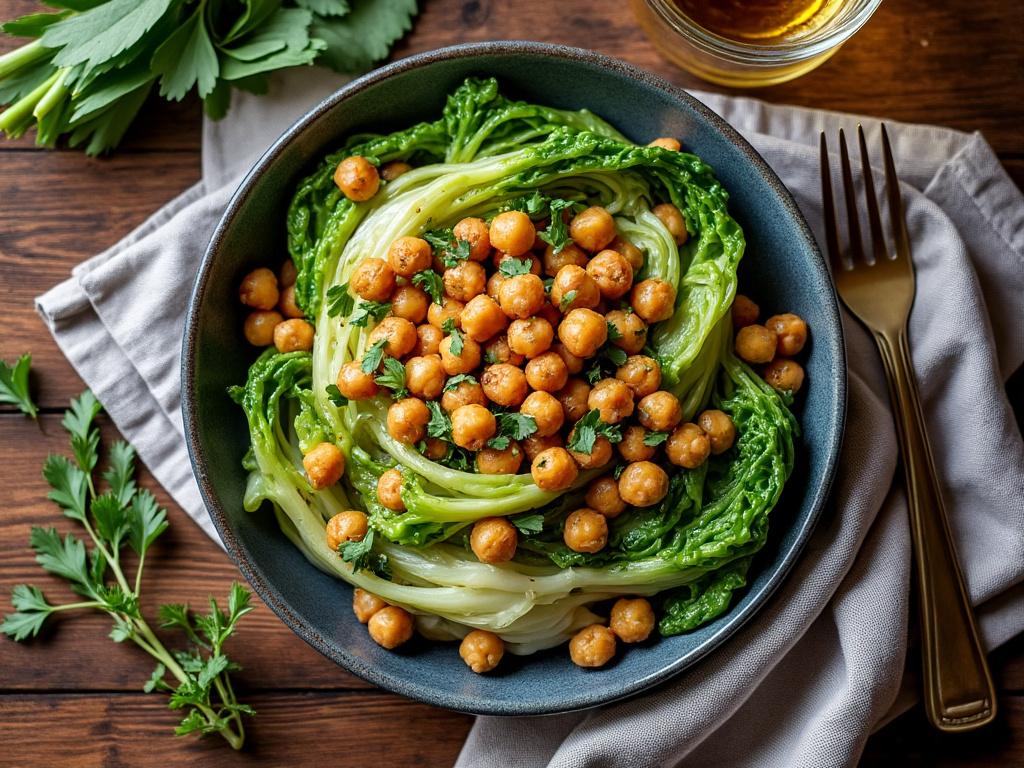
Weeknight Miso Butter Braised Cabbage with Crispy Chickpeas
Deeply savory miso butter braised cabbage topped with shatteringly crispy chickpeas. A fast, pantry-friendly weeknight vegetarian dinner.
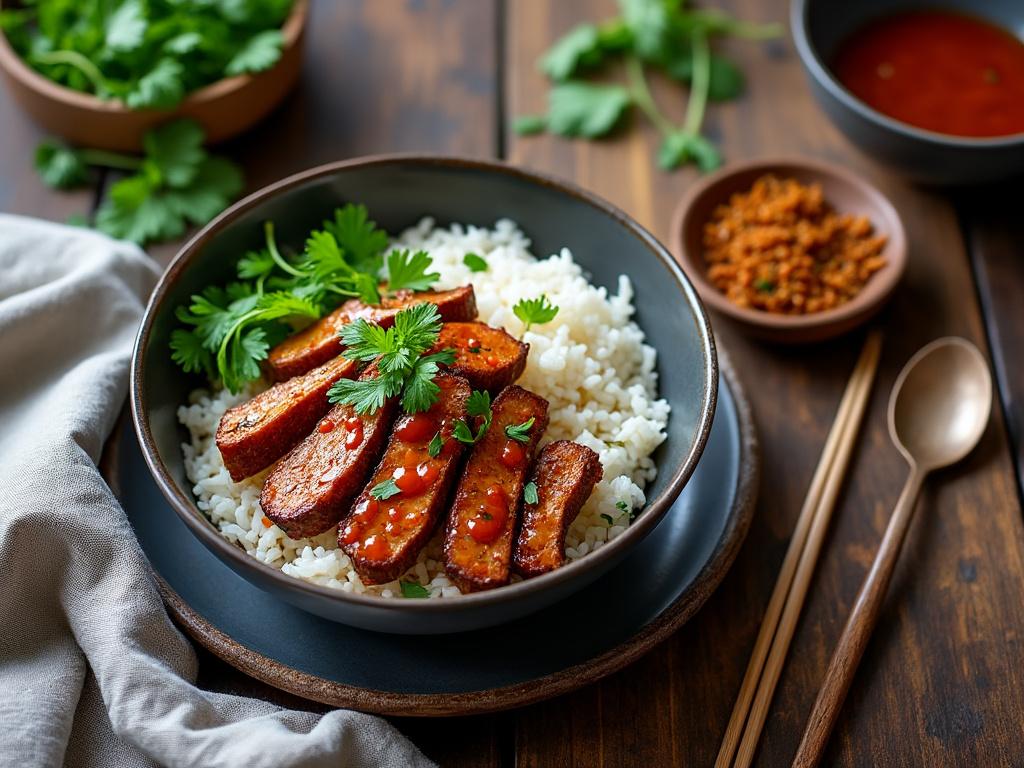
Spicy Korean Pork Bulgogi Rice Bowls
Tender gochujang-marinated pork, crispy-edged and caramelized, served over short-grain rice with pickled cucumbers and sesame spinach.
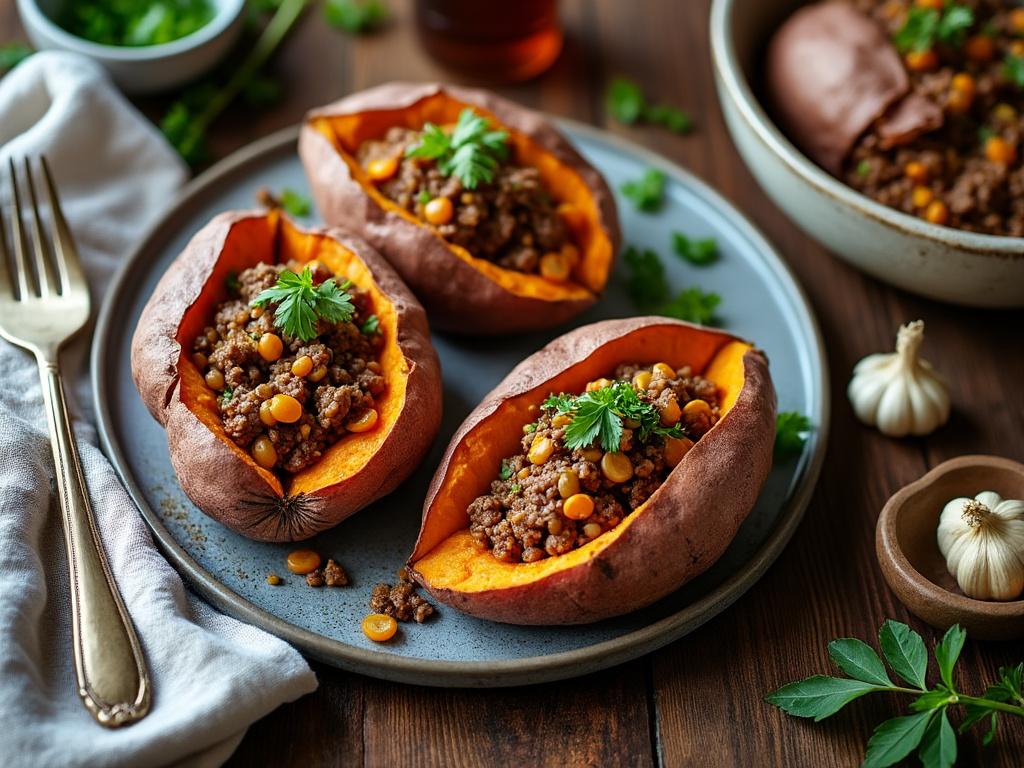
Spiced Beef and Lentil Stuffed Sweet Potatoes
Roasted sweet potatoes loaded with cumin-spiced ground beef, green lentils, and diced tomatoes. Topped with lime Greek yogurt. Ready in 50 minutes.