Mango Habanero Grilled Shrimp Skewers with Coconut Rice and Charred Pineapple Salsa
Juicy grilled shrimp glazed in mango habanero marinade, served over coconut rice with a smoky charred pineapple salsa. Ready in 50 minutes.
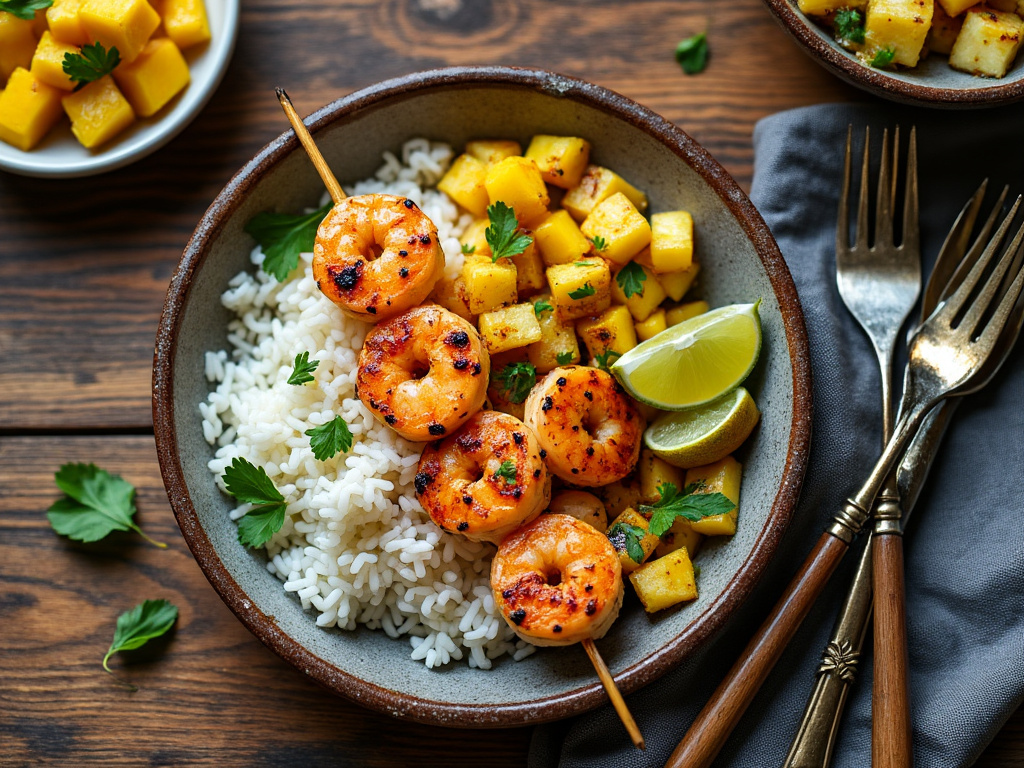
Shrimp on the grill goes from forgettable to genuinely exciting when the glaze has real heat behind it. This recipe uses fresh habanero and ripe mango — not a bottled sauce — to build a marinade that caramelizes fast over high heat, turning the shrimp lacquered and slightly charred at the edges in under five minutes per skewer. The same grill that cooks the shrimp also chars the pineapple rings for the salsa, so you get smokiness without a smoker. Expect sweet-spicy shrimp with snappy texture, creamy coconut rice to absorb the glaze drips, and a bright pineapple salsa that cuts through the richness. This is a weeknight dinner that works just as well for a backyard dinner party — prep the marinade and salsa ingredients ahead, and actual grill time is barely 15 minutes. If your shrimp are releasing a lot of water and steaming instead of charring, your grill isn't hot enough — push it to at least 450°F and make sure the shrimp are patted thoroughly dry before they hit the grates.
Ingredients
- ▸ 1.5 lbs large shrimp, 16/20 count, peeled and deveined, tails on
- ▸ 1 large ripe mango, peeled, pitted, and roughly chopped (about 1 cup)
- ▸ 1 fresh habanero pepper, seeded and roughly chopped
- ▸ 3 cloves garlic, smashed
- ▸ 2 tbsp fresh lime juice
- ▸ 1 tbsp soy sauce
- ▸ 1 tbsp honey
- ▸ 1 tsp ground cumin
- ▸ 1/2 tsp smoked paprika
- ▸ 1/2 tsp Diamond Crystal kosher salt, plus more for seasoning
- ▸ 2 tbsp neutral oil, such as avocado oil, divided
- ▸ 1.5 cups jasmine rice
- ▸ 1 can (13.5 oz) full-fat coconut milk
- ▸ 3/4 cup water
- ▸ 1/2 tsp fine sea salt
- ▸ 1 tsp coconut sugar or granulated sugar
- ▸ 4 rings fresh pineapple, about 3/4-inch thick, cored
- ▸ 1/2 small red onion, finely diced
- ▸ 1 jalapeño, seeded and finely diced
- ▸ 1/4 cup fresh cilantro leaves, roughly chopped
- ▸ 1 tbsp fresh lime juice
- ▸ 1/4 tsp Diamond Crystal kosher salt
- ▸ 8 wooden or metal skewers
🛒 Links may earn us a small commission at no cost to you.
Recommended Gear
🛒 We may earn a small commission at no extra cost to you. We only recommend gear we'd use ourselves.
Instructions
Make the Marinade
- 1. Combine the mango, habanero, garlic, lime juice, soy sauce, honey, cumin, smoked paprika, and 1/2 tsp kosher salt in a blender. Blend on high for 45 seconds until completely smooth and bright orange — it should look like a thin smoothie with no fibrous chunks. Taste it: it should hit sweet, then spicy, then tangy in that order. Adjust with a few extra drops of lime if it tastes flat.
- 2. Pour half of the marinade (about 1/2 cup) into a bowl or zip-lock bag. Add the shrimp and toss to coat thoroughly. Reserve the remaining marinade in a small saucepan for glazing — this is critical, never use marinade that touched raw shrimp directly on cooked food. Marinate the shrimp at room temperature for 20-25 minutes, no longer.
Cook the Coconut Rice
- 1. Rinse the jasmine rice in a fine-mesh strainer under cold water for 30 seconds until the water runs mostly clear — this removes excess starch and keeps the grains separate. Shake out the water well.
- 2. Combine the rinsed rice, coconut milk, 3/4 cup water, fine sea salt, and coconut sugar in a 2-quart saucepan. Stir once, then bring to a boil over medium-high heat. The liquid will smell faintly sweet and look white and slightly frothy — that's normal. Once boiling, reduce heat to the lowest setting, cover tightly, and cook for 15 minutes without lifting the lid.
- 3. After 15 minutes, turn off the heat and let the rice steam, lid on, for another 10 minutes. When you open it, the surface should look dry with steam holes throughout and the rice should be tender and slightly sticky. Fluff gently with a fork and keep covered.
Char the Pineapple for Salsa
- 1. Brush the pineapple rings lightly with 1 tbsp of the neutral oil. Place directly on the hot grill (or under a broiler set to high, rack 4 inches from element) over medium-high heat. Grill for 3-4 minutes per side without moving them — you want deep mahogany char marks and the edges to look slightly caramelized. The pineapple is ready when it smells like warm caramel and lifts cleanly from the grate.
- 2. Let the charred pineapple cool for 5 minutes, then dice it into 1/4-inch pieces. Combine in a bowl with the red onion, jalapeño, cilantro, lime juice, and 1/4 tsp kosher salt. Toss together and set aside at room temperature — the acid will mellow the onion sharpness as it sits.
Grill the Shrimp
- 1. Thread 4-5 shrimp onto each skewer through both the tail and the thick body section so they lay flat and don't flop around when you flip them. Pat any excess marinade off with a paper towel — too much wet marinade will burn and turn bitter before the shrimp cook through. Brush lightly with the remaining 1 tbsp oil.
- 2. Meanwhile, heat the reserved glaze marinade in the small saucepan over medium-low heat for 3-4 minutes, stirring frequently, until it thickens slightly and reduces by about a quarter. It should coat the back of a spoon. Remove from heat.
- 3. Grill the shrimp skewers over direct high heat (450-500°F) for 2-3 minutes on the first side — don't touch them. You'll hear active sizzling and see the edges turn pink and curl. Flip when the shrimp have distinct char marks and release easily from the grate.
- 4. Brush the cooked side generously with the heated glaze, then cook the second side for 1-2 minutes more. The shrimp are done when they form a tight C-shape, are opaque throughout, and the glaze looks sticky and slightly caramelized — not wet. Total grill time should be 4-5 minutes. Pull them off immediately.
Assemble and Serve
- 1. Spoon the coconut rice into bowls or onto a platter. Lay the shrimp skewers across the rice and spoon any remaining glaze from the saucepan over the top. Pile the charred pineapple salsa alongside. Serve immediately while the shrimp are still hot and the glaze is tacky.
Cook's Notes
- Pat the shrimp bone-dry before threading — any surface moisture is the enemy of caramelization on the grill.
- Never reuse the raw shrimp marinade as a finishing glaze. Always reserve a separate portion before the shrimp go in, then heat it through in a saucepan to use safely.
- If wooden skewers are all you have, soak them in cold water for 30 minutes minimum. Dry skewers will scorch and can snap mid-flip.
- The pineapple salsa is best made fresh, but can sit at room temperature for up to 2 hours. After that, the pineapple softens too much and the salsa gets watery.
- Full-fat coconut milk is non-negotiable for the rice — lite coconut milk produces a watery, bland result. Use whatever brand, but check the can: it should feel heavy and you should hear liquid sloshing.
Pro Tips
- → If the glaze is burning on the grill before the shrimp are cooked through, your heat is too high or the shrimp went on with too much marinade clinging to them. Next time, wipe excess marinade before grilling and apply the heated glaze only in the last 60 seconds of cook time.
- → Shrimp curl into an O-shape (overcooked) extremely fast — the window between perfect and rubbery is about 45 seconds. Watch the shape, not the timer. Pull at the tight C.
- → For the most even cook, use two parallel skewers per portion (like rails) instead of one — this keeps the shrimp flat and prevents them from spinning when you flip, which means every surface actually hits the grate.
- → If your mango tastes stringy or starchy in the finished marinade even after blending, strain it through a fine-mesh sieve before using. Some mangoes — especially Tommy Atkins variety — are fibrous even when ripe. Ataulfo (champagne) mangoes blend much smoother and are sweeter.
- → The reserved glaze will continue to thicken in the saucepan as it cools. If it becomes too thick to brush on, stir in 1-2 tbsp warm water and reheat briefly over low heat — it will loosen immediately.
- → To get restaurant-level char on a home gas grill, preheat with the lid closed for a full 10 minutes before the shrimp go on. Most home grillers don't preheat long enough, which is why shrimp often come out steamed and pale instead of charred.
What to Serve With This
A crisp, slightly off-dry Riesling from Alsace or the Finger Lakes handles the habanero heat without fighting it — the residual sugar acts as a buffer, and the stone fruit notes echo the mango glaze. If you prefer beer, a Mexican-style lager like Modelo Especial or a wheat beer (hefeweizen) works well here: both are light enough not to amplify the spice, and the carbonation keeps the palate clean between bites. For non-alcoholic, try sparkling water with fresh lime and a few mint leaves — it does the same palate-cleansing work without sweetness that would compete with the salsa.
On the plate, the coconut rice is already built in, but if you want a vegetable side, grilled broccolini with a squeeze of lime and flaky salt is the move. It takes about 4 minutes on the same grill and adds a bitter char note that plays against the sweet glaze. A simple cabbage slaw dressed with rice wine vinegar, 1 tsp sesame oil, and a pinch of salt also works — crunchy and acidic, it makes the meal feel more complete without adding any cooking.
If you're serving this at a dinner party and want a starter, a cold avocado and cucumber soup (blended with lime and cilantro, no cooking required) is a smart choice — it sets up the tropical flavor profile without duplicating any ingredient on the main plate. Keep portions small so guests have appetite left for the skewers.
Variations & Substitutions
For a dairy-free, gluten-free version, this recipe is already there — just confirm your soy sauce is tamari (use 1 tbsp Kikkoman gluten-free tamari in place of regular soy). Every other ingredient is naturally free of both. The coconut milk in the rice is the only dairy-adjacent component, and it's already plant-based.
For a vegetarian version, swap the shrimp for 1-inch cubes of extra-firm tofu (press for 30 minutes first) or halloumi cut into 1.5-inch chunks. Tofu needs 6-7 minutes per side on medium-high heat rather than the quick 2-minute blast for shrimp, and it won't caramelize quite as dramatically — but the mango habanero glaze still clings well. Halloumi chars beautifully and takes about 3 minutes per side at the same heat.
To dial back the heat for kids or heat-sensitive guests, seed the habanero completely and use just half of one — or substitute one Fresno chili (much milder, still fruity) for the full habanero. The mango flavor actually comes through more clearly at lower heat levels. For more fire, leave the habanero seeds in and add 1/4 tsp cayenne to the marinade.
Scaling up for a crowd: this recipe doubles cleanly. Use two grill grates side by side or grill in two batches — don't crowd the skewers. Coconut rice can be made in a 4-quart saucepan using the same 1:1.5 rice-to-liquid ratio. The pineapple salsa holds well for up to 4 hours at room temperature, so make it first.
Frequently Asked Questions
Can I use frozen shrimp? ▼
Yes, but thaw them completely in cold water first (about 15-20 minutes), then pat them very dry with paper towels before marinating. Frozen shrimp often carry extra moisture, and if they go onto the grill wet, they'll steam instead of char. Don't marinate them while still partially frozen — the marinade won't penetrate and will just dilute as the ice melts.
How far ahead can I make the marinade? ▼
The mango habanero marinade keeps in an airtight jar in the refrigerator for up to 5 days. Make a double batch and use the extra as a dipping sauce or glaze for chicken thighs mid-week. Don't marinate the shrimp longer than 30 minutes — the acidity from the lime juice starts to denature the proteins and you'll get a mushy texture.
What if I don't have a grill? ▼
A cast iron grill pan over high heat on the stovetop works well. Heat it for at least 3-4 minutes before adding the skewers — it should be smoking. You'll get char marks and a similar caramelization, though you won't get the smoky grill flavor from the charred pineapple. For the pineapple salsa, use the broiler: set the rack 4 inches from the element and broil for 4-5 minutes per side until deeply charred.
Can I make the coconut rice ahead of time? ▼
Yes. Cook it up to 2 hours ahead and keep it covered with a tight lid or plastic wrap to retain moisture. If it's gotten a little dry, stir in 2 tbsp warm water or coconut milk before serving and fluff with a fork. Coconut rice doesn't hold as well as plain rice after refrigeration — the fat from the coconut milk causes it to seize up — so if making it a day ahead, reheat with a splash of water in a covered pan over low heat.
How do I know when the shrimp are done? ▼
Watch for the curl and color change: shrimp are done when they form a tight C-shape and the flesh is opaque white-pink throughout with no translucent gray at the center. That's typically 2-3 minutes per side over high heat. An O-shape (fully curled on itself) means overcooked — the shrimp will be rubbery. Pull them off the grill at the tight C.
Can I freeze the cooked shrimp? ▼
Technically yes, but the texture suffers noticeably — grilled shrimp turn slightly rubbery after freezing and reheating. It's better to freeze the raw, marinated shrimp on the skewers (before grilling) on a sheet pan, then transfer to a zip-lock bag once solid. They'll keep frozen for up to 1 month. Grill from thawed, not frozen.
My mango is not ripe — can I still use it? ▼
An underripe mango won't blend smoothly and will taste sharp and starchy in the marinade. If your mango is firm, let it ripen at room temperature for 1-2 days. In a pinch, substitute 1/3 cup of store-bought mango purée (Goya makes a good one in the Latin foods aisle) — use it at a 1:1 ratio for the fresh mango in the marinade.
What size shrimp should I use? ▼
Use 16/20 count shrimp (that means 16-20 shrimp per pound) — large enough that they don't fall through grill grates or overcook before getting color, but small enough to cook through quickly. Avoid anything smaller than 21/25. Shell-on versus peeled: peeled-and-deveined shrimp are more practical for skewers since guests won't have to peel at the table.
How spicy is this recipe? ▼
With one seeded habanero, it registers as a medium-high heat — noticeable warmth that builds but doesn't overwhelm. If you've never cooked with habanero, start with half and taste the marinade before adding more. The coconut rice and pineapple salsa both temper the heat significantly on the plate, so it eats milder than the raw marinade suggests.
Can I use metal skewers instead of wooden ones? ▼
Metal skewers are actually better here — they conduct heat to the center of the shrimp and don't require soaking. Use flat metal skewers rather than round ones so the shrimp don't spin when you try to flip them. If you only have wooden skewers, soak them in cold water for at least 30 minutes before threading to prevent them from burning on a hot grill.
Enjoyed this recipe?
Daily Home Cookery is self-funded. If something you cooked here made dinner a little better, a coffee keeps the kitchen running.
☕ Buy me a coffeeYou Might Also Like
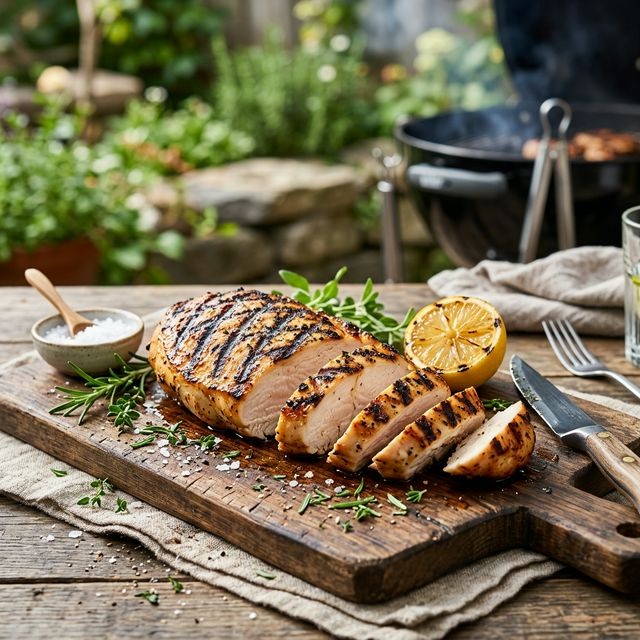
Perfect Grilled Chicken Breast
A simple saltwater brine keeps these grilled chicken breasts juicy. Smoked paprika rub, 12 minutes on the grill, pull at 160°F. Weeknight-ready.
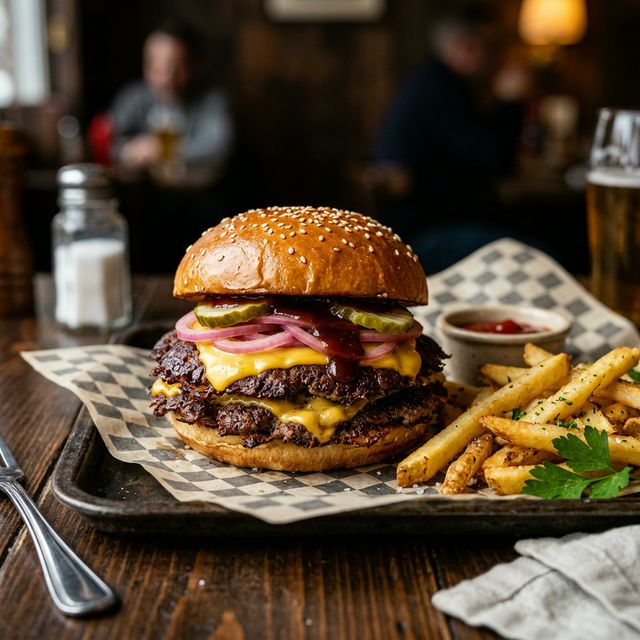
BBQ Smash Burgers
Crispy-edged smash burgers with sharp cheddar, BBQ sauce, and tangy quick-pickled onions — ready in 20 minutes on a cast iron skillet.
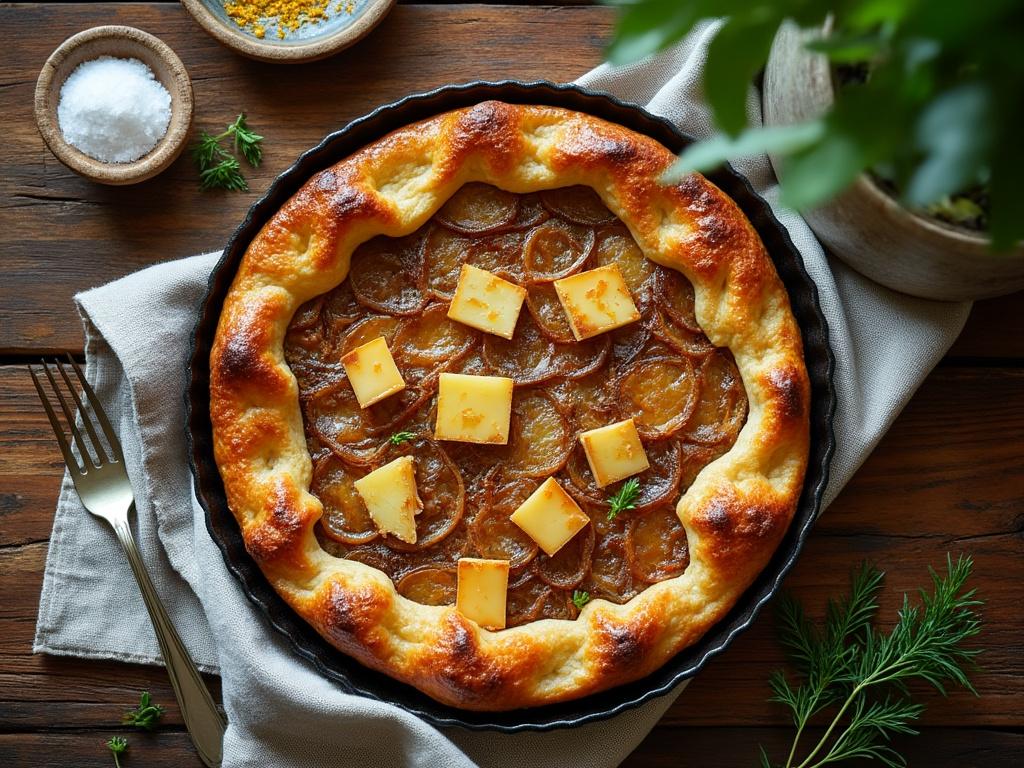
Caramelized Onion and Gruyère Tart
A buttery short-crust tart filled with slow-cooked caramelized onions, Gruyère, and a firm, sliceable custard. Make-ahead friendly for dinner parties.