Skillet Cornbread with Jalapeño, Cheddar, and Brown Butter Honey
Cast iron skillet cornbread with sharp cheddar, fresh jalapeño, and brown butter honey — crispy crust, tender crumb, ready in 40 minutes.
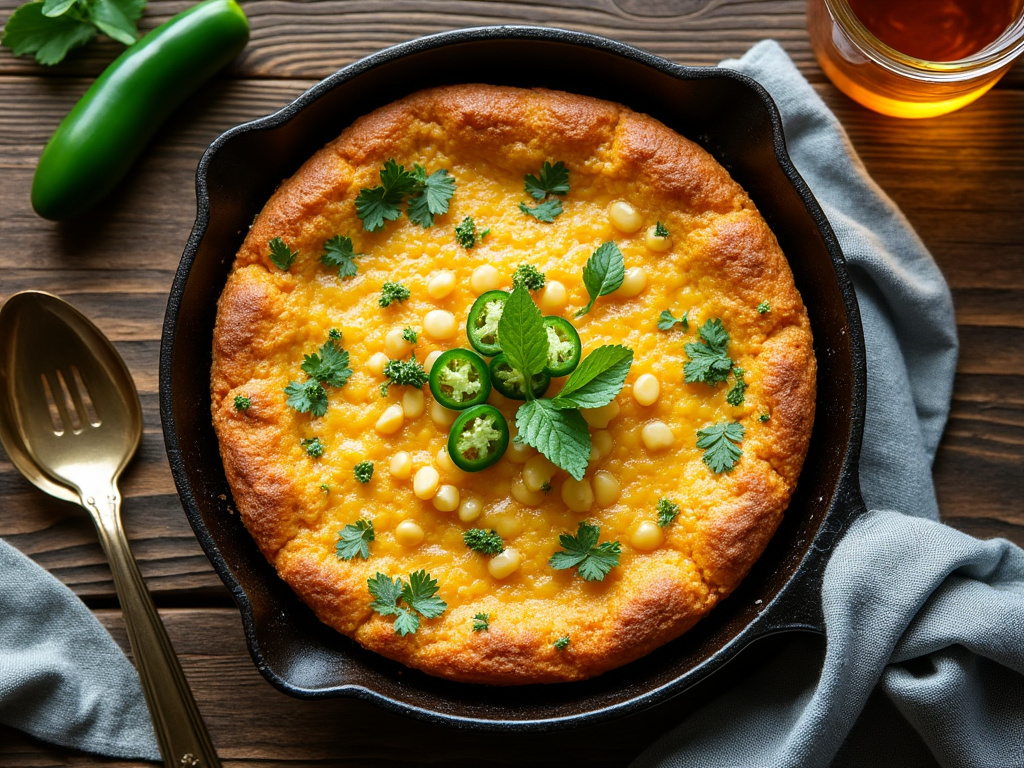
Cast iron cornbread has a crust problem — most recipes get the interior right and ignore it entirely. This one solves that by preheating the skillet until it's ripping hot before the batter goes in, creating an almost fried bottom crust that crackles when you cut into it. The contrast with the moist, cheesy interior is the whole point.
Sharp cheddar and fresh jalapeño go into the batter itself, not just on top, so every bite has heat and richness. The brown butter honey drizzled at the end isn't garnish — it sinks into the hot bread and seasons the crust from inside out. This cuts cleanly into wedges and holds well at room temperature, making it solid for a dinner party side or a weeknight soup companion. If your cornbread comes out gummy in the center, your oven ran cool or you pulled it 3 minutes too early — a toothpick at the dead center should come out clean, not just the edges.
Ingredients
- ▸ 3 tbsp unsalted Kerrygold butter (for skillet seasoning and batter)
- ▸ 1 cup medium-grind yellow cornmeal
- ▸ 3/4 cup all-purpose flour
- ▸ 2 tbsp granulated sugar
- ▸ 1.5 tsp baking powder
- ▸ 1/2 tsp baking soda
- ▸ 1 tsp Diamond Crystal kosher salt
- ▸ 1 cup full-fat buttermilk
- ▸ 2 large eggs
- ▸ 3 tbsp unsalted butter, melted and cooled (for batter)
- ▸ 1 cup sharp cheddar cheese, freshly grated
- ▸ 2 medium jalapeños, finely diced (seeds in for heat, or removed for mild)
- ▸ 2 tbsp unsalted butter (for brown butter honey)
- ▸ 2 tbsp honey
🛒 Links may earn us a small commission at no cost to you.
Recommended Gear
🛒 We may earn a small commission at no extra cost to you. We only recommend gear we'd use ourselves.
Instructions
Prep
- 1. Place the 10-inch cast iron skillet on the center rack of the oven and preheat to 425°F. Let the skillet heat for at least 20 minutes — it should be screaming hot before the batter touches it. This is non-negotiable for the bottom crust.
- 2. Grate the cheddar on the large holes of a box grater and set aside. Finely dice the jalapeños, including seeds if you want heat. In a medium bowl, whisk together the cornmeal, flour, sugar, baking powder, baking soda, and salt until evenly combined.
- 3. In a small bowl, whisk the buttermilk, eggs, and 3 tbsp melted cooled butter together until smooth — it should look pale yellow and slightly frothy after about 30 seconds of whisking.
Mix
- 1. Pour the wet ingredients into the dry ingredients and fold with a rubber spatula until just combined — stop when you no longer see dry streaks. The batter will be lumpy and thick; that's correct. Overmixing now builds gluten and makes the cornbread tough.
- 2. Fold in the grated cheddar and diced jalapeños with 4-5 strokes. The batter should look chunky and uneven, with cheese distributed throughout but not fully incorporated. Let it rest while you prepare the skillet.
Bake
- 1. Using heavy-duty oven mitts, carefully remove the hot skillet from the oven and place it on a heatproof surface. Add 3 tbsp butter directly to the skillet — it should sizzle and foam immediately and smell nutty within seconds. Tilt the skillet to coat the bottom and sides evenly.
- 2. Pour the batter into the hot buttered skillet in one motion. It will sizzle loudly on contact — that sound means your bottom crust is forming. Spread it quickly to the edges with a spatula; the batter will start to set on the outer ring almost immediately.
- 3. Return the skillet to the oven and bake at 425°F for 20-25 minutes, until the top is deep golden-brown and a toothpick inserted into the dead center comes out clean with just a few moist crumbs. The edges will have pulled slightly from the sides of the pan.
Brown Butter Honey
- 1. While the cornbread bakes, melt 2 tbsp butter in a small saucepan over medium heat. Swirl continuously — within 3-4 minutes the foam will subside and the milk solids will turn golden-brown and smell like toasted hazelnuts. Remove from heat immediately and stir in the honey. It will bubble briefly; that's normal.
Finish and Serve
- 1. Remove the skillet from the oven. Immediately drizzle the brown butter honey evenly across the surface of the hot cornbread — it will pool slightly and sink in as the bread cools. Let it rest in the skillet for 5 minutes before cutting.
- 2. Cut into 8 wedges directly in the skillet. The bottom crust should be audibly crisp when you press the tip of the knife through. Serve warm from the pan.
Cook's Notes
- Grate your own cheddar — pre-shredded bags are coated in cellulose and don't melt into the batter as cleanly, which creates dry pockets instead of uniform cheesy pulls.
- The skillet preheating step cannot be skipped or shortened. A cold or warm (but not hot) skillet will give you a soft, pale bottom — not the crackling crust this recipe is built around.
- If your buttermilk is low-fat, the crumb will be slightly less tender. Full-fat buttermilk makes a noticeable difference here; if you only have whole milk, add 1 tbsp white vinegar, stir, and let sit 5 minutes before using.
- Leftovers are excellent split and toasted cut-side down in a dry skillet over medium heat for 2-3 minutes — the interior crisps up and the cheese re-melts slightly.
- The resting time after baking matters. Cut too soon and the steam hasn't finished setting the crumb — you'll get a gummy center even if the toothpick came out clean.
Pro Tips
- → If your brown butter honey starts to harden before you drizzle it (this happens if the saucepan cools too fast), set it back over low heat for 30 seconds, stirring — it will loosen immediately.
- → The single biggest failure mode with cast iron cornbread is an oven that runs cool. If your oven is consistently 25°F or more below set temp (common in older ranges), preheat to 450°F and bake at that temperature — check at 18 minutes.
- → For extra crispy sides in addition to the bottom crust, coat the full interior walls of the preheated skillet with butter before adding the batter, not just the bottom.
- → If the cornbread sticks when you try to cut it, run a thin offset spatula around the entire perimeter while it's still hot, then let it cool 2 more minutes. A properly seasoned cast iron with the butter-in-hot-pan method should release cleanly.
- → Don't substitute melted butter for the skillet-heating butter with oil — oil has a higher smoke point and won't give you the same flavor, but more importantly it won't tell you visually when the pan is ready. Butter foams and smells right; that's your cue.
- → To test jalapeño heat before committing, taste a small piece of the raw pepper. Jalapeño heat varies wildly by season and source — late-summer peppers from a farmer's market can be 3x hotter than grocery store ones in January. Adjust quantity accordingly.
What to Serve With This
This cornbread is built for bold, saucy dishes. A thick chili — beef, pork, or vegetarian — is the obvious partner, and for good reason: the fat in the cheddar and the sweetness of the honey stand up to spice and acid without getting lost. Set the skillet right on the table and let people tear wedges directly into their bowls.
For drinks, a cold American lager (think Modelo Especial or Narragansett) cuts through the richness without competing. If you're pouring wine, a dry off-white like a Viognier or a lightly oaked Chardonnay echoes the corn's sweetness and handles the jalapeño heat without amplifying it. Sparkling water with lime does the same job without alcohol.
On the savory side, this cornbread sits well next to a pot of slow-cooked collard greens with smoked ham hock — the pot likker soaks right into the bread. BBQ pulled pork is another natural fit; the honey in the drizzle mirrors the sticky-sweet glaze without redundancy.
For a lighter spread, serve wedges alongside a simple butter lettuce salad with apple, toasted pecans, and a cider vinegar dressing. The acidity of the dressing cleanses the palate between bites of rich, cheesy bread and keeps the meal from feeling heavy.
Variations & Substitutions
For a dairy-free version, replace the buttermilk with full-fat oat milk plus 1 tbsp apple cider vinegar (let it sit 5 minutes to curdle), swap the Kerrygold butter with refined coconut oil, and use a sharp dairy-free cheddar like Violife or Miyoko's shredded. The crust won't be quite as rich but the structure holds.
To make this gluten-free, substitute the all-purpose flour 1:1 with a gluten-free blend like Bob's Red Mill 1-to-1. The cornmeal is already GF — just confirm your brand isn't processed on shared equipment. The batter may be slightly thicker; add 2 additional tbsp buttermilk if it looks too stiff to pour.
For a sweeter Southern-style cornbread, increase the sugar from 2 tbsp to 4 tbsp and reduce the jalapeños to 1 small pepper with seeds removed. You can also stir in 1/2 cup frozen corn kernels (thawed and patted dry) for pops of sweetness throughout the crumb.
Scaling up: this recipe doubles cleanly into a 12-inch skillet or two 9-inch round cake pans. Increase bake time by 5-7 minutes and check doneness with a toothpick at 30 minutes. Do not try to triple this recipe in a single pan — the center won't bake through before the edges overcook.
Frequently Asked Questions
Can I make this cornbread ahead of time? ▼
Yes. Bake it fully, let it cool completely in the skillet, then wrap tightly with foil. It keeps at room temperature for up to 2 days. To reheat, place the foil-wrapped skillet in a 325°F oven for 10-12 minutes — the cast iron will re-crisp the bottom crust. Avoid microwaving if you want to preserve the crust texture.
Can I freeze cornbread? ▼
Cornbread freezes well. Cut into wedges, wrap each piece individually in plastic wrap, then place in a zip-top freezer bag. Freeze for up to 2 months. Thaw at room temperature for an hour or rewarm directly from frozen in a 350°F oven for 15 minutes.
Do I need a cast iron skillet, or can I use something else? ▼
A 10-inch cast iron skillet is strongly recommended — it's what creates the crispy bottom crust. A carbon steel pan works nearly as well. A 9-inch round cake pan or 8x8 baking dish will bake the cornbread fine, but you won't get the same crackling bottom; increase bake time by 3-5 minutes and check with a toothpick.
My cornbread turned out dry. What went wrong? ▼
Two likely culprits: overbaking or measuring flour too heavy-handedly. Pull the cornbread the moment a toothpick comes out clean — even 2-3 extra minutes in a hot cast iron skillet will dry it out significantly. Also spoon-and-level your flour rather than scooping directly with the measuring cup, which packs in 20-30% extra.
Can I use pickled jalapeños instead of fresh? ▼
You can, but reduce the amount to 2 tbsp chopped pickled jalapeños since they're more intensely flavored and already acidic. Pat them dry before folding into the batter — excess brine will make the crumb slightly gummy. The flavor will be sharper and more vinegary, which works well but is a different profile than fresh.
What type of cornmeal should I use? ▼
Medium-grind yellow cornmeal gives the best balance of texture and structure. Fine-grind cornmeal produces a more cake-like crumb (fine if you prefer that), while coarse-grind stays gritty even after baking. Bob's Red Mill medium-grind is reliably consistent and widely available.
Can I make this without eggs? ▼
Replace each egg with a flax egg (1 tbsp ground flaxseed + 3 tbsp water, rested 5 minutes). The cornbread will be slightly denser and less springy in the center but still sliceable and flavorful. Don't use aquafaba here — the batter is too heavy for it to provide enough structure.
How spicy is this cornbread? ▼
With seeds in, 2 medium jalapeños produce a moderate heat — noticeable on the back of the throat but not face-melting. Remove seeds and membranes for a milder version. For more heat, use 3 jalapeños with seeds or substitute one jalapeño with half a serrano.
Can I skip the brown butter honey and use regular butter? ▼
Yes, plain melted butter with a drizzle of honey works fine. The brown butter adds a nutty, slightly caramelized depth that plain butter doesn't replicate — if you have an extra 5 minutes, it's worth doing. Just watch it closely; butter goes from browned to burned in under 30 seconds once it foams.
Enjoyed this recipe?
Daily Home Cookery is self-funded. If something you cooked here made dinner a little better, a coffee keeps the kitchen running.
☕ Buy me a coffeeYou Might Also Like
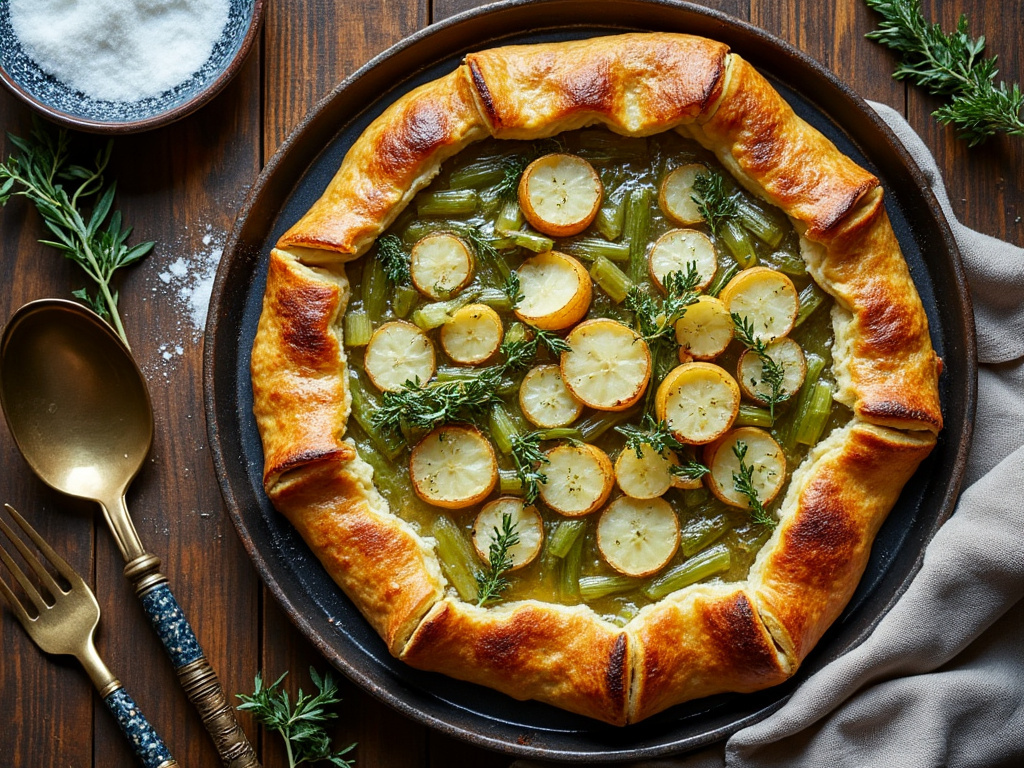
Charred Leek and Potato Galette with Gruyère and Thyme
A flaky free-form galette filled with caramelized leeks, thinly sliced potato, and nutty Gruyère — impressive enough for a dinner party, easy enough for Sunday.
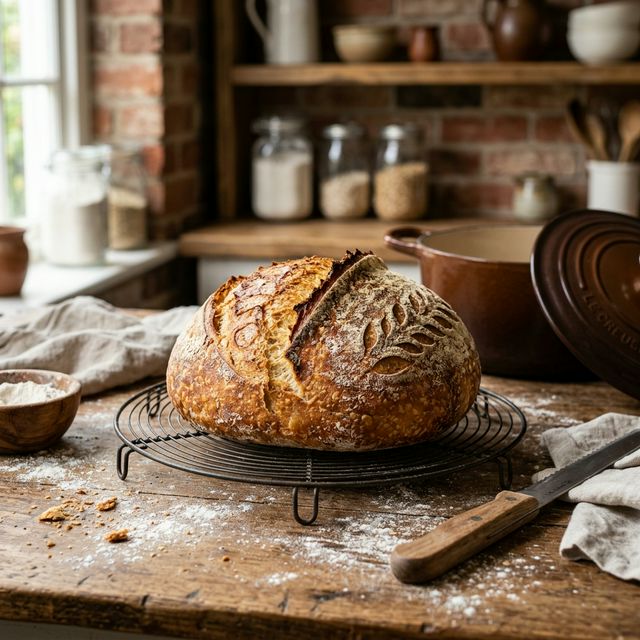
No-Knead Dutch Oven Bread
Crusty, chewy Dutch oven bread with just flour, salt, yeast, and water. Mix it the night before — no kneading, no fuss. Step-by-step with troubleshooting tips.
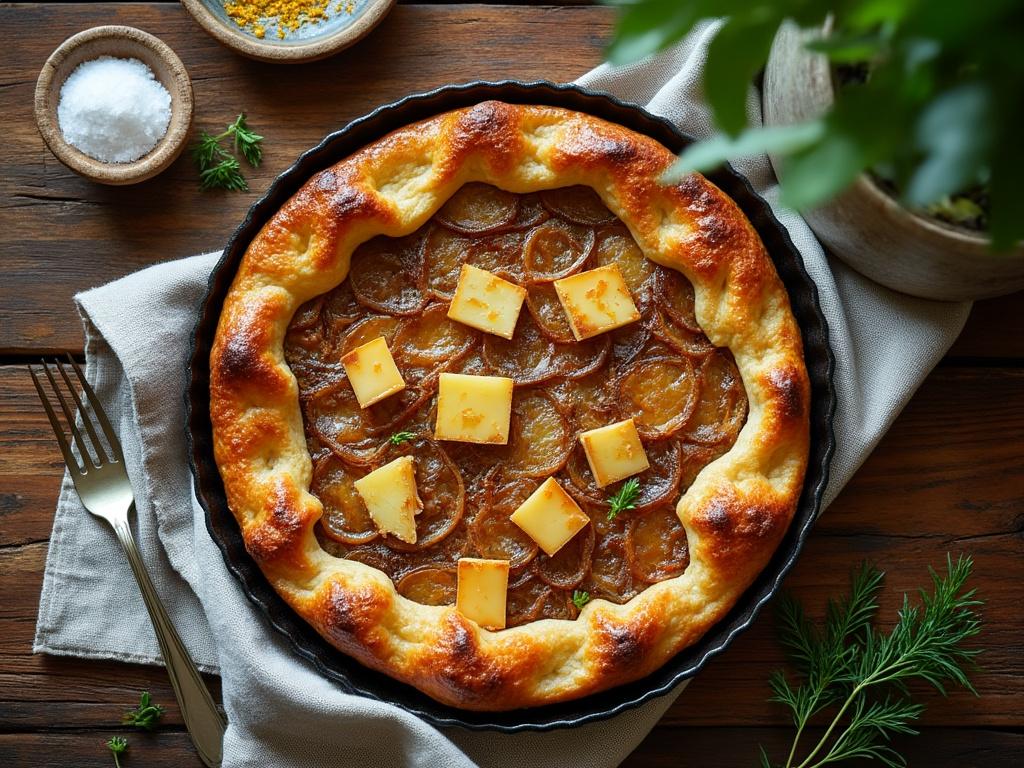
Caramelized Onion and Gruyère Tart
A buttery short-crust tart filled with slow-cooked caramelized onions, Gruyère, and a firm, sliceable custard. Make-ahead friendly for dinner parties.