Smoked Sausage and Orzo Skillet with Blistered Tomatoes and Spinach
One-skillet smoked sausage and orzo with blistered cherry tomatoes and spinach — ready in 35 minutes, minimal cleanup.
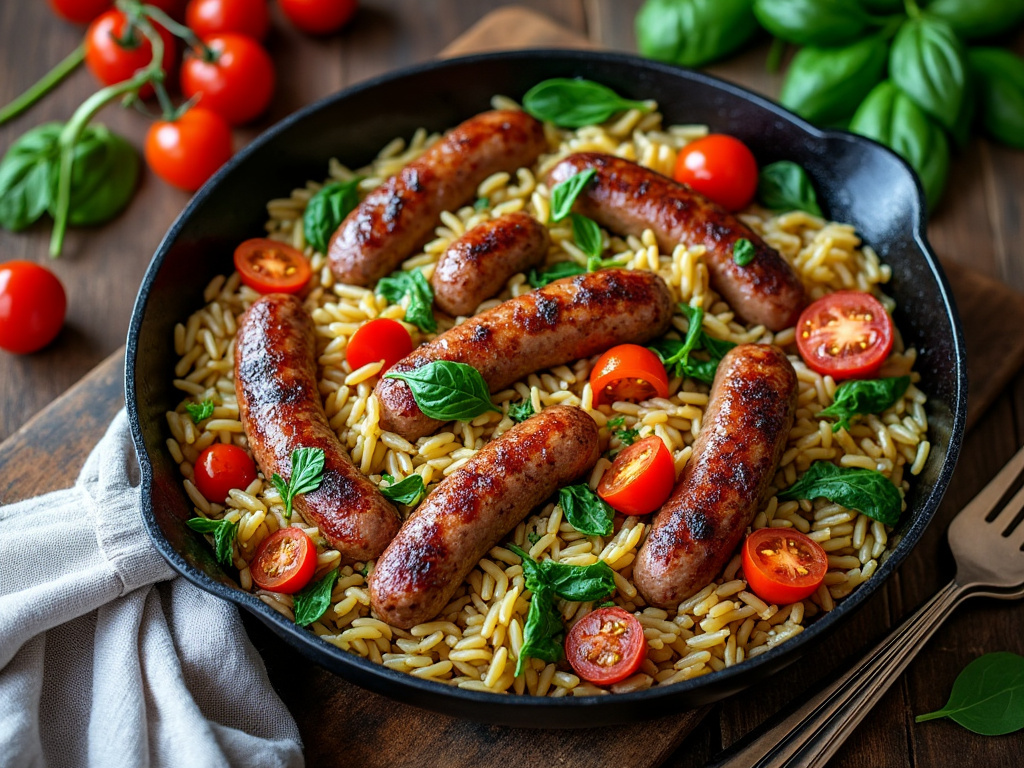
Orzo cooked directly in a skillet with sausage and stock is one of the most efficient weeknight moves there is — the pasta absorbs everything as it cooks, which means no separate pot and a sauce that clings to every piece. This recipe leans on smoked andouille sausage for deep, smoky backbone, blistered cherry tomatoes for acidity, and a handful of baby spinach stirred in at the end. The orzo finishes creamy without any cream, purely from starch released into the reduced chicken stock.
Expect a texture somewhere between a tight risotto and a saucy pasta — scoopable but not soupy. It's a true weeknight dinner: one pan, 35 minutes start to finish, and it holds well if someone at the table is running late. If the skillet looks dry before the orzo is tender, add stock two tablespoons at a time and keep the heat at a steady medium — don't rush it with high heat or the liquid evaporates before the pasta hydrates.
Ingredients
- ▸ 12 oz andouille sausage, sliced into 1/4-inch coins
- ▸ 1.5 cups dry orzo pasta
- ▸ 2.5 cups low-sodium chicken stock
- ▸ 10 oz cherry tomatoes
- ▸ 3 oz baby spinach
- ▸ 4 cloves garlic, thinly sliced
- ▸ 1 medium yellow onion, diced small
- ▸ 2 tbsp olive oil
- ▸ 1/2 tsp smoked paprika
- ▸ 1/4 tsp crushed red pepper flakes
- ▸ 1/2 tsp Diamond Crystal kosher salt, plus more to taste
- ▸ 1/4 tsp black pepper
- ▸ 1/4 cup freshly grated Parmesan, plus more for serving
- ▸ 1 tbsp lemon juice
- ▸ 2 tbsp fresh flat-leaf parsley, roughly chopped
🛒 Links may earn us a small commission at no cost to you.
Recommended Gear
🛒 We may earn a small commission at no extra cost to you. We only recommend gear we'd use ourselves.
Instructions
Prep
- 1. Slice the andouille into 1/4-inch coins and set aside. Dice the onion, thinly slice the garlic, and measure out the orzo and stock before you turn on any heat — this recipe moves fast once the pan is hot.
Blister the Tomatoes and Brown the Sausage
- 1. Heat 1 tablespoon of olive oil in a 12-inch skillet over medium-high heat until the oil shimmers and a drop of water flicked in spits immediately. Add the cherry tomatoes in a single layer and cook undisturbed for 3–4 minutes, until they are deeply charred on one side and starting to collapse — you'll hear them pop and hiss. Transfer to a plate and set aside.
- 2. Add the remaining 1 tablespoon of olive oil to the same pan. Add the andouille slices in a single layer and cook over medium-high for 2–3 minutes per side, until they are dark mahogany-brown on the cut faces and the fat is rendering — the pan will smell smoky and savory. Transfer sausage to the plate with the tomatoes.
Build the Base
- 1. Reduce heat to medium. Add the diced onion to the now-empty skillet (don't wipe it — those brown bits are flavor). Cook, stirring occasionally, for 4–5 minutes until the onion is translucent and soft and the edges are just starting to turn golden. If the pan looks dry, add a splash of stock.
- 2. Add the sliced garlic, smoked paprika, and crushed red pepper flakes. Stir constantly for 60 seconds until the garlic is fragrant and turns pale gold — it will smell nutty and aromatic, not sharp. Don't let it brown fully or it will turn bitter.
Cook the Orzo
- 1. Add the dry orzo to the skillet and stir to coat it in the oil and aromatics. Toast for 90 seconds, stirring continuously, until the orzo smells faintly nutty and looks slightly opaque — this step adds depth and helps the pasta hold its texture.
- 2. Pour in all 2.5 cups of chicken stock at once. It will sizzle and steam aggressively. Add the salt and black pepper and stir to combine. Bring to a boil — about 2–3 minutes — then reduce to a steady medium simmer. The surface should be actively bubbling but not violently so.
- 3. Cook uncovered, stirring every 2 minutes, for 10–12 minutes until the orzo is tender and has absorbed most of the liquid. The pan should look saucy and glossy, not soupy. If it dries out before the orzo is cooked through, add chicken stock 2 tablespoons at a time.
Finish and Assemble
- 1. Return the blistered tomatoes and browned sausage to the skillet. Stir gently to combine and warm through, about 1–2 minutes — the tomatoes will partially break down and their juices will bleed into the orzo, tinting it a deep orange-red.
- 2. Turn off the heat. Add the baby spinach in two handfuls, stirring between each addition. The residual heat will wilt the spinach in about 45–60 seconds — it should be just collapsed but still bright green, not gray or waterlogged.
- 3. Stir in the lemon juice and grated Parmesan. Taste and adjust salt. The orzo should taste savory, slightly tangy, and have a creamy consistency from the starch and cheese binding together.
- 4. Scatter chopped parsley over the top and bring the skillet straight to the table. Serve with additional Parmesan at the table.
Cook's Notes
- Toast the dry orzo before adding liquid — that 90 seconds of toasting creates a nutty flavor the finished dish won't have if you skip it.
- Don't cover the skillet while the orzo cooks; you want the liquid to reduce and concentrate, not steam. A lid traps too much moisture and you'll end up with waterlogged pasta.
- Cherry tomatoes vary a lot — use the ripest, deepest-colored ones you can find. Grape tomatoes work too but blister more slowly; give them an extra minute.
- Leftovers reheat best on the stovetop with 2–3 tablespoons of stock or water over medium-low. The microwave works in a pinch but dries out the orzo at the edges.
- Pull the spinach out of the fridge 10 minutes before using — cold spinach from the fridge can drop the pan temperature and slow the wilt, leaving you with uneven texture.
Pro Tips
- → If the orzo starts sticking aggressively after you add the stock, your heat is too high — drop to medium-low immediately and don't wait to see if it resolves on its own, because it won't.
- → The single biggest mistake with this dish is adding too much liquid trying to 'help' the orzo cook — more stock makes it soupy, not saucy. Add in 2-tablespoon increments only if the orzo is clearly underdone and the pan is bone dry.
- → Blistering the tomatoes separately first is non-negotiable if you want textural contrast. If you add them raw with the stock they'll just break down into mush with no char, and you lose the jammy pockets that make each bite interesting.
- → If the Parmesan clumps when you stir it in, the pan is too hot — take it off the heat completely for 30 seconds before adding the cheese. Residual heat is enough to melt it smoothly.
- → Andouille sausage brands vary wildly in salt level. Taste the dish before adding final salt — some brands (like Aidells) are noticeably saltier than others, and you may not need any additional seasoning beyond what the stock provides.
- → For the best sear on the sausage coins, resist the urge to move them for the first 2–3 minutes. They'll release naturally from the pan when a proper crust forms; if you're forcing them up, they're not ready to flip.
What to Serve With This
A simple arugula salad with lemon juice, 1 tablespoon of good olive oil, and shaved Parmesan cuts right through the richness of the sausage. The peppery bite of arugula provides contrast that a soft green like butter lettuce simply won't. Dress it at the last second so it doesn't wilt while you're plating.
For bread, a crusty ciabatta or a French demi-baguette is ideal — something with an open crumb that can soak up the tomato-stained pan sauce. Avoid anything too soft; you want structure for swiping.
On the wine side, a medium-bodied Côtes du Rhône (Grenache-dominant) handles the smoke in the andouille without competing — its red fruit and mild earthiness echo the tomatoes. If you want something domestic, a Zinfandel from Lodi works similarly. For beer, a German-style Märzen or an amber ale mirrors the sausage's smokiness without overwhelming the spinach and tomato brightness. Non-alcoholic: sparkling water with a squeeze of lemon and a few fresh mint leaves keeps the palate clean between bites.
If you're serving this at a casual dinner party, pair it with a starter of whipped ricotta on crostini with a drizzle of hot honey — light enough to leave room for the skillet, and it bridges the smoky-savory profile of the main dish.
Variations & Substitutions
For a vegetarian version, swap the andouille for 8 oz of sliced, well-browned cremini mushrooms plus 1 teaspoon of smoked paprika. You lose the meaty chew of the sausage, but the mushrooms provide umami if you cook them until deeply golden — don't rush that step. Use vegetable stock in place of chicken stock at the same 2.5-cup quantity.
To make it gluten-free, substitute the orzo with an equal weight (1.5 cups) of dry acini di pepe made from rice flour (Jovial brand works well), or use rinsed canned white beans instead of pasta entirely for a brothier, stew-style result. With beans, reduce the stock to 1.5 cups since there's no starch absorption needed.
For a spicier build, add 1/2 teaspoon of crushed red pepper flakes with the garlic, and use hot Italian sausage in place of andouille. The flavor profile shifts from smoky-American to spicy-Italian, which pairs better with Calabrian chili oil drizzled over the top at serving.
Scaling up to serve 6: use a 14-inch or larger skillet, increase orzo to 2 cups, stock to 3.5 cups, and sausage to 14 oz. Keep the cherry tomato quantity the same — adding more makes the skillet too wet. Cook time extends by approximately 4–5 minutes; watch the liquid level rather than the clock.
Frequently Asked Questions
Can I make this ahead of time? ▼
You can make it up to 2 days ahead and refrigerate in an airtight container. The orzo will absorb residual liquid as it sits, so reheat on the stovetop over medium-low with 3–4 tablespoons of chicken stock or water stirred in to loosen it. Avoid the microwave if possible — it dries the orzo out unevenly.
Can I freeze leftovers? ▼
Technically yes, but the orzo texture suffers after freezing — it turns slightly mushy when thawed. If you plan to freeze, undercook the orzo by about 2 minutes before freezing. Thaw overnight in the fridge and reheat gently with a splash of stock.
What can I use instead of andouille sausage? ▼
Kielbasa is the closest 1:1 swap — same smoky flavor, similar fat content, widely available. Spanish chorizo (the dry-cured kind, not Mexican fresh chorizo) also works well and adds a paprika depth. Avoid using breakfast sausage or Italian sweet sausage, which lack the smokiness that drives the dish.
My orzo is sticking to the bottom of the pan. What do I do? ▼
This usually means the heat is too high or the liquid is running low. Immediately reduce heat to medium-low and add 2–3 tablespoons of stock or warm water, then scrape the bottom with a wooden spoon. A thin fond (the brown bits) is fine and adds flavor, but if it's burning, lower the heat faster than you think you need to.
Can I use frozen spinach instead of fresh? ▼
Yes — use 1/2 cup of frozen chopped spinach, thawed and squeezed dry in a clean kitchen towel before adding. Add it at the same point as fresh spinach. If you skip squeezing it dry, the excess water will make the skillet watery and dilute the flavor.
How do I know when the orzo is done? ▼
Taste it — it should be tender but with a very slight resistance, like al dente pasta. Visually, the liquid should be mostly absorbed and the orzo will look plump and saucy rather than soupy. If it's still chalky in the center, add 2 tablespoons of stock, cover the pan, and cook 2 more minutes.
Can I use diced canned tomatoes instead of cherry tomatoes? ▼
You can, but the texture and flavor will be different. Use one 14.5-oz can of fire-roasted diced tomatoes, drained, and skip the blistering step — just add them with the garlic. The result is saucier and less bright than the fresh tomato version. Fire-roasted gives you some of that char flavor you'd otherwise get from blistering.
What size skillet do I need? ▼
A 12-inch skillet is the minimum for this recipe; a 12-inch stainless steel or nonstick works well. Cast iron works but retains heat aggressively, so you'll need to watch for sticking more carefully and may need slightly more stock. Do not use a pan smaller than 12 inches — the orzo needs room to cook evenly without stacking.
Is there a dairy-free way to add richness? ▼
Stir in 1 tablespoon of good olive oil right at the end, off the heat, instead of Parmesan. It won't give you the salty tang of cheese, but it adds a glossy, rounded finish. Alternatively, a squeeze of lemon juice brightens the dish in a different but complementary direction.
Enjoyed this recipe?
Daily Home Cookery is self-funded. If something you cooked here made dinner a little better, a coffee keeps the kitchen running.
☕ Buy me a coffeeYou Might Also Like
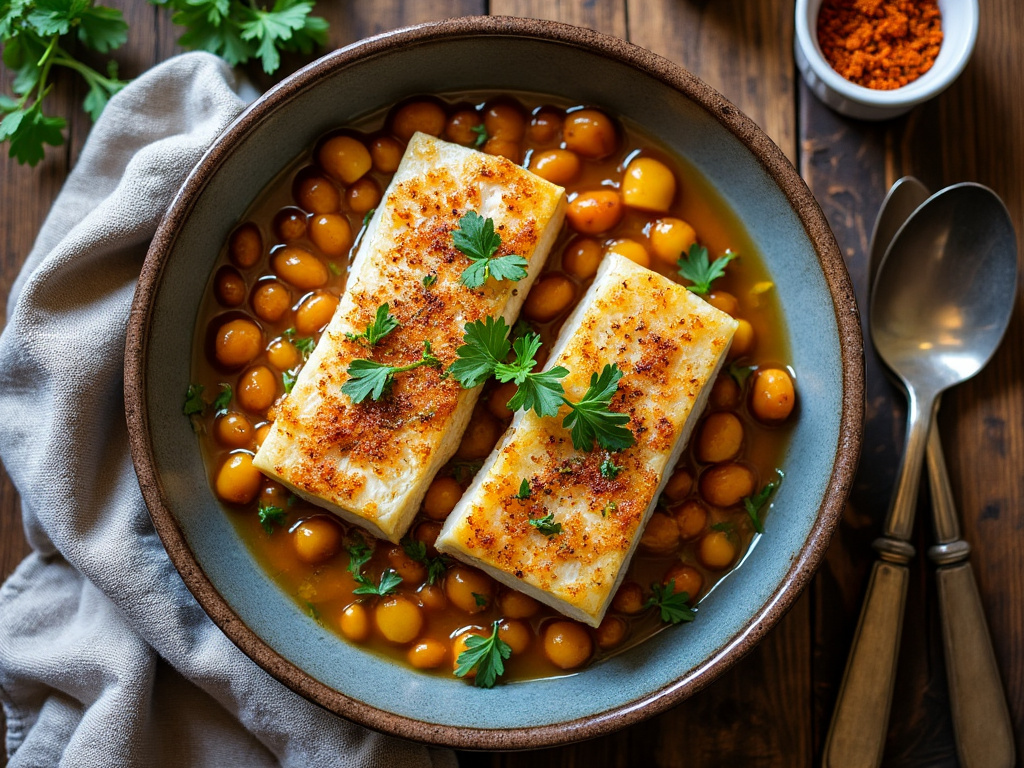
Smoked Paprika and Lemon Braised White Fish with Saffron Butter Beans
Tender cod braised over saffron-stained butter beans with smoked paprika and lemon — a one-pot weeknight dinner ready in 50 minutes.
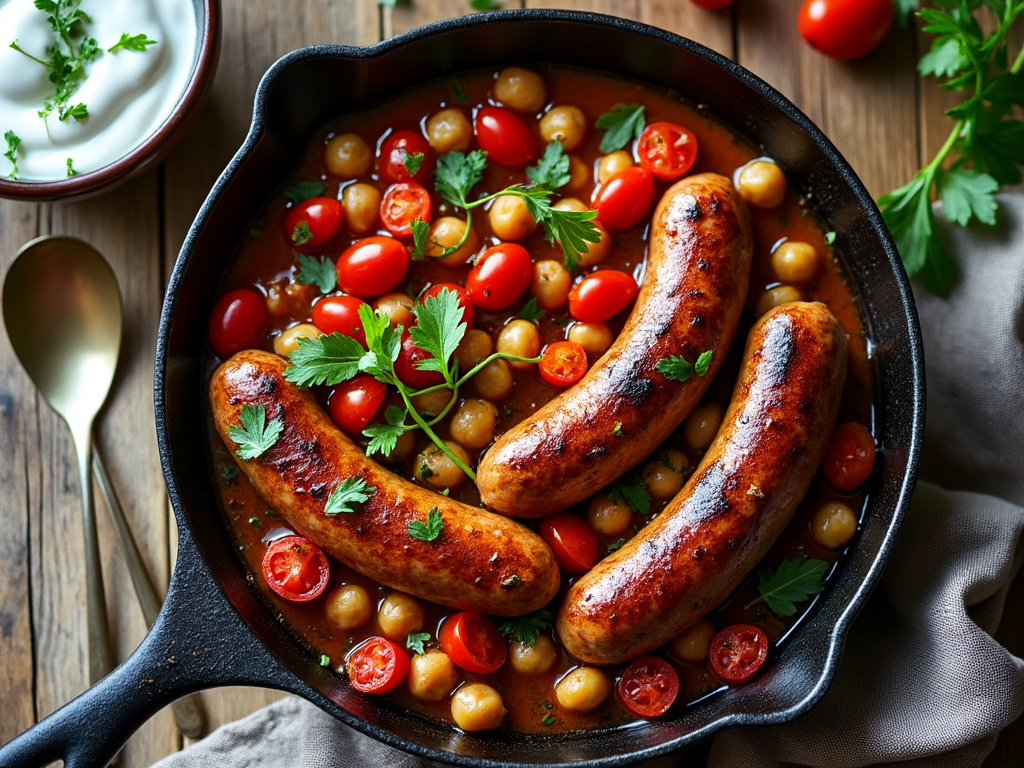
Skillet-Charred Merguez with Burst Tomatoes, Chickpeas, and Herbed Yogurt
Spiced merguez sausage, burst cherry tomatoes, and chickpeas in one skillet — topped with cool herbed yogurt. Ready in 45 minutes.
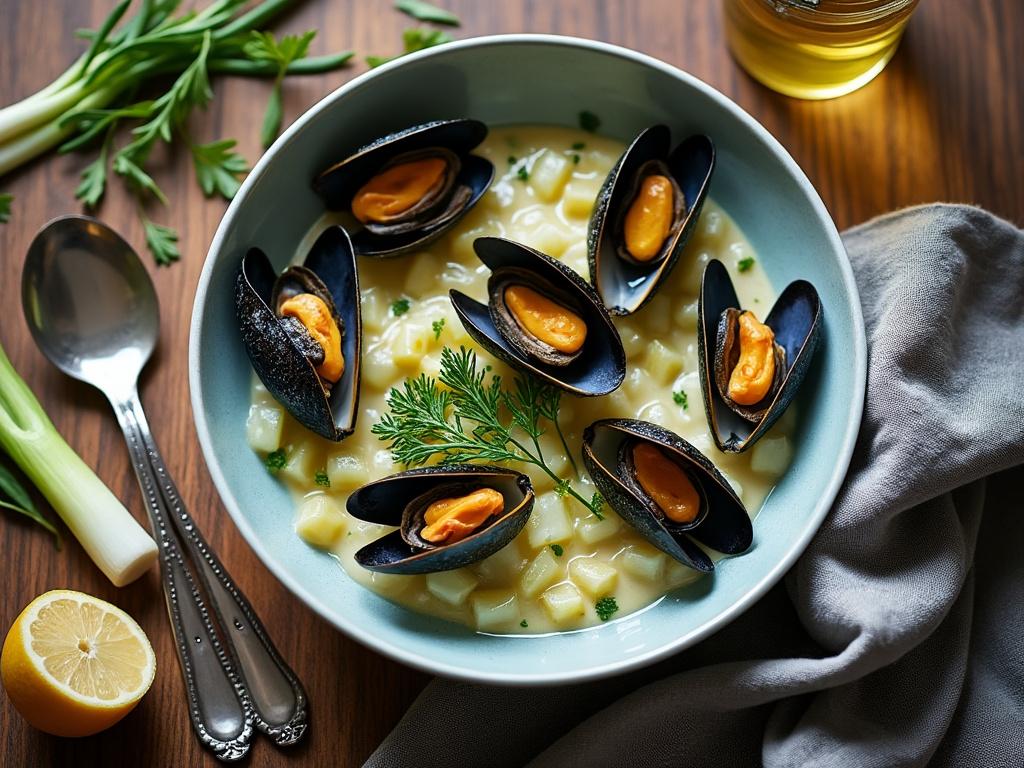
Creamy White Wine Mussels with Fennel and Leeks
Steam mussels in a white wine cream broth with fennel and leeks — ready in 35 minutes, stunning enough for a dinner party.