Spicy Coconut Braised Chickpeas with Charred Tomatoes and Crispy Halloumi
Creamy coconut-braised chickpeas with charred tomatoes and golden halloumi. A bold, vegetarian one-pot dinner ready in 45 minutes.
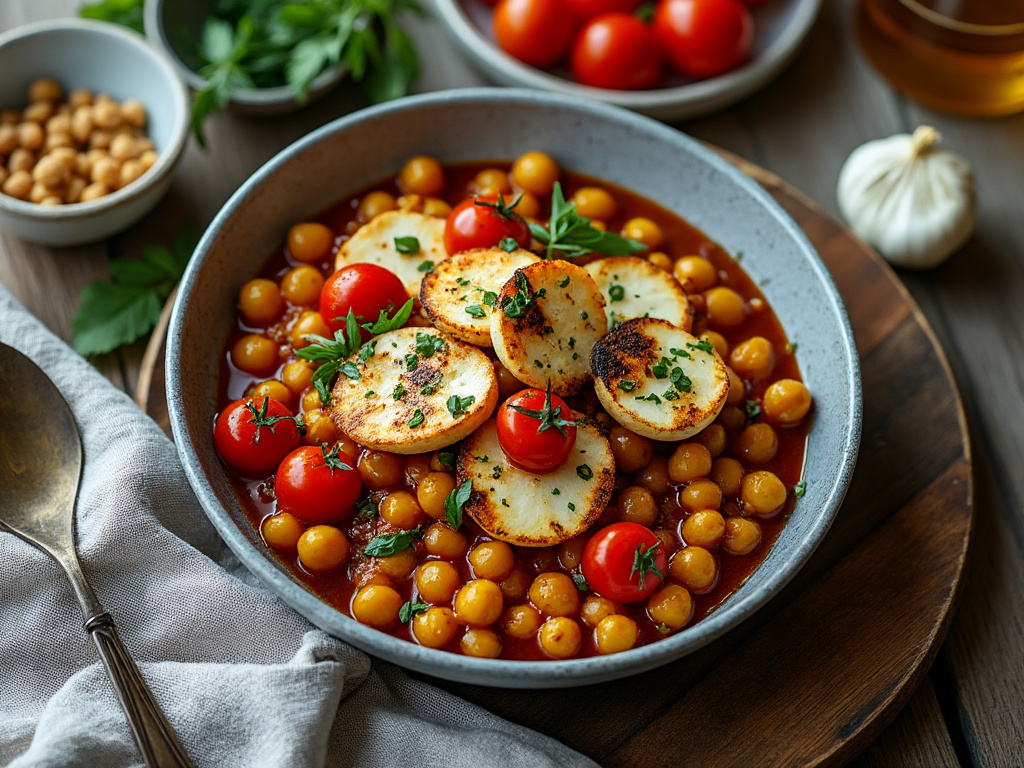
Chickpeas braised in spiced coconut milk are one of the most reliable weeknight dinners you can make — deeply savory, slightly creamy, and ready to absorb every layer of flavor you throw at them. The real move here is charring the cherry tomatoes directly in the pan before anything else goes in. That hard sear blisters the skins, concentrates the sugars, and gives the braise a backbone that canned tomatoes simply cannot replicate.
On top, thick slabs of halloumi get seared until deeply golden and squeaky — they hold their shape in the heat and add a salty, meaty contrast to the silky chickpea base. Serve this straight from the skillet over steamed basmati rice or with torn flatbread to catch the sauce. It's a solid weeknight meal that also holds up well for meal prep — the chickpeas actually improve overnight as the spices deepen. If the sauce thickens too much on reheat, add a splash of water or coconut milk and stir over low heat until loosened.
Ingredients
- ▸ 2 tbsp coconut oil
- ▸ 250 g halloumi, sliced into 1/2-inch planks
- ▸ 300 g cherry tomatoes, whole
- ▸ 1 medium yellow onion, finely diced
- ▸ 4 cloves garlic, minced
- ▸ 1 tbsp fresh ginger, finely grated
- ▸ 1 1/2 tsp ground cumin
- ▸ 1 tsp ground coriander
- ▸ 1 tsp smoked paprika
- ▸ 1/2 tsp ground turmeric
- ▸ 1/2 tsp cayenne pepper
- ▸ 1/2 tsp Diamond Crystal kosher salt, plus more to taste
- ▸ 1 tbsp tomato paste
- ▸ 2 cans (400 ml each) full-fat coconut milk
- ▸ 2 cans (400 g each) chickpeas, drained and rinsed
- ▸ 1 tsp fish sauce (or soy sauce for vegetarian)
- ▸ 1 tbsp fresh lime juice
- ▸ 1/4 cup fresh cilantro leaves, roughly torn
- ▸ 2 tbsp sliced scallions
- ▸ 1 tbsp chili oil, for serving
🛒 Links may earn us a small commission at no cost to you.
Recommended Gear
🛒 We may earn a small commission at no extra cost to you. We only recommend gear we'd use ourselves.
Instructions
Char the Tomatoes and Sear the Halloumi
- 1. Heat the skillet over high heat until it begins to smoke lightly. Add 1 tablespoon of coconut oil and swirl to coat. Add the cherry tomatoes in a single layer — do not stir. Let them blister undisturbed for 3–4 minutes until the skins are charred and splitting on one side, and the pan smells like roasting fruit. Transfer to a bowl and set aside.
- 2. Reduce the heat to medium-high. Add the remaining 1 tablespoon of coconut oil. Lay the halloumi planks flat in the pan — they should sizzle loudly on contact. Sear for 2–3 minutes per side until deep golden brown with visible crust. The halloumi will squeak slightly when pressed with a spatula — that's correct. Remove to a plate, season lightly with a pinch of salt, and set aside.
Build the Braise Base
- 1. Lower the heat to medium. Add the diced onion to the same pan. Cook for 5–6 minutes, stirring occasionally, until softened and translucent with golden edges. Scrape up any browned halloumi bits from the pan bottom — those are flavor.
- 2. Add the garlic and grated ginger. Stir constantly for 60–90 seconds until the mixture turns fragrant and slightly sticky — you'll smell the garlic shift from sharp to sweet.
- 3. Add the tomato paste and stir it into the aromatics. Cook for 2 minutes, pressing it into the pan, until it darkens from bright red to brick-orange and smells slightly caramelized.
- 4. Add the cumin, coriander, smoked paprika, turmeric, cayenne, and salt. Stir vigorously for 30 seconds, coating everything in the spices. The pan will smell earthy and warm — the turmeric will turn the oil a vivid yellow-orange.
Braise the Chickpeas
- 1. Pour in both cans of coconut milk and stir to combine, scraping up any spiced bits from the pan bottom. Bring to a gentle boil over medium-high heat — about 3–4 minutes — then add the drained chickpeas and the charred tomatoes along with any juices from the bowl.
- 2. Stir in the fish sauce (or soy sauce). Reduce heat to medium-low and simmer uncovered for 15–18 minutes, stirring occasionally, until the sauce has reduced by roughly one-third and clings to the chickpeas. It should coat a spoon and hold its line when you drag a finger across it.
- 3. Taste the braise and adjust salt. Stir in the lime juice — the sauce will brighten noticeably in color and aroma.
Finish and Serve
- 1. Lay the seared halloumi slabs over the top of the braise, pressing them in gently so they are half-submerged. Cook for 2 more minutes so the halloumi warms through and absorbs a little of the sauce.
- 2. Remove from heat. Scatter cilantro and scallions over the top. Drizzle with chili oil. Serve immediately from the skillet with steamed basmati rice or warm flatbread alongside.
Cook's Notes
- Full-fat coconut milk is non-negotiable here — light coconut milk won't reduce to the same silky consistency and the sauce will taste thin.
- Pat the halloumi completely dry before searing. Any moisture will cause it to steam rather than crust, and you'll lose the golden crust entirely.
- The charred tomatoes can be prepared up to a day ahead and stored covered in the fridge — this actually intensifies their flavor in the braise.
- If you want more heat, add a fresh sliced bird's eye chili with the garlic in step 4, or increase the cayenne to 3/4 tsp.
- Leftovers keep well for up to 3 days refrigerated. The chickpeas soak up more sauce overnight, so the texture gets richer — add a splash of water or coconut milk when reheating over low heat.
Pro Tips
- → The biggest failure mode with halloumi is a lukewarm pan. If the cheese doesn't sizzle aggressively within 5 seconds of hitting the oil, pull it out and wait another 90 seconds for the pan to come up to temperature — otherwise it melts into a rubbery puddle instead of forming a crust.
- → If your sauce looks broken (oily on top, watery beneath), it means the coconut milk separated from the fat. Whisk vigorously off heat for 30 seconds, then return to a low simmer — it will re-emulsify. This is more likely with older cans of coconut milk that have been stored in a cold pantry.
- → Don't stir the tomatoes while they char. Moving them prevents the Maillard reaction from developing and you end up with steamed tomatoes rather than blistered ones — the flavor difference in the finished braise is significant.
- → Fish sauce adds umami depth that doesn't read as 'fishy' in the final dish, just savory and rounded. If you skip it entirely without substituting soy sauce, the braise will taste flat no matter how much salt you add.
- → Rinse and drain chickpeas thoroughly — canned chickpea liquid will dilute the coconut milk and make the sauce taste starchy and slightly metallic.
- → For meal prep, store the halloumi separately from the braise and re-sear it in a dry nonstick pan for 1–2 minutes before serving. Halloumi stored in liquid loses its crust and turns rubbery.
What to Serve With This
Steamed basmati rice is the most practical base for this dish — its neutral, fluffy texture soaks up the coconut braise without competing with the spice profile. If you want to add a little more fragrance, stir 1/4 tsp of ground cardamom and a bay leaf into the cooking water. Naan or store-bought garlic flatbread also works extremely well for dragging through the sauce, especially if you're going breadplate-style rather than over rice.
For a vegetable side, a simple cucumber-and-red-onion salad dressed with rice vinegar, a pinch of sugar, and a little sesame oil provides a cool, acidic contrast that cuts through the richness of the coconut milk. Blanched green beans tossed with toasted sesame seeds accomplish the same palate-cleansing function if you want something warm.
Drink-wise, a cold lager — Singha, Kingfisher, or a clean domestic pilsner — is the most natural pairing. The mild carbonation and low bitterness don't clash with the coconut milk's fat, and they douse the cayenne heat effectively. If you prefer wine, go for an off-dry Riesling (Mosel or Alsatian) — the residual sweetness echoes the coconut and tempers the spice without going too sweet. Avoid big tannic reds; they'll turn metallic against the lime and coconut.
Variations & Substitutions
To make this fully vegan, swap the fish sauce for 1 tsp of soy sauce plus 1/2 tsp of white miso stirred in at the same stage. The halloumi is dairy-based but not easily replaced with a direct equivalent — firm tofu pressed for 30 minutes and seared with a little tamari is the most honest substitute. It won't have the same salty punch as halloumi, so you may need an extra pinch of salt in the braise.
For a tomato-forward version, add one 400 g can of crushed San Marzano tomatoes along with the coconut milk in step 7. This shifts the sauce from creamy and pale yellow to a deeper orange-red with more acidity — add an extra 1/2 tsp of sugar to balance. This variation pairs especially well with crusty bread.
If you want to stretch this to feed six people, add a third can of chickpeas and increase the coconut milk to 2.5 cans (one full can plus half of a third). Scale the spices up by about 25% — not a full doubling, as spices amplify exponentially. You'll need a larger braising vessel, at least a 5-quart sauté pan or a wide Dutch oven.
For a smokier, deeper flavor profile, substitute 1 tsp of the smoked paprika with 1/2 tsp of chipotle powder and add a strip of dried kombu to the braising liquid — remove the kombu before serving. This steers the dish toward a more Mexican-influenced profile that works well topped with pickled jalapeños instead of chili oil.
Frequently Asked Questions
Can I use dried chickpeas instead of canned? ▼
Yes — cook 300 g of dried chickpeas until just tender before using. Soak them overnight, then simmer in unsalted water for 60–90 minutes until they yield easily to pressure but still hold their shape. Overcooked dried chickpeas will fall apart in the braise, so err on the side of slightly underdone at the pre-cook stage.
Can I make this ahead of time? ▼
The chickpea braise can be made up to 2 days ahead and refrigerated — it genuinely improves overnight as the spices meld. Store the halloumi separately and re-sear it just before serving. Reheat the braise over low heat with a splash of water or coconut milk to loosen the sauce, which will have thickened in the fridge.
Can I freeze this recipe? ▼
The chickpea braise freezes well for up to 2 months in an airtight container. Do not freeze the halloumi — it becomes watery and grainy after thawing and won't re-sear properly. Make fresh halloumi when you're ready to serve from frozen braise. Thaw overnight in the refrigerator before reheating.
My sauce is too thin — how do I fix it? ▼
Increase the heat to medium and simmer uncovered for an additional 5–8 minutes, stirring frequently so the bottom doesn't scorch. If it's still too loose after that, make a quick slurry of 1 tsp cornstarch dissolved in 1 tbsp cold water and stir it into the simmering sauce. It will thicken within 2 minutes.
Can I substitute a different cheese for halloumi? ▼
Paneer is the closest functional substitute — it has a high melting point and holds up to high-heat searing. Use the same weight (250 g) and follow the same searing method. Queso blanco also works in a pinch, though it browns slightly more quickly, so watch it carefully after the first minute. Feta will not work here — it crumbles and melts into the sauce.
How spicy is this dish? ▼
With 1/2 tsp of cayenne, this recipe lands at a medium heat level — noticeable warmth but not overwhelming. For a mild version, reduce the cayenne to 1/4 tsp or omit entirely. For genuine heat, increase to 1 tsp cayenne and add a fresh sliced Thai chili with the garlic.
Can I use light coconut milk instead of full-fat? ▼
Technically yes, but the sauce will not reduce to the same silky, coating consistency. Light coconut milk has significantly more water content and will produce a thinner, less rich braise. If that's what you have, you can thicken it slightly with the cornstarch slurry method, but full-fat genuinely delivers a better result here.
What if I don't have a large skillet? Can I use a Dutch oven? ▼
A 4–5 quart Dutch oven works well for the braising steps. The only adjustment is the tomato-charring step — do this in a smaller skillet over high heat first, then transfer everything to the Dutch oven for the braise. Charring in a Dutch oven works but is less efficient due to the higher sides.
Is this recipe gluten-free? ▼
Yes, provided you verify that your fish sauce or soy sauce is gluten-free (many soy sauces contain wheat — use tamari as a reliable gluten-free swap). All other ingredients in this recipe are naturally gluten-free. Serve over rice rather than flatbread to keep the meal entirely gluten-free.
How do I store and reheat leftovers? ▼
Store leftovers in an airtight container in the refrigerator for up to 3 days. Reheat in a saucepan over low-medium heat, adding 2–3 tablespoons of water or coconut milk to loosen the sauce, which will have thickened overnight. Stir gently every minute or so to prevent sticking. Re-sear refrigerated halloumi in a dry nonstick pan for 1 minute per side before adding it back on top.
Enjoyed this recipe?
Daily Home Cookery is self-funded. If something you cooked here made dinner a little better, a coffee keeps the kitchen running.
☕ Buy me a coffeeYou Might Also Like
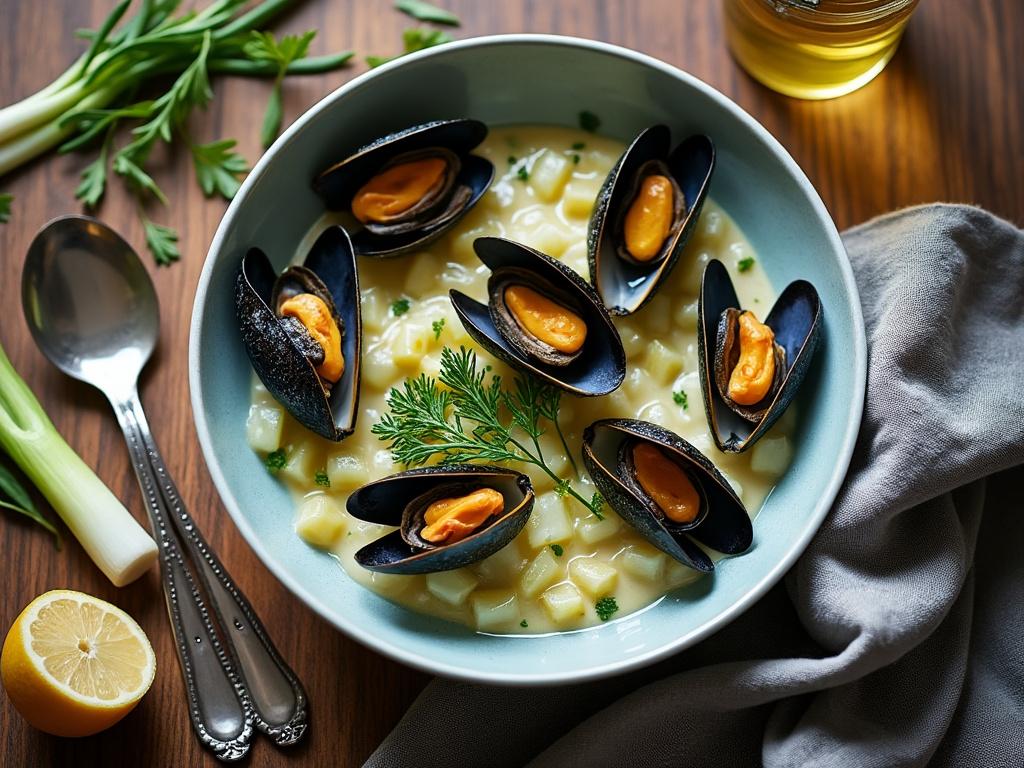
Creamy White Wine Mussels with Fennel and Leeks
Steam mussels in a white wine cream broth with fennel and leeks — ready in 35 minutes, stunning enough for a dinner party.
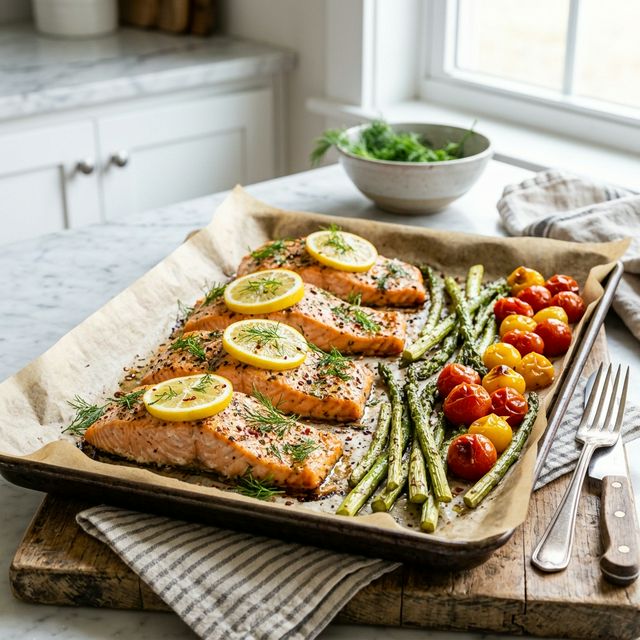
One-Pan Lemon Herb Salmon
Sheet pan salmon with asparagus, cherry tomatoes, and a Dijon-lemon-dill glaze. Ready in 30 minutes, one pan to wash.
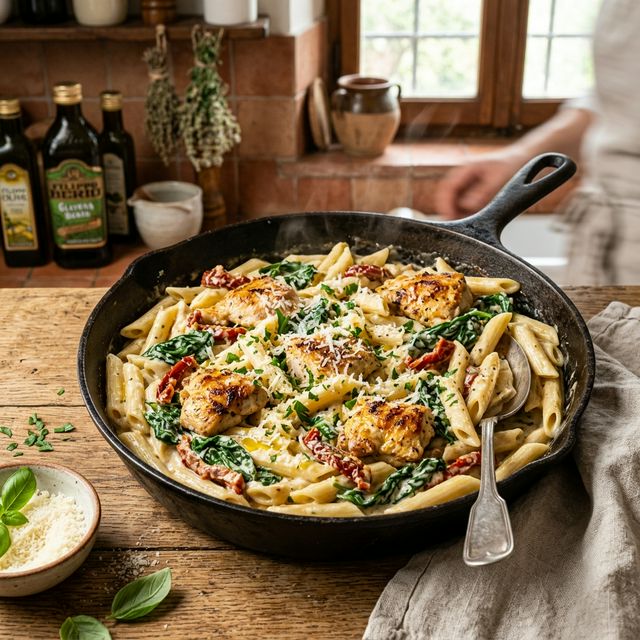
Creamy Tuscan Chicken Pasta
One-pot Tuscan chicken pasta with penne, sun-dried tomatoes, spinach, and parmesan in a cream sauce. Ready in 35 minutes, one pan, no draining.