Weeknight Walnut-Crusted Trout with Brown Butter Lentils and Wilted Arugula
Pan-seared walnut-crusted trout over warm French lentils in nutty brown butter with wilted arugula. A fast, elegant weeknight dinner in 50 minutes.
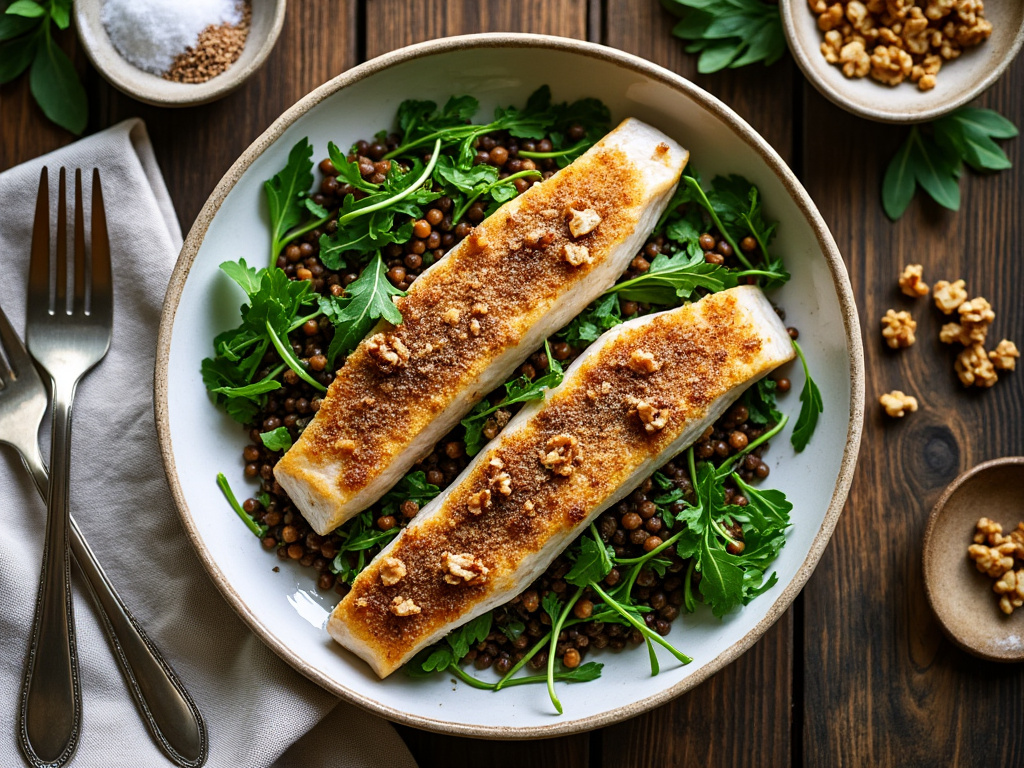
Rainbow trout is one of the most underused fish at the supermarket — it's cheaper than salmon, cooks faster, and takes a crust better. Here, a coarse walnut-and-panko crust pressed onto the flesh side gives you genuine crunch without deep-frying, while the skin crisps directly in the pan below it. The technique that makes this recipe land is cooking the lentils in stock with a bay leaf and a parmesan rind if you have one hanging around — it turns a humble ingredient into something with real backbone.
Expect firm, flaky fish against a crunchy, toasty crust, with creamy lentils that absorb the brown butter as they sit. A handful of arugula stirred in at the end adds bitterness that cuts the richness cleanly. This is a 50-minute weeknight dinner that works just as well for a low-key dinner party — plate it individually and it looks composed without the fuss. If your crust slides off during flipping, you pressed it on before the oil was hot enough; let the pan get properly hot before the fish goes in.
Ingredients
- ▸ 4 skin-on rainbow trout fillets (about 6 oz each)
- ▸ 1 tsp Diamond Crystal kosher salt, divided
- ▸ 0.5 tsp freshly ground black pepper, divided
- ▸ 0.5 cup panko breadcrumbs
- ▸ 0.5 cup raw walnuts, finely chopped (not ground to dust — keep some texture)
- ▸ 2 tbsp finely grated Parmesan
- ▸ 1 tsp lemon zest
- ▸ 2 tbsp Dijon mustard
- ▸ 2 tbsp olive oil, divided
- ▸ 1.5 cups French green lentils (Puy lentils), rinsed
- ▸ 3.5 cups low-sodium chicken stock
- ▸ 1 bay leaf
- ▸ 1 parmesan rind (optional but recommended)
- ▸ 4 tbsp Kerrygold unsalted butter
- ▸ 3 garlic cloves, thinly sliced
- ▸ 1 tbsp fresh thyme leaves
- ▸ 2 tbsp sherry vinegar
- ▸ 4 oz baby arugula (about 4 loosely packed cups)
- ▸ 0.25 tsp red pepper flakes
- ▸ 1 lemon, cut into wedges for serving
🛒 Links may earn us a small commission at no cost to you.
Recommended Gear
🛒 We may earn a small commission at no extra cost to you. We only recommend gear we'd use ourselves.
Instructions
Cook the Lentils
- 1. Combine the rinsed lentils, chicken stock, bay leaf, and parmesan rind (if using) in a medium saucepan. Bring to a boil over high heat — you'll see vigorous bubbling and steam — then reduce to a steady simmer over medium-low. Cook uncovered for 22-25 minutes, until the lentils are just tender with a slight bite and the stock is mostly absorbed. They should look plump and intact, not split or mushy. Discard the bay leaf and parmesan rind, season with 0.5 tsp kosher salt, and set aside.
- 2. While the lentils cook, prepare the crust and fish so everything times out together.
Build the Walnut Crust
- 1. In a small bowl, combine the panko, chopped walnuts, Parmesan, lemon zest, 0.25 tsp kosher salt, and 0.25 tsp black pepper. Stir to combine — the mixture should look like coarse, sandy crumbles with visible walnut pieces. Dry ingredients only here; no oil or liquid.
- 2. Pat the trout fillets completely dry with paper towels — press firmly on both sides. Dry fish is the difference between a crust and a steam situation. Season the skin side with a pinch of salt and pepper. Brush the flesh side of each fillet with 0.5 tbsp Dijon mustard, spreading it in a thin, even layer all the way to the edges. Press 2-3 tbsp of the walnut-panko mixture firmly onto the mustard-coated flesh side of each fillet, using your palm to compact it so it adheres. It should look like a solid, even coating with no bare patches.
Sear the Trout
- 1. Heat 1 tbsp olive oil in a 12-inch stainless steel skillet over medium-high heat until the oil shimmers and just begins to move fluidly when you tilt the pan, about 90 seconds. Lay two trout fillets skin-side down into the skillet — you'll hear an immediate, aggressive sizzle. Press gently with the fish spatula for the first 30 seconds to ensure full skin contact. Cook for 3-4 minutes without moving until the skin is deep golden and releases cleanly from the pan. The flesh should look opaque about halfway up the fillet from the skin side.
- 2. Flip each fillet carefully using a fish spatula, crust-side down. Cook for 2-3 minutes until the crust is deep amber and smells toasty-nutty, and an instant-read thermometer reads 135-140°F at the thickest point. Transfer to a wire rack set over the sheet pan. Repeat with remaining fillets and the second tbsp of olive oil.
Make the Brown Butter Lentils
- 1. Reduce the heat under the same skillet to medium. Add the Kerrygold butter and let it melt, swirling the pan occasionally. Watch carefully: the butter will foam, the foam will settle, and golden-brown flecks will appear on the bottom of the pan — about 3-4 minutes total. The moment it smells nutty and looks deep amber (not dark brown), add the sliced garlic and thyme leaves. The garlic will sizzle sharply and turn fragrant within 30-40 seconds.
- 2. Add the sherry vinegar — it will spit and hiss. Stir quickly to deglaze any browned bits from the pan, then add the cooked lentils and red pepper flakes. Stir to coat the lentils thoroughly in the brown butter mixture. Cook for 2 minutes, stirring, until the lentils are hot through and glossy. Taste and adjust salt.
- 3. Remove the skillet from heat. Add the arugula in two handfuls, folding it into the lentils. It will wilt within 30-45 seconds from the residual heat — just until it collapses slightly and turns bright green. Do not let it go limp and gray.
Plate and Serve
- 1. Spoon the brown butter lentils and arugula into four wide bowls or onto plates. Lay one walnut-crusted trout fillet on top of each, crust-side up. Serve immediately with a lemon wedge alongside — squeeze it over the fish right before eating. The contrast between hot, crunchy crust and warm, earthy lentils is the point of this dish; don't let it sit.
Cook's Notes
- French green lentils (Puy) are non-negotiable for texture — they hold their shape through cooking where red or yellow lentils would turn to paste.
- Pressing the walnut crust firmly onto the Dijon-coated fish is not optional — the mustard acts as the glue, and hard pressure creates the bond that keeps the crust intact during flipping.
- Brown butter moves from perfect to burnt in about 30 seconds — have the garlic, thyme, and lentils measured and within arm's reach before you start that step.
- The parmesan rind in the lentils is a small thing that adds noticeable depth; keep a bag of rinds in the freezer and pull one out whenever you're cooking beans or lentils.
- If you're serving this for a dinner party, cook the lentils up to an hour ahead and keep them warm covered on the lowest heat setting, then do the brown butter finish and fish right before serving.
Pro Tips
- → If the walnut crust slides off during the flip, your pan wasn't hot enough before the fish went in — a properly preheated stainless pan creates a quick sear that sets the crust before it has a chance to detach. Next time, let the oil shimmer and just begin to smoke at the edges before the fish touches it.
- → Trout fillets vary wildly in thickness depending on the fish — thin tail pieces will cook in 4-5 minutes total, thick center cuts closer to 7-8 minutes. Use the thermometer, not the clock, as your primary indicator.
- → If your brown butter looks dark brown rather than amber and smells bitter, it's burnt — don't use it. Wipe the pan, start fresh with new butter. Burnt butter fat permeates everything it touches and there's no rescuing the dish if you add lentils to it.
- → Sherry vinegar is specifically called for here because its oxidative, slightly sweet acidity plays well against both brown butter and earthy lentils. Red wine vinegar is an acceptable substitute; white wine vinegar is too sharp and will fight the butter.
- → The arugula should be added off heat or right at the edge of heat — you want wilt, not full collapse. If it's gone dark and completely soft, your pan was still too hot. Pull the skillet fully off the burner before stirring in the greens.
- → For cleaner plating, let the lentils sit for 60 seconds after adding the arugula before spooning — this lets the residual liquid tighten slightly so you're spooning a cohesive mixture rather than a puddle.
What to Serve With This
A dry, medium-bodied white wine is the move here. Grüner Veltliner from Austria — look for Loimer or Hirsch at a reasonable price point — has a peppery, mineral edge that mirrors the arugula's bitterness and doesn't compete with the walnut crust. If you prefer red, a light Pinot Noir like a Willamette Valley bottle works; anything heavier will overpower the trout. For beer, a German-style Kölsch (Reissdorf is widely available) is clean and slightly bready, which echoes the panko crust without amplifying richness.
For non-alcoholic options, a sparkling water with a squeeze of lemon and a few torn fresh mint leaves keeps the palate fresh between bites. A cold glass of dry apple cider — not sweet — also plays well against the brown butter.
On the side, a simple shaved fennel salad dressed with lemon juice, olive oil, and flaky salt is the smartest choice: it's crisp, cold, and anise-forward, which contrasts the warm, earthy lentils. A few slices of crusty sourdough are useful for mopping the brown butter from the bowl. Skip starchy sides — the lentils are already substantial, and you don't need rice or potatoes crowding the plate.
Variations & Substitutions
For a gluten-free version, replace the panko 1:1 with finely ground almond flour or crushed gluten-free rice crackers. The crust will be slightly denser but still crisps well — just make sure to pat the fish fully dry so moisture doesn't steam the coating soft. The brown butter technique and lentil base stay exactly the same.
To make this dairy-free, replace the Kerrygold butter with a high-quality vegan butter (Miyoko's works) or use a neutral oil like avocado oil. Brown butter flavor comes from milk solids caramelizing, so vegan butter will give you a milder result — add a splash of hazelnut oil at the end to compensate for depth. The dish is still very good.
For a vegetarian riff, skip the trout entirely and press the walnut-panko crust onto 1-inch-thick slabs of halloumi. Sear them 2-3 minutes per side in a hot pan — the halloumi will hold together better than you'd expect. The lentils and arugula base remains unchanged, and the halloumi adds enough protein and salinity to make a complete meal.
If you're scaling up to serve 8, cook the lentils in a larger pot (no adjustments to technique) and sear the trout in two batches — crowding the pan drops the temperature and steams rather than crisps the crust. Keep the first batch warm on a wire rack in a 200°F oven while the second batch cooks.
Frequently Asked Questions
Can I use salmon instead of rainbow trout? ▼
Yes, salmon fillets work well here — use skin-on portions about 6 oz each and increase the sear time to 4-5 minutes skin-side down. The walnut crust adheres the same way. Keep in mind salmon has a richer flavor than trout, so the balance of arugula bitterness becomes more important as a counterpoint.
Can I make the lentils ahead of time? ▼
Absolutely. Cook the lentils up to 3 days ahead and store them in an airtight container in the fridge. Reheat gently in a skillet with a splash of chicken or vegetable stock over medium-low heat before adding the brown butter and arugula. The lentils actually absorb flavor better by day two.
My walnut crust fell off during cooking — what went wrong? ▼
Two likely causes: the oil wasn't hot enough before the fish went in, or you moved the fish too early. Let the pan heat until the oil just begins to shimmer before adding the fish, then resist touching it for at least 3 minutes. The crust needs to set and release naturally before you flip. Also, pressing the crust firmly onto the fish while it's still on the cutting board — really press — helps adhesion.
How do I store and reheat leftovers? ▼
Store the fish and lentils separately in the fridge for up to 2 days. The trout crust will soften overnight — reheat the fish in a 375°F oven on a wire rack for 8-10 minutes to re-crisp it (microwaving turns the crust soggy). Reheat the lentils in a small saucepan with a splash of stock. The arugula doesn't hold well; add a fresh handful when serving.
Can I freeze this dish? ▼
The lentils freeze well for up to 2 months — store in a freezer bag flat and thaw overnight in the fridge. The walnut-crusted trout does not freeze well; the crust turns mushy and the fish gets mealy after thawing. Make the fish fresh and use frozen lentils as your shortcut.
What type of lentils should I use? ▼
French green lentils (Puy lentils) are the right choice here — they hold their shape after cooking and have an earthy, peppery flavor that pairs with the brown butter. Do not use red lentils, which will turn to mush. Standard brown lentils are an acceptable substitute if that's what you have; they're slightly softer but still work.
Can I use pre-cooked or canned lentils? ▼
Canned lentils save about 25 minutes. Drain and rinse one 15 oz can, then warm them directly in the skillet with the browned butter and a splash of stock — skip the simmering step. The texture will be slightly softer than dried, but the dish still comes together well. Season carefully since canned lentils can be saltier.
How do I know when the brown butter is ready? ▼
Watch for three signs in order: the butter melts and foams, the foam subsides and you see golden flecks forming on the bottom of the pan, and the color shifts from yellow to deep amber while the smell goes from dairy to nutty and almost caramel-like. That third stage happens fast — have your lentils ready to go in immediately so the butter doesn't tip into burnt.
Is this recipe suitable for meal prep? ▼
The lentil base is excellent for meal prep and holds well for 4 days in the fridge. Cook the trout fresh each time — it takes only 8 minutes total and the texture is dramatically better straight from the pan. You can also prep the walnut-panko crust mixture and keep it in a sealed container at room temperature for up to 2 days.
Can I cook this without a stainless steel pan? ▼
A 12-inch cast iron skillet also works well and holds heat even better for crisping the skin. Nonstick pans are not ideal here — the crust won't develop the same deep color, and you get less of the fond that deglazes into the lentils. If you only have nonstick, increase the heat slightly and accept a slightly paler crust.
Enjoyed this recipe?
Daily Home Cookery is self-funded. If something you cooked here made dinner a little better, a coffee keeps the kitchen running.
☕ Buy me a coffeeYou Might Also Like
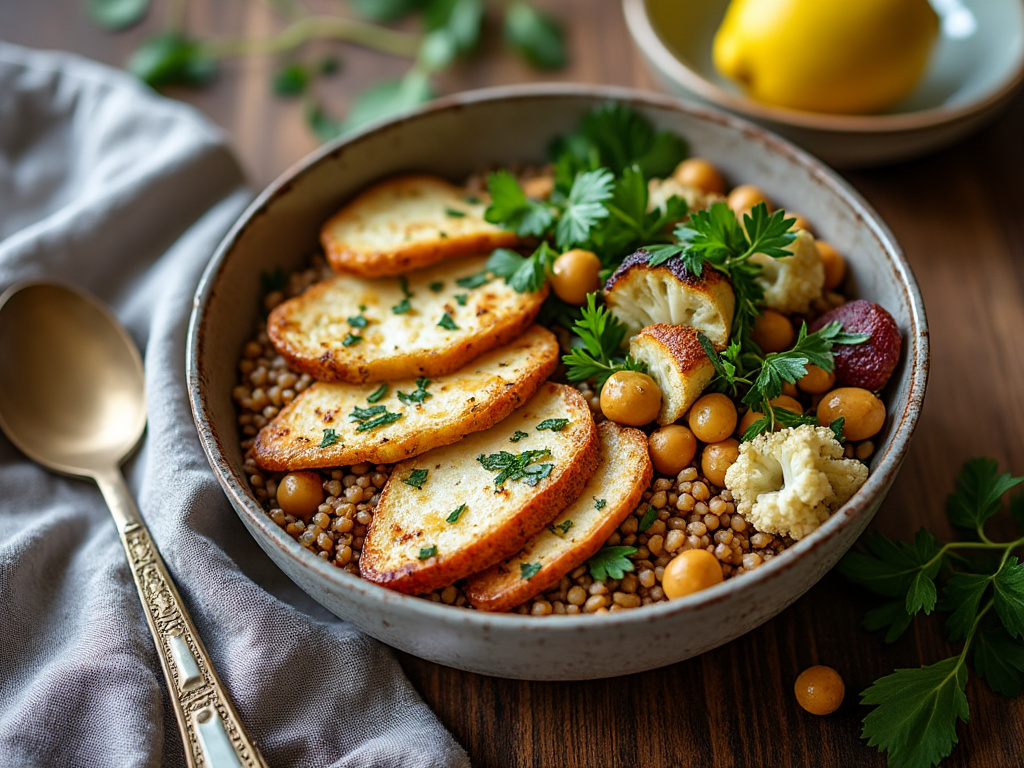
Seared Halloumi and Roasted Vegetable Grain Bowl with Lemon-Tahini Dressing
Crispy halloumi, roasted cauliflower and chickpeas over farro with a punchy lemon-tahini dressing. A satisfying vegetarian bowl ready in under an hour.
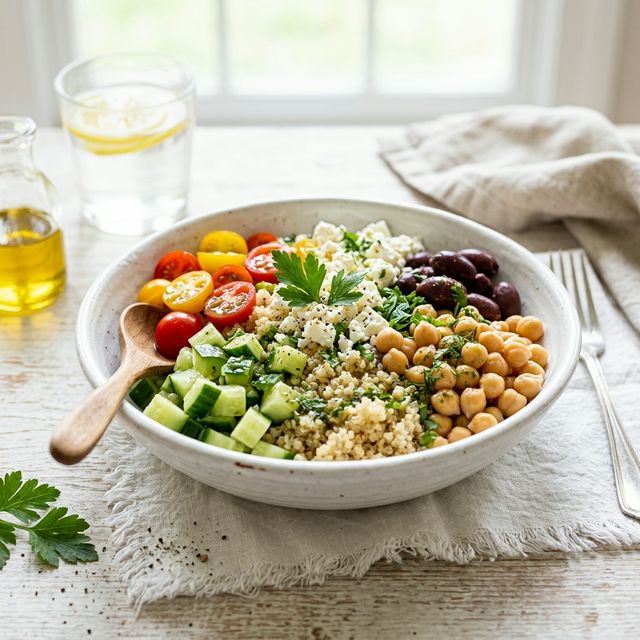
Mediterranean Quinoa Bowl
A meal-prep-friendly Mediterranean quinoa bowl with chickpeas, Kalamata olives, feta, and a sharp lemon-oregano dressing. Ready in 30 minutes.

Spicy Korean Pork Bulgogi Rice Bowls
Tender gochujang-marinated pork, crispy-edged and caramelized, served over short-grain rice with pickled cucumbers and sesame spinach.