White Miso and Ginger Braised Eggplant with Crispy Tofu and Scallion Rice
Silky miso-braised eggplant, golden crispy tofu, and scallion rice — a deeply savory vegetarian weeknight dinner ready in 60 minutes.
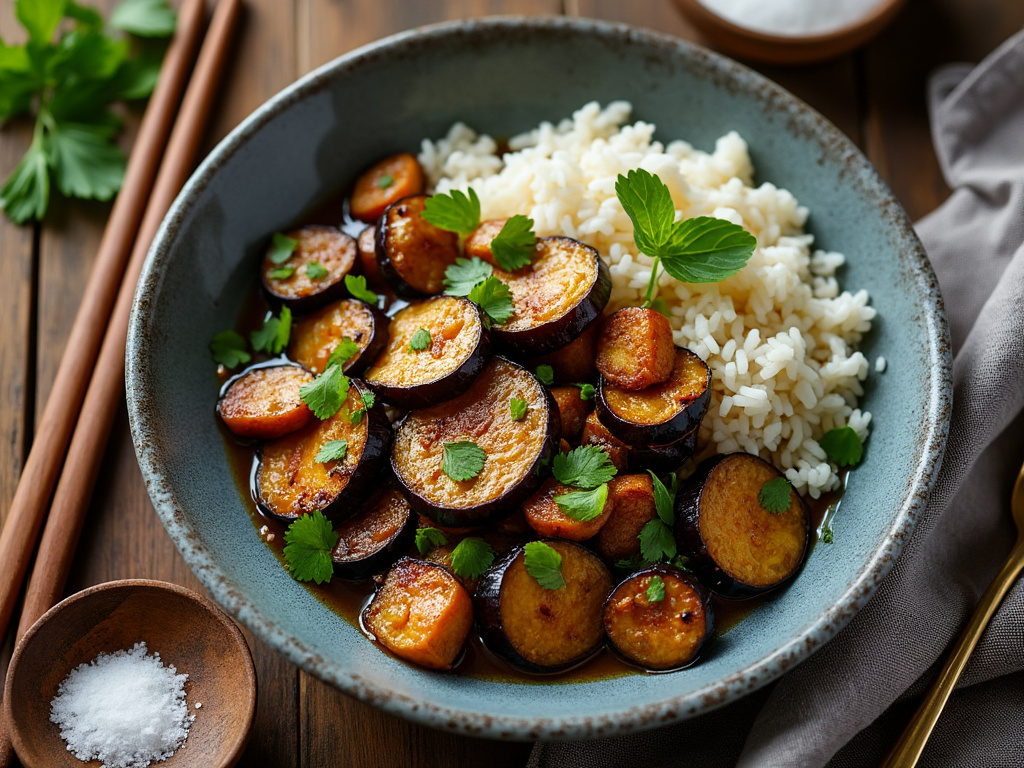
Eggplant braised in a white miso-ginger sauce goes nearly translucent and deeply savory — it absorbs liquid aggressively, which is exactly the point here. The key to making this recipe work is salting and pressing the eggplant first, which collapses the cellular structure so it drinks in the braising liquid instead of just sitting in it. The tofu gets pressed dry and pan-fried until the exterior is genuinely crisp — not just golden, but snappable — which gives the dish textural contrast against the soft, almost custard-like eggplant.
Expect bold umami, a gentle heat from fresh ginger and chili garlic sauce, and a sticky-glossy sauce that clings to everything in the pan. This is a strong weeknight dinner that reheats well for lunch the next day. The scallion rice is not optional — the fat from the sesame oil and the char on the scallions cut the richness of the miso sauce in a way that plain steamed rice doesn't. If the sauce reduces too fast before the eggplant is fully tender, add 2 tablespoons of water and drop the heat to medium-low.
Ingredients
- ▸ 1.5 lbs Japanese eggplant (about 4 medium), cut into 3/4-inch half-moon slices
- ▸ 1 tsp Diamond Crystal kosher salt (for salting eggplant)
- ▸ 14 oz extra-firm tofu, pressed and cut into 1-inch cubes
- ▸ 1 tbsp cornstarch
- ▸ 3 tbsp avocado oil, divided
- ▸ 3 tbsp white miso paste
- ▸ 3 tbsp low-sodium soy sauce
- ▸ 2 tbsp mirin
- ▸ 1 tbsp rice vinegar
- ▸ 1 tbsp honey
- ▸ 1 tbsp chili garlic sauce
- ▸ 3 cloves garlic, minced
- ▸ 1 tbsp fresh ginger, finely grated
- ▸ 1/2 cup water
- ▸ 1 tsp toasted sesame oil
- ▸ 1.5 cups jasmine rice, rinsed
- ▸ 2 cups water (for rice)
- ▸ 1/2 tsp Diamond Crystal kosher salt (for rice)
- ▸ 6 scallions, thinly sliced, white and green parts separated
- ▸ 2 tsp toasted sesame oil (for rice)
- ▸ 1 tbsp toasted sesame seeds
- ▸ 1 tbsp neutral oil (avocado or grapeseed, for scallion rice)
🛒 Links may earn us a small commission at no cost to you.
Recommended Gear
🛒 We may earn a small commission at no extra cost to you. We only recommend gear we'd use ourselves.
Instructions
Prep
- 1. Toss the eggplant half-moon slices with 1 tsp kosher salt in a colander. Set over the sink or a bowl and let drain for 15 minutes — you'll see droplets of liquid forming on the surface, which is exactly what you want. Pat completely dry with paper towels before cooking; residual moisture will cause steaming instead of browning.
- 2. While the eggplant drains, press the tofu: wrap the block in a clean kitchen towel, place on a cutting board, and set a heavy skillet on top for at least 15 minutes. Once pressed, cut into 1-inch cubes and toss in 1 tbsp cornstarch until evenly coated.
- 3. Whisk together the white miso, soy sauce, mirin, rice vinegar, honey, chili garlic sauce, minced garlic, grated ginger, and 1/2 cup water in a small bowl until smooth with no miso lumps. Set aside.
Cook the Rice
- 1. Combine rinsed jasmine rice, 2 cups water, and 1/2 tsp kosher salt in a medium saucepan. Bring to a boil over high heat — the water should be bubbling aggressively. Immediately reduce heat to the lowest setting, cover tightly, and cook for 15 minutes. Remove from heat and let steam, covered, for 5 more minutes. The rice should be fully cooked with no visible water at the bottom.
Fry the Tofu
- 1. Heat 1.5 tbsp avocado oil in a 12-inch skillet over medium-high heat until shimmering and just beginning to smoke — about 90 seconds. Add tofu cubes in a single layer without touching. Cook undisturbed for 3-4 minutes until the bottom is deep golden and releases cleanly from the pan. Flip and cook another 3 minutes until all sides are crisp and the exterior snaps slightly when pressed. Transfer to a plate; do not wipe out the skillet.
Braise the Eggplant
- 1. Add remaining 1.5 tbsp avocado oil to the same skillet over medium-high heat. Add the dried eggplant slices in a single layer — they should hiss sharply on contact. Cook undisturbed for 3 minutes until the underside is golden and slightly charred at the edges. Flip and cook another 2 minutes. Work in batches if needed; crowding will steam rather than sear.
- 2. Push eggplant to the edges of the pan and add the white parts of the scallions to the center. Cook 1 minute, stirring, until slightly softened and fragrant — they'll smell sweet and faintly sharp.
- 3. Pour the miso-ginger braising sauce over the eggplant. It will bubble vigorously. Stir gently to coat everything, then reduce heat to medium. Cook uncovered for 8-10 minutes, stirring occasionally, until the eggplant is completely tender (a fork should slide through with almost no resistance), the sauce has reduced by half, and it looks glossy and thick enough to coat a spoon. If the pan looks dry before the eggplant is tender, add 2 tbsp water.
- 4. Stir in 1 tsp toasted sesame oil off the heat. Nestle the crispy tofu back into the pan and gently fold it into the sauce — you want it coated but not crushed.
Finish the Scallion Rice
- 1. Heat 1 tbsp neutral oil in a separate skillet (or wipe out your saucepan) over high heat until just smoking. Add the green scallion tops and toss constantly for 60-90 seconds until bright green with a few charred spots — you should smell them caramelizing. Add the cooked rice and 2 tsp sesame oil. Toss and fold for 2 minutes until the rice is coated and steaming hot throughout.
Serve
- 1. Divide scallion rice among four bowls. Spoon the braised eggplant and tofu over the top. Drizzle any remaining pan sauce over each bowl, then scatter toasted sesame seeds over the top. Serve immediately while the tofu is still crisp.
Cook's Notes
- Don't skip salting the eggplant — it's a 15-minute step that determines whether your eggplant absorbs the braising sauce (good) or sits in a watery pool of it (bad).
- White miso varies in saltiness between brands — taste the braising sauce before adding it to the pan and adjust with an extra 1/2 tsp soy sauce or a pinch of sugar if needed.
- The tofu can be fried up to a day ahead and stored uncovered in the fridge; re-crisp in a dry skillet for 2 minutes per side before adding to the braise.
- Jasmine rice yields the best texture here — its slight stickiness holds the scallion seasoning well. Long-grain basmati will work but produces a drier, more separate grain that doesn't carry the sauce as well.
- Leftover braised eggplant stores well for 3 days refrigerated and is excellent cold over plain rice for lunch — the flavors deepen considerably by day two.
Pro Tips
- → If your braising sauce breaks into an oily puddle rather than a cohesive glaze, the heat was too high — reduce to medium-low, add 1 tablespoon of water, and stir continuously for 30 seconds to bring it back together.
- → The cornstarch coating on the tofu will absorb oil during frying; if your pan looks dry after frying the first side of tofu, add another half tablespoon of oil before flipping — a dry pan at that stage will burn the crust rather than deepen it.
- → Grate ginger on a Microplane rather than mincing it — minced ginger leaves fibrous threads in the sauce, while grated ginger dissolves completely into the braise, giving you flavor without texture interruption.
- → If the eggplant is browning too fast in step 6 before it's tender, lay a sheet of foil loosely over the skillet for the last 3 minutes of braising — it traps steam and finishes the cooking without burning the sauce.
- → For a stronger umami hit without adding more miso (which would make the sauce too salty), stir in 1/2 teaspoon of fish sauce or a small piece of kombu added to the braising liquid and removed before serving.
- → Extra-firm tofu moisture content varies significantly by brand — if your cubes are still releasing steam in the pan after 3 minutes, your tofu wasn't dry enough. Next time, slice it into slabs and microwave on a paper-towel-lined plate for 2 minutes before pressing; this drives out moisture faster than pressing alone.
What to Serve With This
Pour a dry, mineral-forward sake — a junmai ginjo served slightly chilled — alongside this dish. The clean rice-grain character of the sake echoes the scallion rice without competing with the miso's salinity, and its mild acidity keeps the palate clean between bites. If you'd rather go with wine, a demi-sec Vouvray from the Loire Valley (Chenin Blanc with a touch of residual sweetness) handles the miso's saltiness better than a bone-dry white would.
For a non-alcoholic option, brew a pot of hojicha — the roasted, toasty character of the tea mirrors the caramelized miso notes in the braise without adding sweetness. Serve it warm or over ice.
On the side, a simple cucumber salad dressed with rice vinegar, a pinch of sugar, and a few drops of sesame oil is the right call. The cool crunch and acidity pull the meal into balance. Avoid anything creamy or dairy-based alongside this — it muddies the clean umami profile.
If you're feeding a crowd and want to stretch the meal, add a plate of cold edamame tossed with flaky sea salt and a squeeze of lemon. They're fast, require no cooking beyond boiling, and give people something to snack on while the eggplant finishes braising.
Variations & Substitutions
For a gluten-free version, swap the white miso for a certified gluten-free chickpea miso (South River brand works well) and replace the soy sauce with tamari. Use a 1:1 substitution for both — the flavor will be slightly earthier and less sweet, so add an extra half teaspoon of honey to compensate.
To make this vegan, the recipe is already there as written — just confirm your miso brand contains no dashi (most white miso is vegan, but some blended varieties aren't). For extra protein, double the tofu block to 28 oz and fry in two batches rather than crowding the pan.
For a richer, restaurant-style version, finish the braised eggplant with 1 tablespoon of Kerrygold unsalted butter stirred in off the heat. It rounds the sauce significantly and gives it a glossier, more lacquered finish. This isn't vegan but it's worth knowing about for dinner party cooking.
Scaling down to serve 2: halve all ingredients, use a 10-inch skillet instead of a 12-inch, and reduce the braise time by about 4 minutes since there's less liquid and a smaller eggplant mass. The rice quantity drops to 1 cup dry; everything else scales linearly.
Frequently Asked Questions
Can I use Chinese eggplant instead of Japanese eggplant? ▼
Yes — Chinese eggplant (longer, lighter purple, fewer seeds) is actually a better swap than globe eggplant because it has a similar thin skin and low seed count. Cut it into 1.5-inch chunks instead of the half-moon slices used for Japanese eggplant. Globe eggplant will work but has more seeds and a slightly more bitter, spongy texture — if that's what you have, salt it for a full 30 minutes instead of 15.
How do I get the tofu actually crispy, not just golden? ▼
Press the tofu for at least 20 minutes under a heavy skillet or with a dedicated tofu press — excess moisture is the main enemy of crispiness. Fry in a neutral oil (avocado or grapeseed) over medium-high heat without moving the tofu for at least 3 minutes per side so a proper crust forms. Cornstarch on the tofu surface also helps — toss the pressed cubes in 1 tablespoon of cornstarch before frying.
Can I make this ahead of time? ▼
The braised eggplant actually improves overnight — store it in the sauce in an airtight container for up to 3 days in the refrigerator. Reheat gently in a skillet over medium-low heat with a splash of water. The tofu will lose its crispiness in storage, so fry a fresh batch when you're ready to serve, or re-crisp stored tofu in a dry skillet for 2-3 minutes per side.
Can I freeze the braised eggplant? ▼
Technically yes, but the texture suffers significantly — eggplant becomes waterlogged and almost mushy after freezing and thawing. If you need to freeze it, drain most of the braising liquid first and freeze the eggplant on its own. Thaw overnight in the fridge and reheat with a freshly made small batch of the braising sauce rather than the watered-down frozen version.
What can I use instead of white miso? ▼
Yellow miso (shinshu miso) is the closest substitute — use the same amount. It's slightly saltier and less sweet than white miso, so reduce the soy sauce by half a teaspoon. Avoid red miso here — it's too aggressive and will overpower the ginger. If you can't find any miso, a combination of 1 tablespoon of tahini and 1 teaspoon of soy sauce approximates the nutty-umami profile, though the result will be noticeably different.
How do I prevent the eggplant from turning mushy? ▼
Salt and press the eggplant slices for exactly 15 minutes — not much longer, or they start releasing too much liquid and the texture becomes flabby before cooking even starts. During the braise, keep the heat at a steady medium rather than high; aggressive boiling breaks the eggplant apart. The eggplant should be fork-tender but still hold its shape — pull it off the heat as soon as a fork slides in with light resistance.
Can I cook the scallion rice in a rice cooker? ▼
Cook the jasmine rice in your rice cooker as normal, then transfer the cooked rice to a skillet with the sesame oil and scallions and toss over medium-high heat for 2-3 minutes until the scallions are charred in spots. The char is flavor — don't skip this step just because the rice is already cooked.
Is there a nut-free version of this recipe? ▼
The recipe as written contains no nuts — it's already nut-free. Check your miso brand label if you have severe allergies, as some are processed in facilities that handle tree nuts, but the ingredients themselves contain no nuts.
How spicy is this dish? ▼
At 1 tablespoon of chili garlic sauce, this is mildly spicy — a 3 out of 10. Reduce to 1 teaspoon for a nearly heat-free version, or increase to 2 tablespoons for significant heat. Sambal oelek can be substituted 1:1 for chili garlic sauce; it's slightly hotter and less garlicky, so add an extra half clove of minced garlic to compensate.
Can I use firm tofu instead of extra-firm? ▼
Firm tofu will work but requires longer pressing — at least 30 minutes — and will still be slightly softer inside the crust. Extra-firm tofu (or super-firm, which needs no pressing) gives you a better structural crust. If firm tofu is all you have, freeze the block overnight, thaw it in the fridge, then press it — freezing changes the protein structure and produces a chewier, drier tofu that fries much better.
Enjoyed this recipe?
Daily Home Cookery is self-funded. If something you cooked here made dinner a little better, a coffee keeps the kitchen running.
☕ Buy me a coffeeYou Might Also Like
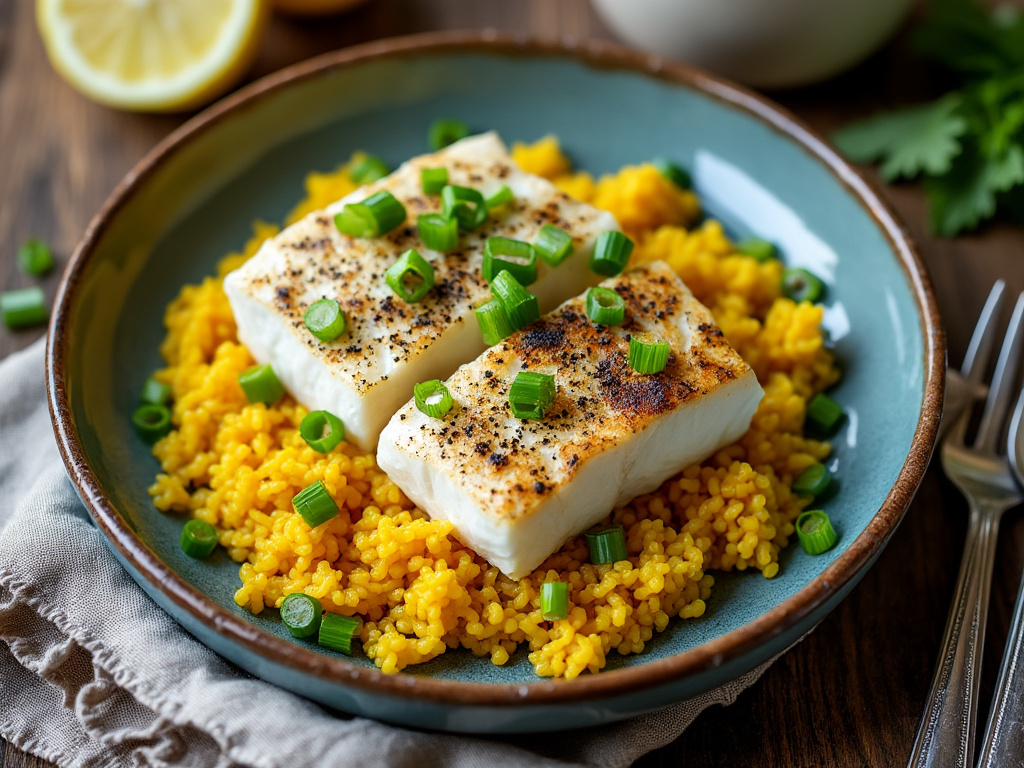
Coconut Milk Poached Halibut with Turmeric Rice and Charred Scallions
Gently poached halibut in fragrant coconut milk broth, served over turmeric rice with charred scallions. Ready in under an hour.
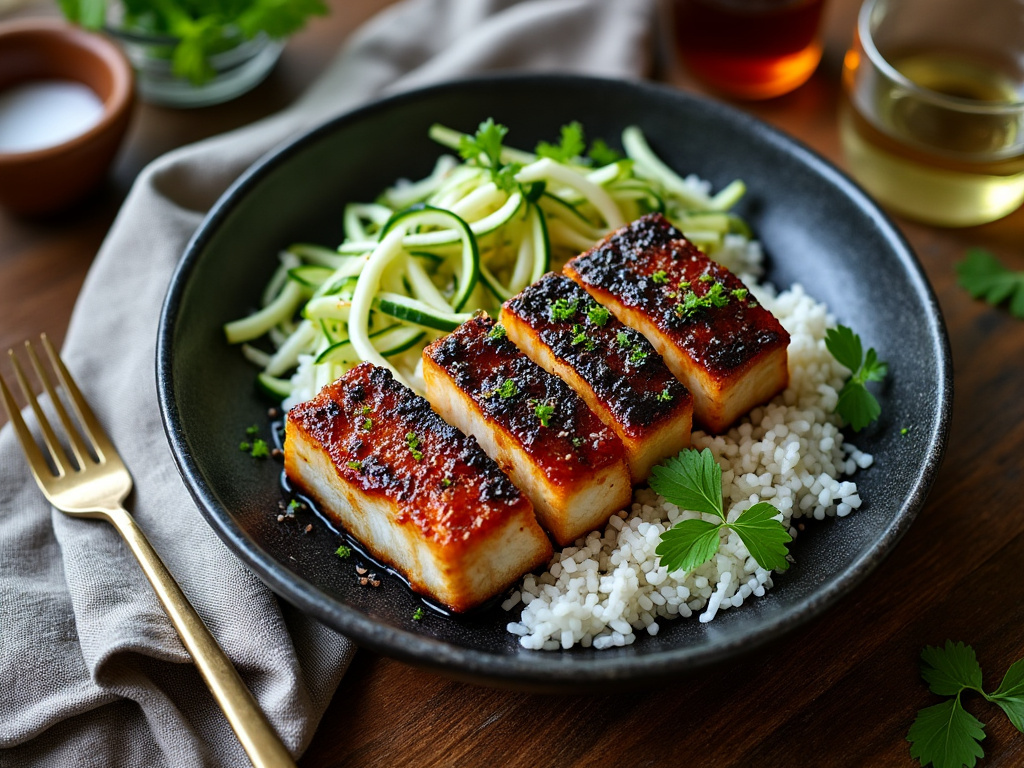
Miso-Glazed Black Cod with Sesame Cucumber Slaw and Steamed Rice
Broiled miso-glazed black cod with a crisp sesame cucumber slaw. A 35-minute dinner that tastes like serious effort.
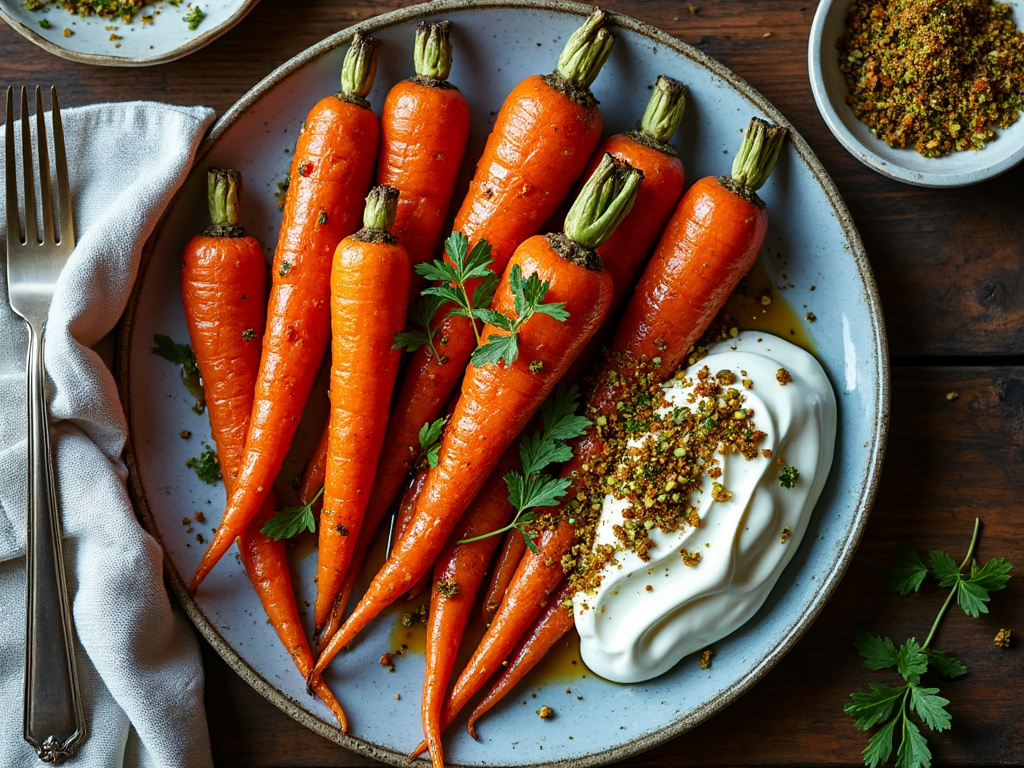
Harissa-Glazed Roasted Carrots with Whipped Ricotta and Pistachio Dukkah
Harissa-glazed carrots roasted until caramelized, served on whipped ricotta with homemade pistachio dukkah. A stunning vegetarian dinner or side.